

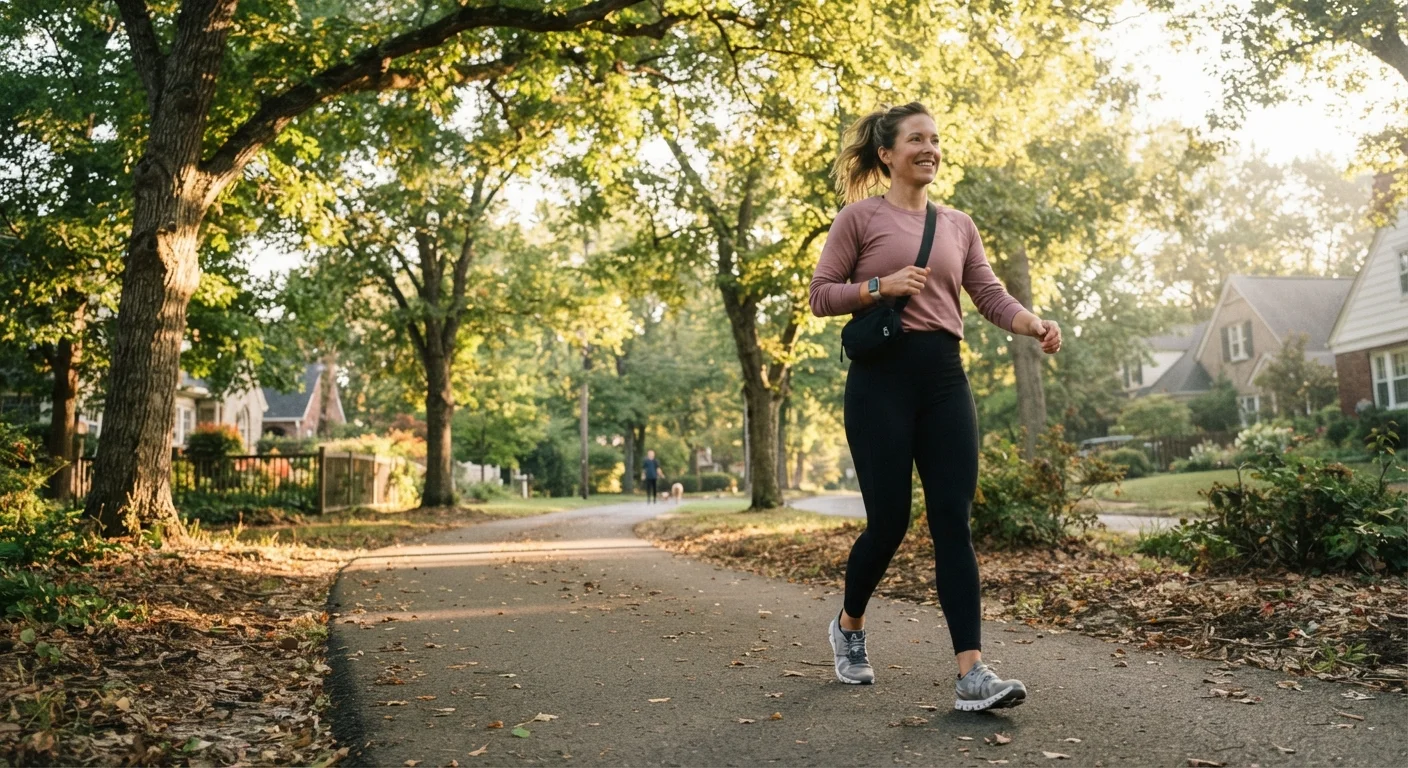
Why Walking Gets Underestimated
Walking occupies a strange place in American fitness culture. It's what we do to get from one place to another — so it rarely feels like a "real" workout. Gym culture and high-intensity training dominate the conversation, which can make a 30-minute walk seem almost too simple to matter.
The research tells a different story. Large epidemiological studies consistently show that regular walkers have lower rates of cardiovascular disease, type 2 diabetes, and all-cause mortality compared to sedentary adults. The benefits aren't trivial, and they don't require extreme effort to achieve. That said, walking has genuine limitations, and understanding both sides helps you use it more strategically. See also: physical health habits most Americans overlook, including non-exercise movement that complements walking well.
The Real Advantages of Walking as Exercise
Walking's benefits are well-documented across a wide range of health markers — and the bar for achieving them is lower than most people assume.
Proven cardiovascular risk reduction with regular practice
Studies including large prospective cohorts have linked habitual brisk walking to reduced risk of heart disease, stroke, and hypertension. Even modest amounts — around 150 minutes per week — appear to confer measurable benefit.
No equipment, cost, or skill required
Walking is accessible to virtually all income levels and fitness backgrounds. It requires only a safe surface and appropriate footwear, removing most of the practical barriers that derail other exercise forms.
Supports blood sugar regulation and metabolic health
Post-meal walking in particular has been shown in clinical research to blunt blood glucose spikes. Over time, regular walking improves insulin sensitivity in adults at risk for or managing type 2 diabetes.
Meaningful mental health and mood benefits
Multiple reviews of randomized controlled trials have found that regular walking reduces self-reported symptoms of depression and anxiety. It also correlates with improved sleep quality and reduced perceived stress.
Extremely low injury risk compared to other exercise
Because walking is low-impact and natural to human biomechanics, it carries a far lower risk of overuse injury than running or high-intensity training. This makes it sustainable for adults with joint concerns or those returning from sedentary periods.
High long-term adherence rates
Research on exercise adherence consistently shows that lower-intensity, convenient activities like walking are maintained more reliably over months and years than gym-based programs, making cumulative health gains more achievable.
~30%
Reduction in cardiovascular disease risk
Research published in peer-reviewed journals has consistently estimated that regular brisk walking is associated with roughly a 30% lower risk of cardiovascular events compared to sedentary adults.
7,000–8,000
Daily steps linked to lower mortality risk
A study published in JAMA Network Open found that adults who averaged around 7,000 to 8,000 steps per day had significantly lower all-cause mortality than those walking fewer than 4,000 steps daily.
150 min/week
Minimum recommended moderate activity
The U.S. Department of Health and Human Services Physical Activity Guidelines for Americans recommends at least 150 minutes of moderate-intensity aerobic activity — such as brisk walking — each week for adults.
One of walking's most underappreciated strengths is its effect on mental health. Consistent evidence suggests moderate-intensity walking reduces symptoms of depression and anxiety, partly through effects on cortisol regulation and mood-related neurotransmitters. It also tends to improve sleep quality, which has downstream effects on almost every other health marker.
For people newer to exercise, walking also serves as an on-ramp. It builds the baseline aerobic capacity and the habit infrastructure needed to pursue more demanding activities later. Building a sustainable routine from zero often begins with exactly this kind of low-barrier movement.
The Limitations You Should Know
Walking is genuinely beneficial, but it's not a complete fitness solution for everyone — and presenting it as one would be misleading.
Limited muscle-building stimulus
Walking does not provide the progressive mechanical load needed to build or preserve significant muscle mass. Adults — particularly those over 50 — typically need resistance training to address age-related muscle loss that walking cannot offset.
Modest aerobic fitness gains for already-active adults
For people who already have a moderate to high baseline fitness level, walking at a normal pace may not be intense enough to improve VO2 max (a measure of aerobic capacity) or challenge the cardiovascular system meaningfully.
Minimal bone-density benefit compared to impact exercise
While walking is weight-bearing, its ground reaction forces are lower than running or resistance training. For bone health — especially in postmenopausal women — walking alone may not provide adequate stimulus to prevent osteoporosis progression.
Caloric expenditure is relatively low per hour
Walking burns fewer calories per unit of time than higher-intensity exercise. For individuals with weight-management goals, walking may need to be supplemented with other activity or dietary considerations to achieve a meaningful energy deficit.
Pace and context matter significantly — effort is easy to underestimate
A slow, flat walk provides far less benefit than a brisk walk on varied terrain. Many people overestimate the intensity of their walks, which can create a false sense of sufficient exercise volume.
A Note on Special Populations
Adults managing chronic conditions such as heart disease, osteoporosis, type 2 diabetes, or arthritis may find walking particularly valuable — but the appropriate intensity, duration, and terrain can vary considerably based on individual health status. Pregnant individuals, older adults with balance concerns, and those recovering from injury or surgery should consult a healthcare professional or physical therapist before modifying their walking routine. General guidance in this article is not a substitute for personalized clinical advice.
If your goals include significant improvements in aerobic capacity, muscle hypertrophy, or bone density, walking will need to be paired with other forms of exercise. Comparing cardio and resistance training is a useful next step for understanding which gaps walking leaves and how to fill them.
Getting More From Your Walks
The difference between a leisurely stroll and a brisk walk is clinically significant. Research generally defines brisk walking as a pace that elevates heart rate and breathing noticeably — roughly 3 to 4 miles per hour for most adults — though what qualifies varies by individual fitness level.
Several modifications can increase the workout value of a walking routine without requiring any equipment: adding incline (hills or a treadmill grade), incorporating interval bursts of faster pace, or using a weighted vest. These strategies move walking closer to Zone 2 cardio territory, the aerobic intensity range that exercise scientists increasingly highlight for metabolic health.
Consistency matters more than any single session. Maintaining physical habits through busy seasons is where walking earns its strongest case — it's far easier to sustain across schedule disruptions than gym-dependent training.
This article is for general informational purposes only and does not constitute medical advice. Consult a qualified healthcare professional before beginning or significantly changing any exercise routine, particularly if you have a chronic health condition, injury, or other medical concern.