
Why Park Category Matters Before You Pack
When most Americans picture a national park, they imagine soaring peaks, wildlife-dotted meadows, and weeks' worth of hiking trails. That image fits some units perfectly — but the NPS system is far broader and more varied than any single postcard can capture. Arriving at a unit expecting backcountry adventure and finding a preserved 19th-century battlefield instead is a jarring experience that better pre-trip research easily prevents.
Understanding the category of a park unit tells you what kind of experience it's designed to deliver, what infrastructure exists on the ground, and what advance planning you'll actually need. Think of it as reading the genre before picking a book. Once you know what each label means, you can match the right unit to your travel style, timeline, and budget — whether you're a first-time explorer or a seasoned road-tripper. For a deeper look at permits and reservations, see our planning guide for first-time national park visitors.
400+
Units in the US National Park System
According to the National Park Service, the system includes more than 400 designated units spanning national parks, monuments, historic sites, and more.
84M+
Acres of federally protected land
The NPS manages over 84 million acres across the continental US, Alaska, Hawaii, and US territories.
20+
Distinct NPS designation types
The NPS uses more than 20 official designation types, including parks, monuments, seashores, parkways, recreation areas, and historic sites.
The Core Categories and What They Signal
National Parks
The crown jewels of the system — places like Yellowstone, Grand Canyon, and Great Smoky Mountains — are designated National Parks by an act of Congress. Expect large footprints, diverse ecosystems, developed visitor centers, and a full range of amenities from lodges to ranger programs. These units typically charge entrance fees and require advance reservations during peak seasons. They're built for extended stays and handle high visitor volumes.
National Monuments
Monuments protect a specific natural, cultural, or historic feature — often on a smaller footprint than a full park. Some, like Bears Ears in Utah, are vast and wild; others, like Devils Tower in Wyoming, are compact geological landmarks. Amenities vary enormously, so treat each monument individually rather than assuming a standard experience.
National Historic Sites and Battlefields
These units are primarily educational and cultural destinations. Visitor centers, interpretive exhibits, and guided tours form the core experience. Outdoor recreation is usually secondary. If you enjoy history and storytelling as much as scenery, these sites reward slow, attentive visits.
National Recreation Areas
Built around reservoirs, rivers, or coastal areas, recreation areas explicitly prioritize visitor activity — boating, fishing, swimming, and camping. They tend to have more relaxed preservation rules and greater commercial infrastructure than wilderness parks. Lake Mead and Gateway Arch are examples of this more activity-forward category.
National Seashores and Lakeshores
These protect undeveloped stretches of coastline along the Atlantic, Gulf, Pacific, and Great Lakes shores. Expect natural beaches, wildlife habitat, and limited commercial development. They pair naturally with broader regional exploration — the Great Lakes region, for instance, offers rich shoreline variety worth planning around.
Practical Planning Differences by Category
Category shapes nearly every logistical decision you'll make. Large National Parks often require timed entry permits, advance campsite bookings months out, and a firm understanding of Leave No Trace principles. By contrast, many National Historic Sites are free, require no reservation, and can be visited in a few focused hours.
Always Check the Specific Unit's NPS Page
Generalizations about park categories only go so far — individual units within the same category can vary dramatically in size, amenities, and access rules. Before any visit, go directly to that unit's page on nps.gov to confirm current fees, reservation requirements, seasonal closures, and accessibility information. Conditions and policies can change, so verify close to your travel date.
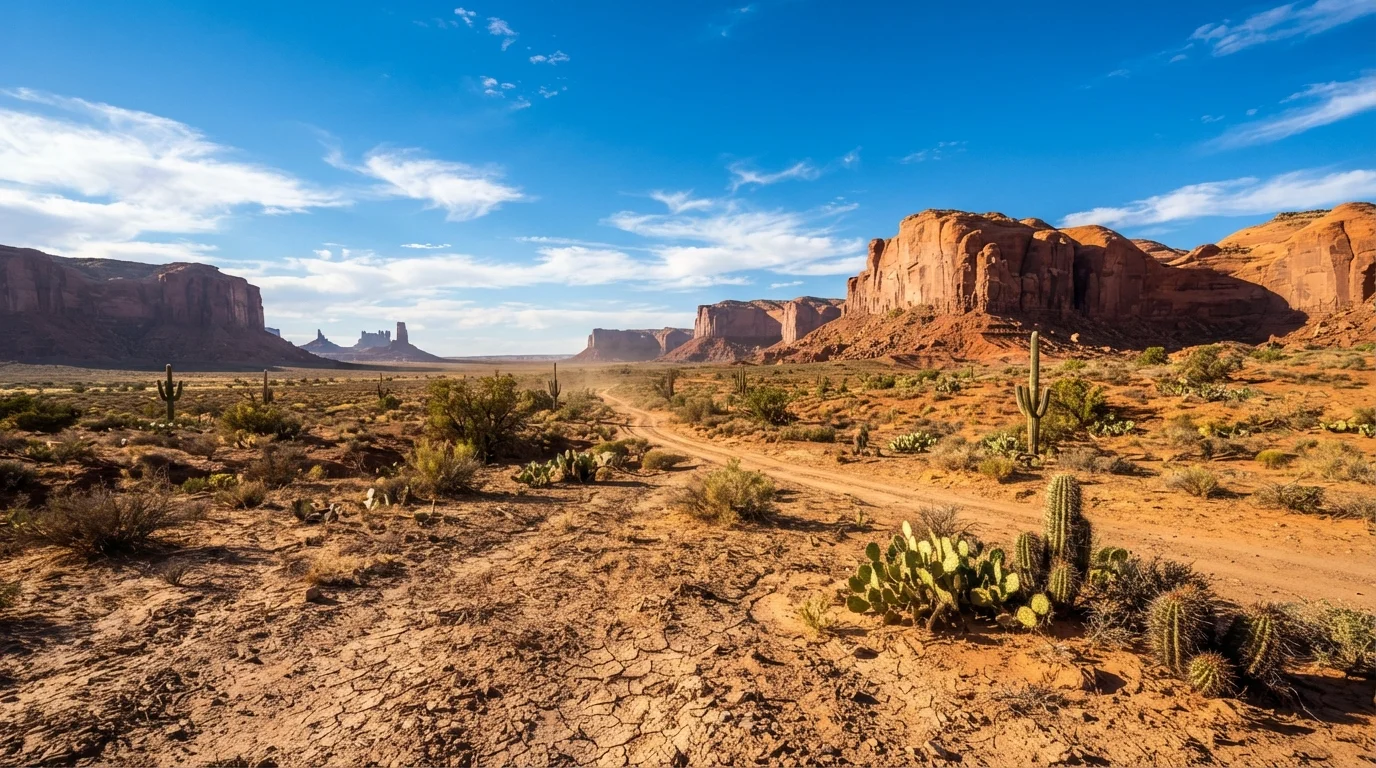
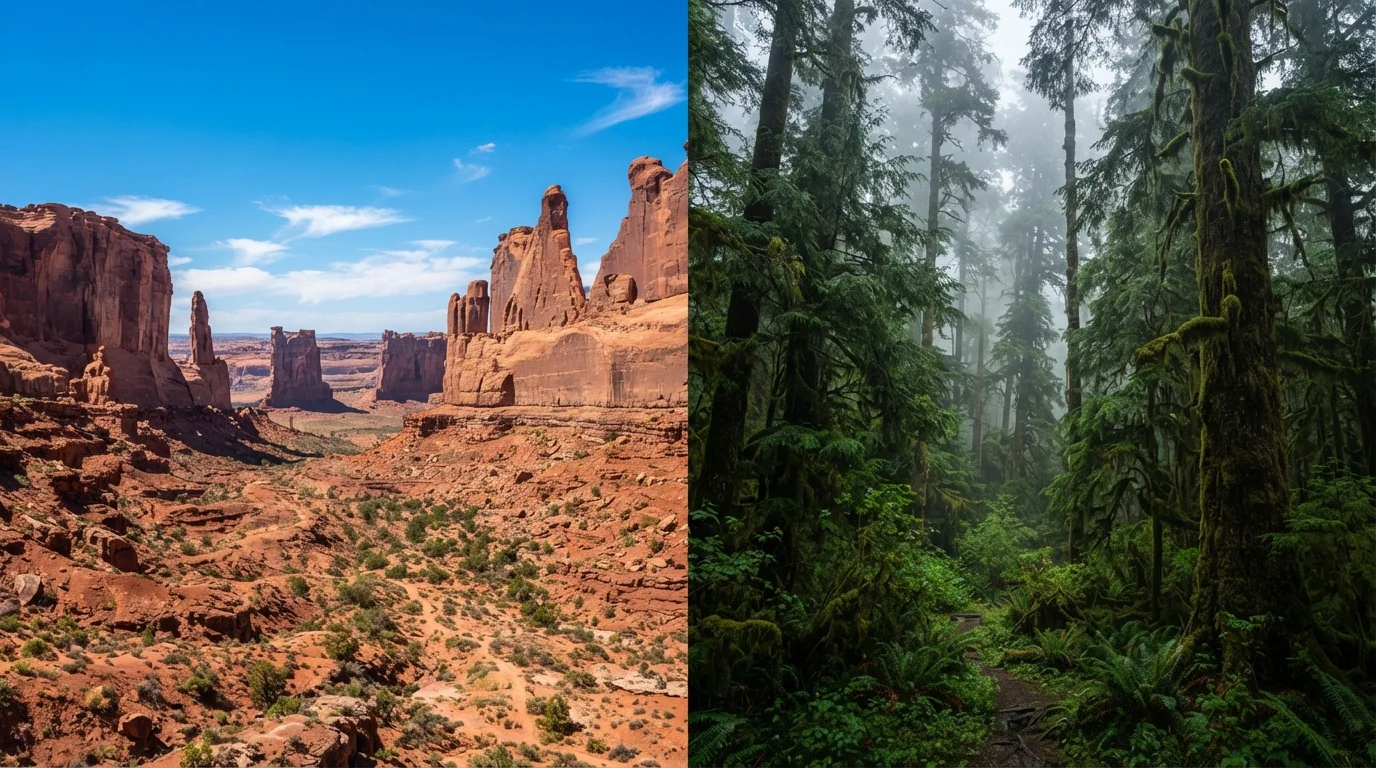
Wilderness-heavy units — especially those featuring desert terrain — demand specific safety preparation. Heat, water scarcity, and remote trails are real hazards. Our guide on preparing for US desert conditions is essential reading before visiting parks in the Southwest. For a broader landscape contrast, comparing the Southwest and Pacific Northwest helps set expectations for two very different types of wild America.
If your trip mixes urban stops with park visits, preparation shifts dramatically between the two. Our piece on navigating an unfamiliar US city covers the city-specific skills that complement park travel well.
“The national park idea — the setting aside of special places for the benefit and enjoyment of all people — is one of the best ideas America has ever had.”
— Wallace Stegner, American novelist and conservationist, often cited in discussions of the national parks legacy