
Why 'Simple' Repairs Backfire
Most DIY repair failures don't come from a lack of effort — they come from skipping a step that seemed unimportant at the time. The fix looks fine initially, then peels, cracks, or fails within a season. Understanding why these shortcuts fail helps you build habits that make your repairs last.
The mistakes below are among the most frequently repeated by homeowners across every skill level. They're also largely preventable once you know what to watch for. For a broader look at how overlooked maintenance becomes expensive, see our article on home maintenance myths that cost real money.
Patching drywall without properly preparing the surrounding surface.
Why it happens: Homeowners focus on filling the hole and skip cleaning, sanding, or priming the area, assuming paint will cover any imperfections.
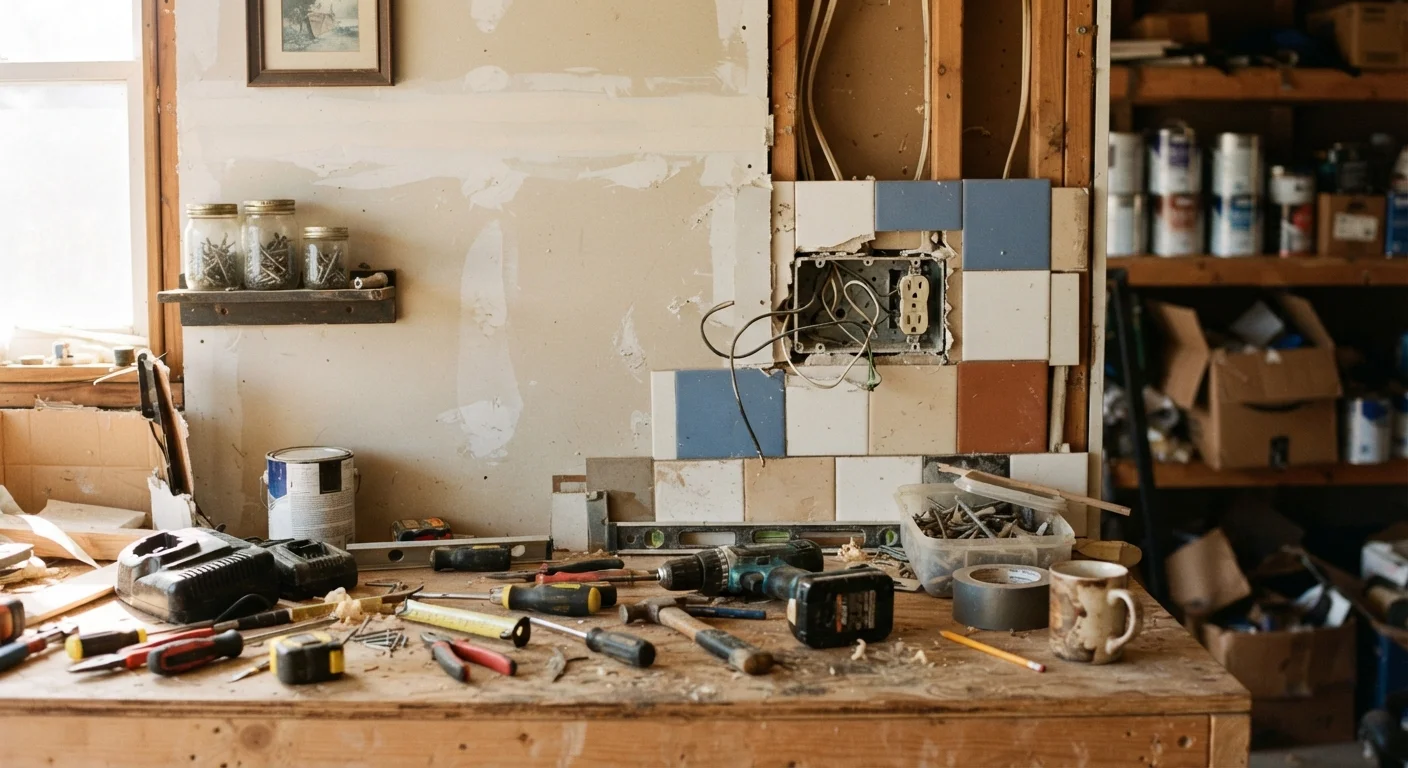
Replacing an electrical outlet without confirming power is fully off at the panel.
Why it happens: Homeowners sometimes flip the wrong breaker or assume a tripped outlet switch means the circuit is dead. This is a dangerous misunderstanding.
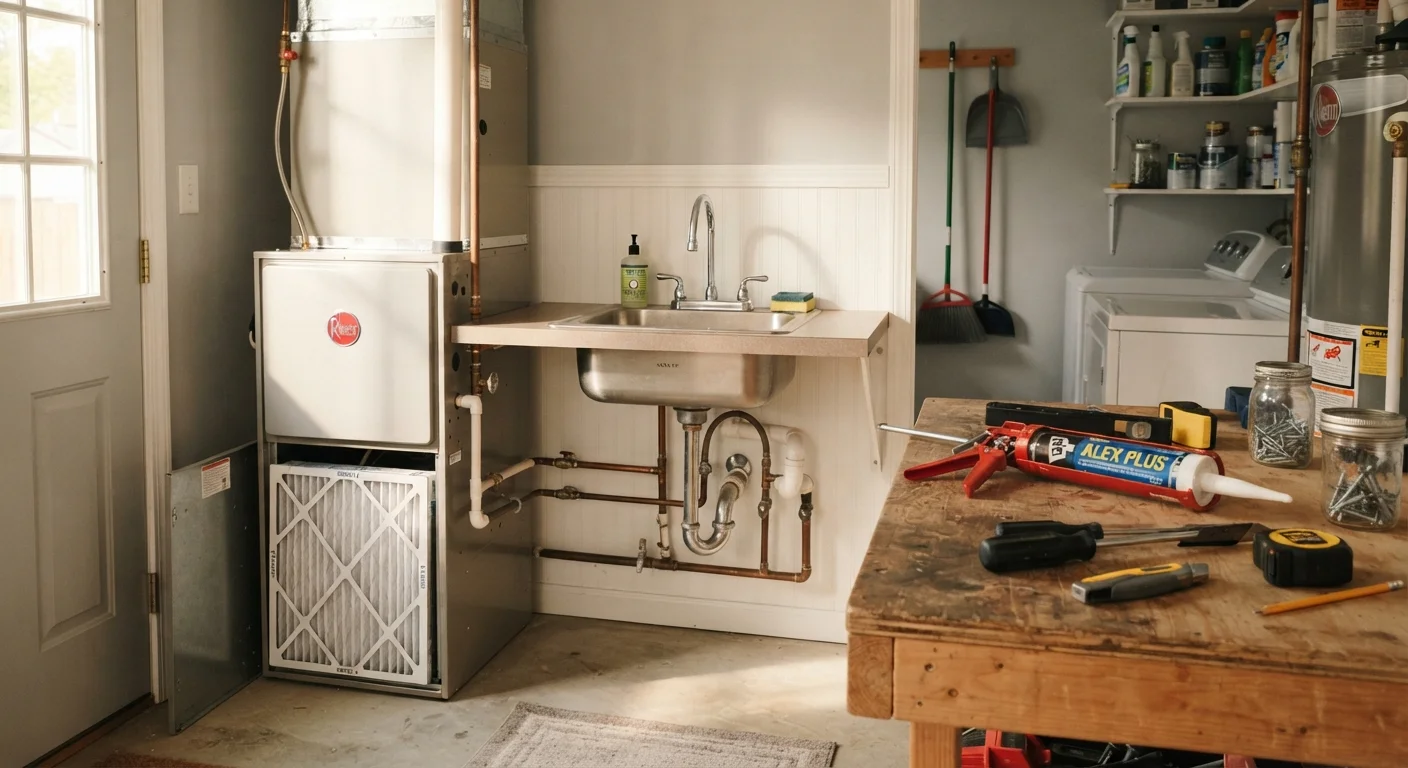
Re-caulking over old, moldy, or deteriorating caulk instead of removing it first.
Why it happens: Removing old caulk is tedious, so many people simply apply a fresh bead on top. The result looks clean for a few weeks, then peels away as the old layer underneath continues to fail.
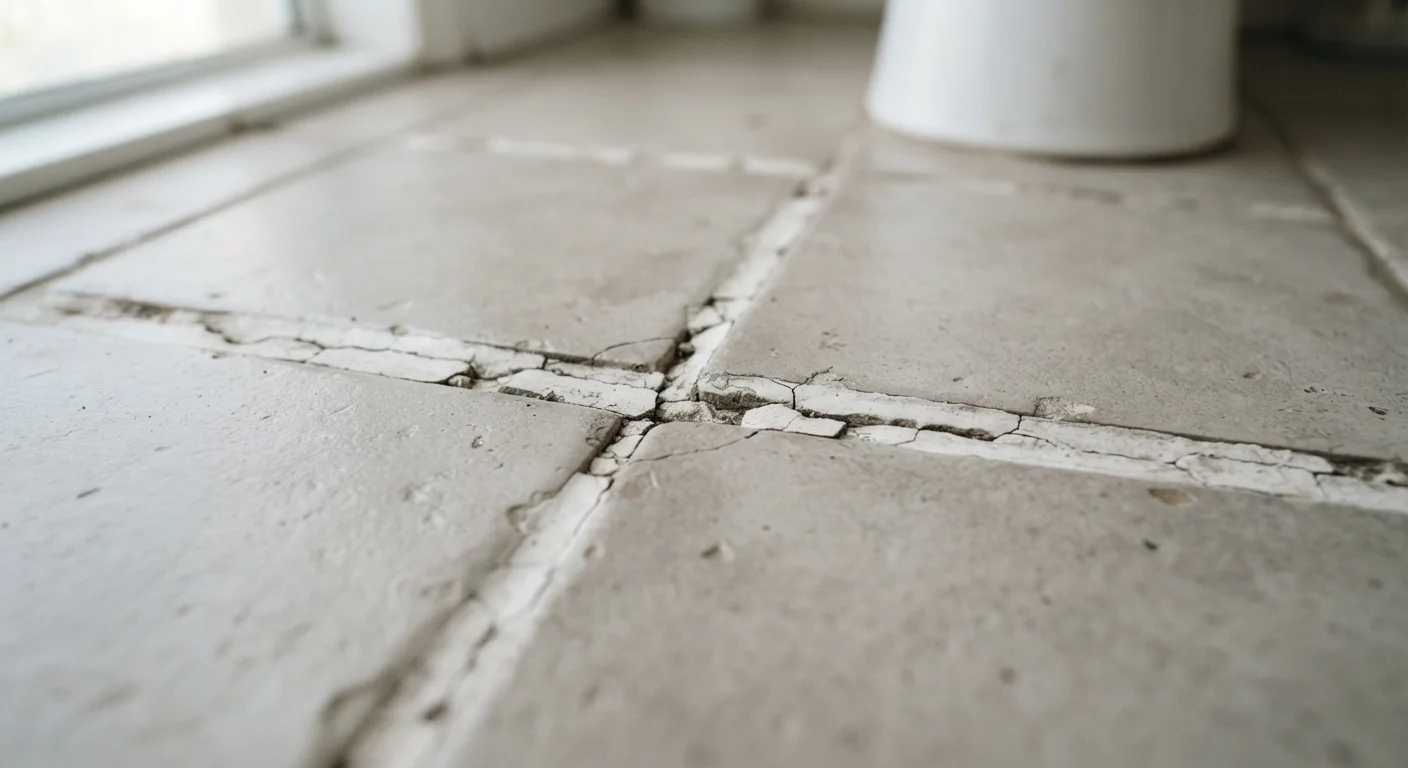
Regrouting cracked tile without diagnosing why the grout cracked in the first place.
Why it happens: Cracked grout looks like a cosmetic issue, so people regrout and move on — only for the same cracks to return within months.
Using the wrong filler or compound for the material being repaired.
Why it happens: Hardware stores carry dozens of patching products, and packaging can be confusing. Homeowners often grab whatever is handy — using interior spackle outdoors, or wood filler on drywall.
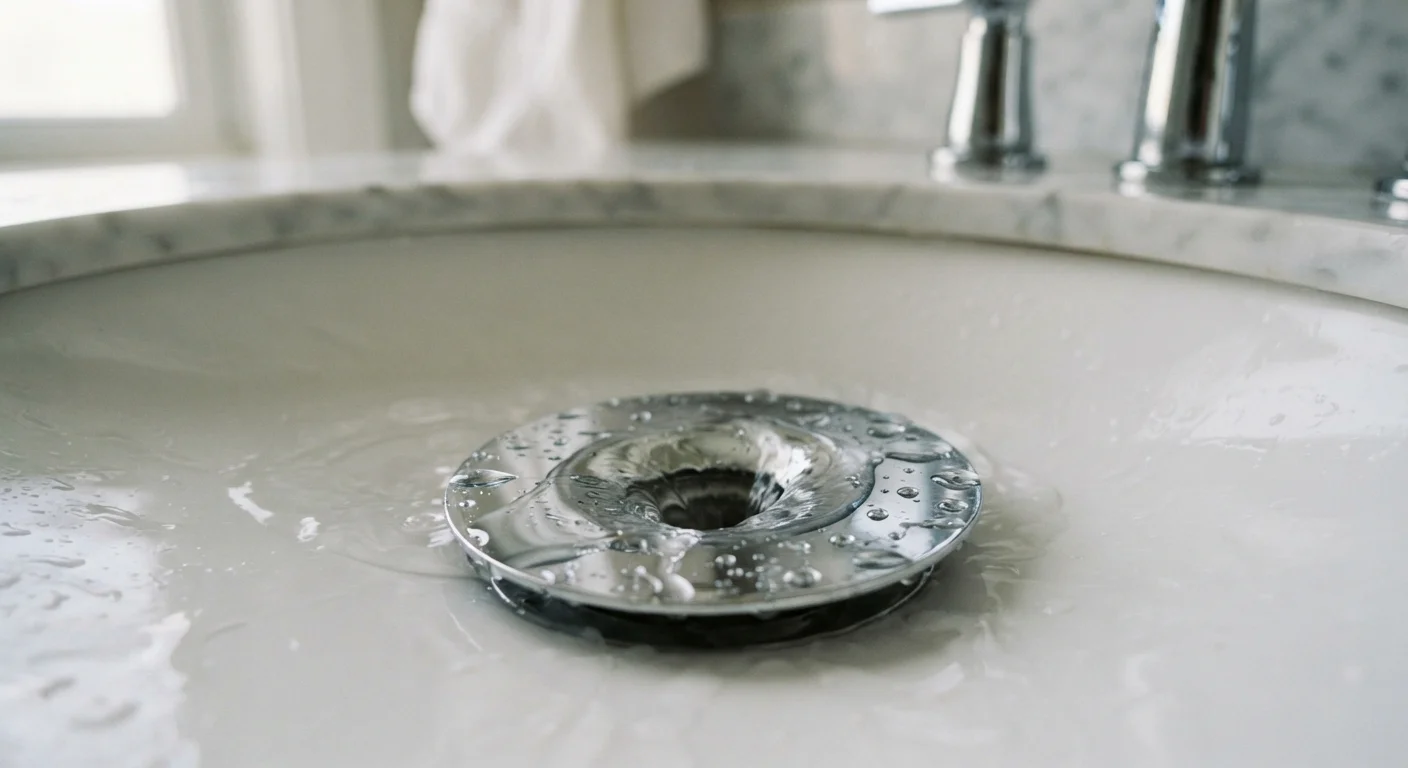
Skipping a drain snake and pouring chemical drain cleaner into a slow or fully blocked drain.
Why it happens: Liquid drain cleaners feel like the easier, hands-off solution. But repeated use can corrode older pipes, and they often fail entirely on solid blockages.
When to Stop and Call a Professional
DIY repairs are a valuable skill set, and most of the fixes above are genuinely manageable with the right preparation. But a few categories — anything involving your home's electrical system, structural elements, gas lines, or permitted work — carry risks that outweigh the savings of doing it yourself.
Electrical Work Requires More Than a Flipped Breaker
Never rely solely on a breaker switch to confirm a circuit is de-energized. Mislabeled panels, shared circuits, and back-fed power are real hazards in older homes. Always verify with a non-contact voltage tester before handling any wiring. If you have any doubt about the circuit layout or panel condition, this is a job for a licensed electrician — not a YouTube tutorial.
If a repair requires opening your electrical panel, touching gas connections, or involves work your local building code requires a permit for (such as adding an outlet, moving a load-bearing wall, or replacing a water heater), hire a licensed professional. The cost of a permit or contractor call is almost always less than the cost of fixing a dangerous mistake — or disclosing an unpermitted repair during a future home sale.
Not sure which maintenance tasks tend to snowball when deferred? Our piece on tasks homeowners put off and what that costs walks through the real financial impact of waiting too long.
Chemical Drain Cleaners Can Damage Pipes
Repeated use of caustic liquid drain cleaners can degrade PVC and corrode older metal pipes over time. They're also hazardous to mix with other household cleaners and can cause burns on skin contact. Use them sparingly, follow label directions exactly, and never use them in a completely blocked drain where the liquid will simply sit in the pipe.