
Why Desert Preparation Is a Different Kind of Challenge
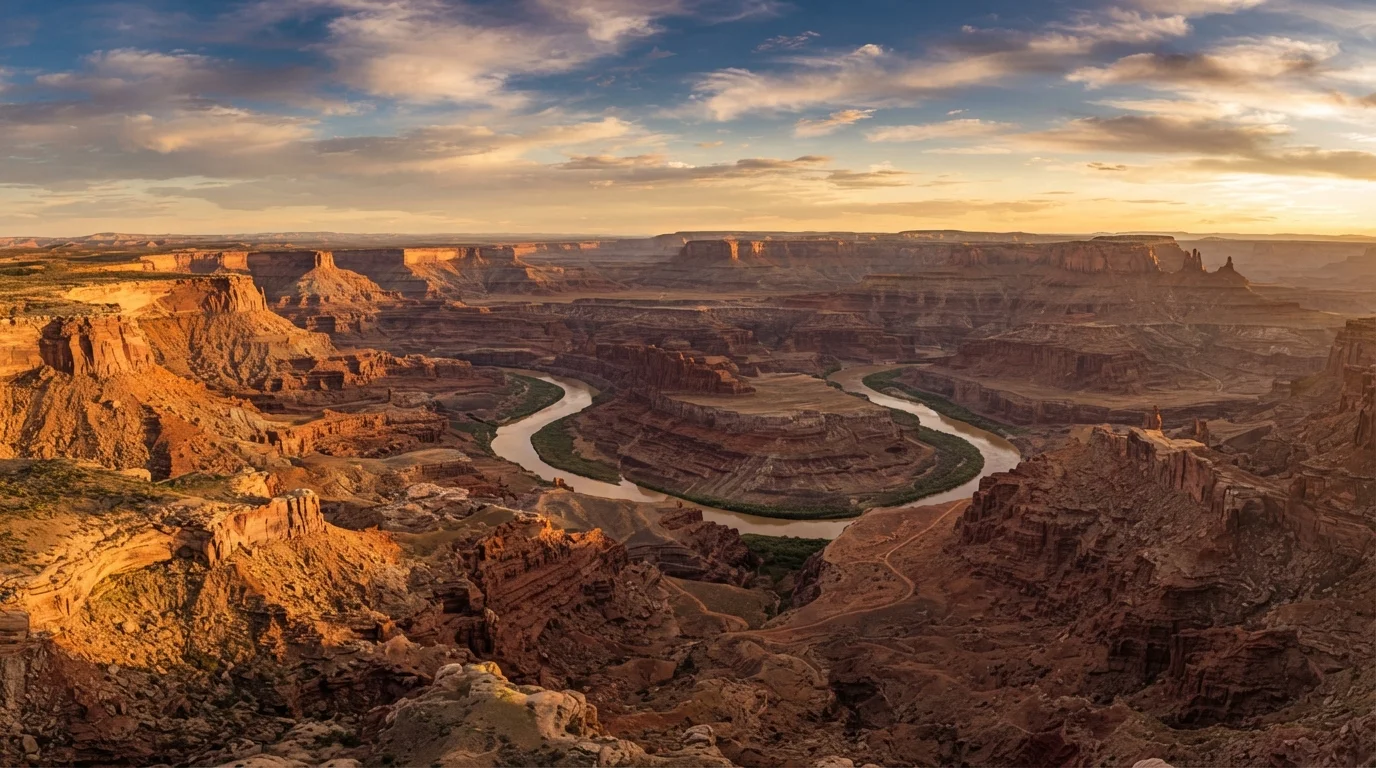
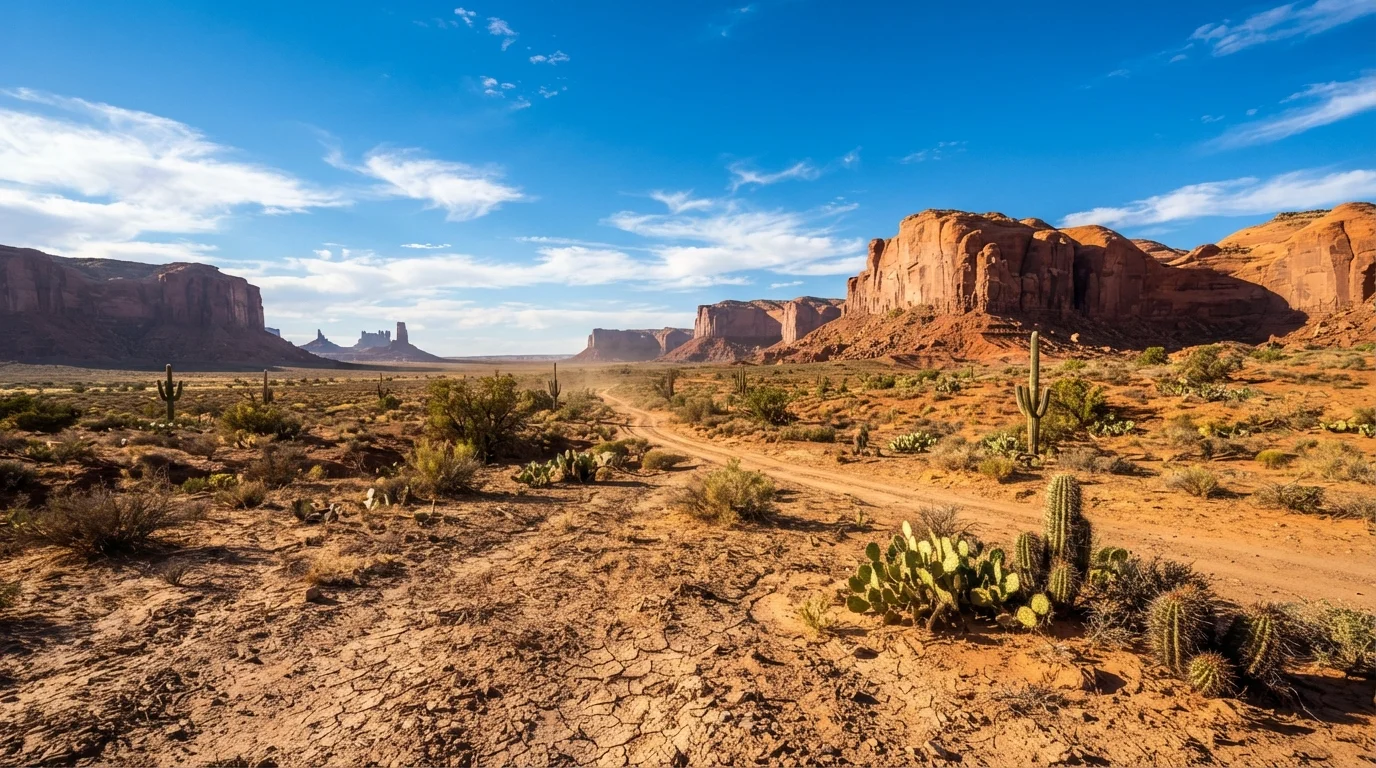
American deserts are some of the most spectacular landscapes on the planet — think Joshua trees silhouetted at dusk, towering saguaro cacti in the Sonoran, or the alien salt flats of the Great Basin. But these environments are also genuinely hazardous, and they don't forgive poor planning the way a beach vacation might. Temperatures in the Mojave can exceed 120°F (49°C) in summer, and exposed terrain means that shade, water, and help may all be hours away.
This checklist is designed to help everyday travelers — not just hardcore backpackers — prepare for a visit to any US desert environment. Whether you're day-hiking in Saguaro National Park, driving through Death Valley, or exploring Red Rock Canyon, these steps apply. Use it alongside our pre-departure checklist to make sure the basics are covered before you even leave home.
Heat-Related Illness Is a Medical Emergency
Heat stroke — characterized by a high body temperature, confusion, and hot dry skin — can develop rapidly in desert conditions and is life-threatening. If someone shows signs of heat stroke, move them to shade, cool them down with any available water, and call 911 or emergency services immediately. Do not wait to see if symptoms improve on their own.
What You'll Need: Essential Tools and Gear
Before running through the checklist itself, gather your equipment. Desert travel demands specific gear that you may not already own. Below are the key items to have on hand — many can be sourced from outdoor recreation or general retail stores.
Insulated water bottles or hydration reservoir
Keeps water cooler longer and makes it easier to maintain consistent drinking during strenuous activity.
Offline navigation app with downloaded maps
Provides turn-by-turn trail and road navigation when cell coverage is unavailable.
Satellite communicator (e.g., personal locator beacon)
Allows you to call for emergency help or send location updates from areas with no cell signal.
Wide-brimmed sun hat and UV sunglasses
Reduces direct sun exposure on your face, neck, and eyes during exposed desert hiking.
Electrolyte packets or sports drink mix
Replenishes sodium and minerals lost through heavy sweating in high-heat environments.
Sturdy, broken-in hiking footwear
Protects feet from rocky, uneven terrain and reduces blister risk on long desert walks.
Basic first aid kit
Covers blisters, cuts, minor sprains, and insect stings — common minor injuries in desert terrain.
Emergency space blanket
Provides insulation if temperatures drop sharply overnight and can double as a sun shade in an emergency.
The Desert Readiness Checklist
Work through each group below before your trip. Items marked must are non-negotiable for your safety. Should items are strongly recommended for most visitors, and nice-to-have items add comfort or contingency. Conditions vary by season, elevation, and specific desert — always check current conditions with the relevant National Park Service or land management agency website before you go.
Planning to visit a national park? Our guide to what to expect at each type of US national park can help you understand what the ranger stations, facilities, and trail infrastructure will actually look like on the ground.
Timing and Itinerary Planning
Hydration and Nutrition
Sun and Heat Protection
Navigation and Communication
Don't Rely on Assumed Cell Coverage
Large sections of the Mojave, Great Basin, and Sonoran deserts have no cell service at all. GPS apps may still function offline, but you cannot count on calling for help with a standard smartphone. Always carry a backup communication plan — and tell someone your itinerary before you lose signal.
Summer Visits Carry the Highest Risk
Peak summer months (June through August) bring the most extreme heat to US desert regions. Some areas, including Death Valley, actively advise visitors to avoid hiking during daylight hours in summer. Consider visiting in spring (March–May) or fall (September–October) for a far more manageable experience.
Getting Your Vehicle Ready for Desert Conditions
Your car is your lifeline in remote desert terrain. Breakdowns that would be a minor inconvenience near a city can become genuine emergencies when the nearest town is 50 miles away and the temperature is triple digits. Check your coolant, tire pressure, and battery before departure — heat accelerates wear on all three. Our seasonal vehicle preparation checklist walks through exactly what to inspect before driving in extreme summer heat.
Carry extra water in your car — not just for drinking during hikes, but in case your vehicle overheats. A gallon per person per day is the general guidance for consumption, but having additional water in the trunk provides a genuine safety buffer if plans change.
This article is for general informational purposes only. Always verify current conditions, closures, and safety advisories with official sources such as the National Park Service or relevant land management agencies before visiting any desert area. In a medical emergency, call 911 or contact park emergency services immediately.