
Why Alaska Gets Misread as a Destination
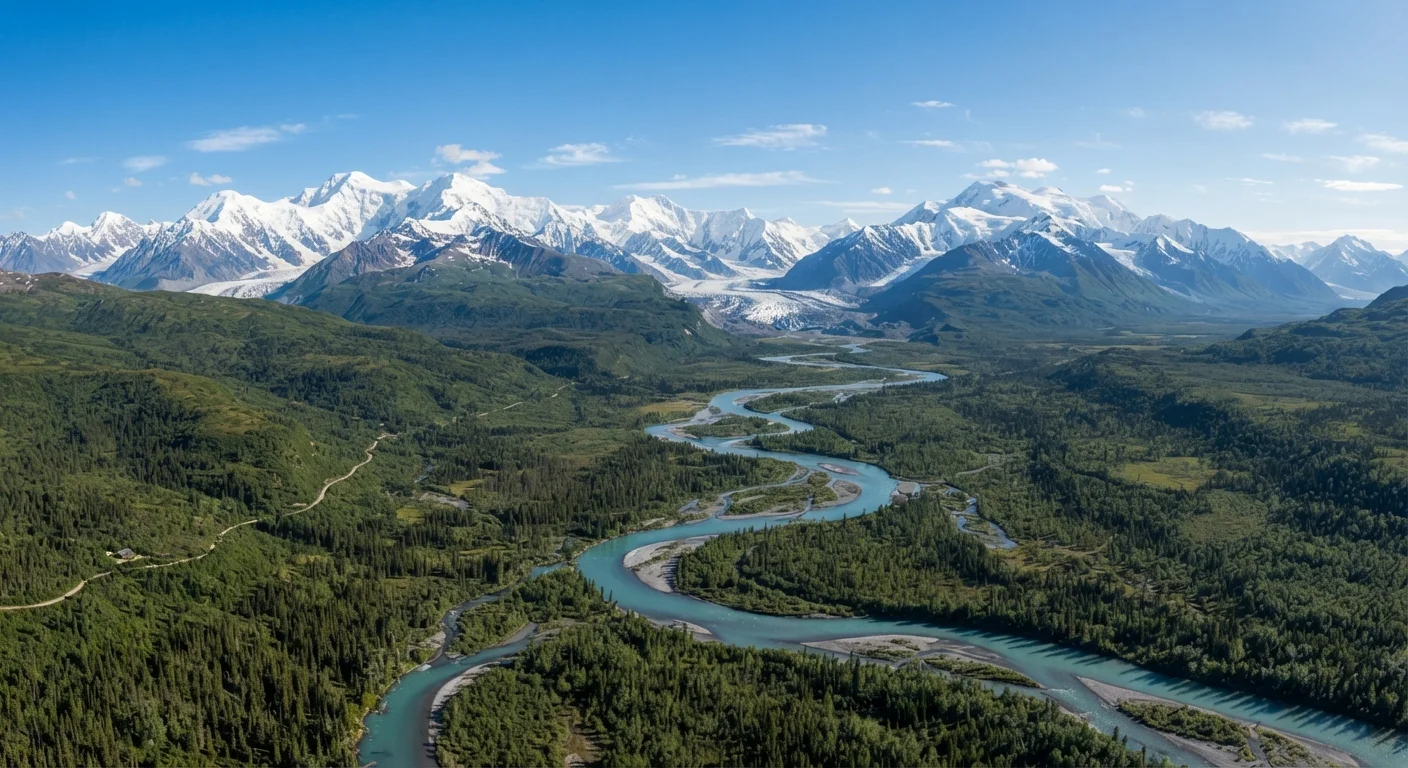
Alaska occupies a mythic place in the American imagination — a frozen frontier only for hardcore adventurers with expedition budgets and wilderness survival training. That reputation, while rooted in Alaska's genuinely dramatic geography, sends a lot of would-be visitors in a different direction entirely. The reality is that Alaska is a diverse, accessible, and surprisingly visitor-friendly state that rewards a much wider range of travelers than most people assume.
Getting your expectations aligned with reality is the first step to planning a trip that actually works. As with many big-ticket destinations, misconceptions do real damage — they either push travelers away entirely or lead to poorly planned itineraries. For a parallel look at how myth-driven planning affects other kinds of travel, see common myths about traveling on a tight budget.
Myth
Alaska is only worth visiting in the summer when the weather is warm and daylight is plentiful.
Fact
Alaska offers distinct and worthwhile experiences in every season, including fall, winter, and spring.
Summer is the most popular season, and for good reason — long daylight hours, accessible hiking, and active wildlife viewing make it ideal for many travelers. But winter in Fairbanks and interior Alaska is prime territory for northern lights viewing, dog sledding, and a genuinely different kind of wilderness experience. Fall foliage along the Parks Highway rivals New England color in intensity. Each season comes with trade-offs in daylight, temperature, and service availability, but none of them make Alaska a dead zone for visitors.
Myth
You need serious wilderness survival skills to visit Alaska safely.
Fact
Most Alaska visitors travel through well-developed gateway cities and established parks with full visitor infrastructure.
Anchorage is a modern city of roughly 300,000 people with all the amenities of any comparable US metro — hospitals, restaurants, hotels, and public transit. Denali National Park has a visitor center, ranger-led programs, and established bus tours into the park's interior. Glacier cruises in Kenai Fjords National Park run on scheduled departures with guides on board. Backcountry expeditions absolutely exist and do require preparation, but they represent one end of a very broad spectrum. Most Alaska trips look a lot more like a well-organized national park visit than a survival challenge.
Myth
Alaska is prohibitively expensive and out of reach for travelers on a moderate budget.
Fact
Alaska travel costs vary widely depending on timing, accommodation type, and how you structure your itinerary.
Alaska has a reputation for high prices, and some of that is accurate — particularly for fly-in lodges, cruise add-ons, and peak summer bookings. But budget-conscious travelers have real options: camping in state parks, staying in Anchorage or Fairbanks rather than remote lodges, renting a car and driving the accessible highway system, and booking shoulder-season travel when rates drop. State ferry routes through Southeast Alaska offer a scenic and relatively affordable alternative to cruises. The misconception that Alaska requires a luxury budget keeps many middle-income travelers from exploring what's genuinely achievable with thoughtful planning.
Myth
The northern lights are visible every night in Alaska during winter.
Fact
Aurora visibility depends on solar activity, cloud cover, and light pollution — sightings are never guaranteed.
Interior Alaska, particularly around Fairbanks, sits within the auroral oval and is one of the most reliably productive places in North America to watch for northern lights. But clouds frequently obscure the sky, and solar activity fluctuates on its own cycle. Multi-night stays significantly improve the odds. Travelers who build a single night into an itinerary and expect a guaranteed show often come away disappointed. The aurora is a highlight worth planning around — just with realistic expectations and enough flexibility to wait for the right conditions.
Myth
Americans need a passport to visit Alaska since it isn't connected to the contiguous US.
Fact
Alaska is a US state — American citizens need only standard domestic ID to travel there by air.
This misconception catches more people than you'd expect. Because Alaska is geographically separated from the rest of the country, some travelers assume international travel rules apply. They don't. Flying from Seattle, Los Angeles, or Chicago to Anchorage is a domestic flight. A REAL ID-compliant driver's license or state ID is sufficient for TSA. The one scenario where a passport comes into play is driving through Canada — the Alaska Highway runs through British Columbia and Yukon, so road travelers crossing the border need standard cross-border documentation. But flying is purely domestic.
Planning a Realistic Alaska Trip
Once you've cleared away the misconceptions, the practical planning gets much more manageable. Alaska's gateway cities — Anchorage, Fairbanks, and Juneau — have airports with regular service from major US hubs, rental car availability, hotels across price ranges, and established tour infrastructure. You don't need a custom expedition company to see Denali, take a glacier hike, or spot wildlife along the Kenai Peninsula.
663,268 sq mi
Total area of Alaska
Alaska is the largest US state by area — roughly 2.5 times the size of Texas — which makes internal transportation planning especially important for visitors.
~2.3 million
Annual visitors to Denali National Park area
According to the National Park Service, Denali draws substantial annual visitation, reflecting its standing as Alaska's most accessible major wilderness destination.
8 hours
Drive time: Anchorage to Fairbanks
The Parks Highway connecting Alaska's two largest cities covers approximately 360 miles — a reminder that distances inside Alaska require deliberate itinerary planning.
Timing shapes the experience significantly. Summer (June through August) offers the longest days and the widest access to trails, parks, and boat tours. Fall brings vivid foliage and thinner crowds. Winter opens up dog sledding, ice fishing, and the best statistical window for northern lights viewing in interior Alaska. Spring is the shoulder season — quieter and sometimes more affordable, though some services operate on reduced schedules.
Transportation logistics inside Alaska deserve real attention. The state is enormous — driving from Anchorage to Fairbanks takes roughly eight hours on a single highway. Inter-destination planning matters here in the same way it does for island-based trips; first-time visitors to Hawaii underestimate inter-island logistics in a comparable way. Build realistic travel time into any Alaska itinerary, and consider whether a fly-in option makes sense for remote destinations like Katmai or the Brooks Range.
Alaska also rewards the kind of thoughtful destination research that applies to any less-traveled place. For travelers who enjoy going beyond the obvious, urban vs. rural travel trade-offs are worth understanding before committing to a remote lodge versus a city-based itinerary.
Verify Entry and Safety Information Before You Go
Road conditions, park access, border crossing rules, and seasonal service availability in Alaska can change. Before traveling, check current conditions with the Alaska Department of Transportation, the National Park Service, and US Customs and Border Protection (if driving through Canada). Don't rely on outdated blog posts or general travel guides for rules that may have changed.