
How Your Brakes Actually Work
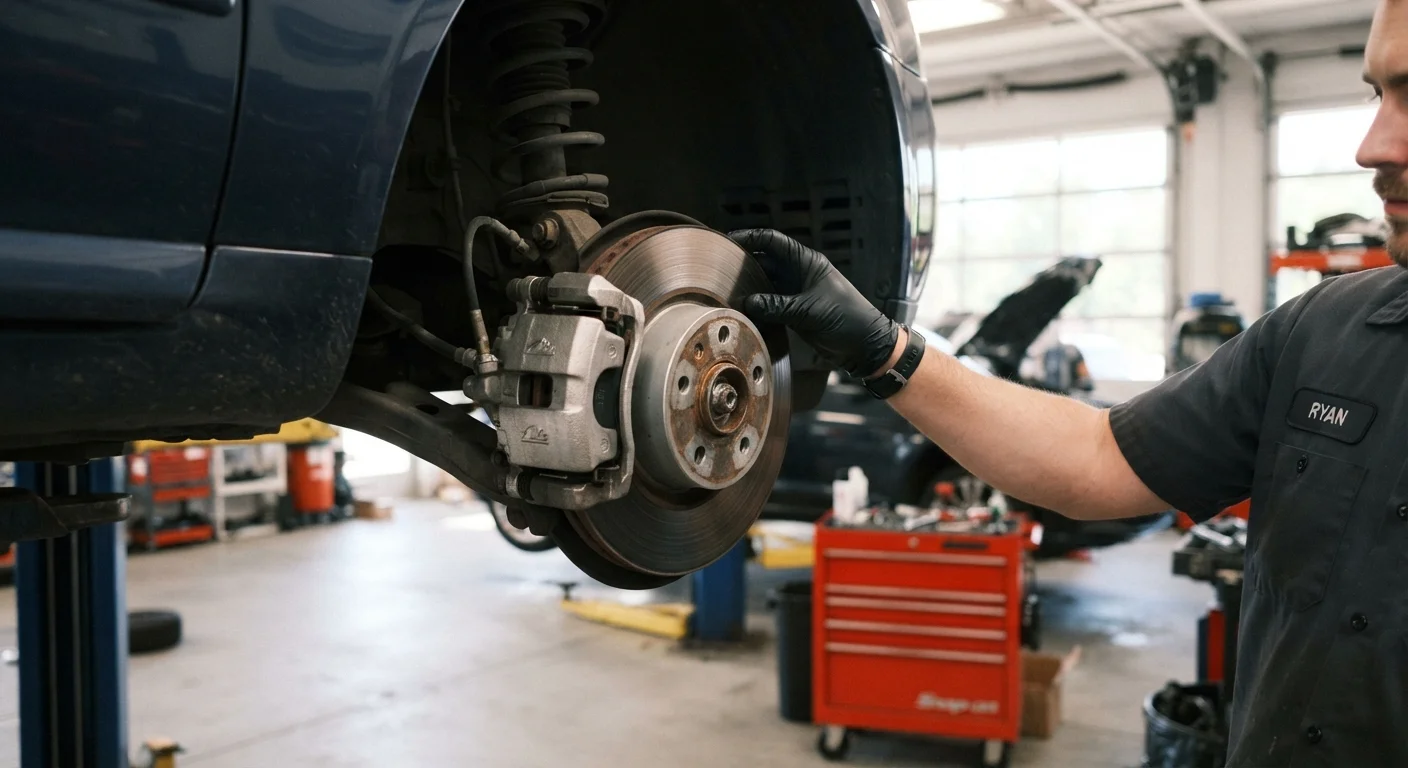
Most modern vehicles use a hydraulic disc brake system on at least the front wheels. When you press the brake pedal, it compresses brake fluid inside the master cylinder. That pressurized fluid travels through brake lines to each wheel's caliper - a clamp-like device that squeezes brake pads against a spinning metal disc called a rotor. Friction between the pads and rotor converts the vehicle's kinetic energy into heat, slowing the wheel.
Some vehicles - particularly on rear axles of older or economy models - use drum brakes, where curved brake shoes press outward against the inside of a drum. The operating principle is similar, but the components differ. Understanding which system your vehicle uses is a useful starting point.
Brake pad
A friction material bonded to a metal backing plate that presses against the rotor to slow the wheel. It is a wear item designed to be replaced periodically.
Rotor (disc)
The flat metal disc that spins with the wheel. Brake pads clamp against its surface to generate the friction that stops the vehicle.
Caliper
A hydraulic clamp mounted over the rotor that squeezes the brake pads inward when the pedal is pressed.
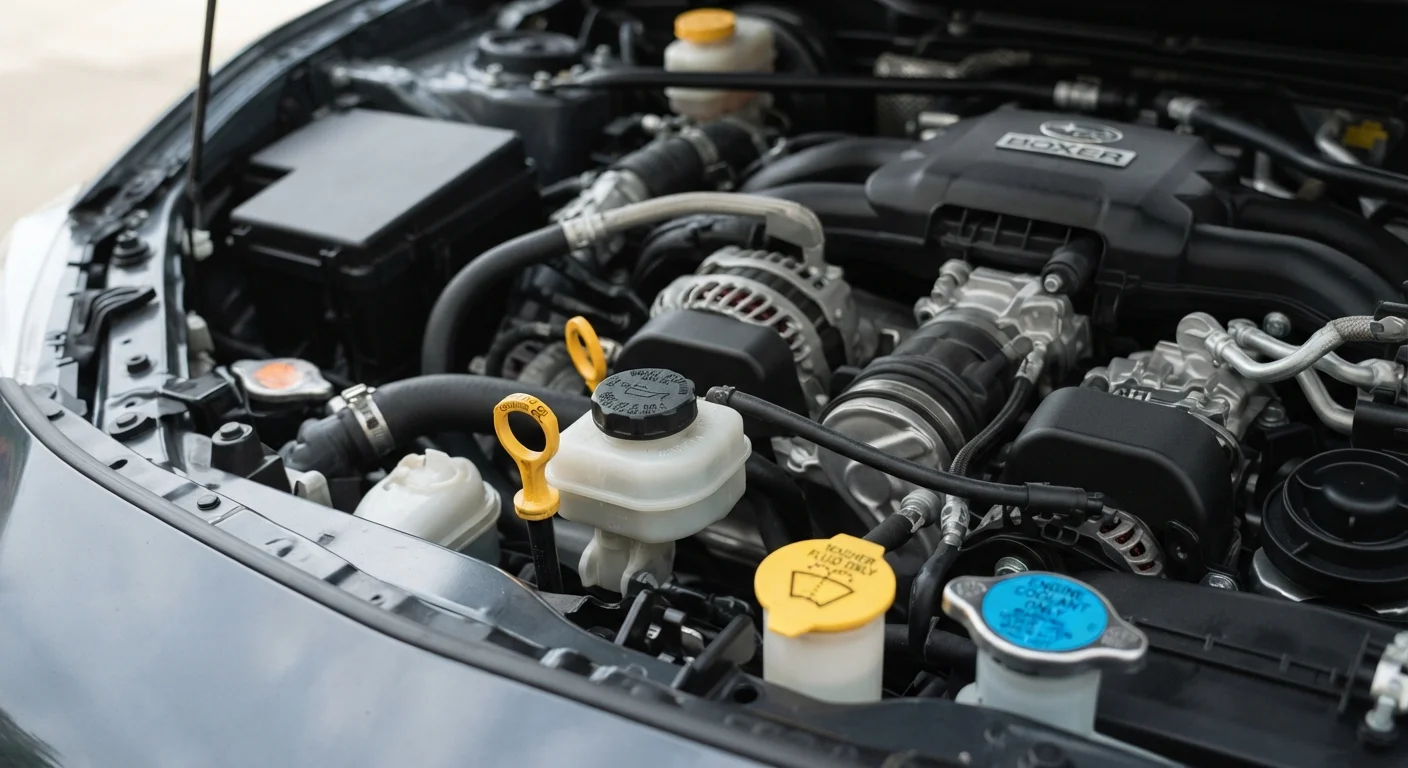
Brake fluid
A hydraulic liquid that transmits pedal force through the brake lines to the calipers. It must be maintained within a safe range and replaced when degraded.
Brake fade
A reduction in braking power caused by overheated brake fluid or pads, most often experienced on long descents or after repeated hard stops.
Wear indicator
A small metal tab built into brake pads that contacts the rotor and produces a squealing sound when the pad material is nearly depleted.
Because this system depends on consistent hydraulic pressure, the condition of your brake fluid matters as much as the pads and rotors themselves.
How Brake Components Wear Over Time
Brake pads are designed as a sacrificial component - they are meant to wear down so the rotor is protected. Most pads include a thin metal indicator tab that begins to contact the rotor when material is running low, producing the characteristic squeal many drivers recognize.
Rotors also wear gradually and can develop surface grooves from embedded debris or uneven contact. They have a minimum thickness specification; once worn past that threshold, they must be replaced rather than resurfaced. Severely worn or warped rotors are a common cause of pedal vibration during braking.
Brake fluid degrades differently. It is hygroscopic - it absorbs moisture from the air over time. Moisture lowers the fluid's boiling point, which in high-heat braking situations can cause the fluid to vaporize inside the lines, dramatically reducing pedal effectiveness. This is sometimes called brake fade. For a broader look at how this fits into your overall service schedule, see routine maintenance your car needs and when.
Warning Signs Every Driver Should Recognize
Your brakes communicate problems through sound, feel, and feedback. Knowing what to look - and listen - for is one of the most practical skills a driver can develop.
- Squealing or high-pitched squeaking: Often the wear indicator contacting the rotor. Persistent squealing warrants inspection.
- Grinding or metallic scraping: Usually means pads are fully worn and metal is contacting metal. This damages rotors and reduces stopping power. Seek service promptly.
- Pulling to one side: Uneven braking force, often caused by a stuck caliper or uneven pad wear, that affects directional control.
- Soft or spongy pedal: The pedal travels further than usual before brakes engage, often indicating air in the brake lines or low fluid.
- Pedal vibration: A pulsing sensation underfoot during braking typically points to warped or unevenly worn rotors.
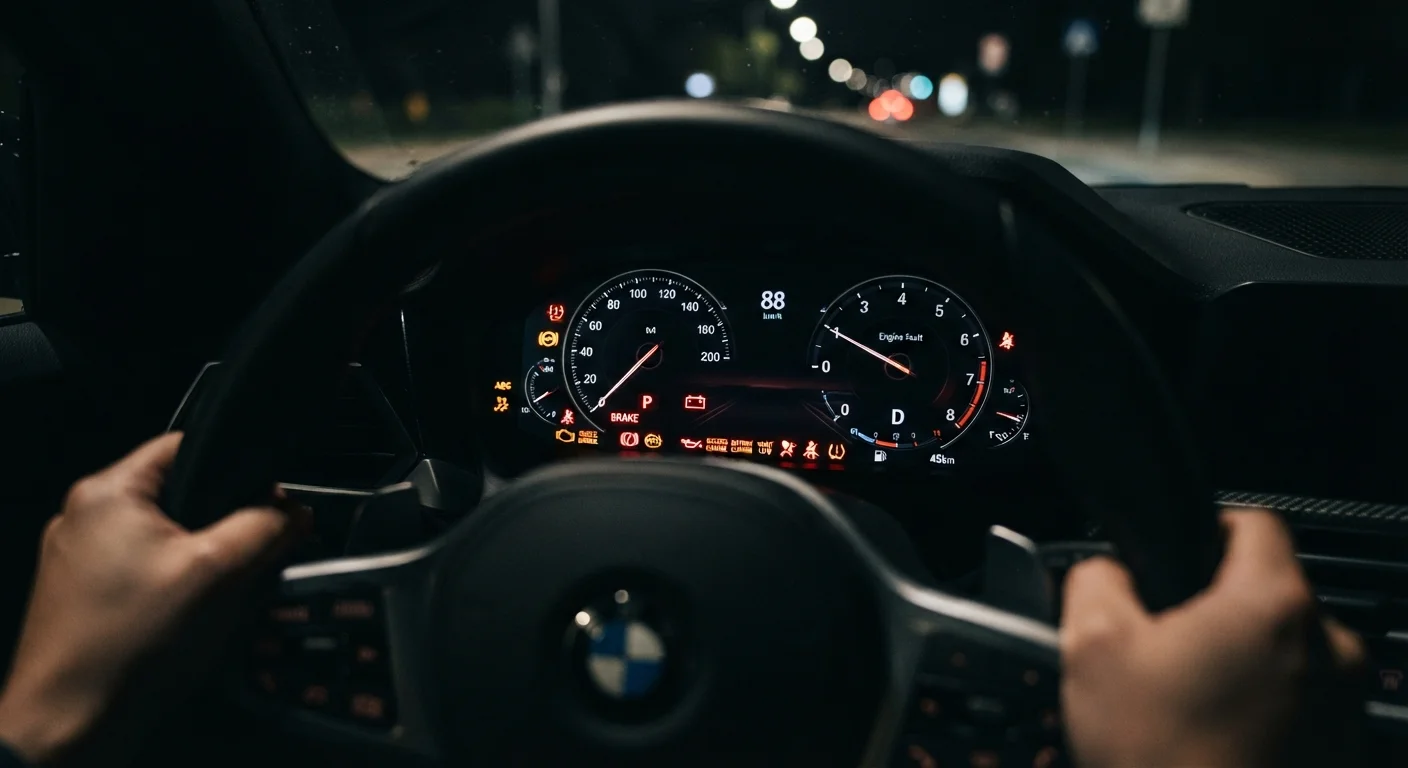
- Brake warning light: Dashboard indicators can signal low fluid, a system fault, or the parking brake being engaged. See warning lights on your dashboard for what each signal means.
Grinding Brakes Are a Safety Emergency
If you hear a consistent metallic grinding when braking, the pad material is likely gone and metal components are contacting each other. This significantly impairs stopping ability and damages rotors rapidly. Avoid aggressive driving and have the vehicle inspected by a mechanic as soon as possible - do not delay service.
Because braking performance directly affects stopping distance, any noticeable change in how your brakes feel or sound deserves immediate attention. The science behind stopping distance explains why even modest brake degradation can meaningfully extend the distance you need to stop.
When to See a Qualified Mechanic
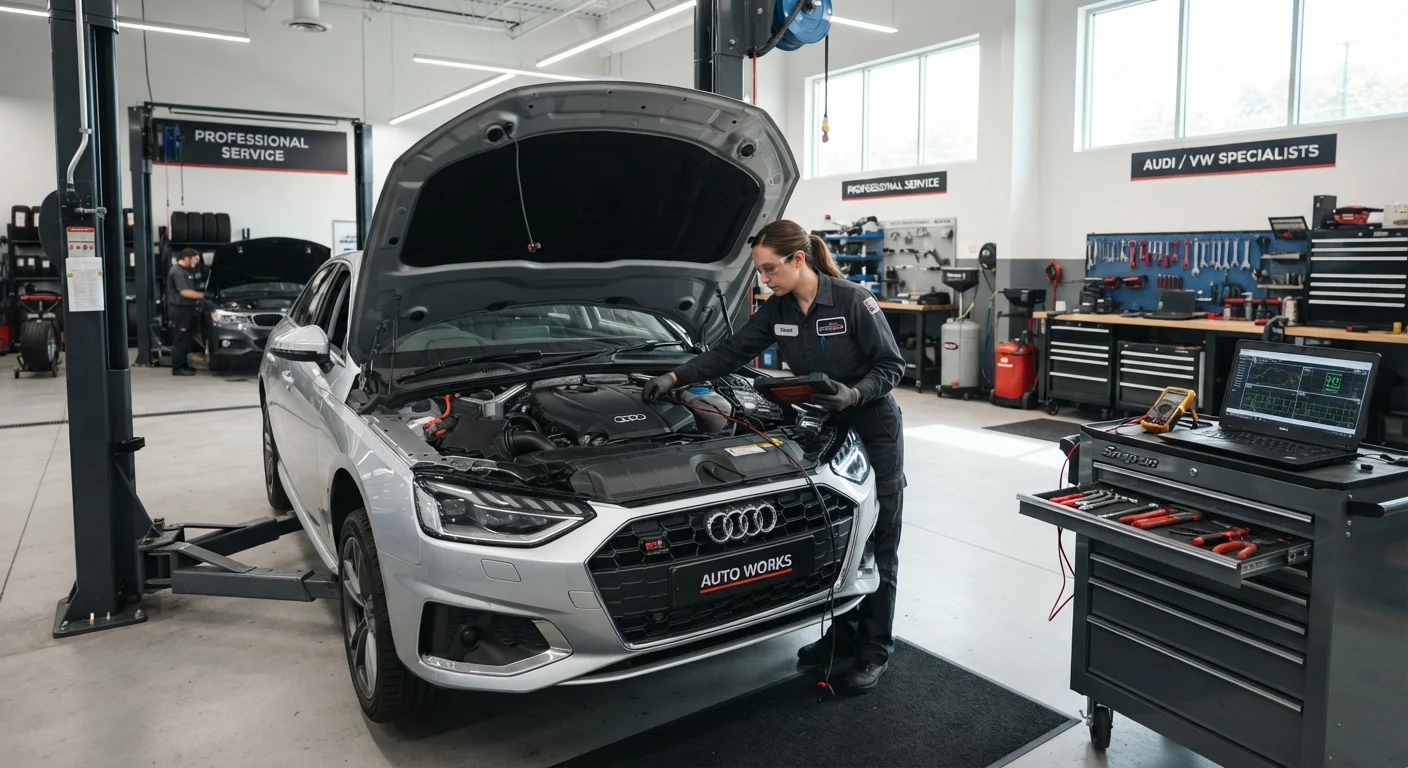
Brake service falls firmly into the category of work that requires professional evaluation. While a driver can observe warning signs and perform a basic visual peek through wheel spokes, a proper inspection involves lifting the vehicle, measuring rotor thickness with a micrometer, checking caliper function, inspecting brake lines for corrosion or leaks, and assessing hardware condition.
Ask for a Brake Inspection During Tire Service
Many shops can inspect brake components while tires are already off the vehicle during a rotation. Combining services saves time and gives the technician a clear view of caliper, rotor, and pad condition without an additional lift charge. Build this into your regular service visits.
As a general guideline, many manufacturers recommend having brakes inspected at least once a year or at every tire rotation - whichever comes first. If you are unsure what your vehicle's schedule calls for, your car's maintenance schedule explained breaks down what each service interval means. When choosing a shop, taking your car to a new mechanic offers useful guidance on what to ask and what to expect.
For a broader look at which tasks are safe to handle yourself versus which carry real risk, see DIY car maintenance tasks and the ones best left to a mechanic.
Everyday Habits That Help Your Brakes Last
How you drive has a direct and measurable effect on brake longevity. A few consistent habits can reduce wear without compromising safety.
- Increase following distance: More space ahead means you can decelerate gradually rather than brake hard. Engine braking - releasing the throttle early - does much of the work before the pads ever engage.
- Avoid riding the brakes on descents: On long downhill grades, use a lower gear to manage speed rather than applying sustained brake pressure, which generates heat and accelerates wear.
- Come to a complete stop gently: The final few feet before stopping create disproportionate rotor wear. Easing off brake pressure just before coming to rest reduces that stress.
- Keep tire pressure correct: Proper inflation affects how evenly braking force is distributed. Tire pressure affects more than fuel economy - including braking stability.
Including a quick brake check in your pre-trip vehicle safety check - listening for unusual sounds when you first apply the pedal - is a simple habit that costs nothing and catches problems early.