
Why Preparation Makes All the Difference
Switching to a new mechanic — whether you've moved, your old shop closed, or you simply want a fresh start — can feel uncertain. You're trusting a stranger with one of your most valuable assets. But most of that uncertainty dissolves with a little preparation. Walking into a new shop equipped with the right documents, the right questions, and a clear sense of what to expect puts you in a far stronger position.
Part of being a confident car owner is understanding that the relationship between driver and mechanic is a professional one that works best with transparency on both sides. For a broader look at what ongoing vehicle ownership involves, see our guide on everything involved in owning a car long-term.
What you will need
How to Evaluate and Work With Your New Shop
Once you've gathered your documents and done basic background research — checking reviews, confirming ASE (Automotive Service Excellence) technician certification, and verifying the shop is properly licensed — it's time for your first visit. Use it as much to evaluate the shop as to get your car serviced.
First Impressions Tell You a Lot
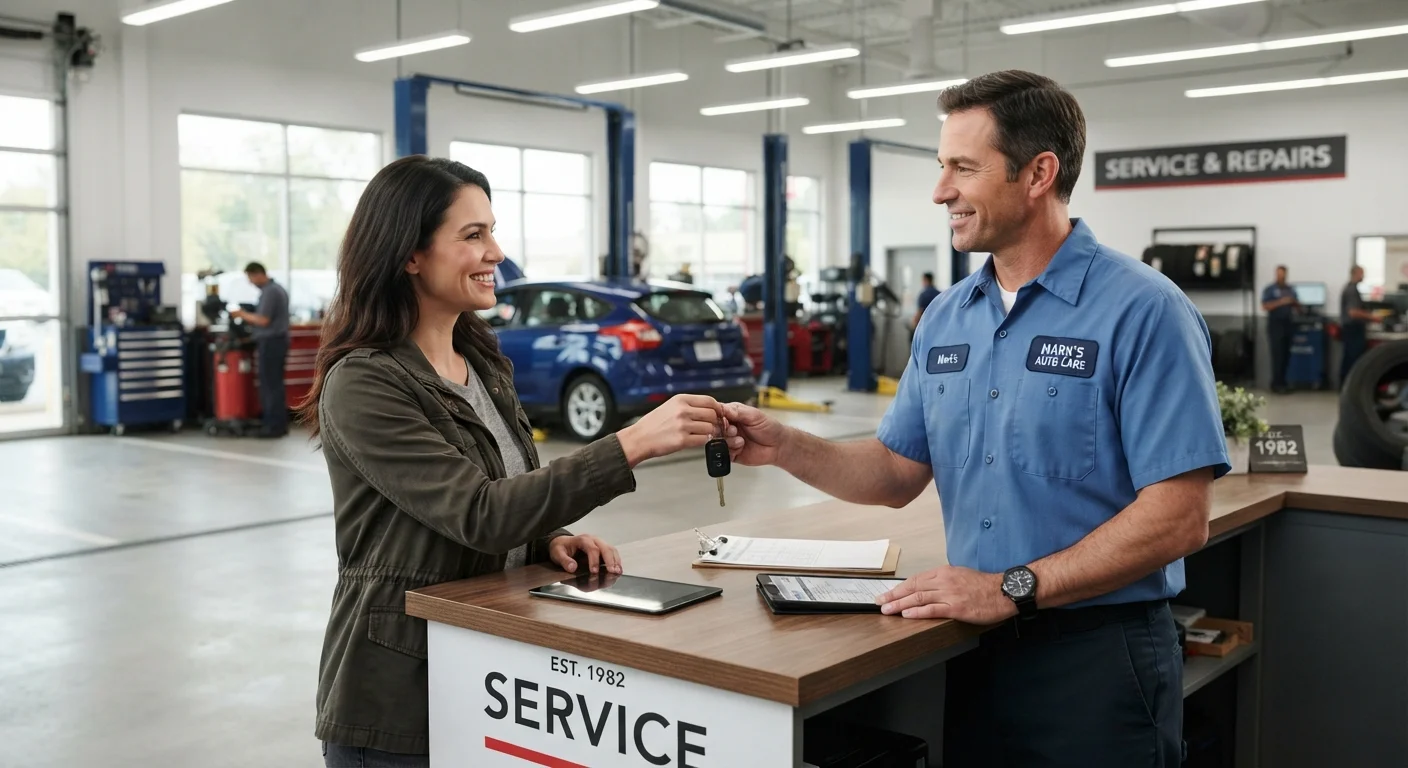
When you walk into a new shop, observe how the staff treats walk-in customers and whether the workspace appears organized. A clean, orderly service area and a front desk that doesn't keep customers waiting without acknowledgment are both positive indicators. Trust your instincts — if the communication style feels evasive or high-pressure from the start, it's reasonable to look elsewhere.
Pay attention to how the service advisor communicates. A good shop will explain what was found, why a repair is recommended, and what happens if you defer it — without resorting to scare tactics or vague warnings. If you're ever unsure whether a recommended repair is genuinely necessary, you're entitled to a second opinion.
Understanding your car's scheduled service intervals is also essential when working with any mechanic. Our maintenance schedule explainer can help you decode the milestones in your owner's manual so you're never caught off guard by a recommendation.
Gather your service records before the appointment
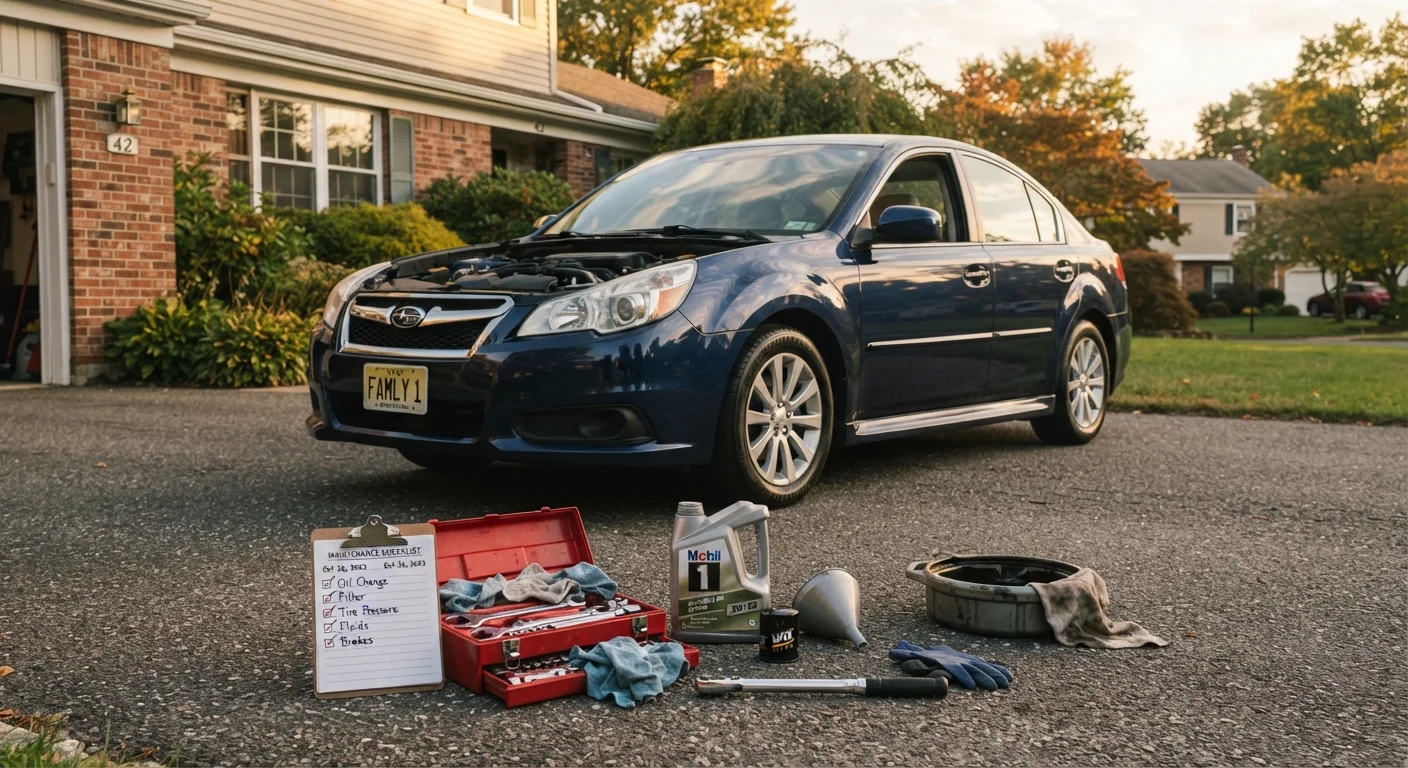
Collect any invoices, receipts, or logs from previous maintenance visits. These tell a new mechanic what has already been done — oil changes, tire rotations, brake work, fluid flushes — and when. If you don't have paper records, check your email for digital receipts from prior shops. A complete history prevents duplicate work and flags anything that may be overdue. For a reference on standard service intervals, see routine maintenance your car needs and when.
Research the shop before your visit
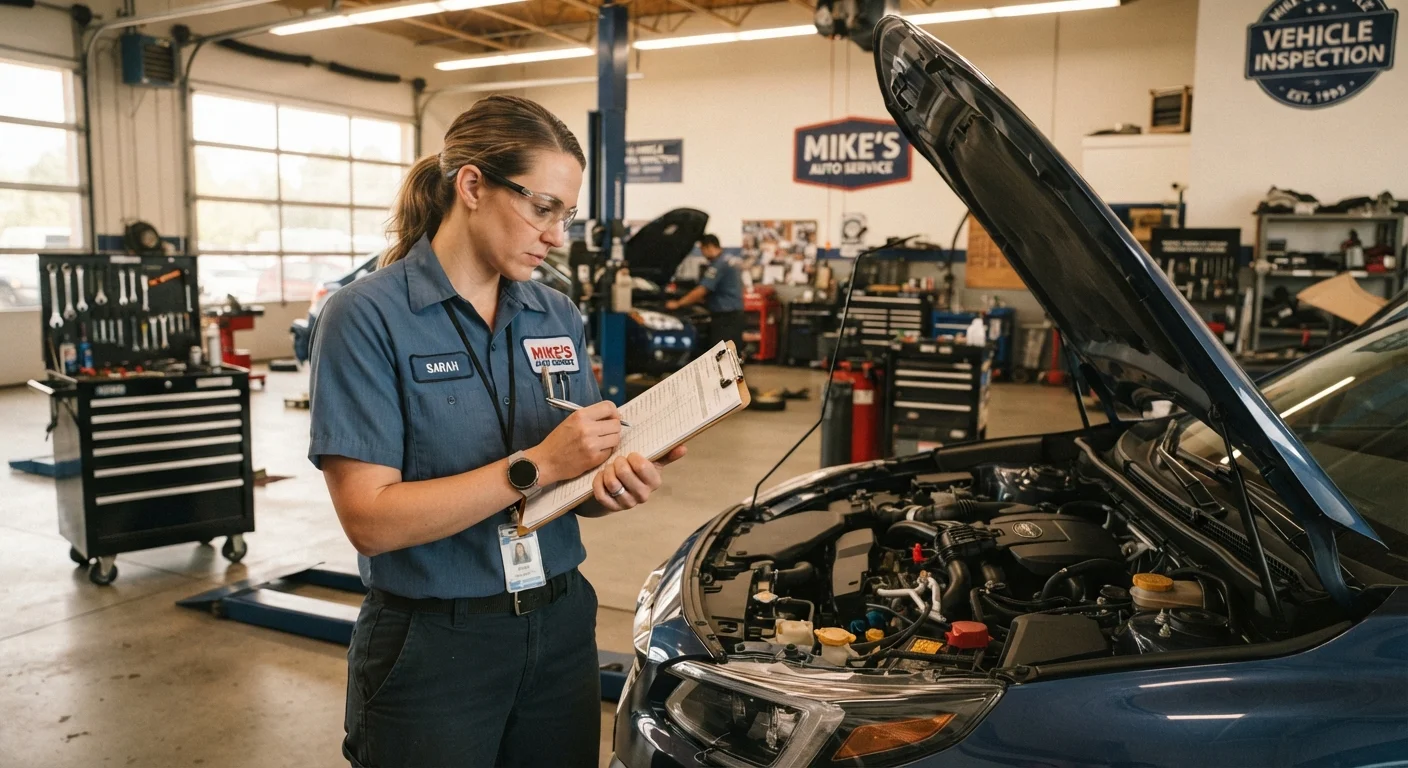
Look for shops that employ ASE-certified technicians, which indicates that individual mechanics have met standardized competency requirements. Check online reviews for patterns — consistent praise for honest communication or recurring complaints about surprise charges carry more weight than isolated comments. If the shop specializes in your vehicle's make, that can be an advantage for complex or brand-specific repairs.
Ask the right questions at drop-off
Before leaving your car, ask the service advisor the following:
- What is the diagnostic fee, and will it apply toward the repair cost?
- Do you provide written estimates before starting any work?
- What is the labor rate?
- Do repairs come with a parts-and-labor warranty, and if so, for how long?
A reputable shop will answer these questions directly and without hesitation.
Review the written estimate carefully
When the shop contacts you with findings, ask for a written or emailed estimate that itemizes parts and labor separately. Compare the listed parts against your service records to verify nothing is being recommended prematurely. If brake work is suggested, for example, cross-reference with our overview of brake maintenance from a driver's perspective to understand normal wear patterns before you approve.
Authorize only what you've approved and keep your invoice
Once you've reviewed the estimate and asked any follow-up questions, authorize only the work you've agreed to. When you pick up the vehicle, review the final invoice against the estimate and ask the advisor to walk you through what was done. Keep the invoice with your other service records — it becomes part of your car's documented history and is useful if you need warranty service or want to understand what tasks you might handle yourself in the future.
Once the work is done, file the invoice with your other records. A documented service history helps future mechanics — and helps protect your vehicle's resale value. If you're ever reconsidering the car itself, our article on selling, trading in, or donating your old car walks through the trade-offs of each exit strategy.