From confirming your mise en place to calibrating oven temperature, this checklist helps you catch common prep gaps before they become problems.
Key Takeaways
Reading your recipe all the way through before starting prevents mid-cook surprises.
Confirming ingredients and quantities upfront saves last-minute grocery runs.
Preheating the oven and checking temperature accuracy helps food cook evenly and on time.
A clean, organized workspace reduces cross-contamination risk and mental clutter.
Having the right tools within reach before you start keeps momentum going during cooking.
Why a Pre-Cook Checklist Actually Matters
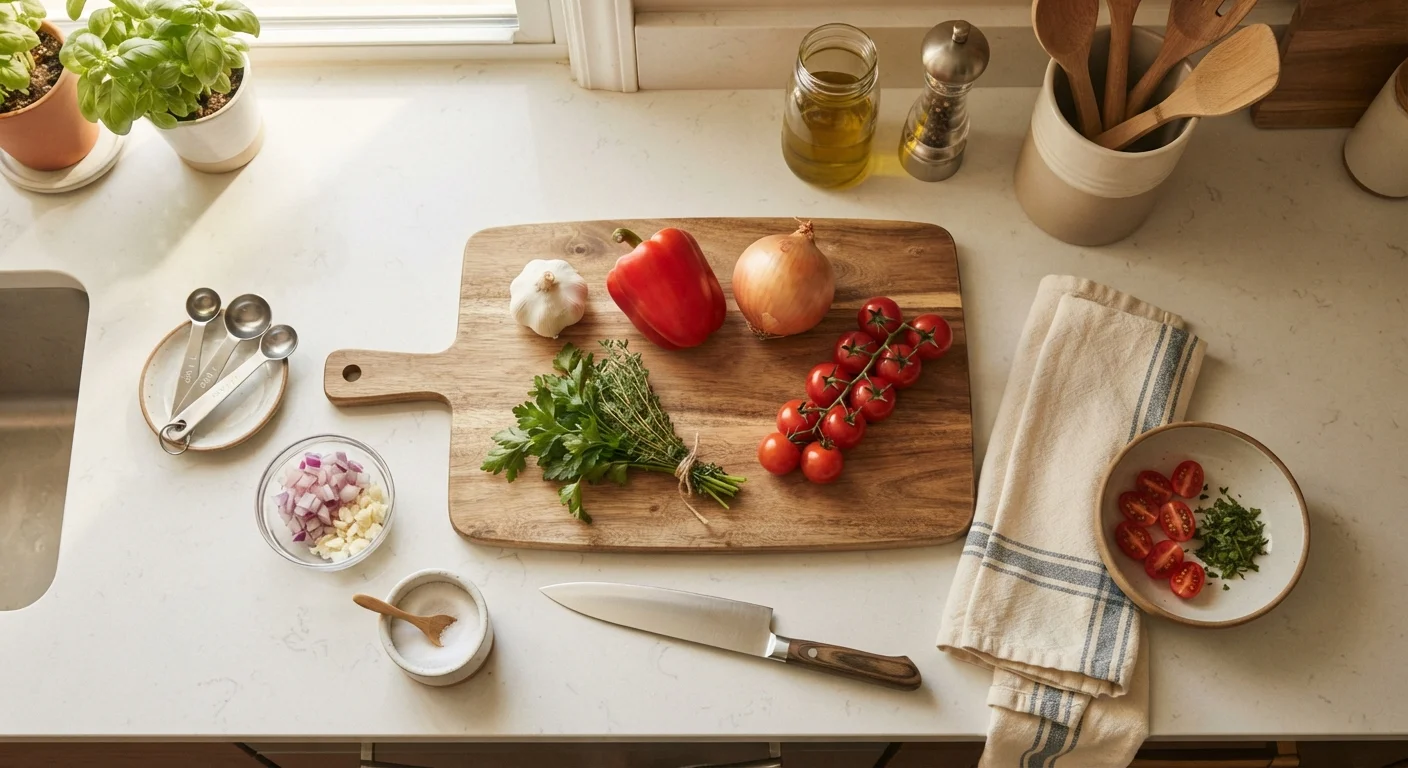
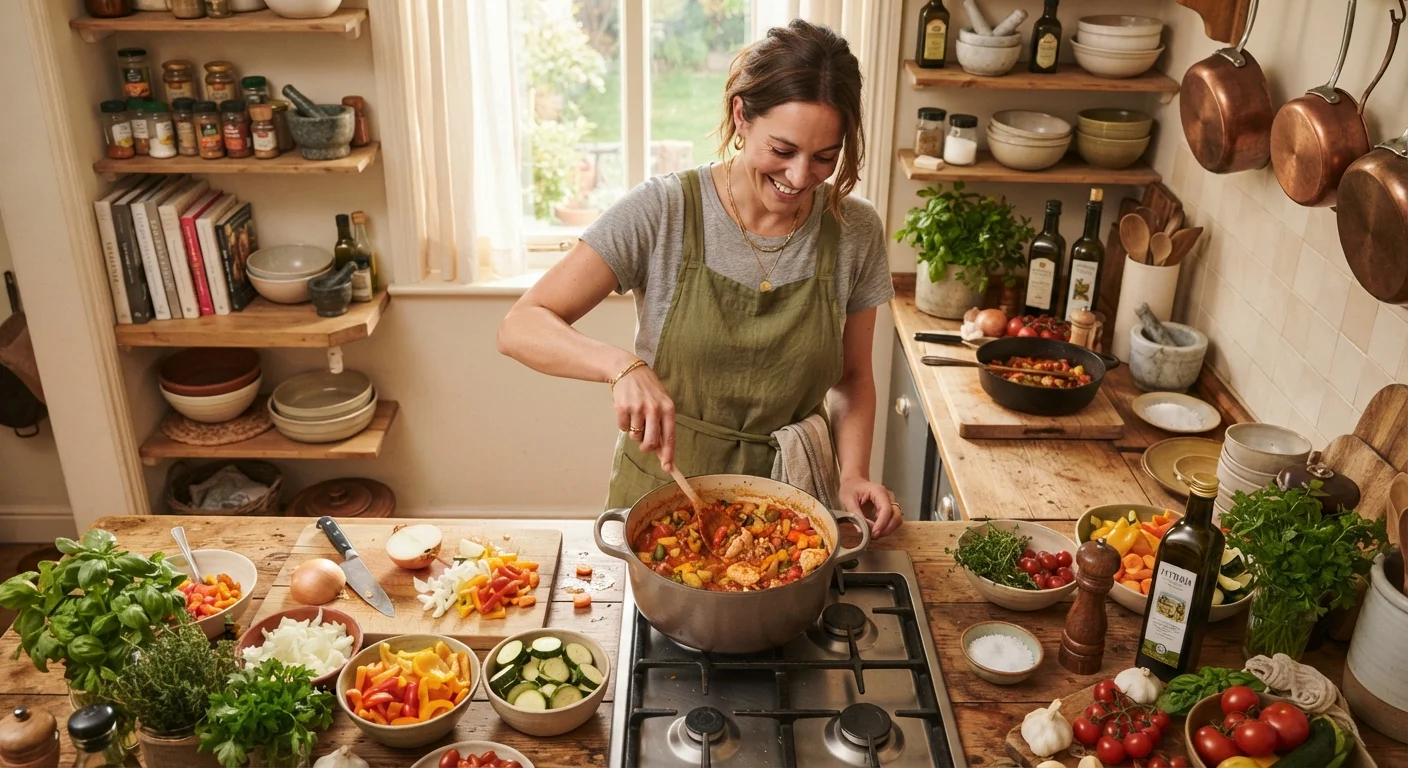
Most kitchen frustrations — the sauce that scorched while you were hunting for a lid, the roast that went in 20 minutes late because the oven wasn't on — trace back to skipped prep steps. Professional cooks call their pre-service prep mise en place (French for "everything in its place"), and the concept works just as well in a home kitchen on a Tuesday night.
This checklist walks you through the quick checks worth doing before you touch a single ingredient. None of these steps take long individually, but together they make the difference between a stressful cook and a smooth one. If you're eventually hoping to cook more freely without a recipe, solid prep habits are the foundation that makes that possible.
Recipe Review
Read the entire recipe from start to finish before doing anything else, noting timing, technique, and any steps that overlap.Must
Identify any steps that require passive time — marinating, chilling, resting, rising — so you can plan around them.Must
Flag any techniques you're unfamiliar with and look them up now, not mid-cook.Should
Ingredients & Quantities
Check that every ingredient on the recipe list is in your kitchen before you begin.Must
Measure out dry and liquid ingredients in advance so you can add them quickly without pausing to measure mid-cook.Should
Bring refrigerated ingredients like butter, eggs, or dairy to room temperature if the recipe calls for it.Should
Check expiration dates on spices, leavening agents (baking soda, baking powder), and pantry staples — old product can underperform.Should
Taste-test any key ingredient (like a new hot sauce or unfamiliar cheese) so you can adjust your recipe expectations.Nice to have
Prep Work (Mise en Place)
Wash, peel, chop, and portion all vegetables and aromatics before turning on any heat.Must
Trim, portion, or marinate proteins, and return them to the fridge until needed.Must
Measure and set out spices, herbs, and sauces in small bowls or ramekins so they're ready to add at the right moment.Should
Pre-line or grease any baking pans before mixing batters or doughs.Should
Equipment Check
Confirm you have every piece of equipment the recipe calls for — including the right size pan — before you start.Must
Place all needed tools (spatulas, tongs, ladles, timers) within arm's reach of the stove.Should
Check that your knives are reasonably sharp — dull blades are slower and more dangerous than sharp ones.Should
Set an oven thermometer inside your oven to verify its actual temperature, especially for baking.Nice to have
Workspace & Food Safety
Clear and wipe down your countertop so you have clean, open space to work in.Must
Wash your hands thoroughly before handling food.Must
Designate separate cutting boards for raw proteins and produce to prevent cross-contamination.Must
Preheat the oven, grill, or cast iron to the target temperature before you need it.Must
Set a kitchen timer or phone reminder for any passive steps — so nothing overcooks while you're distracted.Should
Do a quick stove-area safety check: clear flammable items, position pot handles inward, confirm your fire extinguisher is accessible.Must
Tools, Temperature, and Workspace Setup
Once your ingredients are confirmed and prepped, shift attention to your environment. A cluttered counter raises the odds of accidents; an oven that runs hot or cool can quietly ruin a dish you followed perfectly. These checks take two minutes and are worth every second.
Required
Oven thermometer
Verifies your oven's actual internal temperature, which often differs from the dial setting — critical for baking accuracy.
Required
Instant-read thermometer
Confirms safe internal temperatures for meat and poultry so you're not guessing doneness by color alone.
Required
Kitchen timer (or phone)
Tracks cooking and passive steps so nothing is forgotten on the heat.
Optional
Kitchen scale
Measures ingredients by weight for recipes — especially baking — where precision matters.
Optional
Ramekins or small prep bowls
Hold pre-measured spices, sauces, and small ingredients so they're ready to add without pausing.
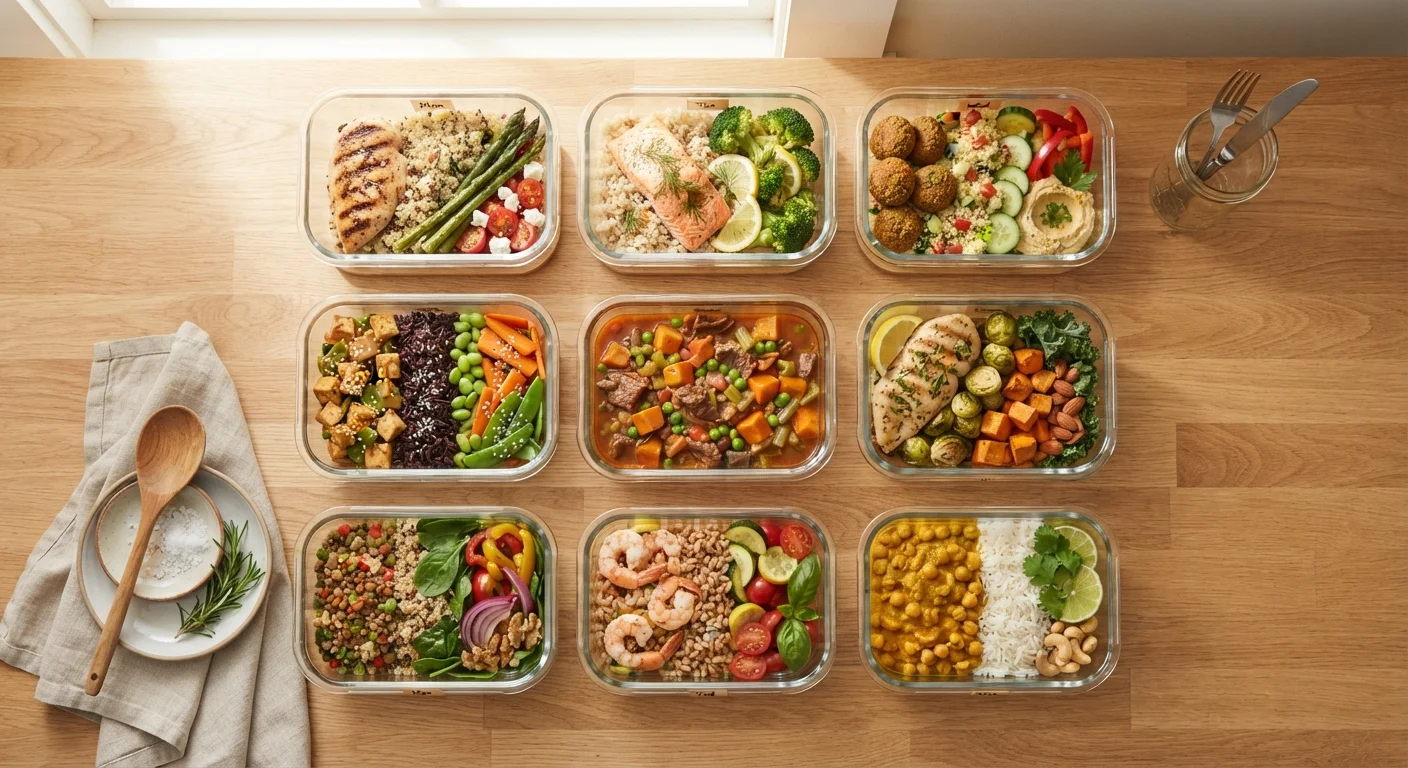
If you cook in batches or meal prep for the week ahead, a calibrated oven and a tidy station matter even more — you're often running multiple things at once, and small errors compound quickly.
Oven Temperature Varies More Than You'd Think
Many home ovens run 25–50°F hotter or cooler than the set temperature. This discrepancy is one of the most common culprits behind over-baked cookies, undercooked roasts, and uneven results. An inexpensive oven thermometer — placed on the center rack — tells you exactly what you're working with so you can adjust accordingly.
Finally, do a quick safety scan: check that pot handles aren't jutting over open burners, that flammable items (dish towels, paper bags) are away from the stove, and that you know where your fire extinguisher is. It sounds obvious, but it's easy to skip when you're hungry and in a hurry.
Food & Drink Editorial Team is the collective byline for our editorial team and contributor network. Articles published under this byline or an editorial pen name are researched, written, and reviewed according to our editorial standards for clarity, consistency, and independence before publication.
The content on this site is for informational purposes only and is not a substitute for professional advice. Always consult a qualified professional for guidance specific to your situation.