
Why Storage Habits Matter More Than You Think
Most of us learn food storage habits from watching whoever raised us — not from food science. That's fine for the basics, but a few deeply ingrained habits are quietly working against you. They're shortening the life of your produce, dulling flavors, and probably sending you back to the grocery store sooner than necessary.
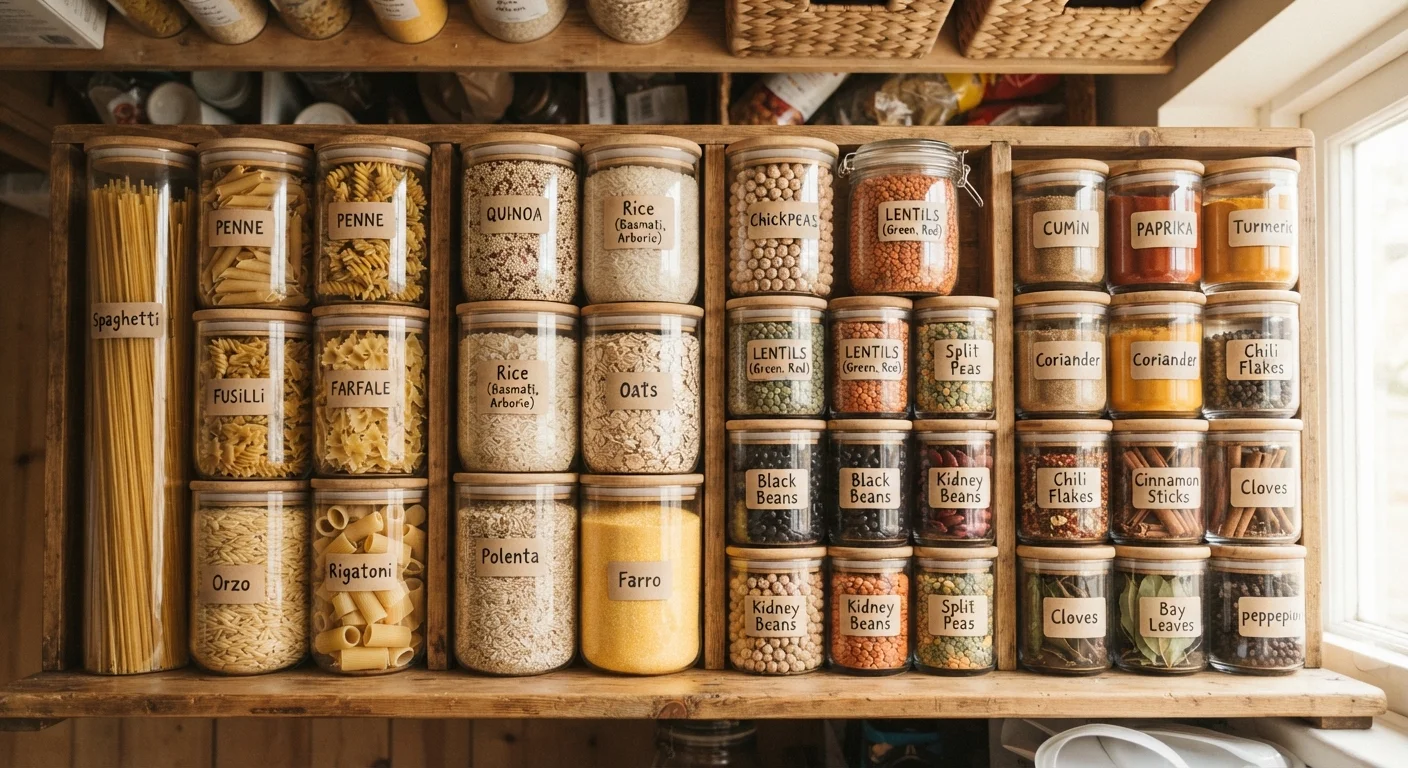
The good news: fixing these habits doesn't require new equipment or a complete kitchen overhaul. It mostly requires unlearning a handful of well-intentioned myths. If you're interested in getting more mileage out of your groceries, these corrections are a great place to start — and they pair well with a well-stocked pantry that's built to last.
Myth
Tomatoes should be stored in the refrigerator to keep them fresh longer.
Fact
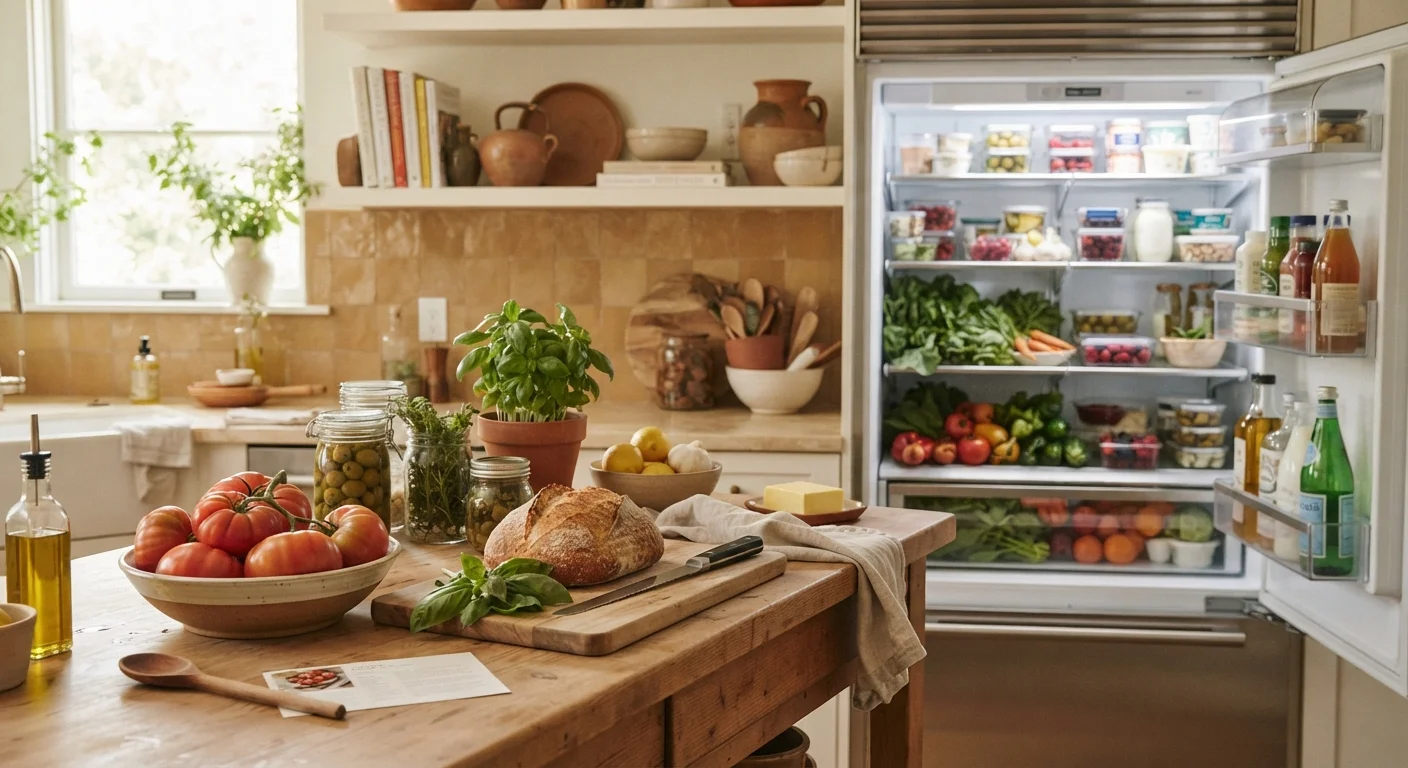
Cold temperatures break down the compounds that give tomatoes their flavor and damage their texture. Store them at room temperature, stem-side up, away from direct sunlight.
Tomatoes contain volatile aroma compounds that are highly sensitive to cold. Research from food scientists has shown that refrigeration below about 54°F inhibits the enzymes responsible for producing those compounds, resulting in a mealy texture and flat taste. Even a day or two in the fridge can dull a ripe tomato noticeably. If a tomato is fully ripe and you genuinely won't use it in time, refrigeration is a last resort — but expect a trade-off in quality.
Myth
Keeping bread in the refrigerator makes it last longer.
Fact
Refrigeration actually speeds up the staling process in bread by accelerating starch retrogradation — the process where starch molecules recrystallize and make bread go firm and dry.
Staling happens fastest at temperatures just above freezing, which is precisely the refrigerator's range. The ideal approach depends on your timeline: if you'll finish the loaf within two to three days, a cool, dry countertop in a bread box or sealed bag works well. For longer storage, the freezer is actually the better choice — freezing pauses retrogradation almost entirely. Slice before freezing so you can pull out exactly what you need.
Myth
All cooking oils should be stored in the refrigerator to prevent them from going rancid.
Fact
Most common cooking oils — like olive oil and vegetable oil — store well at cool room temperature away from heat and light. Refrigerating some oils can cause them to solidify and turn cloudy.
Rancidity is caused by oxidation, heat, and light — not simply by being at room temperature. A dark pantry or cupboard away from the stove is typically sufficient for everyday oils. Olive oil, for instance, can solidify in the fridge and becomes difficult to pour. Some less-stable oils (like walnut or flaxseed oil) do benefit from refrigeration due to their higher polyunsaturated fat content, which oxidizes more quickly. Check the label if you're unsure.
Myth
The refrigerator door is the best place to store eggs because it's convenient.
Fact
The door is the warmest, most temperature-variable spot in the fridge. Eggs keep best in the main body of the refrigerator, ideally in their original carton.
Every time you open the fridge door, the temperature in that area fluctuates more dramatically than in the interior. This repeated temperature cycling can affect the quality of eggs over time. Keeping eggs in their carton also serves a practical purpose: the carton insulates them slightly and prevents them from absorbing odors from other foods in the fridge, since eggshells are porous.
Myth
Fresh herbs like basil should be stored in the refrigerator wrapped in a damp paper towel.
Fact
Basil is a tropical plant and is highly sensitive to cold — refrigeration causes it to blacken and wilt rapidly. It keeps best stored like a bouquet of flowers at room temperature.
Trim the stems and place basil in a glass with an inch or two of water on your counter, away from direct sunlight, and it can stay fresh for a week or more. Hardy herbs like rosemary, thyme, and parsley do fine in the fridge wrapped loosely in a damp paper towel inside a bag — but tender herbs like basil and mint are cold-sensitive and need different treatment. Knowing which category your herbs fall into saves a lot of wilted greens.
The Science Behind Common Storage Mistakes
A few of these myths persist because they feel logical on the surface — cold equals fresh, right? But food doesn't always behave the way intuition suggests. Temperature, moisture, airflow, and even the proximity of certain fruits to others all play a role in how quickly things degrade.
30–40%
Food wasted at the consumer level in the U.S.
According to the USDA, American consumers waste an estimated 30 to 40 percent of the food supply, much of it due to spoilage before use.
54°F
Temperature below which tomato flavor degrades
Food science research indicates that storing tomatoes below approximately 54°F causes measurable loss of flavor-producing volatile compounds.
Ethylene gas is one of the most overlooked factors. Certain fruits — apples, bananas, and avocados, for example — naturally release this ripening hormone. Store them next to delicate greens or herbs and you'll watch those items yellow and wilt at an accelerated pace. Keeping ethylene-producers in their own corner of the fridge (or fruit bowl) is a simple fix with real results.
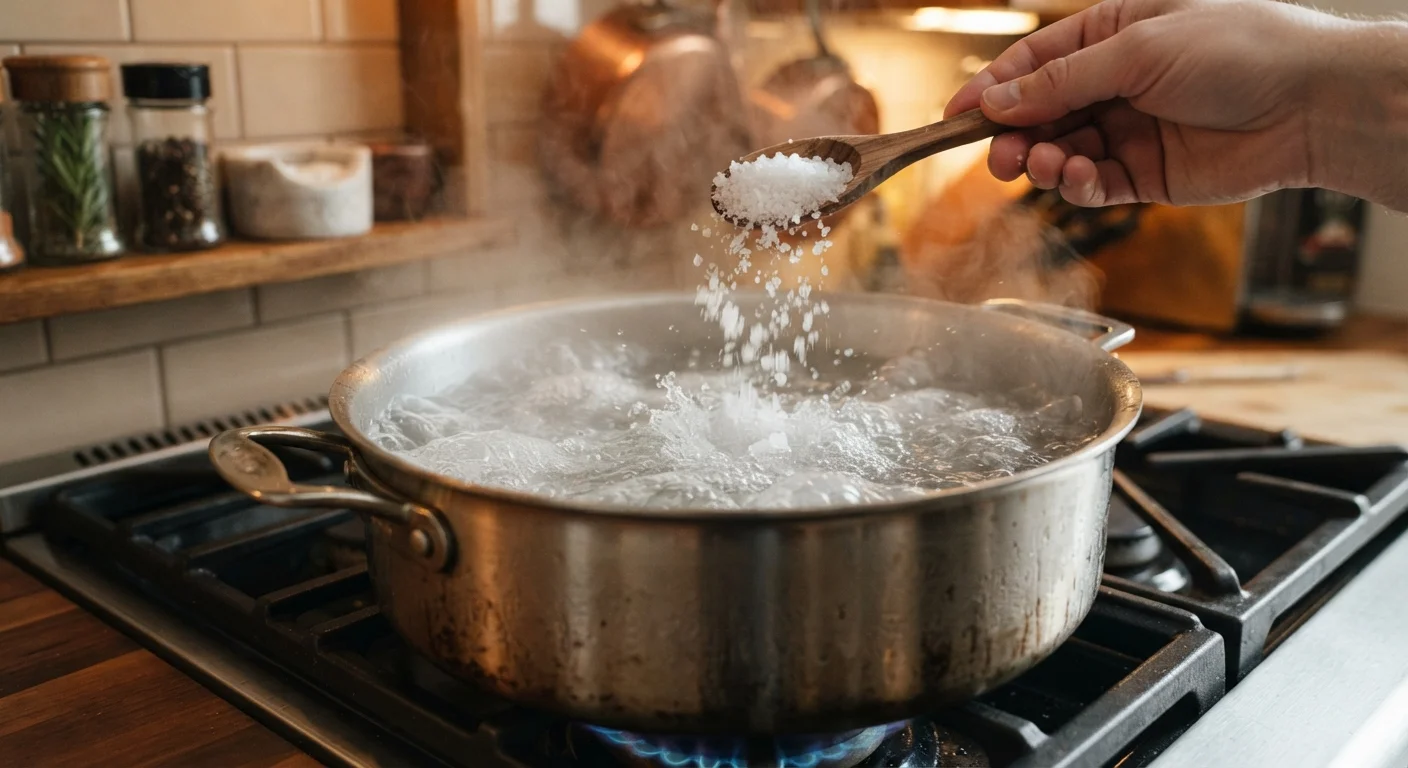
The same principle of "understand the process, then decide" applies to cooking generally. Just as knowing why pasta water should be salty makes you a more intentional cook, understanding what cold temperatures actually do to tomatoes or bread changes how you handle them every single week.
Don't Rely on Smell Alone for Food Safety
Some harmful bacteria, like certain strains of Salmonella, don't produce noticeable odors or visible changes in food. While proper storage helps maintain quality and reduces spoilage, it isn't a substitute for following recommended refrigeration timelines. When in doubt about the safety of stored food, err on the side of caution and consult official food safety guidance such as the USDA's FoodKeeper resource.
Building Better Habits in Your Own Kitchen
You don't need to overhaul everything at once. Start with the items you buy most frequently and tend to waste most often — for many households, that's tomatoes, bread, herbs, and leafy greens. Getting those right will have the most immediate impact on both freshness and your grocery budget.
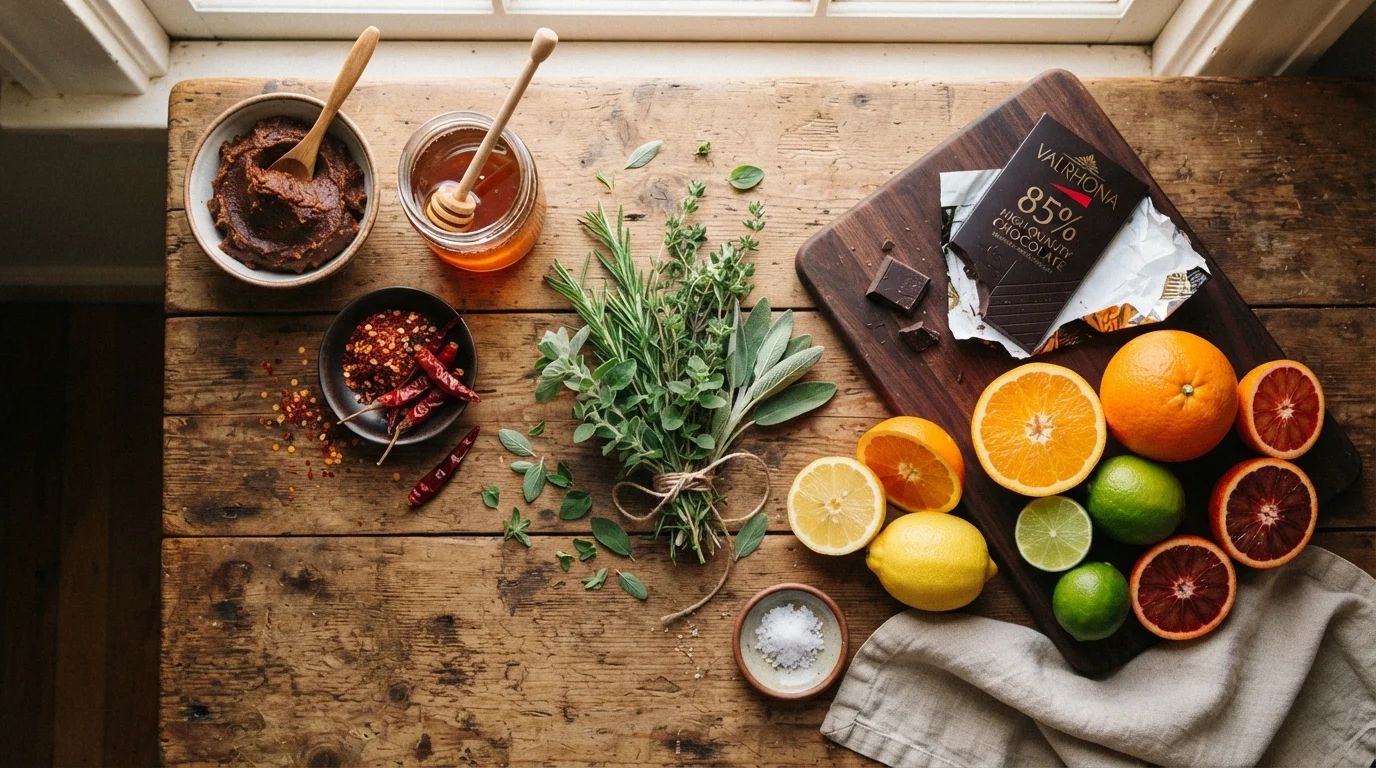
Once you've got the basics down, think about how storage habits ripple into cooking. Properly stored ingredients taste better, which means less seasoning correction and more natural flavor in finished dishes. That's the kind of kitchen confidence that makes cooking feel less like a chore. For more ways to get the most out of everyday ingredients, flavor pairings worth exploring can make a noticeable difference without adding complexity.
This article is for general informational purposes only. Food safety guidelines can vary; when in doubt about the safety of a specific food item, consult official food safety resources such as the USDA FoodKeeper database or your local health authority.