

Why the Water Itself Does the Seasoning Work
When pasta cooks, it's not just softening — it's actively absorbing water. The dry noodle swells as liquid moves into its starch and protein matrix. Whatever is dissolved in that water goes along for the ride.
This is the core reason salted pasta water matters: it's the only moment you can season pasta from the inside. Once a noodle is cooked, its surface is set. You can coat it in the most carefully seasoned sauce imaginable, but the pasta itself will still taste flat if the cooking water was plain. Sauce seasons the outside; salted water seasons the whole thing.
Think of it less like adding salt to food and more like building a foundation. A well-made pasta dish has layers of seasoning — the water, the sauce, perhaps a finish of good cheese or a drizzle of olive oil. The water layer is the one most home cooks skip, and it shows. See our flavor pairing guide for more on how layering seasoning transforms everyday dishes.
Taste Your Water Before Adding Pasta
Get in the habit of tasting the cooking water once the salt has dissolved. It should have a clear, pleasant saltiness — not sharp or briny, but noticeably seasoned. This quick check takes two seconds and will make a real difference in how finished pasta tastes.
What Salt Actually Does to Pasta Texture
Flavor aside, salt has a measurable effect on how pasta cooks physically. Starch granules in pasta begin absorbing water and swelling with heat. When salt is present, it interacts with the starch in ways that slow excessive swelling and help the pasta hold its shape without becoming gummy or overly soft.
Salt also has a mild effect on gluten, the protein network that gives pasta its chew. In the presence of sodium, gluten networks can form and hold more firmly, which is part of why properly salted pasta has a slightly firmer, more pleasant bite than pasta cooked in plain water.
~1–2 tbsp
Kosher salt per gallon of pasta water
This range is the most widely cited culinary guideline for achieving pleasantly seasoned pasta cooking water.
~3–5%
Salt from cooking water absorbed by pasta
Food science research indicates that cooked pasta retains only a small fraction of the sodium present in the salted cooking water.
None of this requires a chemistry degree to benefit from. The practical takeaway is simple: salted water makes pasta that tastes better and has better texture — two wins for the same step.
How Salty Is Salty Enough?
Here's where home cooks often get tripped up: "salty" sounds vague, and recipes that call for water to taste "like the sea" are both imprecise and a little off-putting. A more useful benchmark is water that tastes like a well-seasoned broth — noticeably salty but not harsh or unpleasant to sip.
For a standard large pot (roughly a gallon of water), that typically means somewhere around 1 to 2 tablespoons of kosher salt. The exact amount depends on the salt type — table salt is denser than kosher salt, so you'd use less by volume — and your personal preference. The point isn't to hit a magic number; it's to taste the water and adjust until it registers as seasoned.
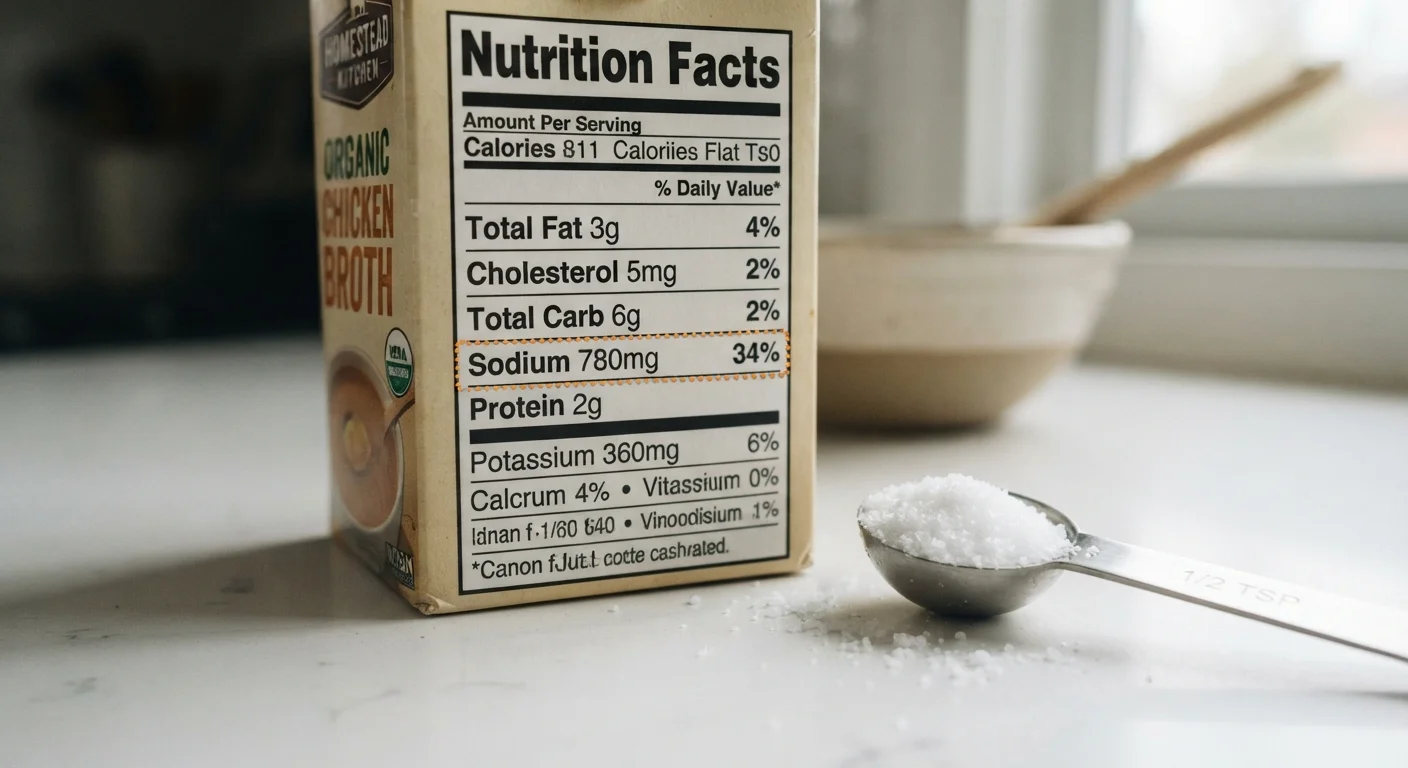
One thing worth knowing: the vast majority of that salt stays in the pot when you drain. Research suggests pasta absorbs only a small fraction of the sodium present in the cooking water, so the effect on total sodium intake is modest. For a broader look at sodium in your diet, our piece on sodium and nutrition labels offers helpful context.
Don't Throw Away That Pasta Water
Here's a bonus payoff from properly salted pasta water: it becomes a genuinely useful ingredient. Before you drain the pot, scoop out a cup or two of the cooking liquid. It's cloudy with dissolved starch, and that starch is what makes it special.
When you stir a splash of pasta water into a sauce — whether it's a simple butter sauce, a tomato-based one, or something cream-based — the starch acts as an emulsifier. It helps fat and liquid bind together rather than separate, giving the sauce a smoother, more cohesive texture that clings to the noodles instead of pooling at the bottom of the bowl.
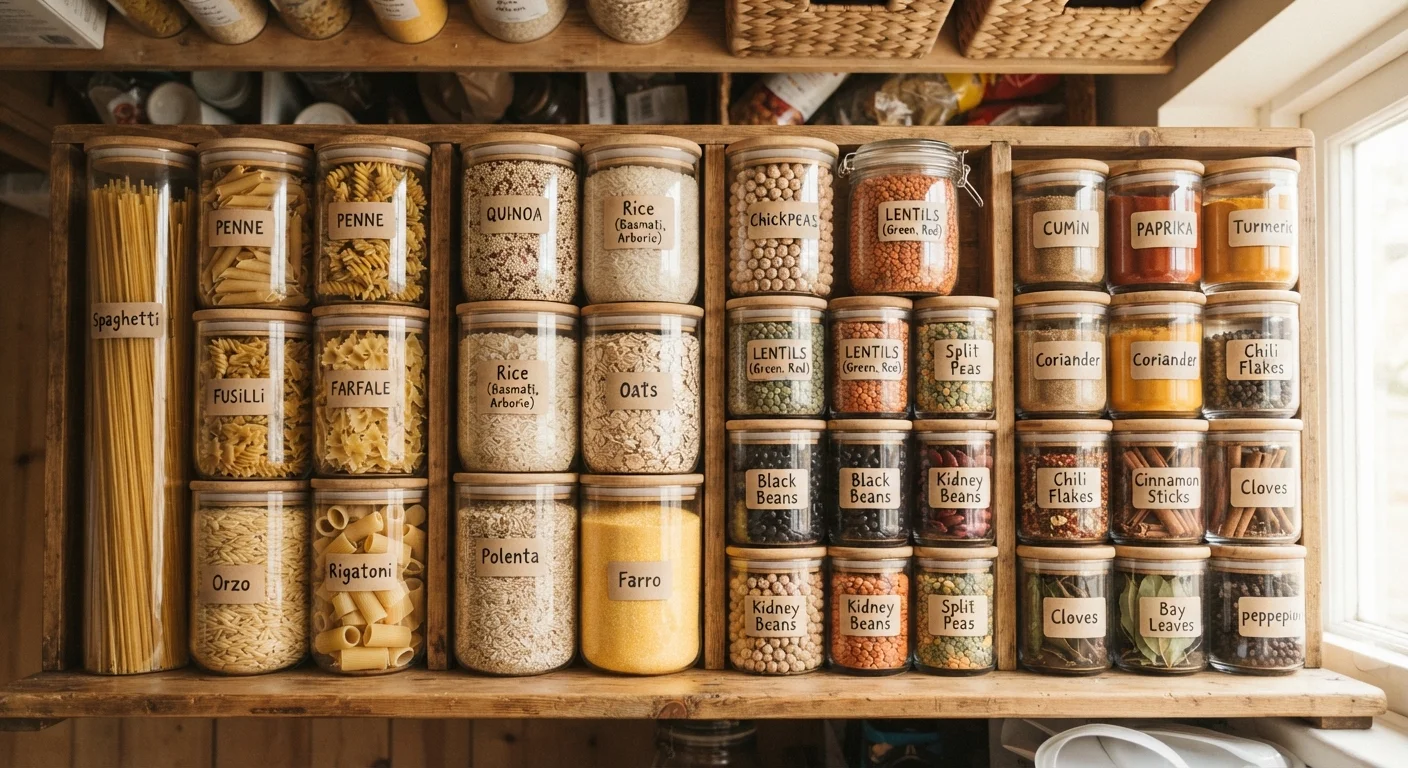
This is a technique used routinely in Italian kitchens, and it works precisely because the water carries both starch and salt. Plain water can thin a sauce; pasta water improves it. Pair that with a well-stocked pantry and you have the building blocks of genuinely satisfying weeknight meals.
A Note on Salt Types and Measurements
Not all salt measures the same by volume. A tablespoon of fine table salt contains significantly more sodium than a tablespoon of coarse kosher salt because the crystals pack more densely. If a recipe specifies kosher salt and you're using table salt, use roughly half as much by volume to start. Tasting as you go is always the most reliable method.