
The Number That Actually Matters on the Label
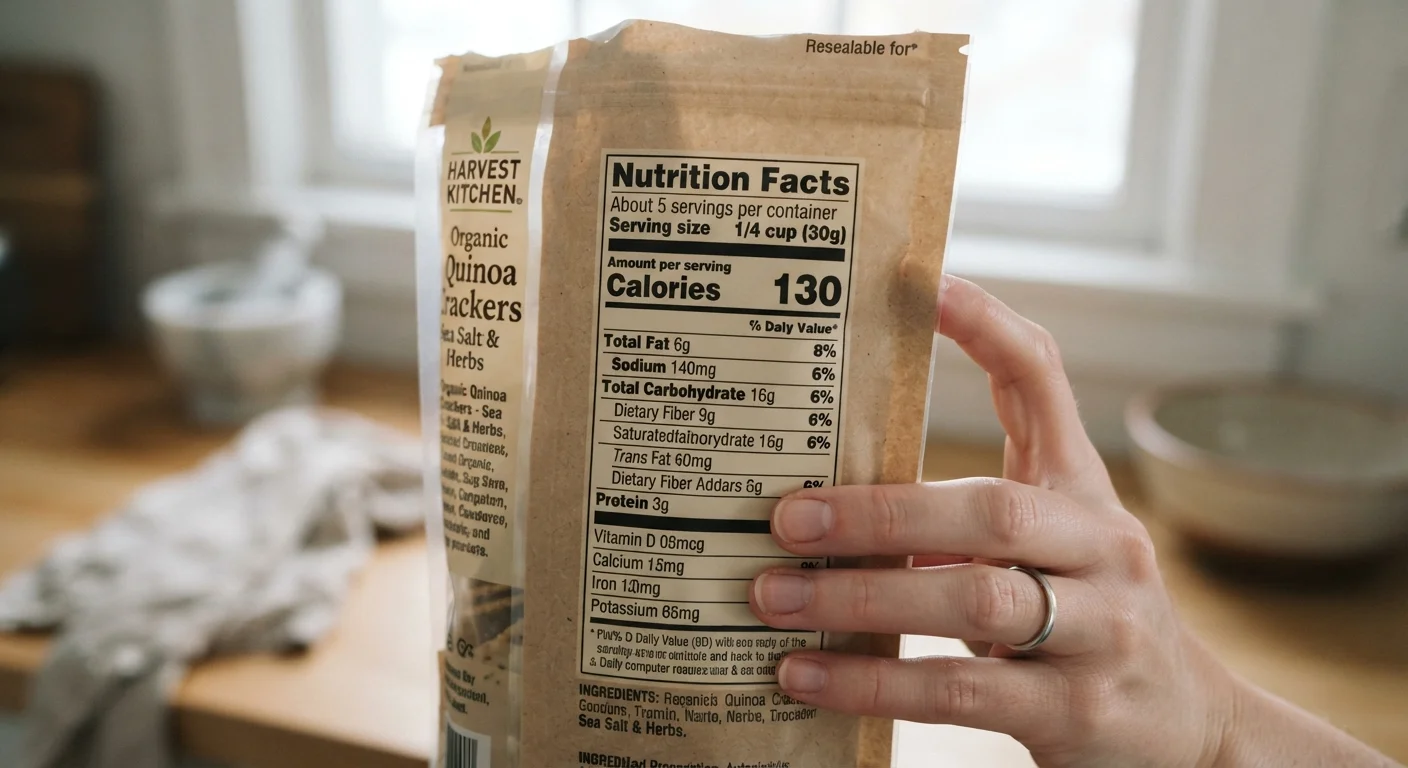
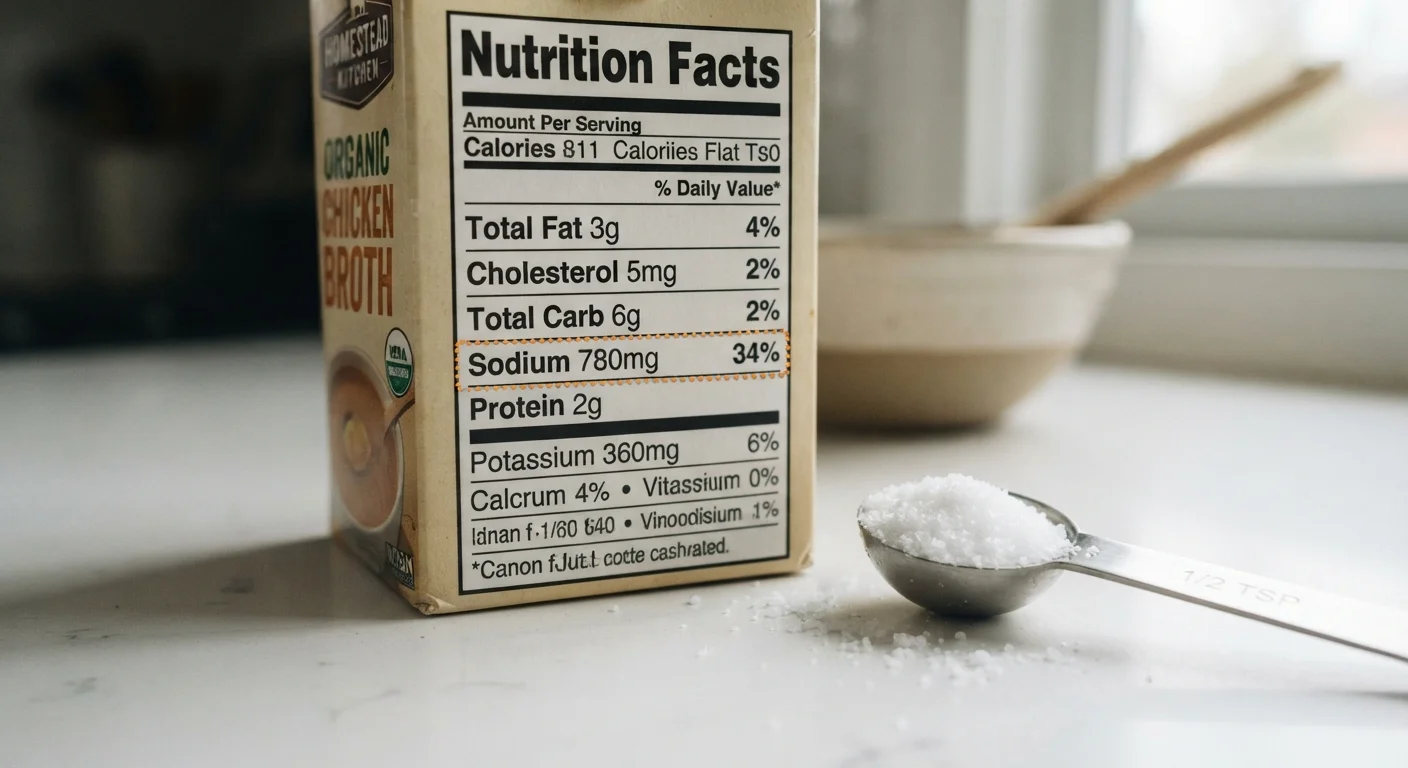
Flip over almost any packaged food and you'll find the sodium line sitting right there on the Nutrition Facts panel — usually expressed in two ways: milligrams (mg) and a percentage of Daily Value (%DV). Both numbers are useful, but they tell you slightly different things.
The milligram figure is the raw amount of sodium in one serving of that food. The %DV puts it in context: it shows what fraction of the FDA's 2,300 mg daily reference amount that serving uses up. A bowl of canned soup clocking in at 890 mg of sodium, for instance, represents about 39% of the daily limit in a single sitting.
Here's the catch that trips most people up: those numbers only apply to one serving. If the label defines a serving as half a cup and you eat a full cup, you're doubling the sodium figure. Before you read anything else on a label, check the serving size. Our guide to reading a nutrition label walks through all the moving parts if you want a fuller picture.
3,400 mg
Average daily sodium intake for Americans
The CDC reports that Americans consume an average of about 3,400 mg of sodium per day — nearly 50% above the 2,300 mg Daily Value.
70%+
Sodium from processed and restaurant foods
According to the CDC, more than 70% of dietary sodium consumed by Americans comes from packaged, processed, and restaurant foods.
140 mg
FDA threshold for 'low sodium' claim
The FDA defines a food as 'low sodium' only if it contains 140 mg of sodium or less per serving — a regulated standard, not a marketing estimate.
What the Sodium Label Claims Actually Mean
Food packages frequently carry front-of-label sodium claims — terms like "low sodium," "reduced sodium," or "no salt added." These aren't just marketing language; the FDA regulates their definitions precisely.
- Sodium-free: Less than 5 mg per serving
- Very low sodium: 35 mg or less per serving
- Low sodium: 140 mg or less per serving
- Reduced sodium: At least 25% less sodium than the original product
- No salt added / Unsalted: No salt added during processing — but the food may still contain naturally occurring sodium
"Reduced sodium" is where many shoppers get tripped up. A reduced-sodium soup might be considerably lower than its original version but still deliver 600 mg per serving. Always verify the actual milligram number rather than relying on the front-of-package claim alone.
Use Milligrams, Not Just Percentages
Percent Daily Value is a handy quick-reference, but the milligram number is what you can add up across your whole day. Try tracking total mg across two or three of your go-to meals to get a realistic baseline — many people are surprised where their sodium is actually coming from.
Where Most Sodium Actually Comes From
It's tempting to blame the salt shaker, but research consistently shows that table salt added at home or at the table accounts for a relatively small share of total sodium intake for most Americans. According to the CDC, roughly 70% or more of the sodium in the average American diet comes from processed, packaged, and restaurant foods — sodium that's already baked in before you take a single bite.
The biggest contributors tend to be everyday staples: bread and rolls, cured meats, pizza, soups, and sandwiches. These foods don't always taste very salty, which makes them easy to underestimate. A single deli sandwich can contain more than half a day's worth of sodium without registering as particularly salty on the palate.
This is also why cooking at home — even with a generous hand at seasoning — often results in lower total sodium than restaurant equivalents. If you're curious about the role salt plays in cooking technique, check out why pasta water should actually be salty for a deeper look.
Putting It All Together at the Grocery Store
Reading sodium on labels doesn't require a nutrition degree — it just takes a moment of awareness and a consistent habit. A few practical anchors help:
- Use 5% and 20% as guideposts. Per FDA guidance, 5%DV or less is low; 20%DV or more is high. Use these thresholds when comparing similar products side by side.
- Account for the full portion you'll actually eat. If you'll eat two servings, double the sodium number.
- Watch out for sodium by another name. Ingredients like monosodium glutamate (MSG), sodium bicarbonate (baking soda), and disodium phosphate all contribute to total sodium — they'll show up in the ingredient list but are captured in the total sodium figure on the panel.
Sodium is just one piece of the nutritional puzzle. For a broader view of how different nutrients interact, why calorie counts tell only part of the story is worth a read. And if added sugars are on your radar too, our piece on sugar in your diet covers that label language with the same plain-English approach.
“Most people trying to lower their sodium intake focus on the salt shaker, when the real opportunity is in reading the label on the foods they buy every week without thinking twice.”
— Maya Feller, Registered Dietitian Nutritionist and nutrition author
This article is for general informational purposes only and is not medical or dietary advice. If you have questions about your personal sodium intake or health conditions related to diet, please consult a registered dietitian or qualified healthcare provider.