
What a Calorie Actually Measures
A calorie is simply a unit of energy — specifically, the amount of energy needed to raise one kilogram of water by one degree Celsius. When a food label says a serving has 200 calories, it's telling you how much fuel that food provides. That's genuinely useful information. What it doesn't tell you is anything about the vitamins, minerals, fiber, or protein riding along with those calories.
Think of it like knowing the price of a car without knowing anything about the engine, safety features, or fuel economy. The number is real, but it's far from the full picture. As nutrition researchers have noted for decades, the quality of calories — what comes packaged with them — shapes how your body responds to a meal in ways the calorie count alone simply can't capture.
For a broader grounding in how food affects the body, Nutrition for Beginners is a solid starting point.
Why Nutrient Density Changes the Picture
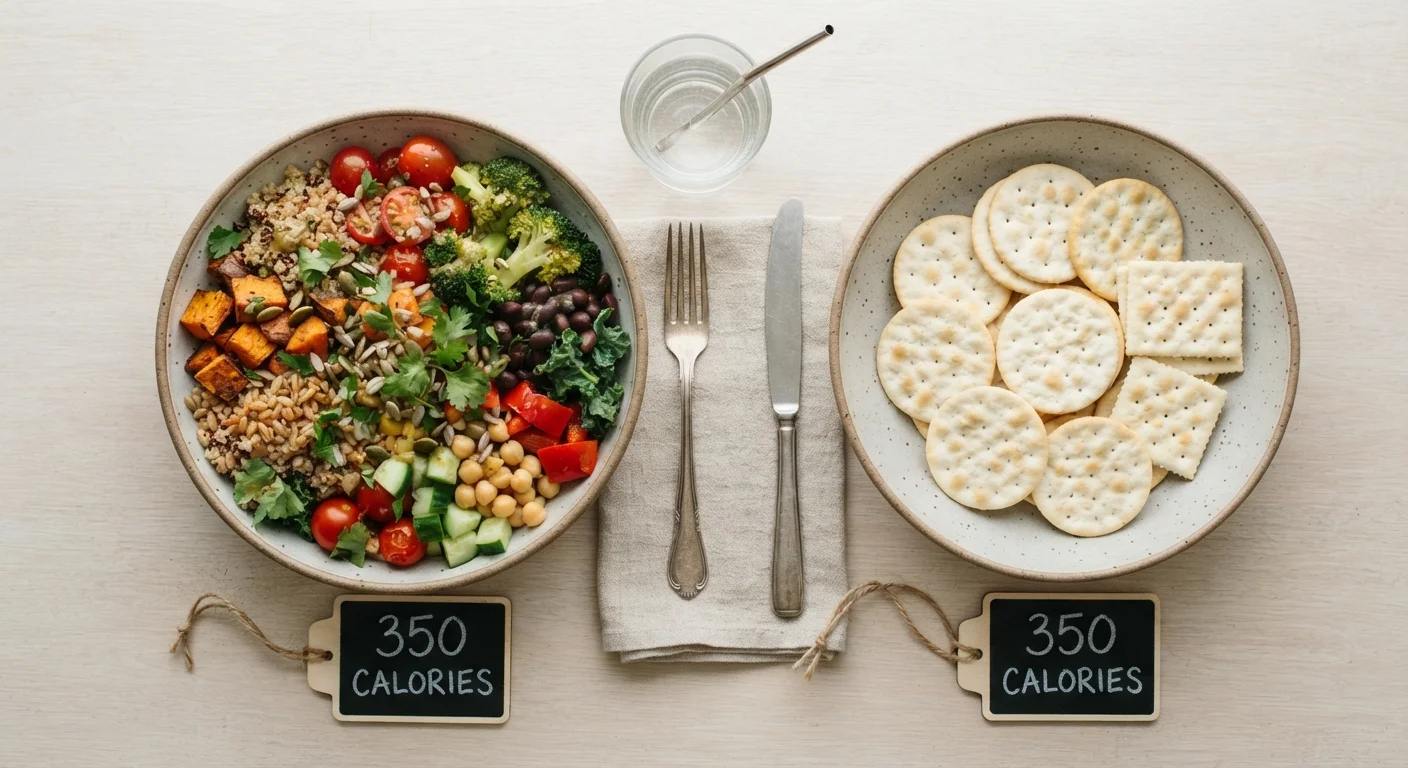
Consider 200 calories of plain soda crackers versus 200 calories of cooked lentils. The calorie count is identical. But the lentils deliver protein, iron, folate, and substantial fiber. The crackers deliver refined starch and, depending on the brand, a notable hit of sodium. Your body handles these two meals very differently — the lentils slow digestion, support steadier energy, and keep you fuller longer.
~57%
Of American daily calories from ultra-processed foods
Research published in the journal BMJ Open found that ultra-processed foods accounted for roughly 57% of daily caloric intake in the US diet, based on national survey data.
20–30%
More calories burned digesting protein vs. carbs
Nutrition research estimates the thermic effect of protein — energy used in digestion — is roughly 20–30% of its calories, compared to about 5–10% for carbohydrates, according to established metabolic studies.
This is the concept of nutrient density in action. Foods that pack in more nutritional value per calorie tend to support better satiety, which is the feeling of fullness after eating. Research consistently shows that fiber and protein, in particular, promote satiety more effectively than an equivalent number of calories from refined carbohydrates or added sugars. That means nutrient-dense meals can help you feel satisfied without necessarily eating more calories overall.
Ultra-processed foods — those manufactured with extensive industrial ingredients and additives — are often the starkest example of the gap between calories and nutrition. They can be energy-dense (lots of calories) while being nutrient-poor (little of value beyond the energy). The calorie count on the front of a package won't flag that disconnect for you.
Learning to Read Beyond the Calorie Line
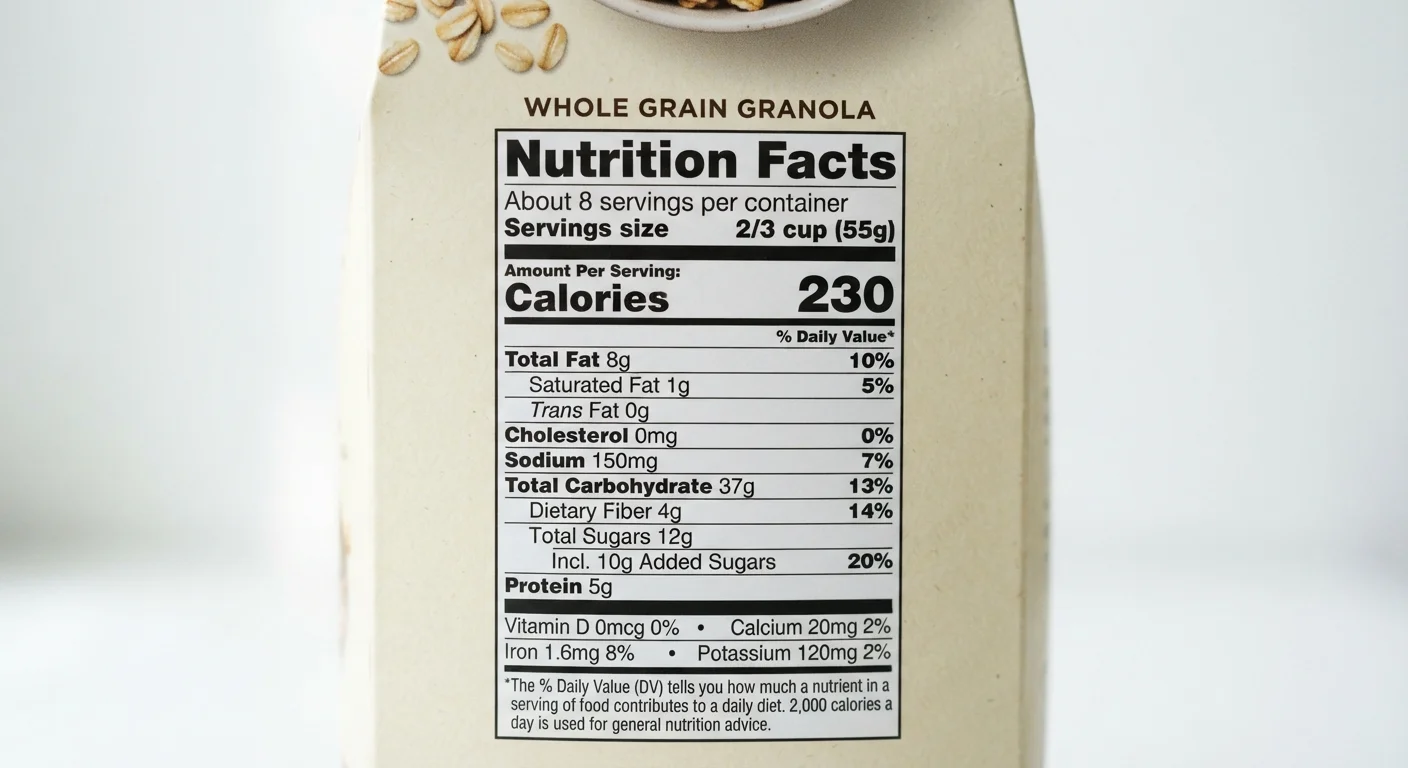
The good news: the information you need is already on the label — you just have to scroll past the big calorie number. The Nutrition Facts panel lists fiber, protein, vitamins, and minerals, all of which help you gauge how nutritious a food actually is. Reading a Nutrition Facts Label Without the Confusion offers a detailed walkthrough of each section if you want the full tour.
Quick Label Habit Worth Building
When you pick up a packaged food, glance at fiber and protein grams alongside the calorie count. A food with at least 3g of fiber or 5g of protein per serving is likely to keep you fuller than one with neither — even at the same calorie level. It takes seconds and gives you a much more complete read on what you're choosing.
It's also worth understanding what carbohydrates, protein, and fat each contribute to your meals beyond energy. Macronutrients Explained breaks down the role each plays in everyday health. And if you've ever wondered whether metabolism myths are affecting how you think about food choices, Common Beliefs About Metabolism That Science Has Largely Walked Back is worth a read.
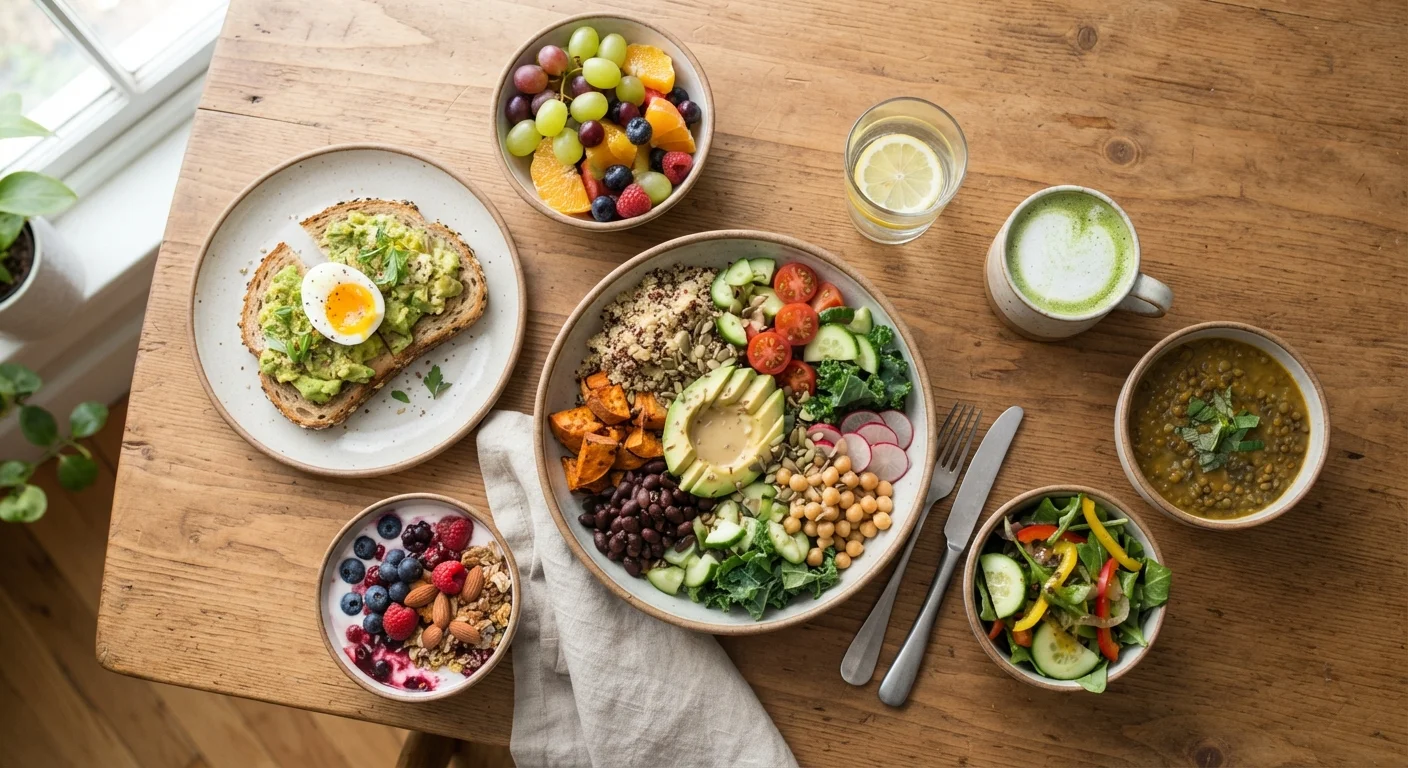
None of this means you need to calculate a nutrient score for every bite you eat. A practical rule of thumb: foods that are closer to their whole, unprocessed form tend to deliver more nutrition per calorie. Vegetables, fruits, legumes, whole grains, and lean proteins are reliable anchors for a diet that looks good beyond the calorie line.
This article is for general informational and educational purposes only and is not a substitute for advice from a registered dietitian or other qualified healthcare professional.