
Why the Great Lakes Deserve More Credit as a Travel Destination
Stretching across eight U.S. states and two Canadian provinces, the Great Lakes form the largest group of freshwater lakes on Earth by surface area. Yet many American travelers drive right past them on the way to coastal beaches or mountain parks. That's a missed opportunity — each of the five lakes has a distinct character, a different set of port cities, and a shoreline culture that feels nothing like the others.
Whether you're drawn to dune climbing, lighthouse trails, big-city waterfronts, wine country, or wild island escapes, the Great Lakes deliver. The trick is knowing which lake matches your travel style before you pack the car. For a broader look at how American regional identities shape visitor experiences, see our guide to regional American culture.
Lake by Lake: What Each One Offers
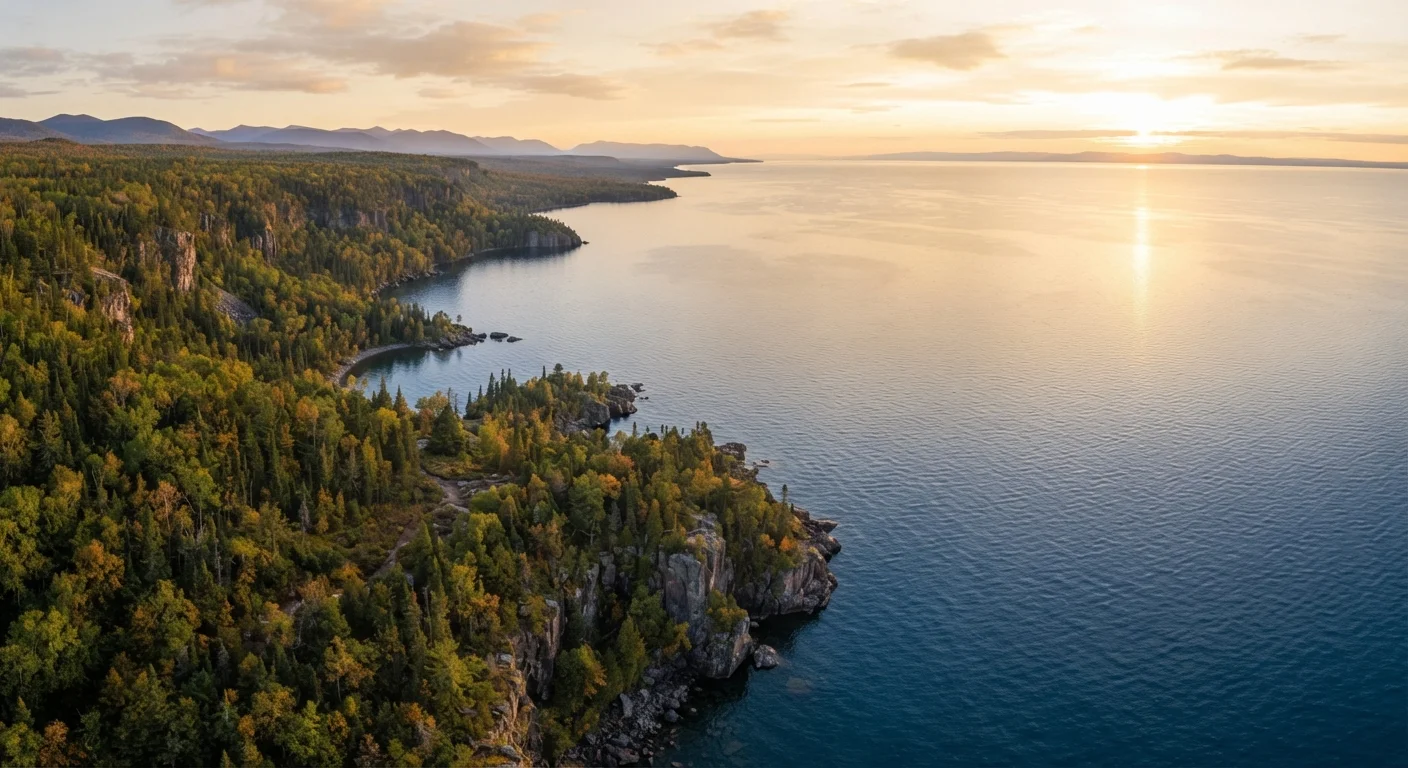
Lake Superior — the largest and coldest of the five — rewards travelers who want rugged wilderness over resort amenities. Michigan's Upper Peninsula and Minnesota's North Shore offer waterfalls, old-growth forest, and the sea-cave coastline of Pictured Rocks National Lakeshore. Water temperatures rarely climb above the mid-60s°F even in summer, so most visitors come for hiking and kayaking rather than swimming. Duluth, Minnesota, is a lively gateway city with a vibrant arts scene and a working harbor canal that draws spectators year-round.
Lake Michigan is the only Great Lake entirely within U.S. borders, and it punches far above its weight for sheer variety. Chicago anchors the southern end with world-class museums and a lakefront trail that stretches for miles. Head north to Michigan's Lower Peninsula and you'll find the Sleeping Bear Dunes National Lakeshore — towering sand dunes that drop sharply into clear blue water — along with charming harbor towns like Traverse City, a hub for the region's growing cherry and wine industries. The lake's eastern shore is warmer and calmer than Superior, making it far more swim-friendly from June through August.
Lake Huron offers two very different travel personalities. Michigan's Mackinac Island — accessible only by ferry or small plane — bans motor vehicles entirely, creating a stepping-back-in-time experience of horse-drawn carriages and Victorian architecture. On the Ontario side, the Georgian Bay area features thousands of islands and long-standing cottage traditions. Huron is also home to the longest freshwater beach in the world at Wasaga Beach, Ontario, a detail that surprises most American visitors.
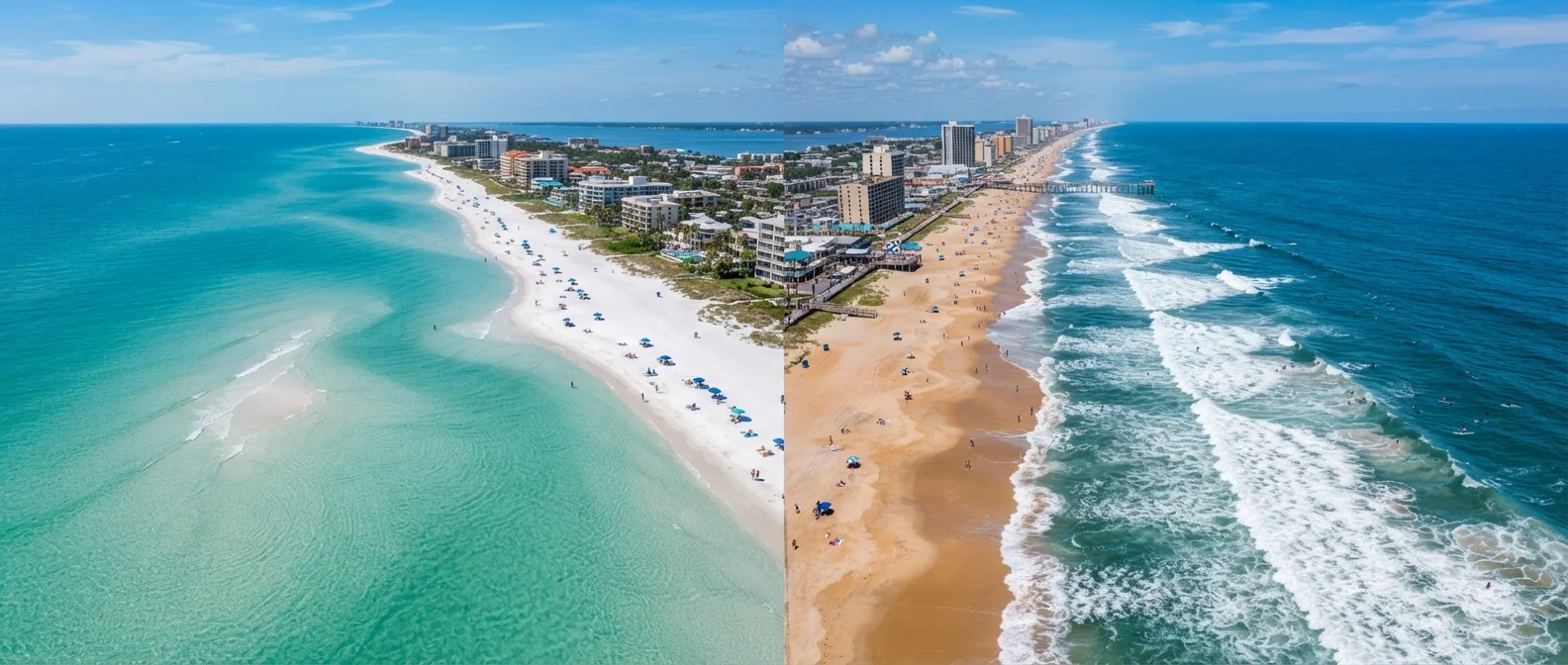
Lake Erie is the shallowest and warmest of the five, which means it heats up fast in summer and supports active beach culture on both the Ohio and Pennsylvania shores. Put-in-Bay on South Bass Island is a lively summer destination known for its ferry access and local history tied to the War of 1812. Erie also sits at the heart of an emerging American wine region along the south shore, where the lake's moderating effect on temperatures supports vineyards from Ohio through western New York. If coastal beach comparisons interest you, our Gulf Coast vs. Atlantic Coast breakdown puts the Great Lakes' freshwater beaches in useful perspective.
Lake Ontario, the smallest by surface area, is bookended by two major cities: Toronto on the Canadian side and Rochester, New York, on the American side. The Finger Lakes wine region spills southward from its shoreline, making upstate New York a natural base for visitors who want urbanism and pastoral scenery in the same trip. Niagara Falls — technically on the Niagara River connecting Erie to Ontario — draws visitors to both shores and adds a dramatic natural anchor to any Ontario itinerary. For comparison with equally underrated U.S. destinations, see what to expect at America's national parks.
Planning Tips Before You Go
Peak season runs from late June through August, when temperatures are warmest and coastal towns are busiest — especially around the Fourth of July holiday. Shoulder seasons (May–June and September–October) offer fewer crowds, lower lodging demand in many areas, and spectacular fall color along the northern shores. Winter travel is possible near cities like Chicago and Cleveland but requires preparation for lake-effect snow, which can be intense on eastern and southern shorelines.
Verify entry requirements if your itinerary crosses into Canada — a valid U.S. passport is required, and rules can change. Always check current travel conditions and local advisories through official government sources before finalizing plans.
This article is for general informational purposes. Prices, schedules, entry requirements, and conditions vary and should be verified with official sources before travel.