
One calendar, fifty different lived experiences
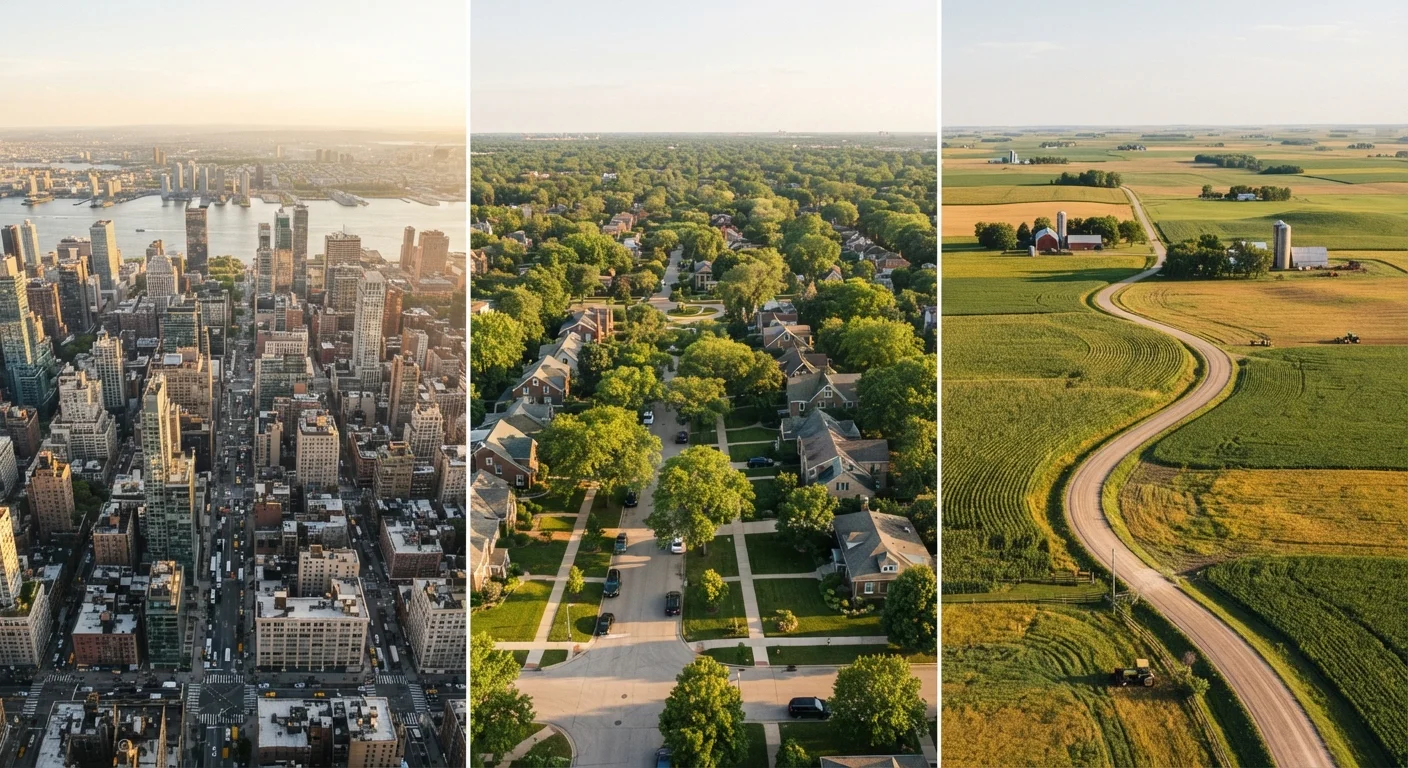
Americans share a national holiday calendar, but what those holidays actually look like — who gathers, what's cooked, which streets close, what rituals feel non-negotiable — varies considerably depending on where you live. Geography, immigration history, climate, and local culture all shape how communities observe the same occasions. Understanding these differences isn't just interesting trivia; it illuminates something real about the texture of American life and the way community functions differently across different American settings.
Below are six holidays that reveal those regional contrasts most clearly.
Thanksgiving: Same bird, very different table
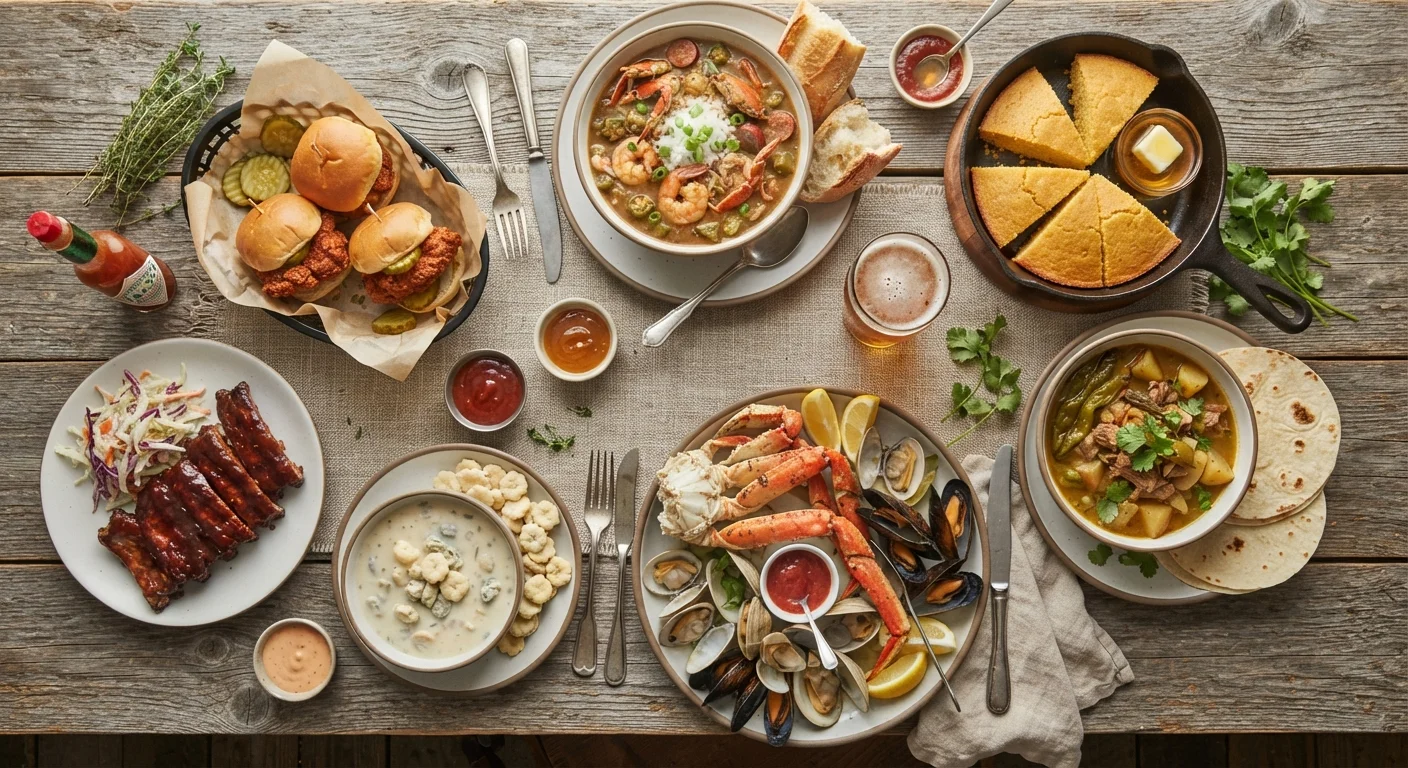
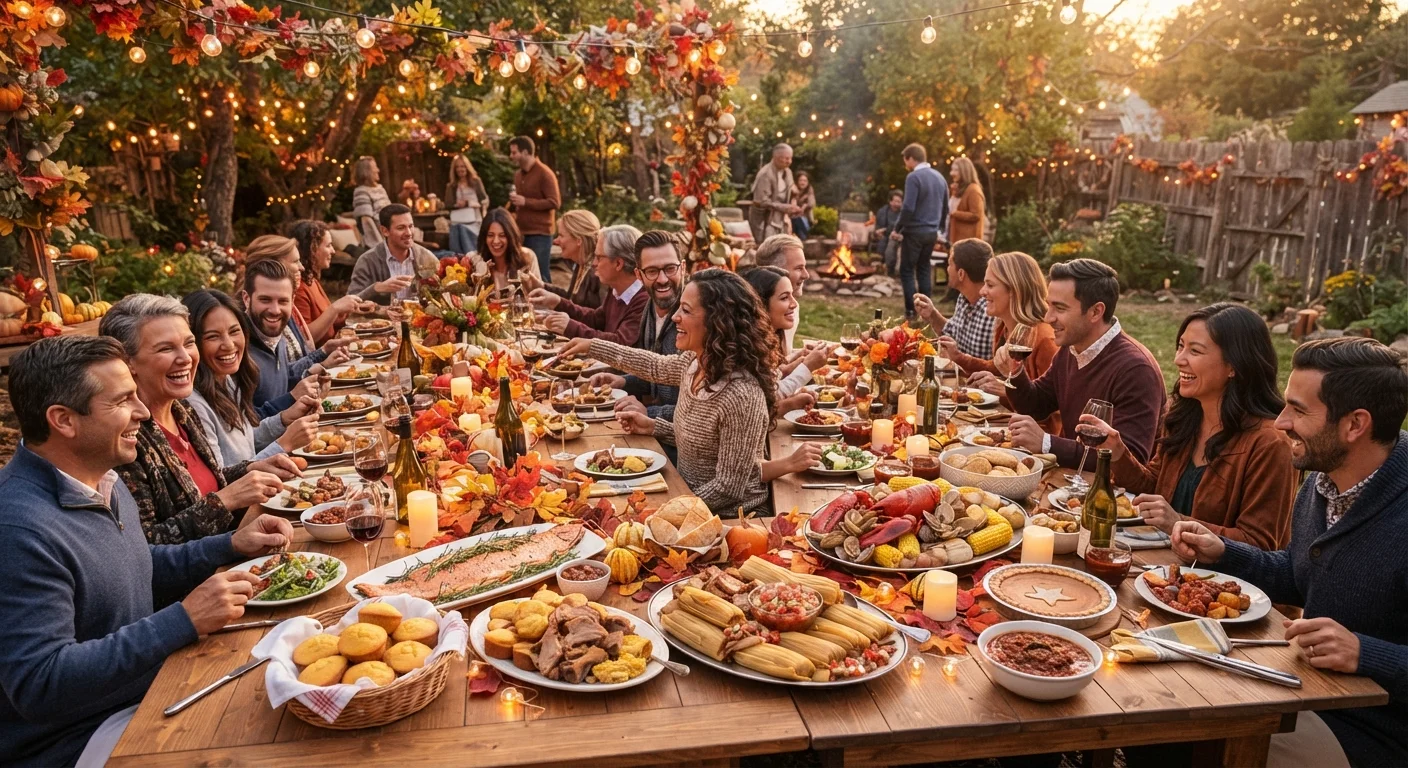
Thanksgiving is arguably America's most universal holiday — but what lands on the table varies enormously by geography and family heritage. In the South, cornbread dressing (baked in a pan, not stuffed inside the bird) is a near-universal staple, often made with sage and sometimes crumbled with cracklins. New England households lean toward oyster stuffing and cranberry relish made from scratch. In the Southwest, green chile often makes an appearance — stirred into sides or served alongside turkey as a nod to deep New Mexican culinary roots.
Along the Gulf Coast, crawfish étouffée or a seafood-based dish might share space with tradition. In Hawaiian households, poi, lomi-lomi salmon, or haupia may sit comfortably beside the roast turkey. These distinctions aren't just culinary curiosity — they reflect the regional histories, immigration waves, and land-based food cultures that shaped each community over generations. For a deeper look at the regional food traditions behind these dishes, see American Regional Cuisine: A Diner's Map of Distinct Food Cultures.
In New Mexico, green chile on the Thanksgiving table isn't unusual — it's expected.
Mardi Gras: A national holiday only in some zip codes
Most Americans know Mardi Gras as a New Orleans event — but it's actually a legal public holiday in several Louisiana parishes, meaning schools and many businesses close. The Gulf Coast from Mobile, Alabama (which actually predates New Orleans' celebration historically) through Pensacola, Florida maintains its own deep Mardi Gras culture, complete with krewes, parades, and elaborate balls that have little to do with the tourist-facing version on Bourbon Street.
For residents of these communities, Mardi Gras is as much a neighborhood ritual as a public spectacle — families stake out parade routes for generations, children catch beads from floats, and king cake appears in offices and schools for weeks beforehand. For the rest of the country, it's a Tuesday in February.
Mardi Gras is a legal public holiday in parts of Louisiana — not just a televised party.
Lunar New Year: A civic celebration in major coastal cities
In cities like San Francisco, Los Angeles, New York, and Seattle, Lunar New Year has grown from a community observance within Chinatown neighborhoods into a citywide civic event drawing hundreds of thousands of participants. Firecracker ceremonies, dragon dances, and night markets now attract broad audiences well beyond Chinese, Vietnamese, Korean, and other Asian American communities who observe the holiday at home.
In much of inland America, however, Lunar New Year remains largely invisible on the public calendar — acknowledged in some schools and workplaces but not reflected in local infrastructure or public celebration. This contrast speaks to how immigration settlement patterns and demographic concentration shape which cultural holidays gain public visibility in a given region.
In San Francisco, Lunar New Year draws larger public crowds than many official federal holidays.
The Fourth of July: Fireworks everywhere, but the vibe differs
Independence Day is universally observed, but how communities mark it diverges sharply. Small-town America often centers the day on a morning parade down Main Street, a community picnic organized by local civic groups, and an evening fireworks display over a fairground or lake. These gatherings can feel like a potluck tradition in action, with neighbors contributing food and time to something collectively owned.
In coastal cities, the Fourth often means large-scale waterfront shows, ticketed concerts, and crowds measured in the hundreds of thousands. In parts of the rural West and South, the occasion can double as an informal community reunion — a moment when dispersed families return to small towns where professional fireworks may be secondary to backyard gatherings and local rodeos. Western states prone to wildfire risk sometimes cancel or severely restrict fireworks, reshaping the holiday's character entirely.
Western wildfire risk regularly forces communities to reimagine how — or whether — to celebrate with fireworks.
Día de los Muertos: Regional gravity in the Southwest and beyond
Día de los Muertos (Day of the Dead), observed on November 1st and 2nd, is deeply embedded in the civic and cultural life of communities across Texas, New Mexico, Arizona, and California — particularly in cities with significant Mexican American populations. Public altars (ofrendas) appear in museums, libraries, and plazas. Processions wind through city streets. Local artists, schools, and neighborhood organizations co-create events that honor both the holiday's spiritual roots and its place in community identity.
In other parts of the country, awareness of the holiday has grown — partly through media and partly through the natural spread of cultural exchange — but it remains largely unfamiliar as a lived, community-rooted experience. The contrast reflects something broader about how community looks different across the American map.
In San Antonio and Los Angeles, Día de los Muertos is a major public event with deep community roots.
St. Patrick's Day: Irish everywhere, but not equally so
St. Patrick's Day is celebrated broadly across the U.S., but a handful of cities treat it as a genuine civic occasion rather than a bar-industry promotion. Chicago famously dyes the Chicago River green each year — a tradition dating to 1962. Savannah, Georgia, hosts one of the largest St. Patrick's Day parades in the country, rooted in a historical Irish Catholic community that shaped the city's early identity. Boston's celebration carries decades of political and cultural weight tied to Irish immigrant neighborhoods like South Boston.
In cities without a meaningful Irish American history, March 17th tends to register more as a themed occasion than a community tradition — something observed in pubs and through green clothing rather than in the streets.
Savannah's St. Patrick's Day parade draws larger crowds relative to population than almost any other American city.
Holidays reflect who settled where
Many of the regional holiday differences visible today trace back directly to immigration and settlement history. Communities built around specific ethnic, religious, or cultural groups naturally carried their observances with them — and over time, those celebrations became woven into the local calendar. This isn't a recent development: it's been happening since the earliest colonial settlements, and it continues with newer immigrant communities establishing traditions in cities across the country.
What regional holidays tell us about American identity
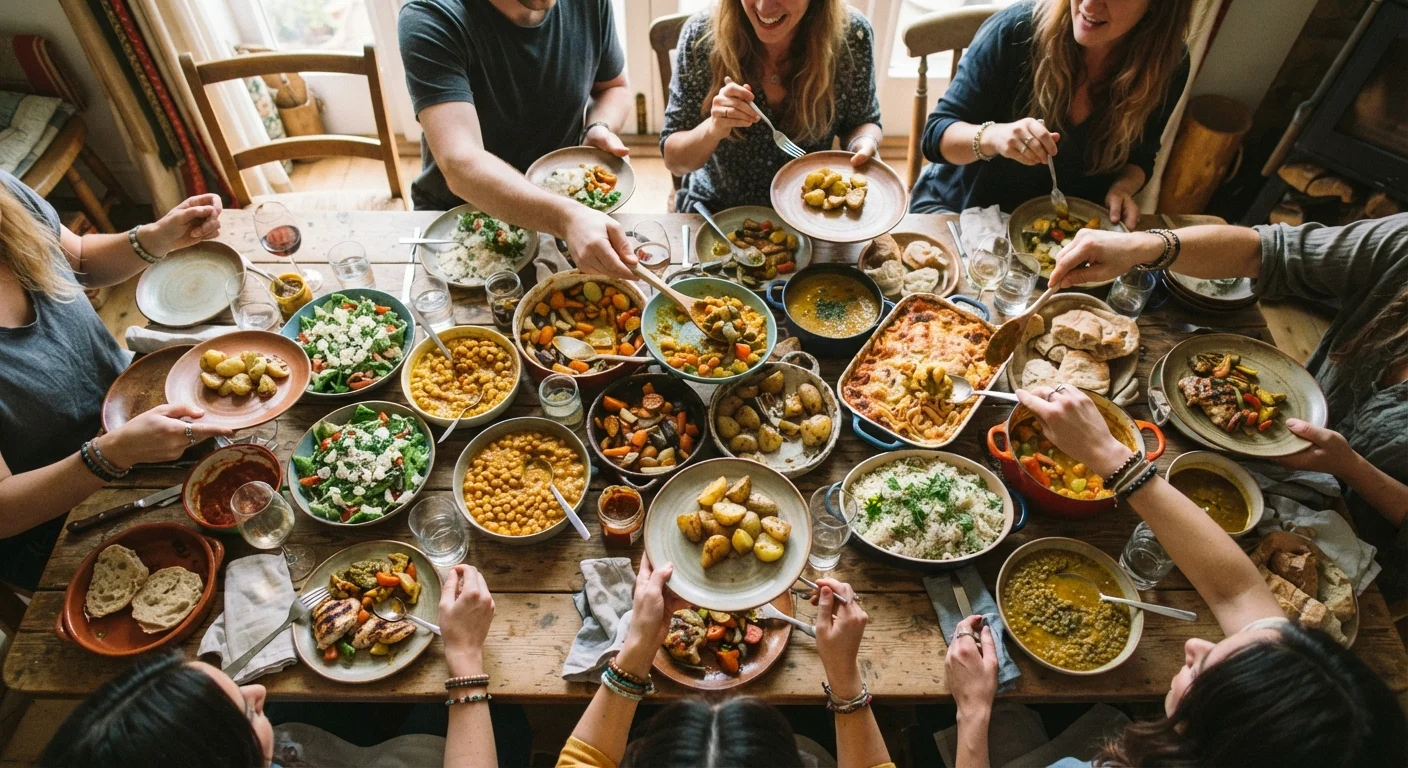
The variation in how Americans celebrate isn't a sign of fracture — it's actually evidence of a living, layered culture. Communities don't observe holidays in a vacuum; they adapt shared occasions to reflect their own histories and neighbors. A family in Albuquerque, a neighborhood in Chicago, and a small town in rural Mississippi can all be celebrating the same date while doing something meaningfully different — and each version carries its own sense of belonging.
Traveling around a local holiday? Plan ahead
If you're visiting a region during a locally significant holiday — Mardi Gras in New Orleans, Día de los Muertos events in Santa Fe, or St. Patrick's Day in Savannah — expect significant crowds, limited accommodation, and road closures. These events are often worth experiencing firsthand, but they reward advance planning. Always verify event schedules and local conditions with official city or event sources before you travel.
If you're curious about how these cultural distinctions show up in everyday eating and gathering, American regional food cultures offer another vivid window into local identity. And for those who've encountered cultural misunderstandings when traveling across regions or internationally, common cultural missteps by American travelers is worth a read before your next trip.