
Why American Travelers Often Stumble Abroad
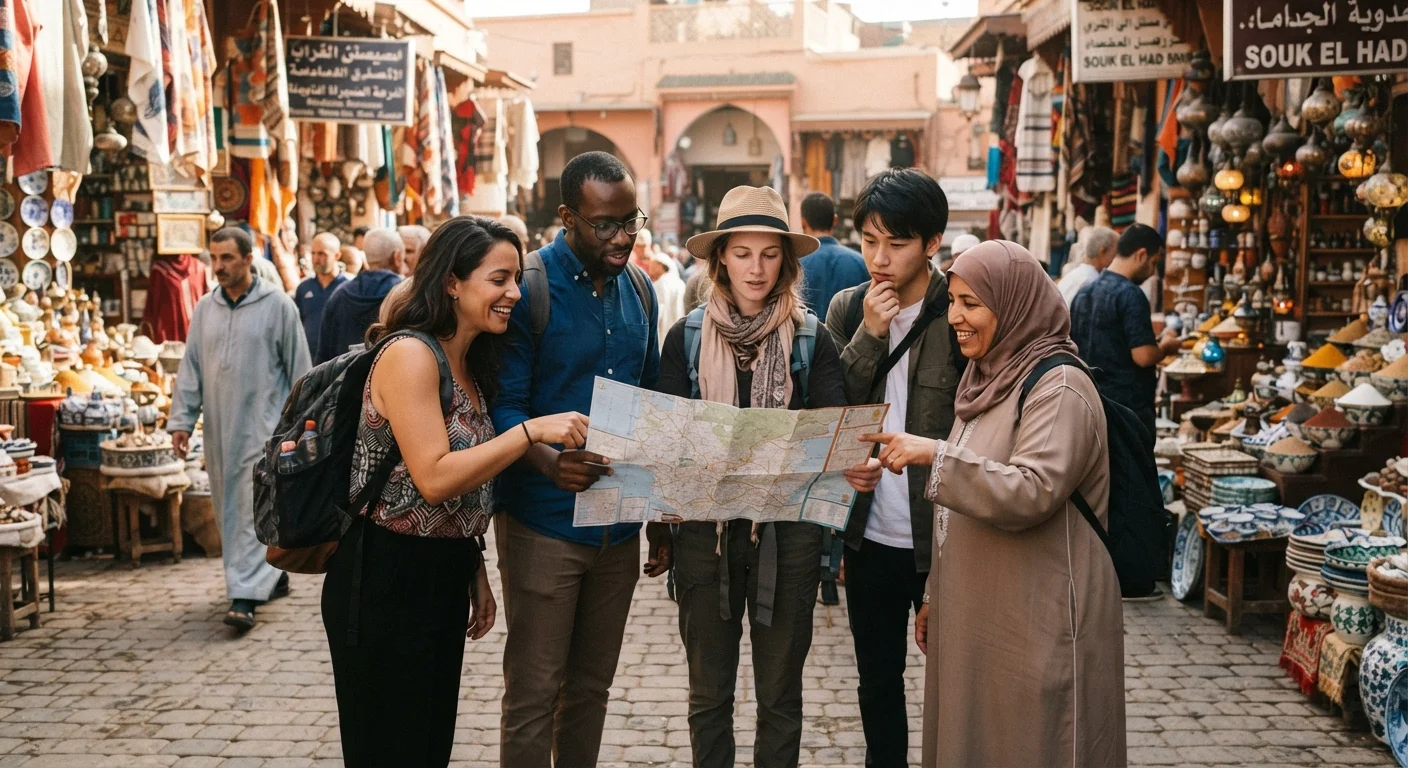
Americans are, by most measures, genuinely enthusiastic travelers — curious, open, and eager to connect. But good intentions don't automatically translate into good cultural behavior. Many of the missteps US travelers make abroad aren't rooted in arrogance; they stem from simply not knowing that a norm exists, or assuming that what works at home works everywhere.
The US is a large, internally diverse country, and most Americans grow up navigating significant regional variation. Even so, there are enough shared American defaults — around friendliness, volume, service expectations, and social pace — that they tend to travel with us, often invisibly. Understanding what those defaults are, and where they're likely to clash, is the first step toward more respectful, rewarding international travel.
Etiquette Mistakes Can Have Real Consequences
In some countries, cultural missteps go beyond embarrassment — they can cause genuine offense or even create legal complications. For example, certain gestures considered harmless in the US carry strong negative connotations in parts of Asia, the Middle East, and Europe. Always research the specific etiquette norms of your destination before you travel, not just general regional customs.
The Most Common Etiquette Mistakes — and How to Fix Them
These aren't obscure edge cases. They're the patterns that come up again and again for US travelers across dozens of destinations. Some are subtle; a few can cause genuine offense if left unchecked.
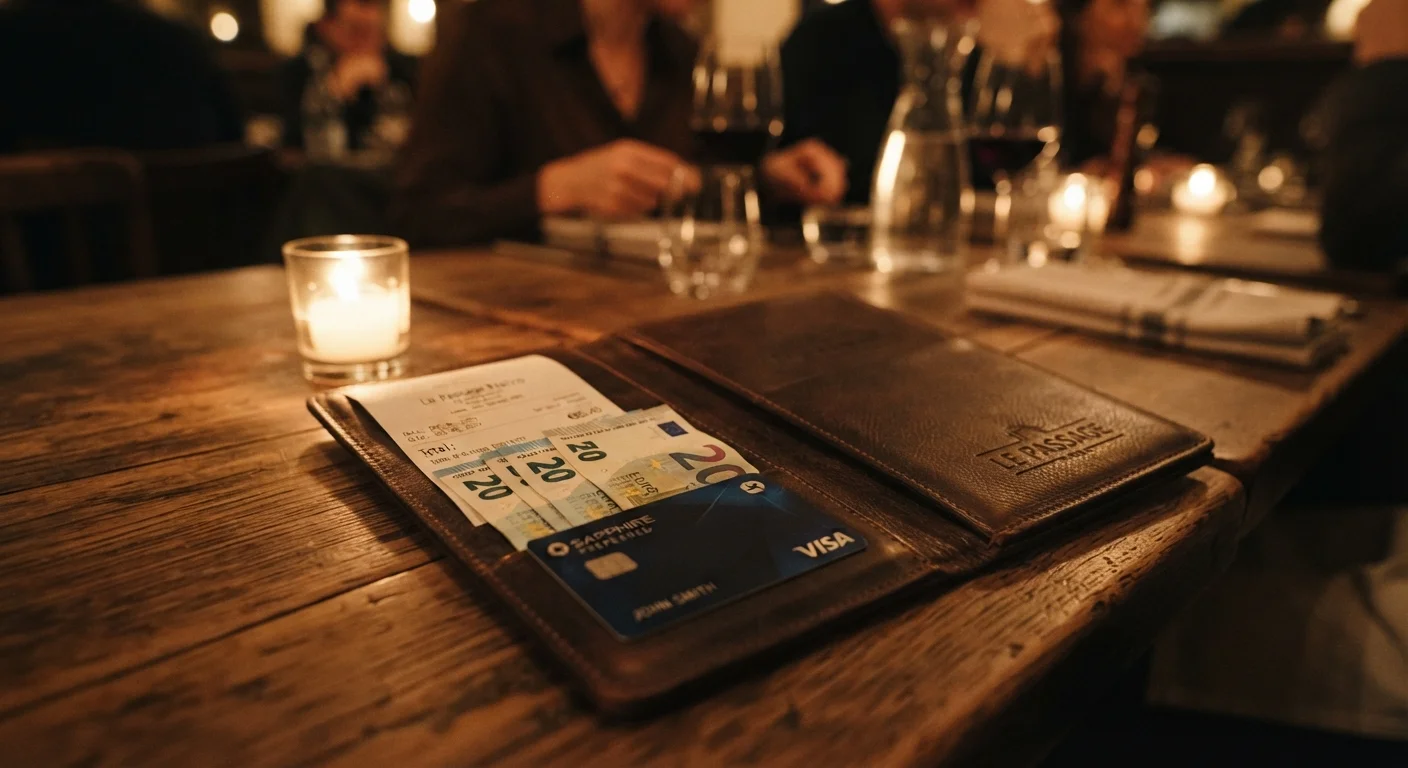
Tipping as if you're back home — or not tipping at all when service charges aren't included.
Why it happens: In the US, tipping 18–22% is standard practice and forms a major part of service workers' income. Americans naturally carry that habit abroad without questioning whether it applies.
Speaking at a volume that locals — and fellow travelers — find jarring or intrusive.
Why it happens: Conversational volume norms in the US tend to run louder than in many other cultures, particularly in East Asia and Northern Europe. Americans often don't realize they're being loud; it simply feels like normal conversation.
Assuming a relaxed, first-name-basis friendliness is universally welcome.
Why it happens: American social culture prizes warmth and informality, and many US travelers export that style instinctively. Jumping straight to first names, casual conversation, or physical greetings like hugs can feel presumptuous or even disrespectful elsewhere. As explored in what visitors get wrong about American friendliness, even within the US this warmth is often misread.
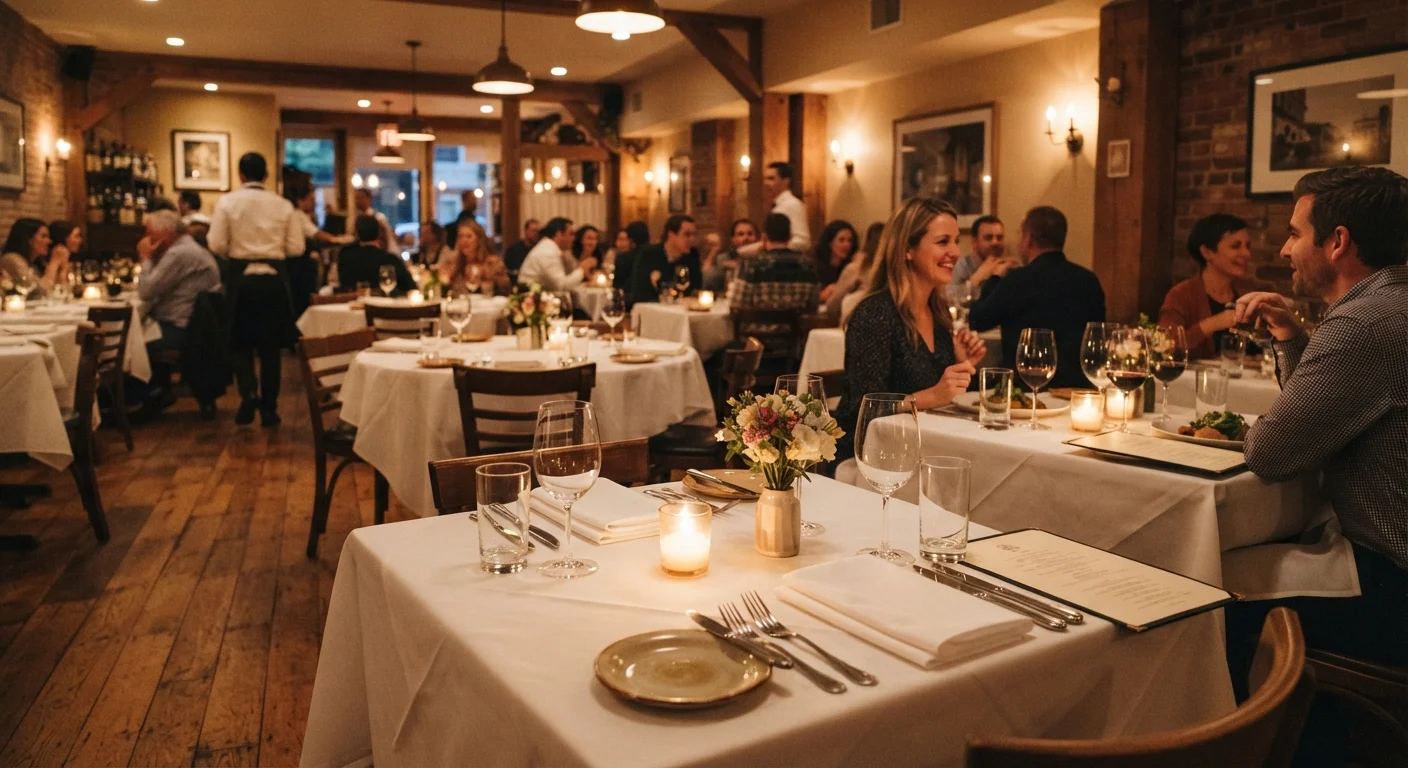
Treating restaurant dining as a quick transactional experience rather than a leisurely social one.
Why it happens: American dining culture often values efficiency — servers check in frequently, bills arrive promptly, and turnover is expected. Travelers carry those expectations to countries where a meal is meant to last hours.
Ignoring or being unaware of queue (line) etiquette norms.
Why it happens: Americans understand basic queue concepts but may not realize how rigidly — or differently — line behavior is enforced in other cultures. Cutting, bunching, or misreading informal queue systems can cause real friction.
Using the 'OK' hand gesture or thumbs-up without knowing regional meanings.
Why it happens: These gestures are so deeply ingrained in American communication that most travelers don't think twice about using them. But both carry vulgar or offensive meanings in several countries.
1 in 4
Americans who hold a valid passport
Historically, a relatively small proportion of Americans travel internationally — meaning many first-time travelers abroad may be unfamiliar with how different cultural expectations can be.
71%
Travelers who don't research destination customs
A widely cited travel industry survey found that the majority of leisure travelers skip cultural or etiquette research before an international trip.
Preparation doesn't have to be overwhelming. Even a half-hour of destination-specific research into customs around greetings, dining, tipping, and public behavior can dramatically shift how you're received. If you're venturing beyond the well-worn tourist trail, consider exploring regions Americans often overlook for international travel — which tend to reward culturally attuned visitors especially well.
Don't Forget the Practical Side of International Travel
Cultural missteps get the most attention, but logistical gaps can be just as disruptive. Most US health insurance plans offer little or no coverage abroad — a fact many travelers discover at the worst possible moment. Before any international trip, review your coverage situation carefully. Our guide on what US travelers get wrong about international health coverage covers what you should understand before you go.