
Why American Travelers Tend to Stick to the Same Places
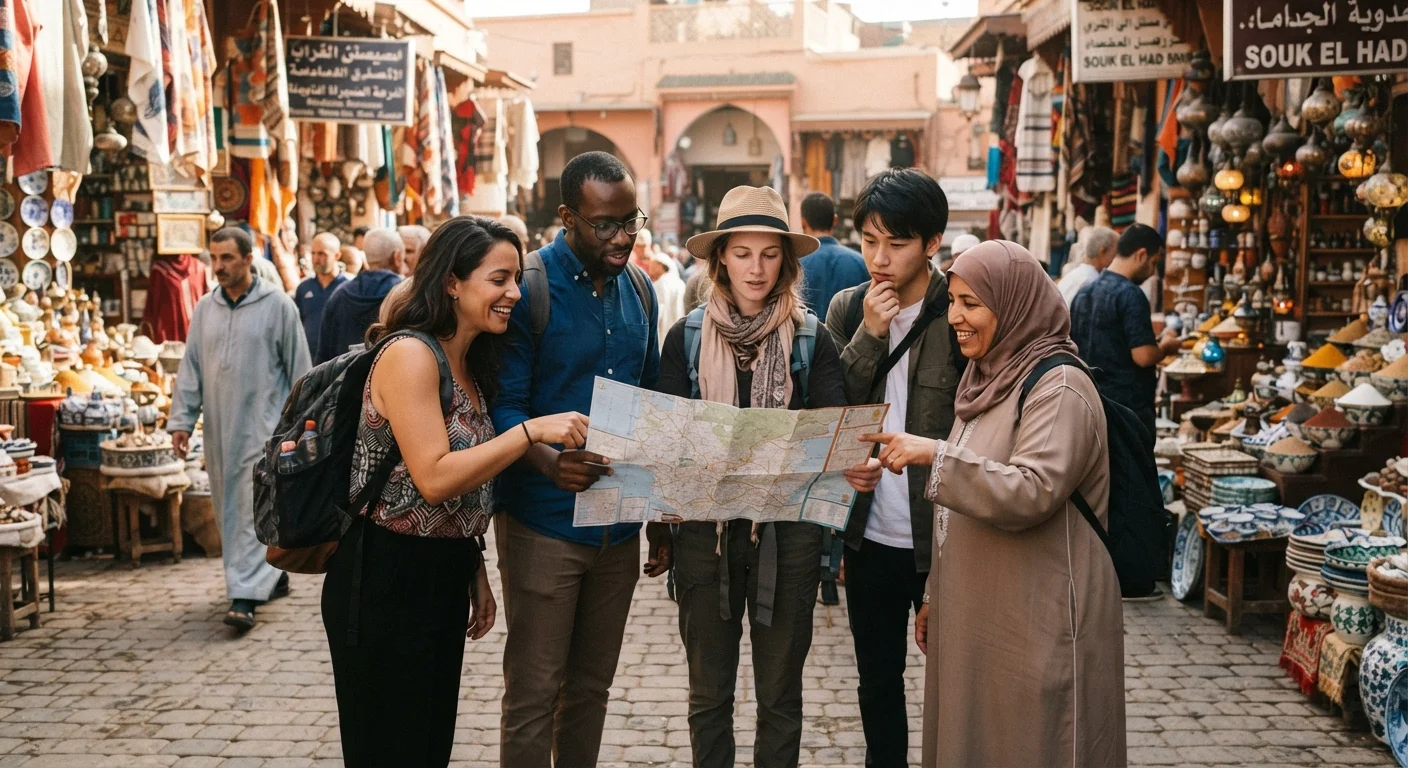
Ask a group of Americans where they're headed internationally, and a familiar list tends to emerge: the UK, France, Italy, Mexico, the Caribbean. There's nothing wrong with any of these places — but the clustering leaves an enormous portion of the world's most rewarding destinations essentially untouched by US travelers. The reasons are understandable: familiar destinations feel lower-risk, major airlines market them heavily, and there's a self-reinforcing cycle where people go where they know others have gone.
What this guide tries to do is cut through those assumptions. The regions below aren't obscure for lack of merit — they're overlooked largely because American travelers haven't been pointed toward them. Each region has meaningful, concrete reasons to consider it: visa accessibility, flight logistics, cultural richness, cost, or some combination. If you're still building your international travel confidence, it's worth reading up on what solo international travel actually involves before committing to a longer or more remote itinerary.
Always Verify Entry Requirements Directly
Visa policies, entry conditions, and travel advisories change. Before booking any international trip, check the official government website of your destination country and review the US State Department's country-specific travel advisory pages at travel.state.gov. This article reflects general patterns but cannot substitute for up-to-date official information.
Central and Eastern Europe
Countries like Slovenia, North Macedonia, Albania, and the Baltic states (Estonia, Latvia, Lithuania) sit largely off the American radar, yet they offer medieval old towns, dramatic landscapes, and a slower travel pace that's hard to find in Western Europe anymore. US passport holders can enter most of these countries visa-free for short stays under the Schengen framework or bilateral agreements — though you should always verify current entry rules through official sources before booking.
Costs tend to run noticeably lower than in Western Europe. Cities like Tallinn and Ljubljana have walkable historic centers, strong café cultures, and well-developed tourism infrastructure without the overwhelming crowds of Prague or Paris. If you're weighing domestic versus international options, the contrast is real: some of these cities offer a depth of history that rivals anything in the continental US.
Medieval old towns, dramatic landscapes, and far fewer crowds than Western Europe — at lower cost.
Southeast Asia (beyond Thailand and Bali)
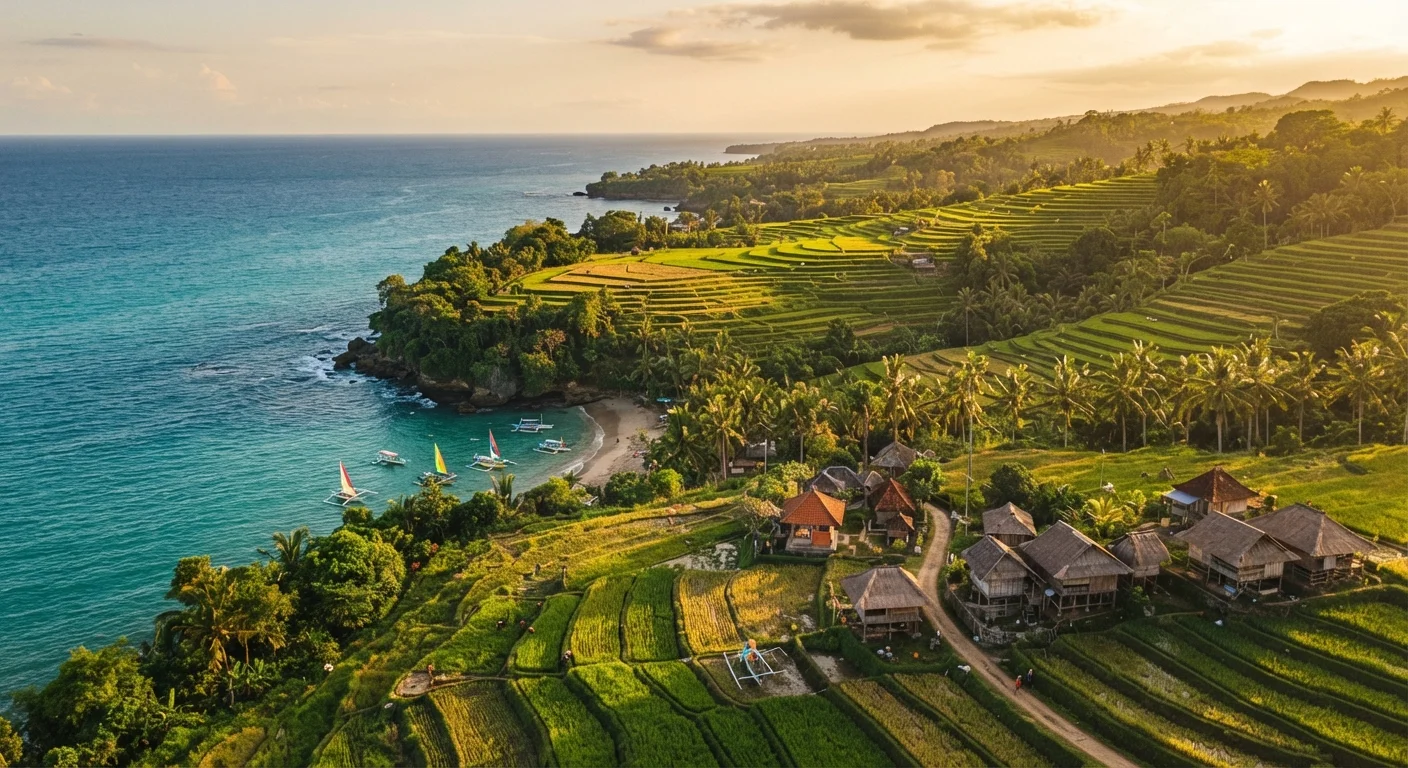
Thailand and Bali get enormous attention from American travelers, but Vietnam, Cambodia, Laos, and the Philippines each offer experiences that are equally compelling and, in some cases, logistically simpler than people expect. Vietnam in particular has invested significantly in tourism infrastructure over the past decade — from Hanoi's Old Quarter to the karst seascape of Ha Long Bay to the lantern-lit streets of Hoi An.
Flight times from the US West Coast to Southeast Asia typically run 15–20 hours with a connection, which is comparable to some transatlantic routes. Many countries in the region offer visa-on-arrival or e-visa options for Americans, but requirements change — always check the official embassy or government website of your destination country before travel. The food cultures across this region are extraordinarily varied and are, for many travelers, a central part of why they return.
Vietnam, Cambodia, and the Philippines offer depth, flavor, and infrastructure that often surprises first-time visitors.
The Western Balkans
Croatia has earned its following, but its neighbors — Montenegro, Bosnia and Herzegovina, and Serbia — remain largely unknown to American travelers. Montenegro's Bay of Kotor is one of the most dramatic coastal settings in Europe, while Sarajevo carries a layered, complicated history that few cities anywhere can match. Bosnia and Herzegovina and Serbia are not in the EU, which means you're outside the Schengen zone and face different (often more flexible) entry conditions — verify details through official channels before you go.
These are destinations where your dollar stretches meaningfully further. Accommodation, meals, and transportation costs are significantly lower than in Western Europe, and English is widely spoken among younger residents and in tourist areas. If you're someone who prefers depth over Instagram-optimized itineraries, the Western Balkans reward that instinct.
Sarajevo and Montenegro's Bay of Kotor offer some of Europe's most layered experiences at a fraction of typical costs.
East Africa
East Africa — Kenya, Tanzania, Uganda, Rwanda — occupies a firm place in bucket-list consciousness but a surprisingly small slice of actual American travel bookings. The barrier isn't usually interest; it's assumptions about cost, complexity, and safety. In reality, several countries in the region have well-established, safety-conscious tourism infrastructure built around national parks and wildlife corridors. Entry requirements vary by country and nationality, so check with official government sources and consult the US State Department's travel advisory pages well in advance.
Rwanda in particular has positioned itself as one of the continent's most visitor-ready destinations, with strong health infrastructure and increasingly direct international air connections. If you're considering longer international travel, reviewing your health coverage options for international trips before heading to East Africa is genuinely important — US domestic health insurance often provides very limited coverage abroad.
Rwanda and Kenya have well-developed tourism infrastructure that makes East Africa more accessible than most Americans assume.
South America's Lesser-Visited Countries
Brazil, Argentina, and Peru dominate South American travel conversations, but Colombia, Ecuador, Bolivia, and Uruguay each make strong cases for attention. Colombia's transformation over the past two decades has been significant — cities like Medellín and Cartagena have become genuinely vibrant destinations with strong culinary scenes and accessible domestic flight networks. Ecuador packs extraordinary geographic variety into a small footprint: Amazon rainforest, Andean highlands, Pacific coast, and the Galápagos Islands.
Most South American countries are within a 5–10 hour flight of Miami or Houston, making them among the more manageable international trips from the eastern and southern US. Many are visa-free for Americans for short stays, though conditions vary — check official sources. Understanding how your money will work is worth attention too: foreign transaction fees and ATM surcharges can add up across a two-week trip.
Colombia and Ecuador combine geographic variety and accessibility with flight times many Americans don't expect.
Central Asia
Uzbekistan, Georgia (the country), and Armenia represent one of the most genuinely underexplored corridors for American travelers. Uzbekistan's Silk Road cities — Samarkand, Bukhara, Khiva — contain some of the most extraordinary Islamic architecture on earth, and the country has made notable efforts to develop tourism infrastructure and simplify visas for Americans in recent years. Georgia (the country, not the state) has become a quiet darling among adventurous travelers for its dramatic Caucasus mountain scenery, ancient cave monasteries, and a wine culture that predates the French by millennia.
These destinations require more planning than a European city break — flights typically involve connections, and some infrastructure outside major cities is still developing. But for travelers who've done the European circuit and want something genuinely different, this region delivers. Before going, bone up on cultural etiquette differences that can affect how you're received.
Samarkand and Georgia's Caucasus scenery offer a level of distinctiveness that seasoned travelers rarely forget.
Planning Smarter Before You Go
Whichever region catches your interest, a few fundamentals apply across all international travel. Know what your US passport actually gets you — visa-free access varies more than most Americans realize, and some destinations require advance visa applications that can take weeks. Budget realistically for the full trip, not just flights — accommodation, ground transport, food, and activities can shift your cost picture significantly depending on the region. And if you're not someone who travels light, taking a hard look at what actually needs to go in your bag before a longer trip saves real frustration.
The world is considerably more accessible to American travelers than the default conversation suggests. The six regions above are a starting point — not an exhaustive list, and not a ranking. They're simply places where the gap between perceived difficulty and actual experience tends to be largest.
This article provides general travel information for educational purposes. Entry requirements, safety conditions, and travel advisories change — always verify current information through official government sources before booking international travel.