
Why Car Fluids Matter
Your vehicle relies on a system of specialized fluids to lubricate moving parts, transfer heat, transmit force, and protect critical components. When any one of these fluids runs low, becomes contaminated, or degrades over time, the result can range from reduced performance to costly mechanical failure. Understanding what each fluid does — and roughly when it needs attention — is one of the most practical things a driver can know.
This reference covers every major fluid found in a modern passenger vehicle. For a broader look at when these fluids are typically serviced alongside other scheduled items, see your car's maintenance schedule explained.
| Number of key vehicle fluids | 7 (most passenger vehicles) |
| Brake fluid characteristic | Hygroscopic — absorbs moisture over time |
| Coolant primary roles | Temperature regulation and corrosion protection |
| Transmission fluid functions | Lubrication and hydraulic pressure (automatics) |
| Power steering note | Many newer vehicles use electric steering — no fluid reservoir |
| Best reference for intervals | Your vehicle's owner's manual |
The Seven Key Fluids and Their Functions
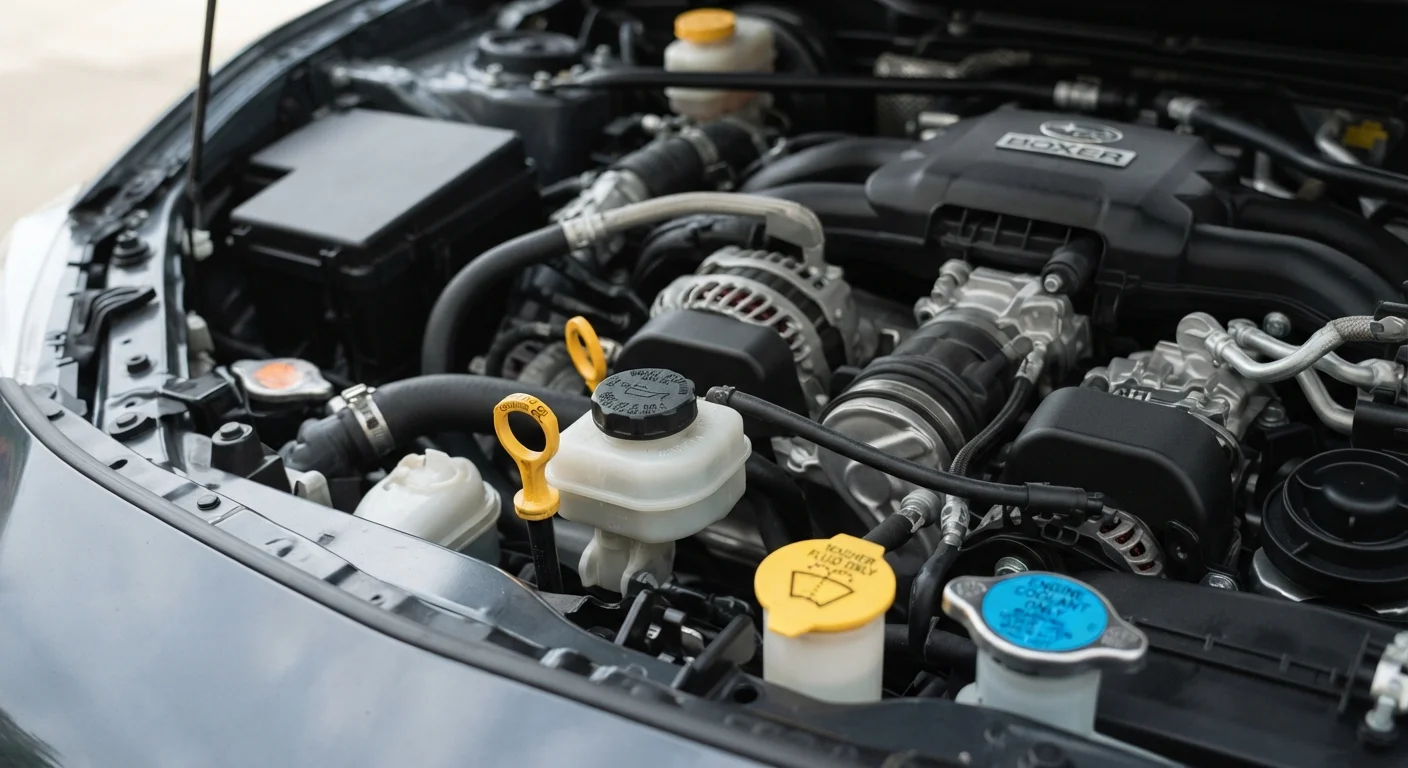
Most passenger cars and trucks use the following fluids. Locations and reservoir markings vary by make and model — always consult your owner's manual before adding or checking any fluid.
Engine Oil
Engine oil lubricates the hundreds of metal parts moving inside your engine, reduces friction-generated heat, and helps suspend contaminants so they can be captured by the oil filter. Over time, oil breaks down and accumulates byproducts that reduce its effectiveness. Oil change intervals vary widely depending on the vehicle and oil type — your owner's manual is the definitive source. For a full picture of scheduled maintenance, including oil changes, visit routine maintenance your car needs and when.
Coolant (Antifreeze)
Coolant circulates through the engine and radiator to regulate operating temperature. It prevents overheating in summer and freezing in winter. Coolant also contains corrosion inhibitors that protect the cooling system's metal components. It degrades over time and typically requires flushing and replacement on a multi-year cycle specified by the manufacturer.
Transmission Fluid
Transmission fluid lubricates the gears, clutch packs, and internal components of your transmission, and in automatic transmissions it also serves as a hydraulic fluid. Degraded or low transmission fluid is a leading contributor to expensive transmission repairs. Change intervals differ significantly between manual and automatic transmissions — check your manual.
Brake Fluid
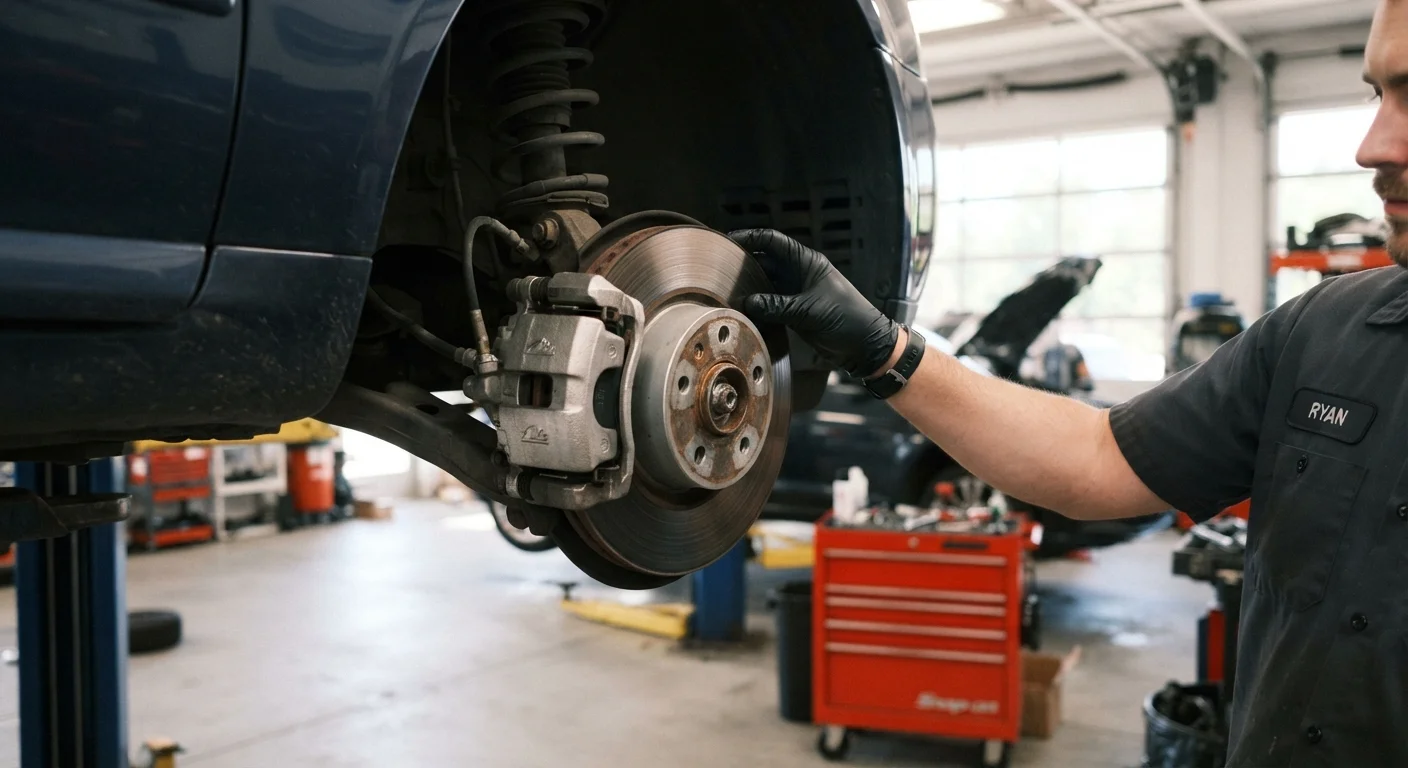
Brake fluid transmits the force from your brake pedal through the hydraulic lines to the brake calipers and wheel cylinders. It is hygroscopic, meaning it absorbs moisture from the air over time, which lowers its boiling point and can reduce braking effectiveness. Most manufacturers recommend inspection or replacement every two years. To understand how braking performance relates to maintenance, see brake maintenance from a driver's perspective.
Power Steering Fluid
Found in vehicles with hydraulic power steering systems, this fluid transmits pressure from the steering pump to help you turn the wheel with minimal effort. Note: many newer vehicles use electric power steering and do not have this reservoir at all.
Windshield Washer Fluid
A cleaning solution designed to remove road grime, insects, and road salt from your windshield without damaging wiper blades or seals. Never substitute water — it can freeze in cold climates and does not clean as effectively.
Differential Fluid
Gear oil lubricates the differential — the component that allows wheels to rotate at different speeds when cornering. Many all-wheel and four-wheel drive vehicles have multiple differentials. This fluid is often overlooked but is essential for drivetrain longevity.
Hygroscopic
Describes a substance that absorbs moisture from the surrounding air. Brake fluid is hygroscopic, which is why it degrades over time even in a sealed system.
Coolant / Antifreeze
A liquid — typically a mixture of ethylene glycol and water — that circulates through the engine to manage temperature and prevent both freezing and boiling.
Differential Fluid
A heavy gear oil that lubricates the differential, the drivetrain component that distributes power between wheels and allows them to rotate at different speeds.
Hydraulic System
A system that uses pressurized fluid to transmit force. Both braking and hydraulic power steering rely on this principle to multiply the driver's input force.
Viscosity
A measure of a fluid's resistance to flow. Engine oil viscosity ratings (such as 5W-30) indicate how the oil performs at both cold start and operating temperature.
Checking and Topping Off Fluids Safely
Most fluid reservoirs are translucent with MIN and MAX markings, making visual checks straightforward. Engine oil uses a dipstick. Always check fluids with the engine cold or as directed by your owner's manual — checking hot coolant, for example, is a burn hazard.
If a fluid is consistently low, that signals a leak or internal consumption issue — topping it off is a short-term measure, not a fix. Have a qualified mechanic inspect the vehicle if you notice recurring low levels, discolored fluid, or unusual smells. Never mix fluid types or use a substitute unless your manufacturer explicitly permits it.
This article is for general informational purposes only. Always follow your vehicle manufacturer's specifications and consult a qualified mechanic for maintenance, diagnosis, or repair decisions specific to your vehicle.