
Why the DIY vs. Professional Line Matters
Handling your own car maintenance can be genuinely empowering — and for certain tasks, it saves both money and time. But overconfidence is where things go wrong. A botched oil drain plug or an improperly seated brake caliper doesn't just cost more to fix; it can put you and others on the road at risk.
The key is understanding which jobs are actually low-risk for someone without a lift, specialized tools, or formal training — and which ones look straightforward but involve systems where mistakes have serious consequences. See our maintenance schedule guide for a full overview of service intervals your vehicle needs.
| Task | DIY-Friendly | Best Left to a Pro | |
|---|---|---|---|
| Engine air filter | Yes — simple, no special tools | Not necessary | |
| Wiper blades | Yes — takes minutes | Not necessary | |
| Brake pads / rotors | Risky without proper tools | Yes — safety-critical system | |
| Timing belt / chain | Not recommended | Yes — complex, high-stakes job | |
| Fluid top-offs | Yes — routine and low-risk | Not necessary | |
| Suspension components | Not recommended | Yes — requires alignment equipment | |
| Fuel system repairs | No — fire and safety risk | Yes — always | |
| Battery terminal cleaning | Yes — with proper precautions | Not necessary |
DIY-Friendly Maintenance Tasks
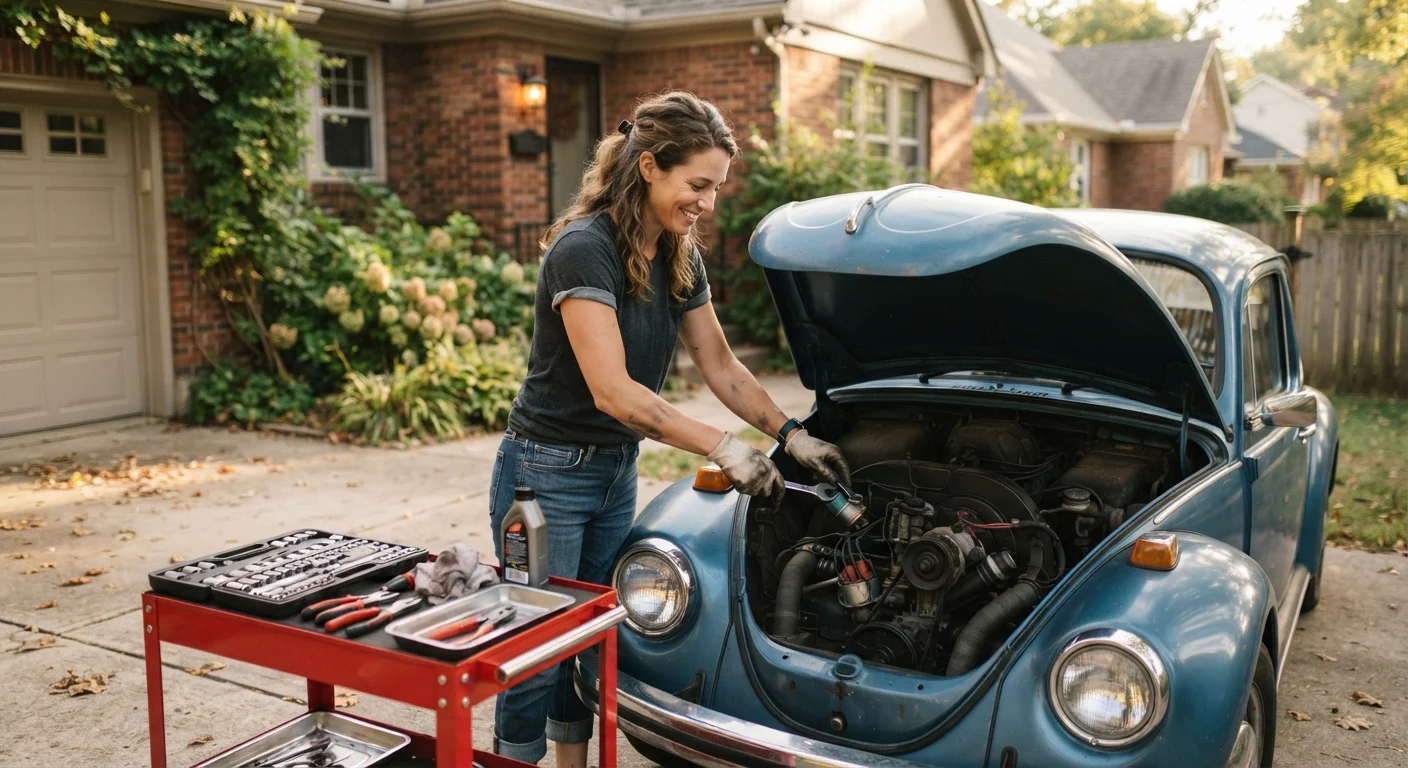
The following jobs are widely considered manageable for most drivers with basic mechanical aptitude and standard tools. Always consult your owner's manual for vehicle-specific procedures before starting any task.
Engine Air Filter Replacement
On most vehicles, the air filter housing is accessible without removing other components. Filters are inexpensive, and the job typically takes under 15 minutes. A clogged filter affects fuel efficiency and engine performance.
Windshield Wiper Blades
Most wiper blades attach via a simple clip mechanism. Replacement kits include instructions, and the process rarely takes more than five minutes per side.
Cabin Air Filter
Often located behind the glove box or under the dashboard, this filter affects air quality inside the vehicle. Access varies by model, but on many cars it requires no tools at all.
Battery Terminal Cleaning and Basic Battery Checks
Corrosion on battery terminals is common and can cause starting problems. Cleaning with a wire brush and baking soda solution is a straightforward task, though exercise caution — always disconnect the negative terminal first and avoid contact with battery acid.
Checking and Topping Off Fluids
Engine coolant, washer fluid, and power steering fluid all have clearly marked reservoirs. Checking levels and adding fluid — using the correct type specified in your manual — is safe and routine. Do not open the coolant reservoir cap when the engine is hot.
Start With Your Owner's Manual
Before attempting any maintenance task, look up the procedure and specifications in your vehicle's owner's manual. It lists the correct fluid types, torque values, and service intervals specific to your make, model, and engine. Generic online guides may not account for differences between trim levels or model years, so the manual is always the most reliable starting point.
Jobs That Belong in a Professional Shop
Some tasks appear simple in online tutorials but carry significant risk when performed without the right equipment or training. The consequences of errors on these systems range from property damage to serious injury.
Brake System Work
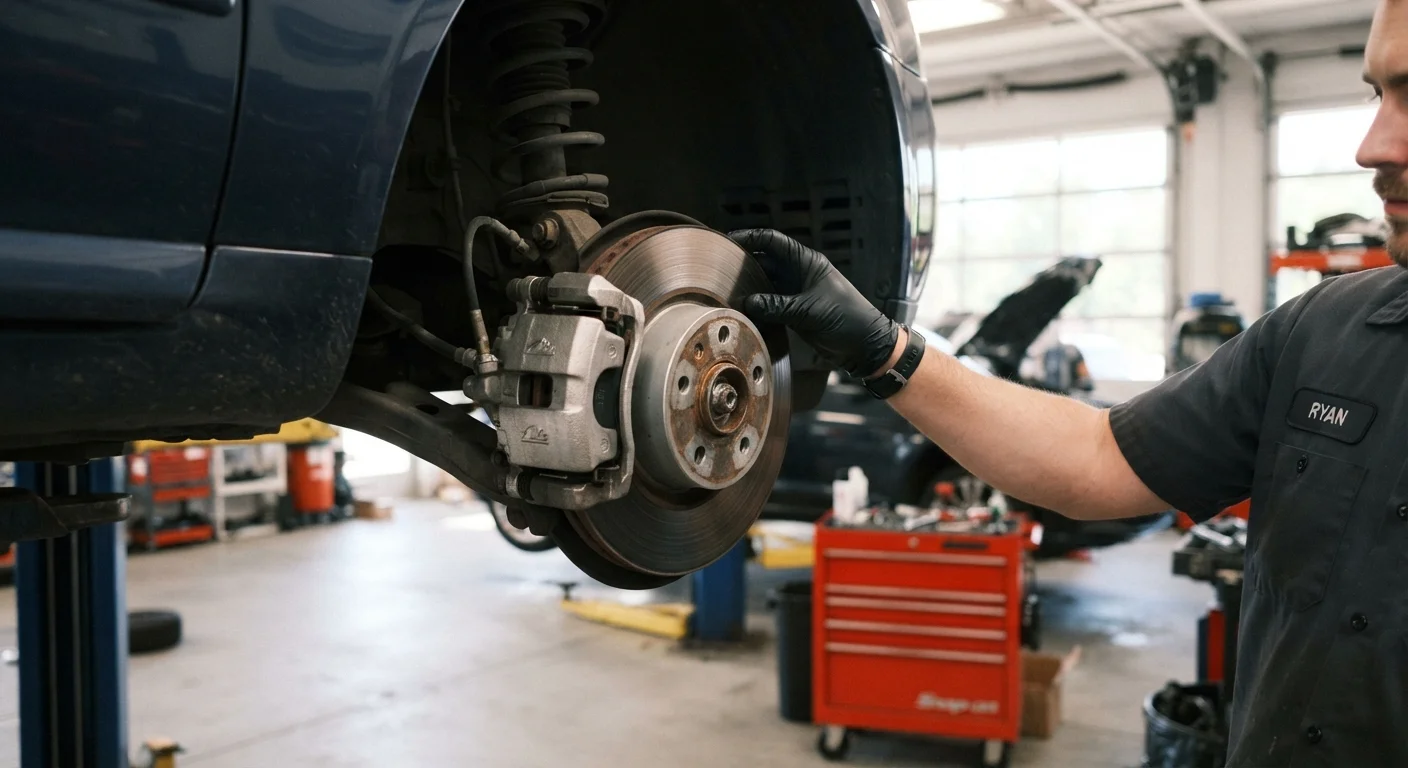
Brake pad replacement is sometimes listed as a DIY task, but the full brake system — calipers, rotors, brake lines, and hydraulic fluid — requires careful handling. An improperly compressed caliper or incorrectly torqued lug nut can cause brake failure. Our brake maintenance guide explains what warning signs to watch for and when to seek professional help.
Suspension and Steering Components
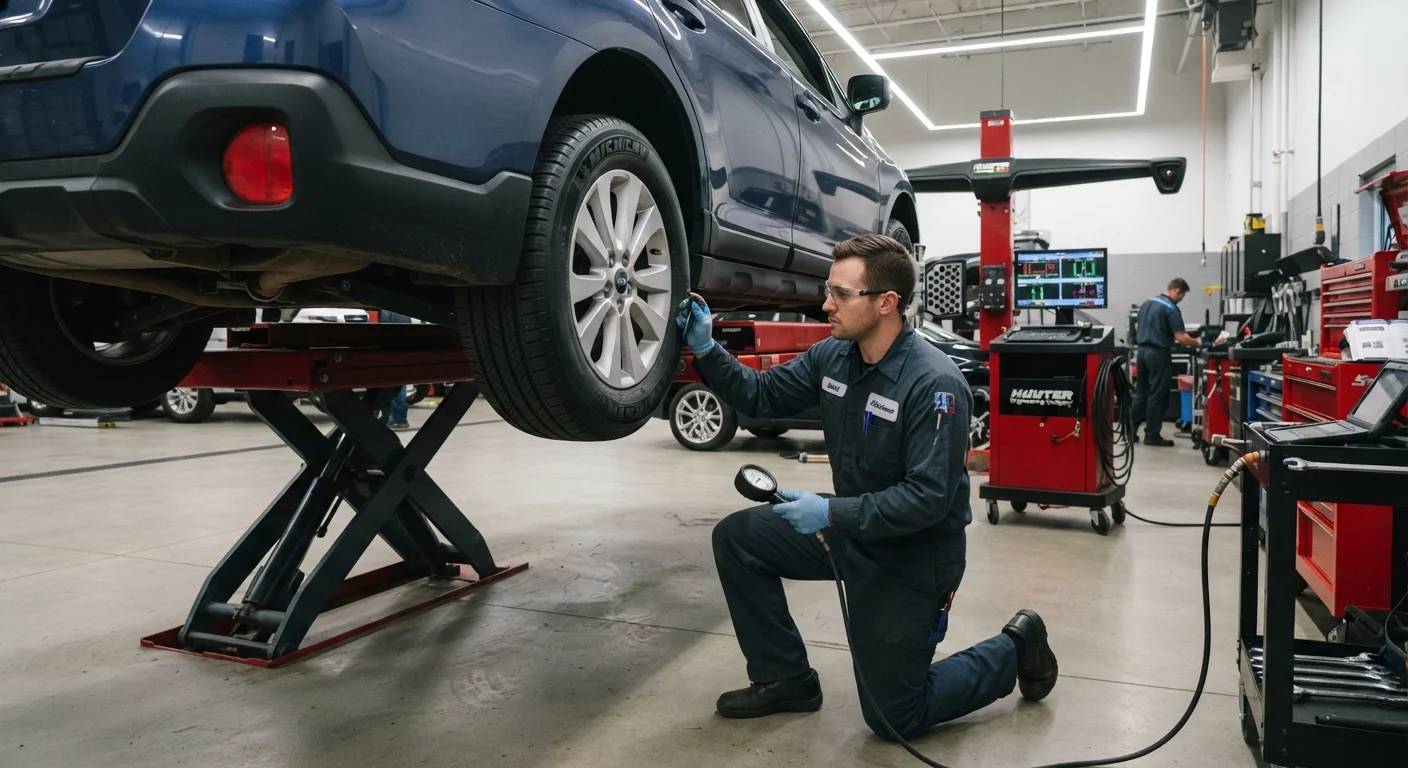
Struts, control arms, tie rods, and ball joints affect how your vehicle handles and stops. These components require precise torque specifications and often alignment equipment that simply isn't available to home mechanics.
Timing Belt or Chain Replacement
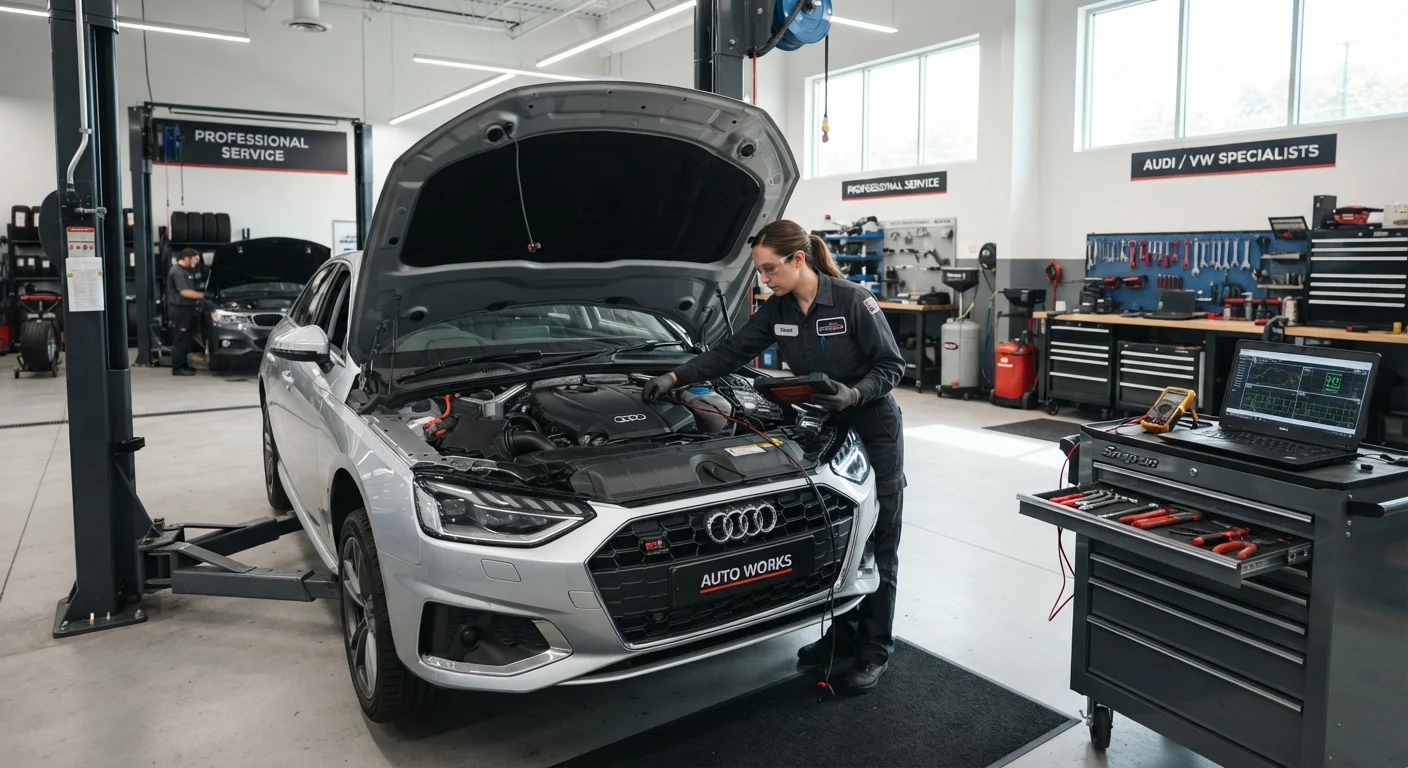
On interference engines, a timing belt that breaks or slips can cause catastrophic internal engine damage. The job itself requires significant disassembly and precise alignment — this is firmly in professional territory.
Fuel System Repairs
Any work involving fuel lines, injectors, or the fuel tank introduces fire and explosion risk. Even seemingly minor fuel leaks should be evaluated by a qualified technician immediately.
Transmission Service
While checking transmission fluid level is manageable on some vehicles, full fluid flushes and internal transmission repairs require specialized equipment and expertise to avoid costly damage.
Don't Rely on Video Tutorials Alone
Online tutorials can be helpful for understanding a process, but they vary widely in accuracy and may be filmed on a different vehicle than yours. A step shown on one model may not apply — or may even be dangerous — on another. Always cross-reference with your owner's manual and, when in doubt, consult a qualified mechanic before proceeding.
How to Make the Call on Borderline Jobs
Not every task falls neatly into one category. Oil changes, for example, are technically DIY-able but require proper disposal of used oil, a safe means of lifting the vehicle, and familiarity with your specific drain plug and filter locations. Many drivers find the convenience of a quick-lube shop outweighs the savings.
When evaluating a borderline task, ask yourself: Do I have the specific tools required? Can I safely lift and support the vehicle if needed? Do I understand what a correct outcome looks like? If the answer to any of these is no, a mechanic is the safer choice.
You should also be aware that some repairs may require pulling permits or following emissions regulations depending on your state — particularly work on catalytic converters or emissions-related sensors. For tire-related service decisions, our guide to rotation, balancing, and alignment clarifies which services need professional equipment.
If you're building a relationship with a new shop, knowing what to bring and what to ask helps you start that relationship on solid footing.