
What a Maintenance Schedule Actually Is
Your vehicle's maintenance schedule is a structured plan, written by the engineers who designed your car, specifying exactly which services should be performed and when. It is not a suggestion or a sales tool — it is the roadmap for keeping your vehicle mechanically sound over its full service life.
Intervals appear in two forms: mileage thresholds (such as every 5,000 or 7,500 miles) and time thresholds (such as every 6 or 12 months). The rule is simple: whichever limit you reach first triggers the service. A driver who puts very few miles on their car each year still needs oil changes on a time basis, because oil degrades chemically even when the car sits idle.
For a broader picture of what long-term ownership actually involves, see everything involved in owning a car long-term.
~$1,200
Average annual vehicle maintenance cost per AAA estimates
AAA's annual 'Your Driving Costs' study consistently finds that routine maintenance is a predictable and manageable part of vehicle ownership when budgeted for in advance.
Over 50%
Drivers who don't follow manufacturer maintenance schedules
Industry surveys have repeatedly found that a significant share of drivers fall behind on at least one scheduled maintenance item, often because they're unsure what the schedule requires.
The Core Services and Why They Matter
Most maintenance schedules are built around a core set of recurring services. Understanding what each one does demystifies the process considerably.
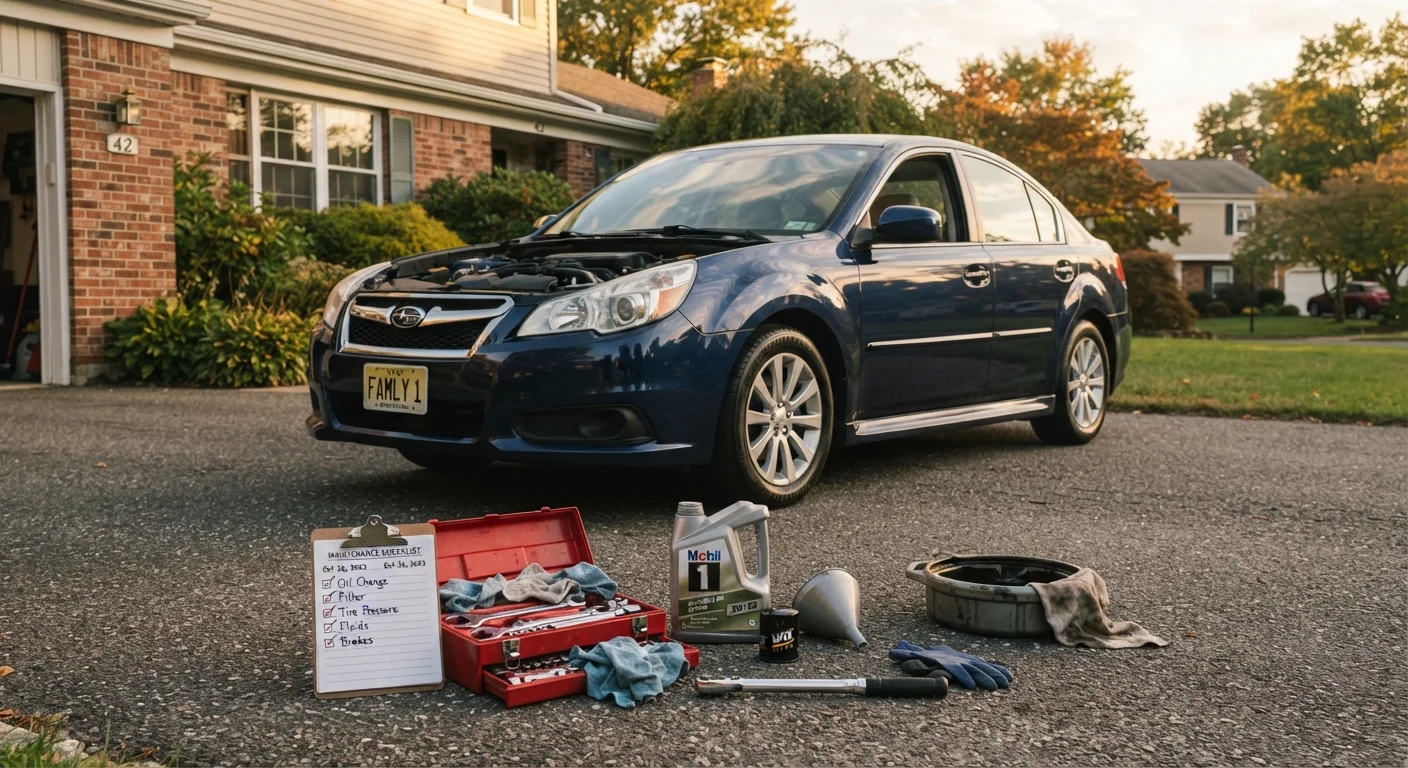
- Engine oil and filter: Oil lubricates moving parts and carries away heat and debris. Over time it breaks down and becomes less effective. Fresh oil is the single most impactful routine service for engine longevity.
- Tire rotation: Front and rear tires wear at different rates. Rotating them on schedule evens out wear, extending tire life and maintaining predictable handling.
- Air filters (engine and cabin): A clogged engine air filter reduces combustion efficiency; a dirty cabin air filter degrades interior air quality. Both are straightforward replacements.
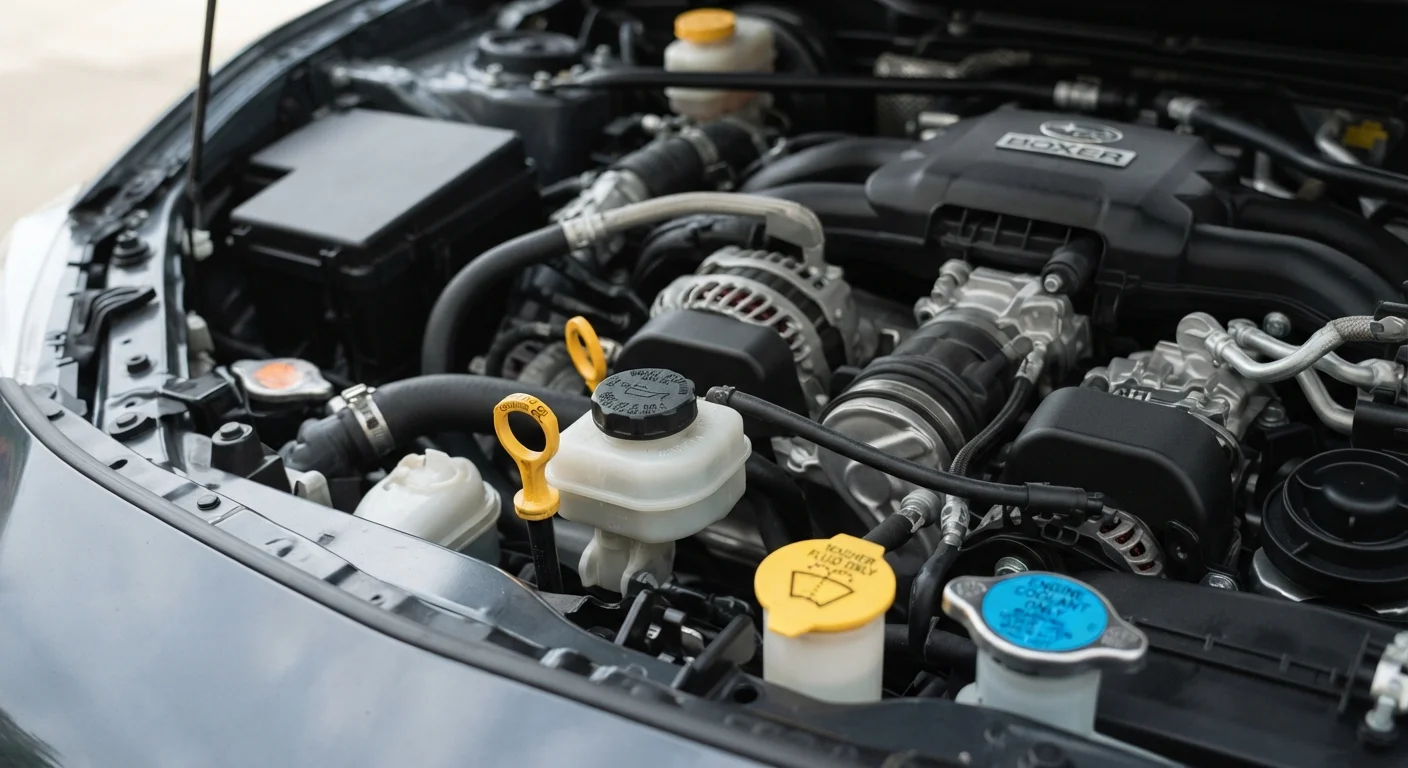
- Fluid checks and replacements: Coolant, brake fluid, transmission fluid, and power steering fluid all degrade or become contaminated over time. Learn what each fluid does and why its condition matters.
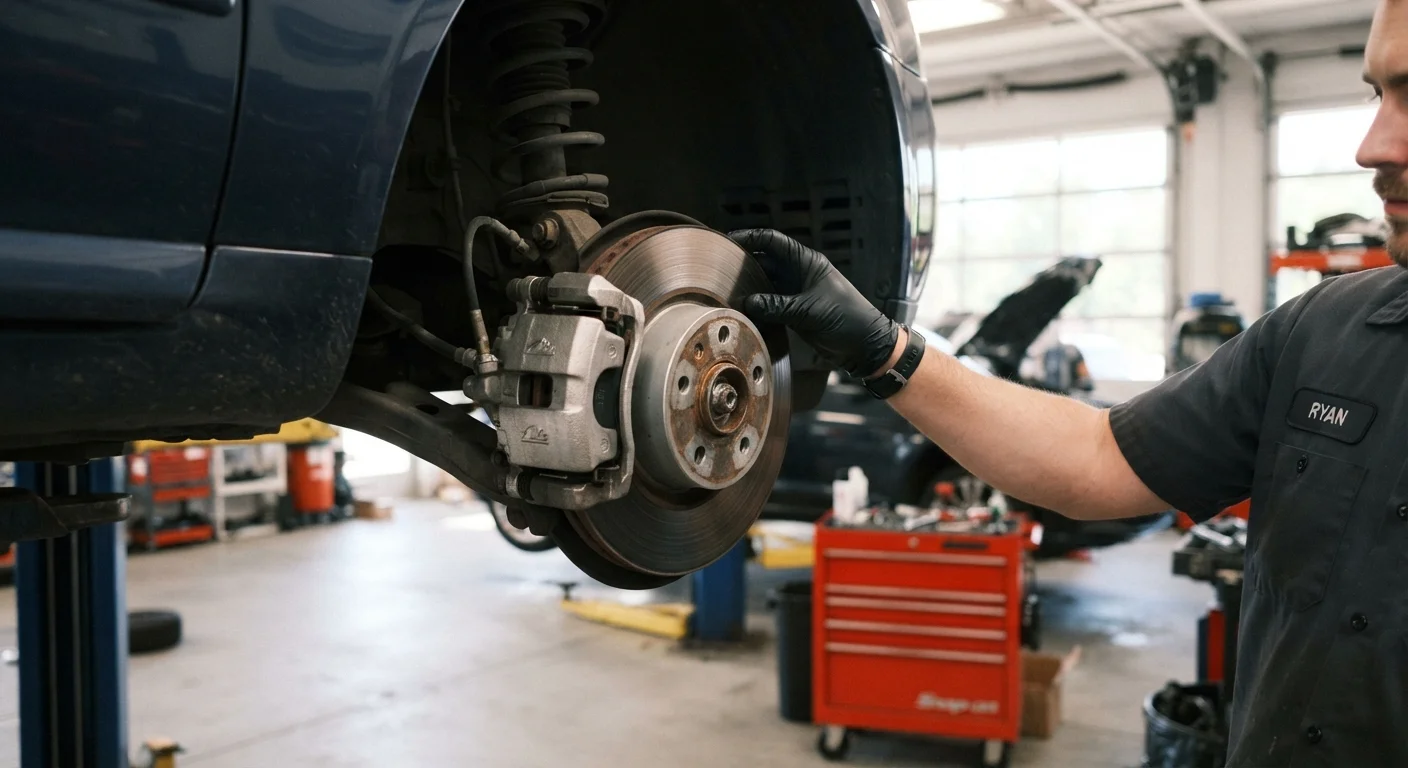
- Brake inspection: Brake pads and rotors wear gradually. Scheduled inspections catch deterioration before it becomes a safety issue. For a driver-focused breakdown, see brake maintenance from a driver's perspective.
- Spark plugs and belts: These are longer-interval items — often 30,000 to 100,000 miles depending on the vehicle — but failure of a timing belt, for example, can cause catastrophic engine damage.
Use Both Triggers — Miles and Months
Always honor whichever maintenance trigger comes first — mileage or time. A car driven only 3,000 miles over a full year still needs an oil change on the time interval because oil oxidizes and accumulates moisture even with minimal use. Ignoring the time trigger is one of the most common maintenance oversights among low-mileage drivers.
Reading Your Owner's Manual Schedule
Owner's manuals organize maintenance into milestone intervals — commonly 5,000, 15,000, 30,000, 60,000, and 90,000 miles — with each milestone specifying a distinct list of tasks. Some tasks appear at every interval; others only appear every few cycles.
Pay attention to the two-schedule distinction. If your manual lists a Normal and a Severe schedule, assess your driving honestly. Frequent short trips, sustained idling, towing, or operation in extreme temperatures all qualify as severe duty and call for the shorter intervals. Many everyday urban commuters fall into the severe category without realizing it.
If you've lost your manual, the manufacturer's website is a reliable alternative. Entering your vehicle identification number (VIN) often pulls up the exact schedule for your build.
Oil Life Monitors Are Helpful, Not Infallible
Many newer vehicles include an oil life monitoring system that estimates remaining oil effectiveness based on engine data. These systems are a useful guide, but they should complement your owner's manual intervals — not replace them. Always follow the manual's minimum change interval as a floor, and consult a qualified mechanic if you're unsure how to interpret your vehicle's system.
Staying Organized and On Track
Knowing the schedule is only half the job — tracking what has actually been done is equally important. A maintenance log gives you a clear record of past services, helps you anticipate upcoming ones, and provides documentation that protects your warranty and adds credibility when you sell the vehicle.
Keeping a car maintenance log doesn't require special software — a notebook in the glove compartment with dates, mileage, and service descriptions works well. Digital spreadsheets or dedicated apps are equally effective if you prefer them.
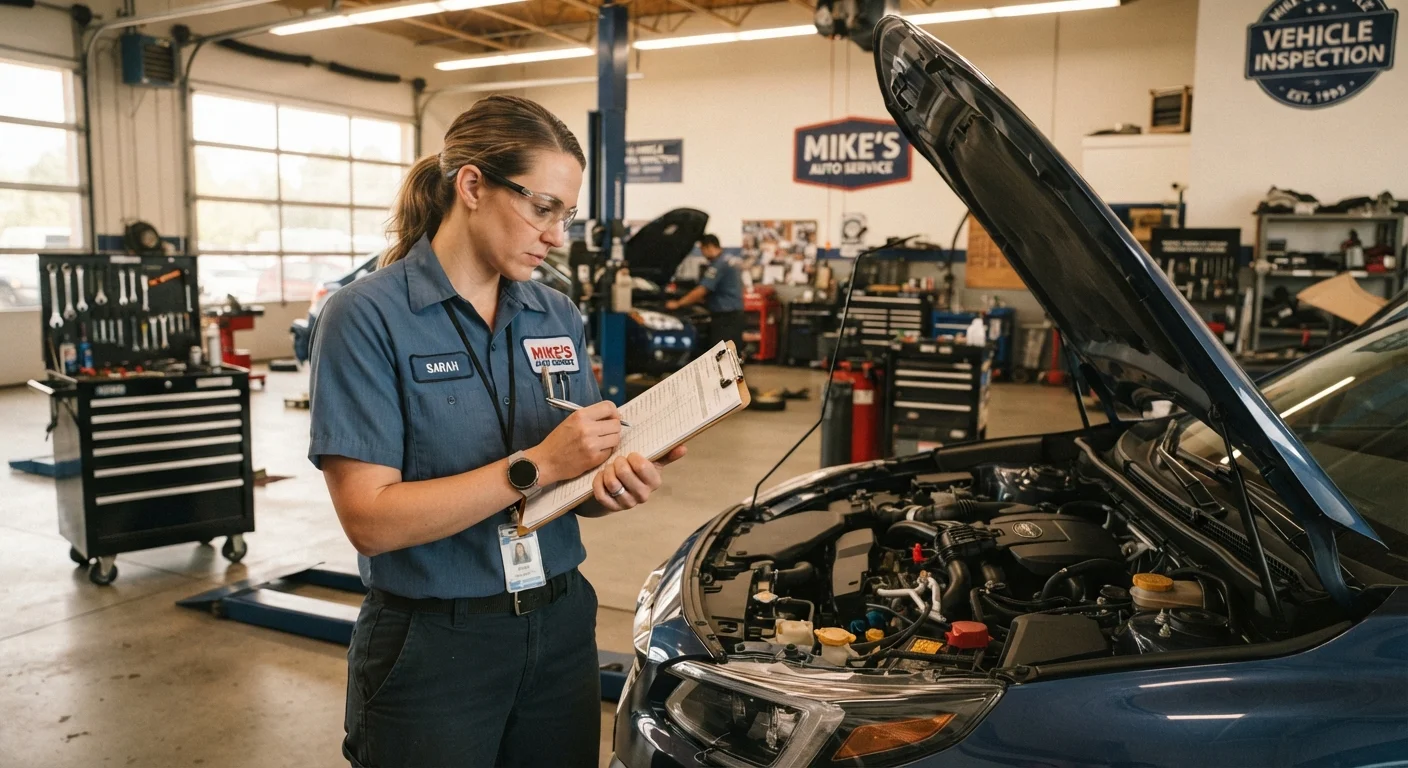
When visiting a new shop, bring your records. A mechanic with a complete service history can make better decisions about what your car needs. See what to know before taking your car to a new mechanic for practical guidance on that transition.
For a consolidated view of annual ownership responsibilities, the annual car ownership checklist is a useful companion resource. And if a dashboard warning light appears between scheduled visits, don't wait — consult what your dashboard warning lights are telling you to understand whether the issue needs immediate attention.