
How Dashboard Warning Lights Work
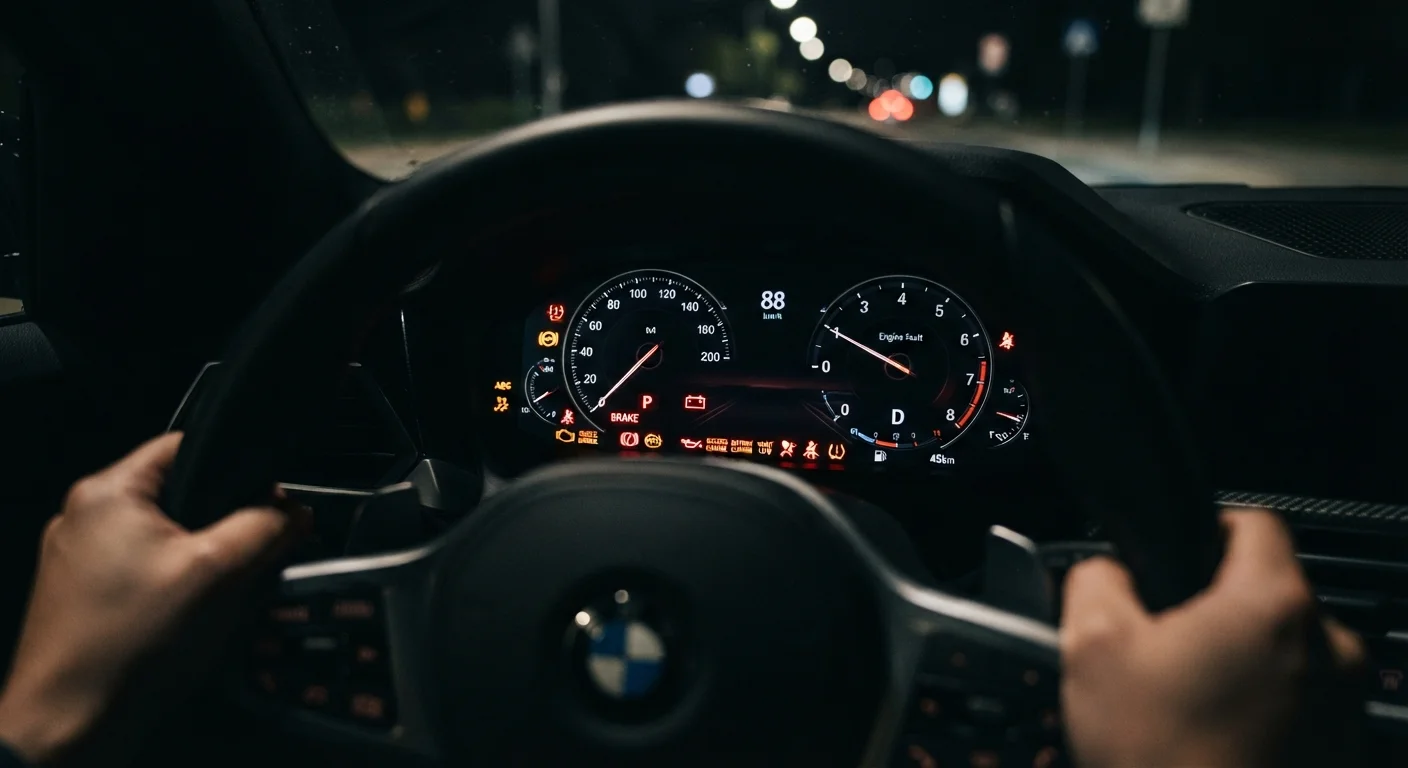
Modern vehicles use an onboard diagnostics system (OBD) that continuously monitors dozens of sensors throughout your car. When a sensor detects a reading outside its normal range, it triggers a warning light on your instrument cluster. These lights are color-coded by urgency: red signals a serious problem requiring immediate action, amber or yellow indicates a condition that needs attention soon, and blue or green lights are informational — confirming a system is active.
Your owner's manual is the authoritative source for your specific vehicle's symbols, since some icons vary slightly between makes and models. That said, many lights are standardized across the industry, making this reference a reliable starting point for most American drivers.
| Color: Red | Immediate action required — stop driving when safe |
| Color: Amber/Yellow | Service needed soon — within days |
| Color: Blue/Green | Informational — system is active or confirmed |
| Diagnostic tool | OBD-II scanner reads fault codes behind most amber lights |
| Owner's manual | The definitive reference for your specific vehicle's symbols |
Red Lights: Stop and Act
Red warning lights represent the highest urgency. If one illuminates while you're driving, reduce speed, pull over safely when possible, and assess the situation before continuing.
- Oil Pressure (oil can icon): Engine oil pressure has dropped dangerously low. Pull over immediately and shut off the engine. Driving further can cause catastrophic engine damage within minutes. Check the oil level with the dipstick; if it's full, have the vehicle towed — do not drive it.
- Engine Temperature (thermometer in liquid): Your engine is overheating. Pull over, turn off the engine, and allow it to cool. Never open the radiator cap on a hot engine. Check coolant level only after the engine has cooled completely.
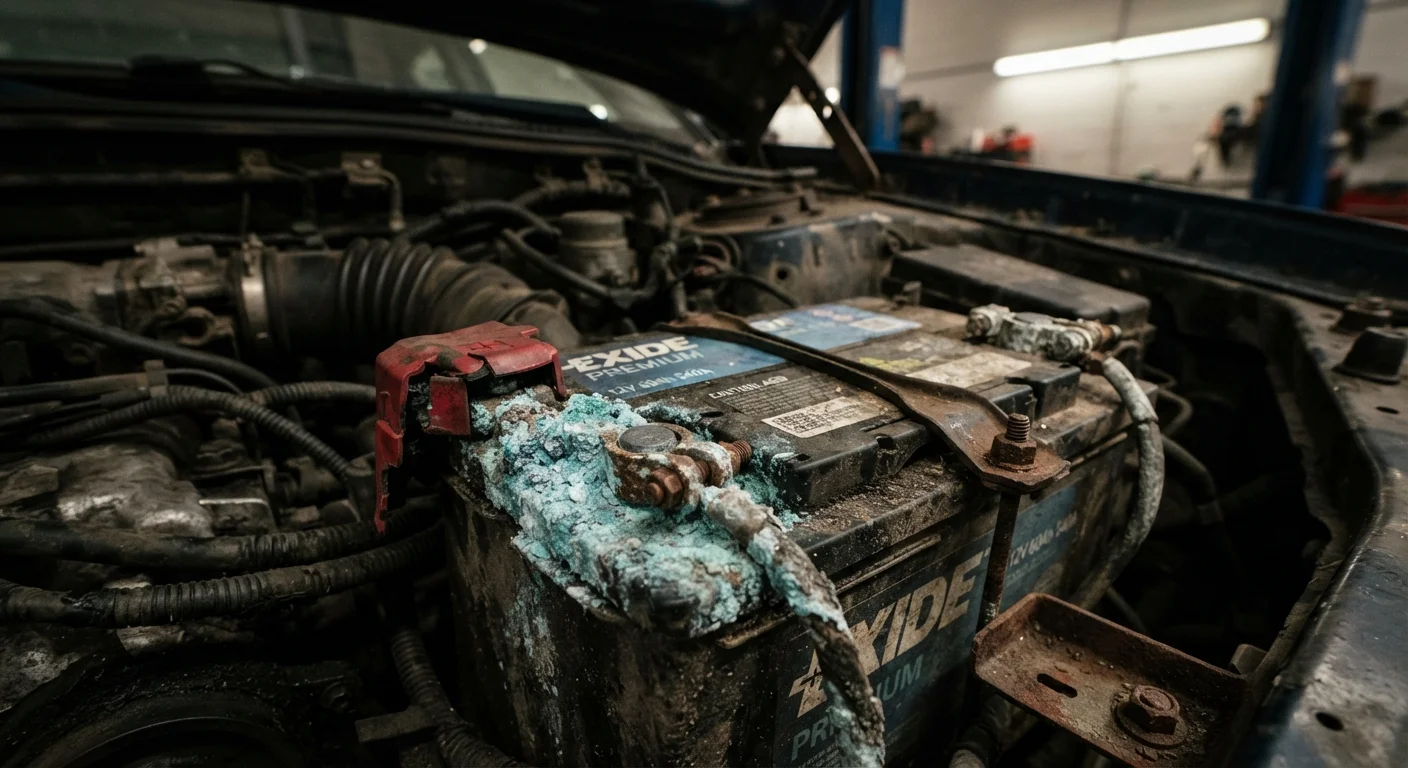
- Battery / Charging System (battery icon): The electrical charging system is failing. Your battery is running on reserve power. Limit electrical use and drive directly to a service facility. See signs your battery may be failing to understand longer-term symptoms.
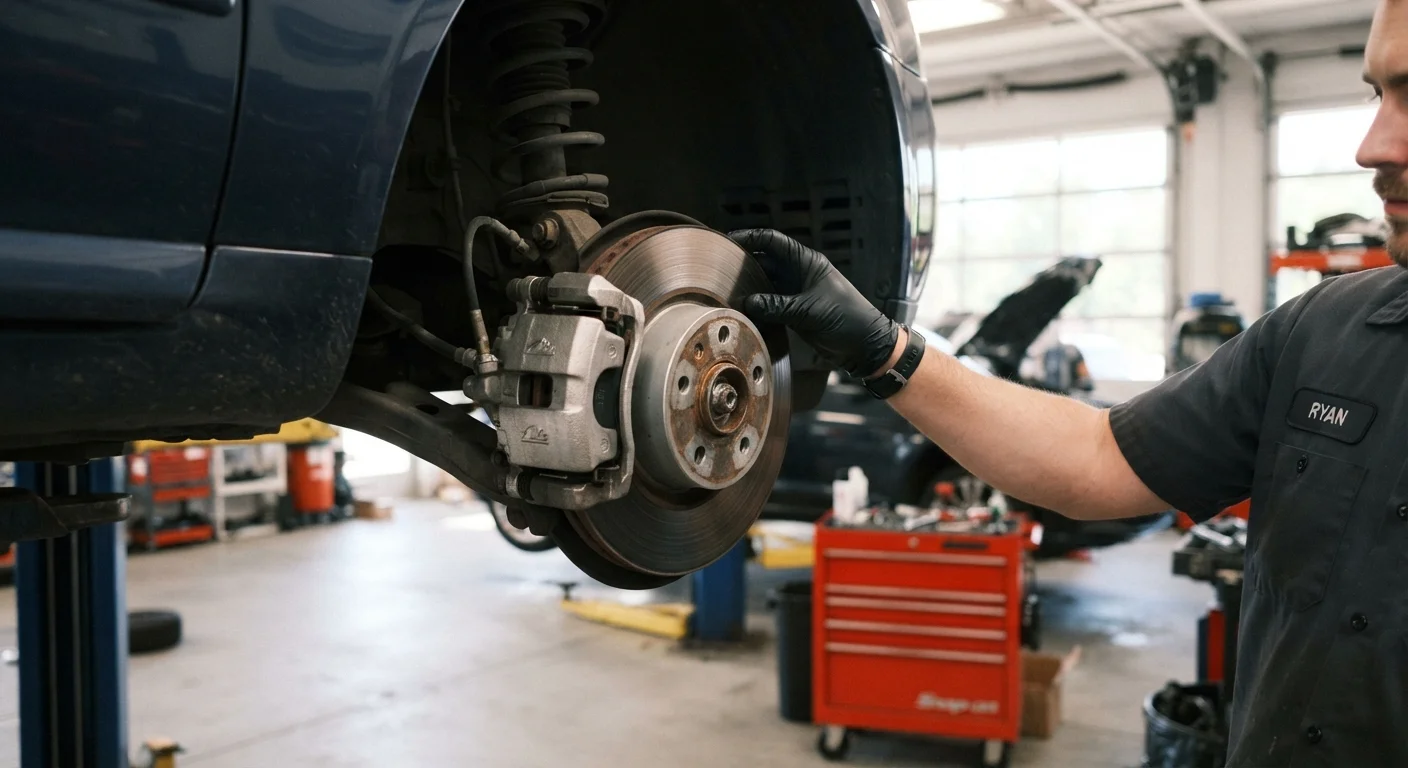
- Brake System (exclamation in circle or BRAKE): This can mean the parking brake is engaged, brake fluid is low, or there's a fault in the braking system. Confirm the parking brake is fully released; if the light remains on, have brakes inspected immediately. For a deeper look, see brake maintenance from a driver's perspective.
~75%
Drivers who've ignored a warning light
According to a CarMD consumer survey, approximately three-quarters of American drivers have driven with an illuminated check engine light for more than a week.
Minutes
Time before engine damage from low oil pressure
Automotive engineers note that running an engine with critically low oil pressure can cause irreversible bearing and cylinder damage in just a few minutes of operation.
Amber Lights: Schedule Service Soon
Amber lights indicate a developing problem that doesn't demand you stop immediately but should be addressed within days — not weeks.
- Check Engine (engine outline): One of the most misunderstood lights. A solid amber check engine light means the OBD system has logged a fault code — anything from a loose gas cap to a misfiring cylinder. A flashing check engine light is more urgent and can indicate engine misfires that damage the catalytic converter; reduce speed and seek service promptly. A mechanic or auto parts retailer can read the fault code with an OBD-II scanner.
- Tire Pressure (TPMS — exclamation inside a tire cross-section): One or more tires are significantly under-inflated. Check pressures with a gauge and inflate to the recommended level found on the sticker inside your driver's door jamb, not the number on the tire sidewall.
- Traction Control / Stability Control (car with wavy lines): When flashing, it means the system is actively working. When illuminated steadily, the system may be disabled or faulty. If it stays on without cause, have it inspected.
- Transmission Temperature: Transmission fluid is overheating — often from towing, steep grades, or stop-and-go traffic. Reduce load and allow the vehicle to cool.
Staying current with scheduled services helps prevent many amber-light situations. Understanding your car's maintenance schedule explains what each service interval is actually doing for your vehicle.
OBD-II
On-Board Diagnostics, second generation — a standardized system required on all U.S. vehicles since 1996 that monitors engine and emissions systems and stores diagnostic fault codes.
Fault Code (DTC)
Diagnostic Trouble Code — an alphanumeric code stored by the OBD-II system when a sensor reading falls outside acceptable limits. A mechanic or OBD-II scanner can retrieve these codes.
TPMS
Tire Pressure Monitoring System — a sensor-based system required on all new U.S. passenger vehicles since 2008 that alerts drivers when tire pressure drops significantly below the recommended level.
Catalytic Converter
An emissions control device in the exhaust system that converts harmful combustion byproducts into less harmful gases. Engine misfires can overheat and permanently damage this component.
When to Drive On vs. When to Stop
A common question drivers ask is whether it's safe to keep driving when a warning light appears. The general rule: red means stop, amber means schedule service, and if you're ever uncertain, erring on the side of caution protects both you and your vehicle.
Never ignore a warning light because the car seems to be running fine. Some conditions — like rising coolant temperature or dropping oil pressure — can cause irreversible engine damage in a matter of minutes. Staying on top of routine maintenance intervals reduces the likelihood of critical warning lights appearing unexpectedly.
Your Owner's Manual Overrides General Guides
Warning light icons and their meanings can vary between vehicle manufacturers and model years. While most symbols are industry-standard, some automakers use proprietary icons or assign slightly different meanings. Always confirm unfamiliar lights against your vehicle's owner's manual. A digital copy is often available on the manufacturer's website if the printed version isn't in your glove box.
If you're ever unsure what a symbol means while driving, pulling over to consult your owner's manual or search the symbol online is a safe, sensible move. Distracted driving to investigate a light is itself a hazard — a reminder that attentiveness on the road matters at every moment. See our safe driving hub for additional guidance on staying focused behind the wheel.