
Why Batteries Fail Gradually — Not All at Once
A car battery rarely fails without warning. The chemistry inside a lead-acid battery degrades progressively over hundreds of charge and discharge cycles, losing capacity in stages rather than in a single moment. That gradual decline is what makes the warning signs so valuable — if you know what to look for, you have a real window to act before you're stranded in a parking lot or, worse, on the side of a highway.
The typical battery lifespan falls between three and five years, but that figure shifts meaningfully based on where you live, how you drive, and how your vehicle's electrical system behaves. Heat accelerates chemical breakdown inside the battery; cold weather reduces the battery's ability to deliver current on demand. Short, frequent trips — common in urban driving — don't give the alternator adequate time to fully recharge the battery after each start. Understanding these variables helps you set realistic expectations rather than assuming a battery is fine just because it's relatively new.
How Long Should a Car Battery Last?
Most conventional lead-acid car batteries have a service life of roughly three to five years, though this varies with climate, driving habits, and vehicle type. Batteries in hot climates often degrade faster due to heat-accelerated chemical breakdown. Vehicles that make frequent short trips — where the alternator rarely has time to fully recharge the battery — also tend to see shorter battery life. Many auto parts stores and repair shops can perform a free battery load test, which gives a more accurate picture of remaining capacity than age alone.
Six Warning Signs Worth Acting On
The engine cranks slowly or hesitates before starting
One of the clearest early signals is a sluggish engine crank — that labored, drawn-out sound when you turn the key or press the start button. The battery supplies the surge of electrical current your starter motor needs; as battery capacity degrades, it struggles to deliver that burst, especially in cold weather. If your engine used to fire up instantly and now pauses for a beat or two, take it seriously.
A sluggish crank is often the first measurable symptom of a battery losing capacity.
Headlights and interior lights appear dimmer than usual
Your vehicle's lighting system draws directly from battery power, particularly before the alternator is fully engaged at idle. Noticeably dimmer headlights, a fading dome light, or dashboard illumination that brightens slightly when you rev the engine all point to a battery that can no longer hold a stable charge. This symptom is easy to overlook but worth acting on promptly.
Lights that brighten when you rev the engine suggest the battery isn't holding a stable charge.
The battery warning light appears on your dashboard
Modern vehicles monitor charging system voltage continuously. When the battery or charging system falls outside normal parameters, a battery or check-charging-system warning light illuminates. This light can indicate a failing battery, a weakening alternator, or a wiring issue — none of which should be ignored. See our guide to dashboard warning lights for a fuller explanation of what this and other indicators mean.
The battery warning light flags a charging system problem — it doesn't always mean the battery alone is at fault.
You notice corrosion or swelling around the battery
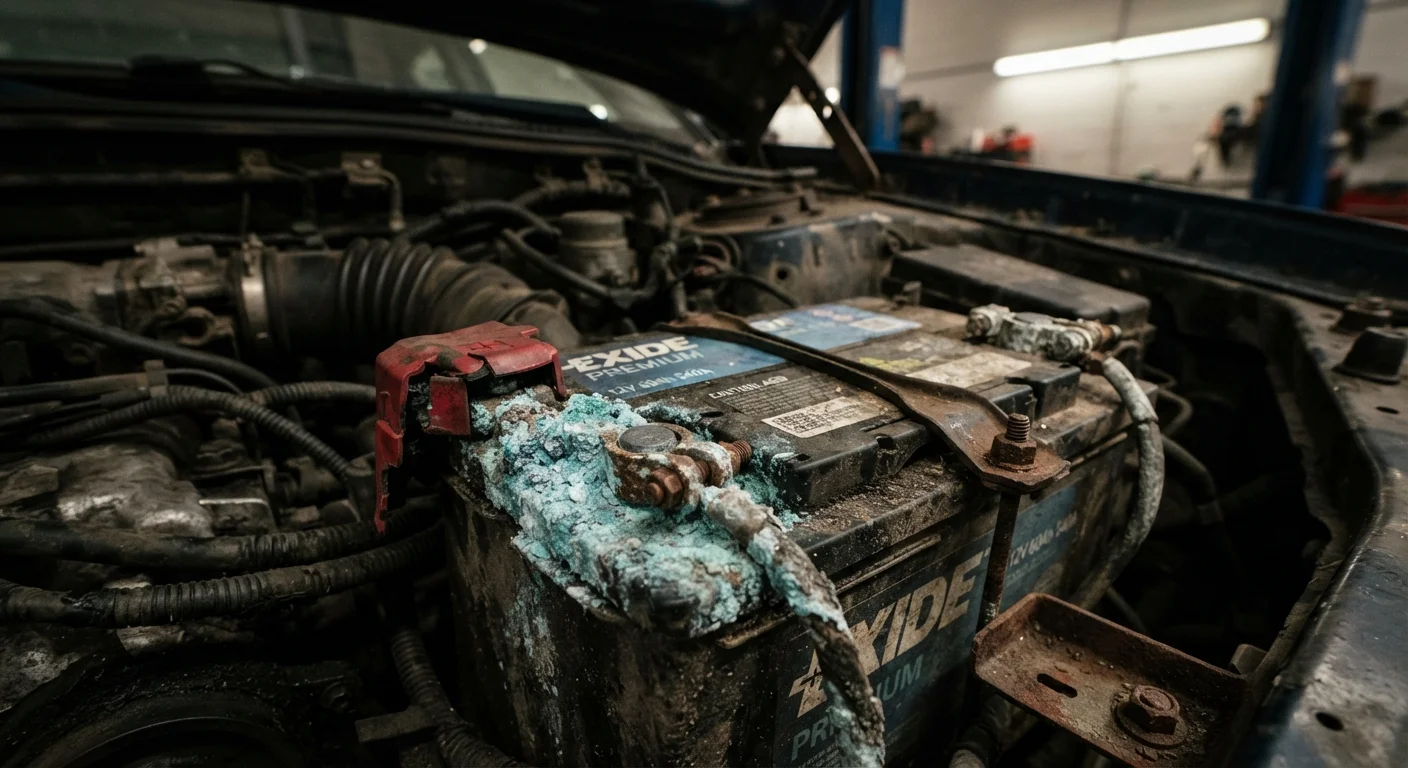
A visual inspection can reveal a lot. White or bluish powdery buildup around the terminals indicates corrosion from acid vapors, which can interfere with the electrical connection and accelerate wear. A battery case that appears swollen or bloated — rather than rectangular and flat-sided — is a sign of internal damage, often caused by excessive heat exposure. Either condition warrants professional evaluation. Do not attempt to handle a swollen battery without guidance from a qualified mechanic, as it can pose a safety risk.
A swollen battery case is a safety concern, not just a performance issue — have it inspected immediately.
The battery repeatedly needs a jump-start
Needing an occasional jump-start after accidentally leaving the lights on is one thing. Needing one regularly — especially when you haven't left anything on — is a clear sign the battery can no longer hold a sufficient charge between drives. A healthy battery that is fully charged by the alternator should retain that charge for days or even weeks in a parked vehicle. Recurring jump-starts mean the battery has likely reached the end of its serviceable life.
Frequent jump-starts with no obvious cause mean the battery can no longer hold a useful charge.
Electrical accessories behave erratically
Modern vehicles rely on a stable voltage supply to run everything from the power windows and infotainment system to driver-assistance features. A weakening battery can cause intermittent glitches: windows moving slower than usual, the radio resetting, or the backup camera hesitating. These oddities are easy to attribute to software issues, but voltage instability from an aging battery is a common culprit worth ruling out first. If you're maintaining a high-mileage vehicle, keeping tabs on battery health becomes even more important.
Intermittent electrical glitches are often a battery voltage problem masquerading as a software fault.
Add Battery Checks to Your Pre-Trip Routine
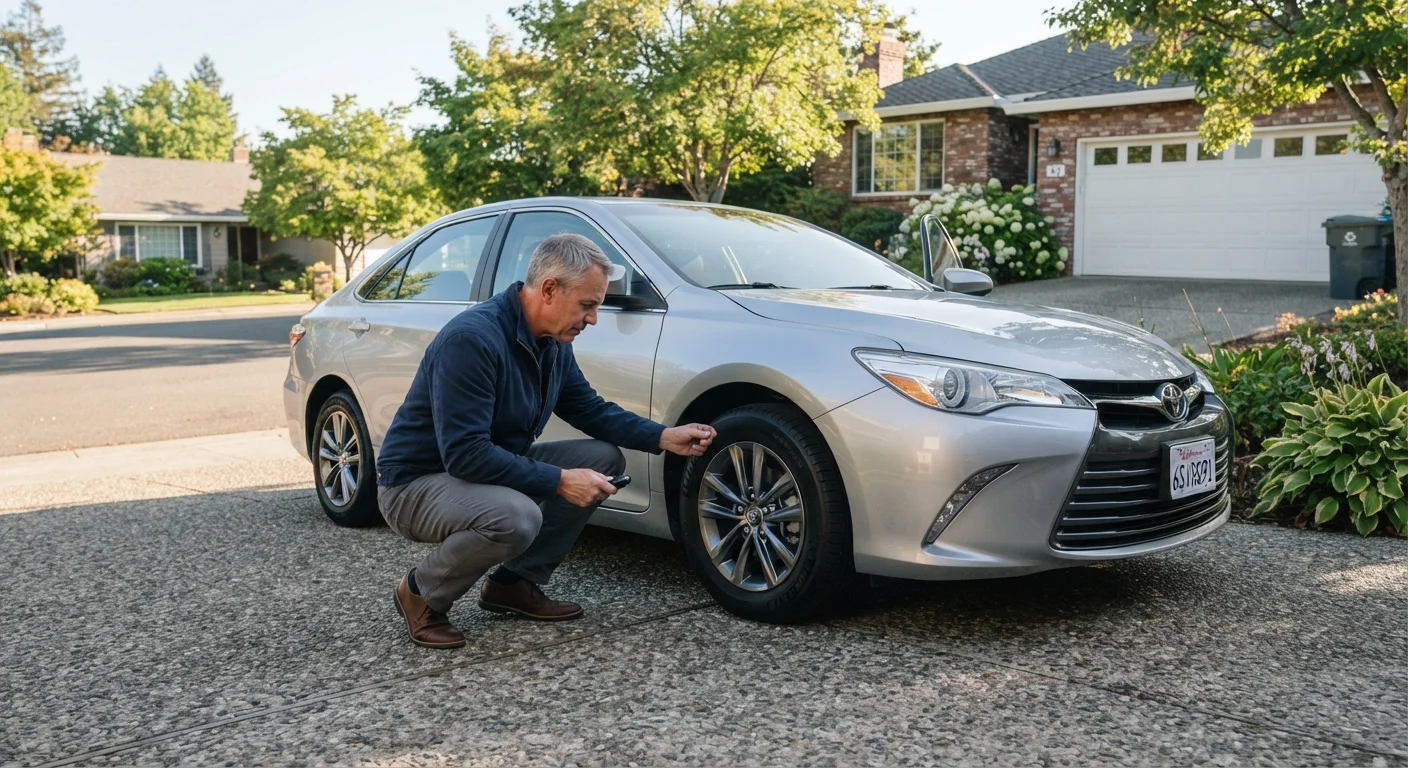
Before long trips, a quick check of battery terminal tightness and visible corrosion takes less than a minute and can prevent a breakdown far from home. Our pre-trip vehicle safety checklist walks through the full habit in plain steps.
What to Do When You Spot the Signs
If you recognize one or more of these symptoms, the next step is a battery load test — a quick, inexpensive diagnostic that measures how much current your battery can deliver under real-world demand. Many auto parts stores offer this service at no charge. A qualified mechanic can also test the alternator output at the same time, since a faulty alternator can drain even a healthy battery and is sometimes misidentified as a battery problem.
Replacing a battery before it fails outright is almost always less disruptive and less costly than dealing with a roadside breakdown. When you do replace it, have a mechanic verify that the charging system is functioning correctly — otherwise a new battery may be working against an underlying problem from day one. If you're keeping an older vehicle on the road for the long haul, battery maintenance is one of the more straightforward — and often overlooked — pillars of reliable ownership.