
Why Keeping Your Car Longer Often Makes Financial Sense
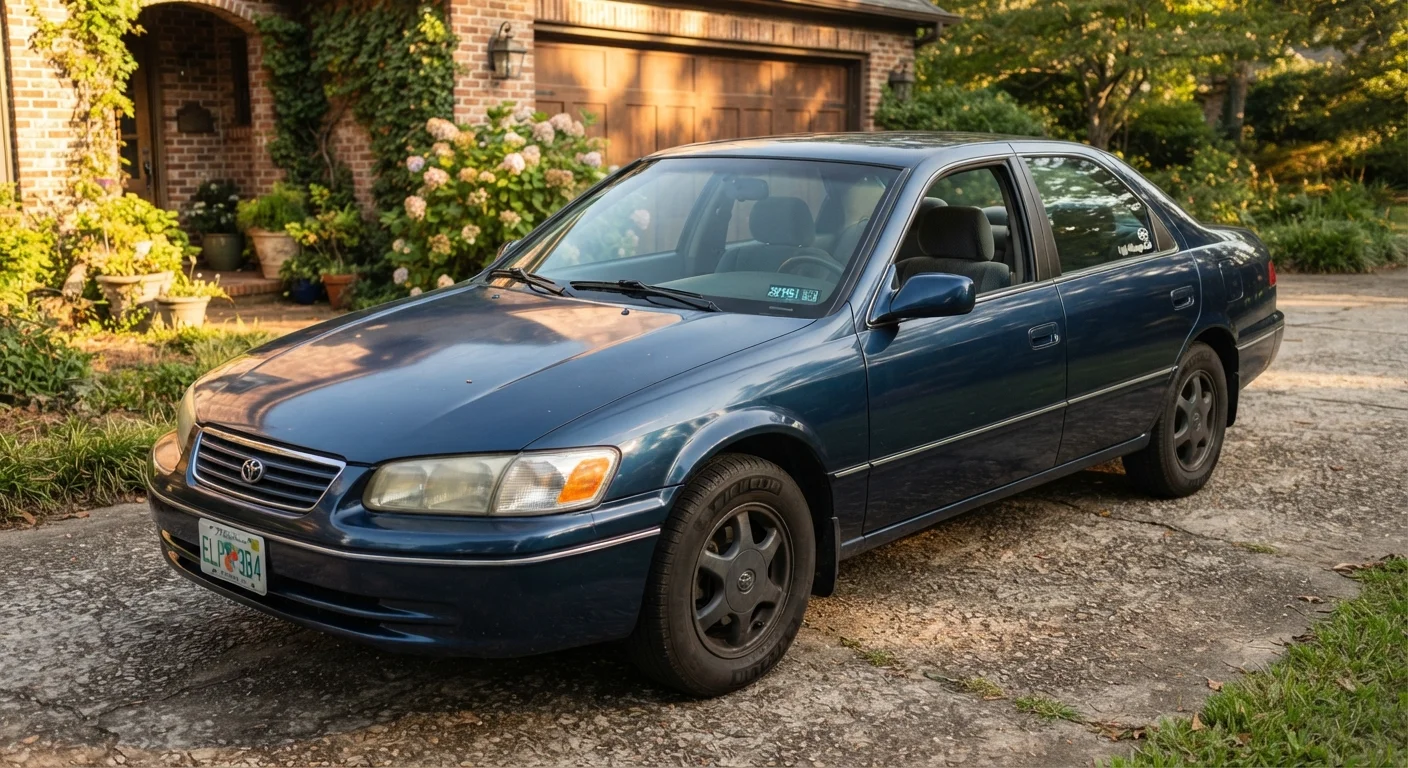
The moment a car loan is paid off, it quietly becomes one of the most valuable financial assets in a household — not because of what it's worth to sell, but because of what it costs to operate. Without a monthly payment, even a vehicle requiring moderate annual repairs can be dramatically cheaper to own than financing a replacement.
Consider that the average new-vehicle loan payment in the U.S. runs well over $500 per month, according to industry data from automotive finance researchers. A year of those payments alone can exceed what many high-mileage vehicles cost in maintenance and repairs combined. That gap is the core financial argument for long-term ownership.
Of course, the math shifts if repair costs become extreme or if the vehicle becomes unreliable for daily use. Understanding that threshold — and planning for it — is what separates a sound high-mileage ownership strategy from simply hoping for the best. For a broader view of what long-term ownership involves across a vehicle's full life, see our comprehensive guide to long-term car ownership.
12+ years
Average age of vehicles on U.S. roads
According to S&P Global Mobility data, the average age of light vehicles in operation in the United States has been rising steadily, reflecting a broad trend toward longer ownership.
200,000+
Miles many modern engines are designed to last
Automotive engineers and industry analysts widely cite proper maintenance — not a specific mileage ceiling — as the primary determinant of engine longevity in contemporary vehicles.
Best Practices for Keeping a High-Mileage Vehicle Reliable
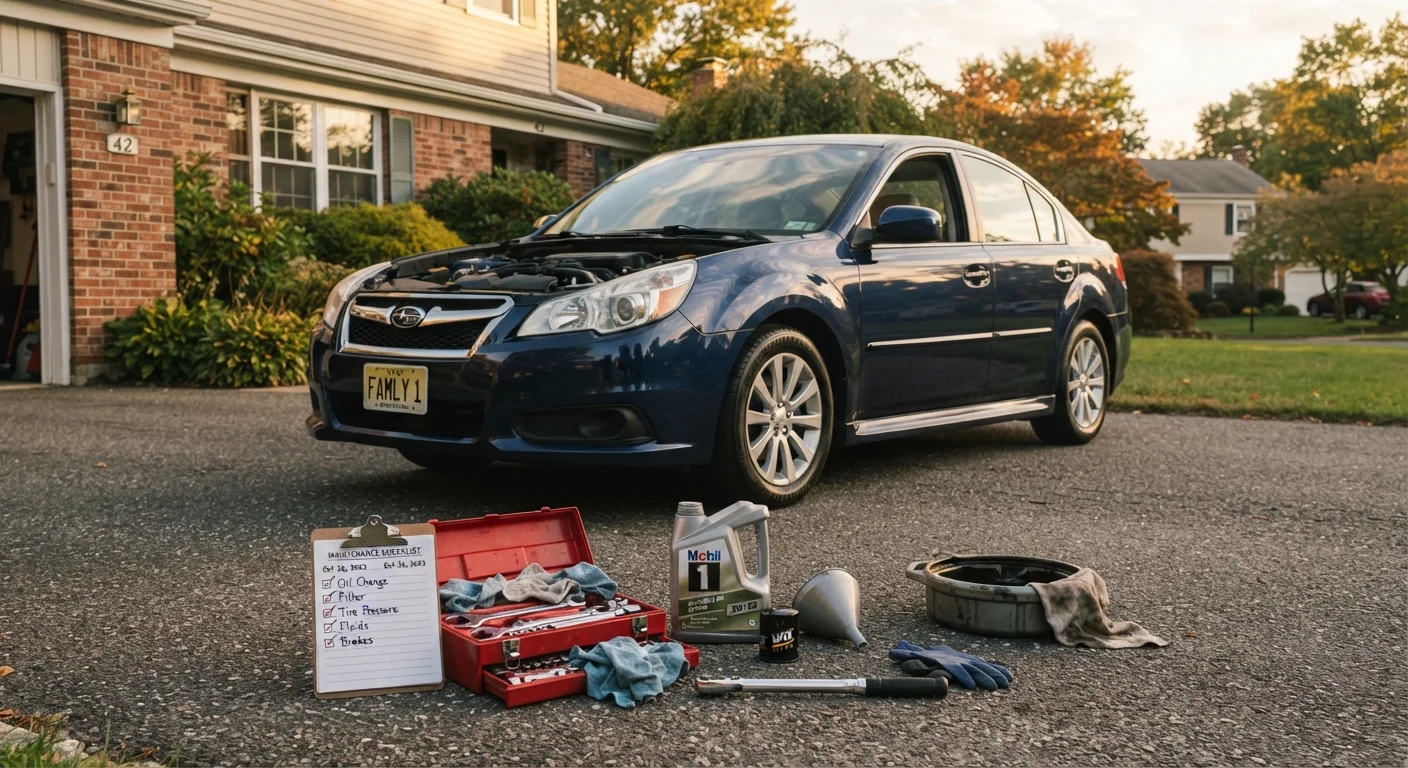
Reliability at high mileage isn't luck — it's the result of deliberate, consistent care. The following practices are what separates the vehicles that reach 200,000 miles in solid shape from those that don't make it there gracefully.
Follow the manufacturer's maintenance schedule without exception
The maintenance intervals in your owner's manual are engineered for your specific engine and drivetrain. Skipping or delaying services — particularly oil changes, coolant flushes, and transmission service — accelerates internal wear in ways that compound over time and become expensive to reverse.
Inspect and replace rubber components proactively
Hoses, belts, gaskets, and seals degrade with age and heat exposure regardless of mileage. A failed serpentine belt or a burst coolant hose can cause immediate, severe engine damage that dwarfs the cost of preventive replacement.
Address small problems before they become large ones
Minor issues — a small oil leak, a slightly rough idle, a soft brake pedal — are typically inexpensive to fix early and expensive to ignore. In high-mileage vehicles, deferred maintenance tends to cascade into interconnected failures.
Pay attention to driving patterns and adjust maintenance accordingly
Frequent short trips, stop-and-go city driving, and extreme temperatures all accelerate wear beyond what standard maintenance intervals assume. Drivers in these conditions often benefit from more frequent service intervals. Short-trip driving carries specific risks that many owners underestimate.
Keep accurate maintenance records for every service performed
Detailed records help you track what has been done, identify recurring problems, and make informed decisions about future repairs. They also preserve resale or trade-in value if you eventually sell the vehicle.
For a complete, interval-by-interval breakdown of what your vehicle needs and when, our routine maintenance reference is an essential companion to these practices.
Smart Money Habits for High-Mileage Owners
Managing the finances of an aging vehicle takes a different mindset than managing a new one. Repairs become less predictable, and the cost-benefit calculation on any given fix requires honest judgment.
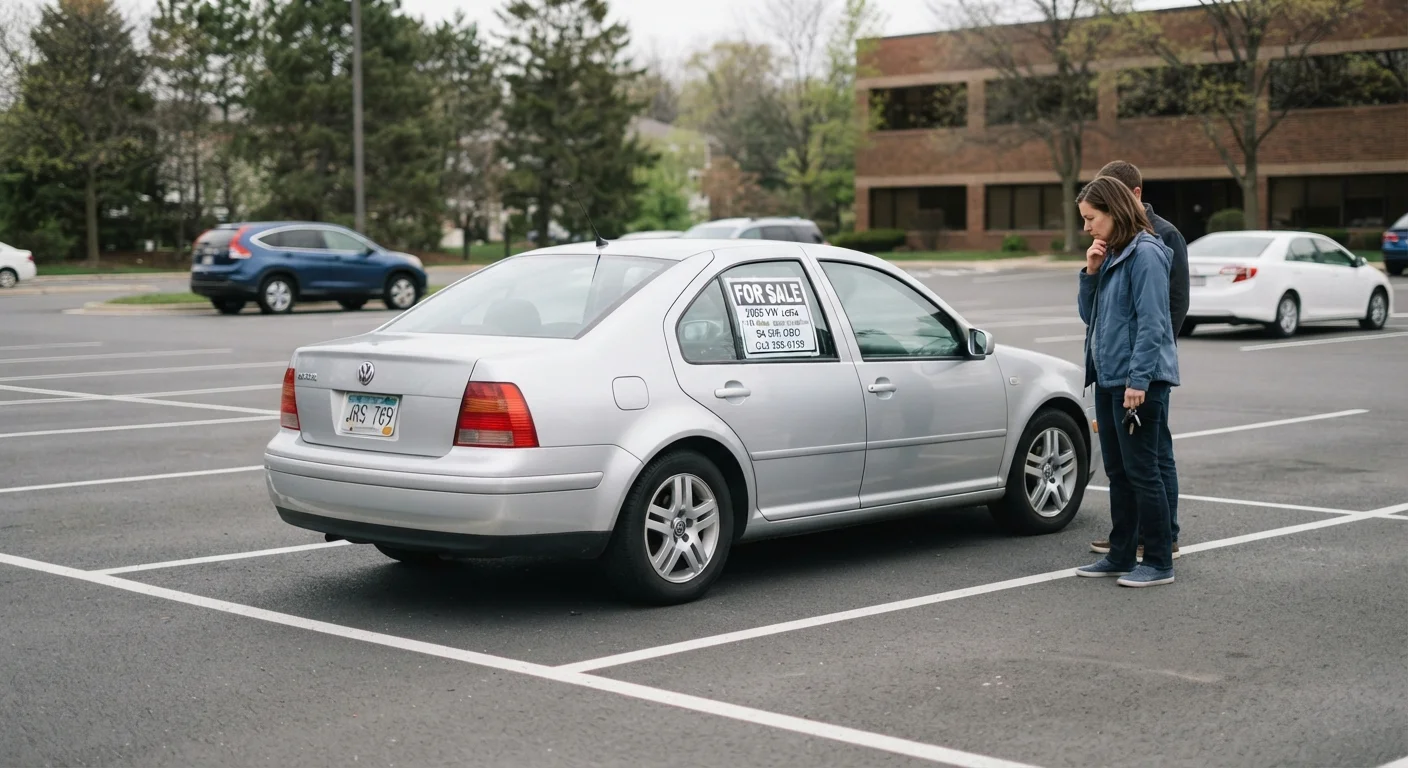
One useful mental framework: compare any repair estimate to roughly three months of new-car payments. If the repair is less than that figure and the vehicle is otherwise sound, it is generally worth completing. Exceeding that threshold repeatedly in a short period, however, is a reasonable signal to re-evaluate. For context on the financial trade-offs of moving on versus holding on, this breakdown of vehicle exit strategies covers the key considerations.
When Insurance and Registration Costs Factor In
Older, paid-off vehicles often qualify for reduced comprehensive and collision coverage, which can lower insurance premiums meaningfully. However, the right coverage level depends on the vehicle's current market value and your financial situation. Consult with a licensed insurance professional to evaluate what coverage makes sense for a high-mileage vehicle you depend on daily.
It's also worth revisiting the assumptions behind some common maintenance habits. Not every longstanding piece of car care advice saves money — some of it costs more than it should. Our look at car maintenance myths helps separate fact from fiction.
Knowing When It's Time to Move On
Long-term ownership has a natural endpoint, and recognizing it honestly is part of responsible vehicle stewardship. Key signals that a vehicle may no longer be worth keeping include: structural rust compromising safety, a repair estimate that approaches or exceeds the vehicle's market value, chronic reliability failures that affect daily dependability, or a significant emissions or safety inspection failure tied to costly underlying problems.
None of these signals automatically mean it's time to replace the car — context matters. A vehicle with a high repair estimate but zero loan payment and low insurance costs may still pencil out. But when multiple warning signs converge, an honest cost analysis is warranted. For drivers weighing ownership against alternatives, our guide to buying versus leasing provides a grounded look at the numbers.
Get a Pre-Decision Inspection Before Major Repairs
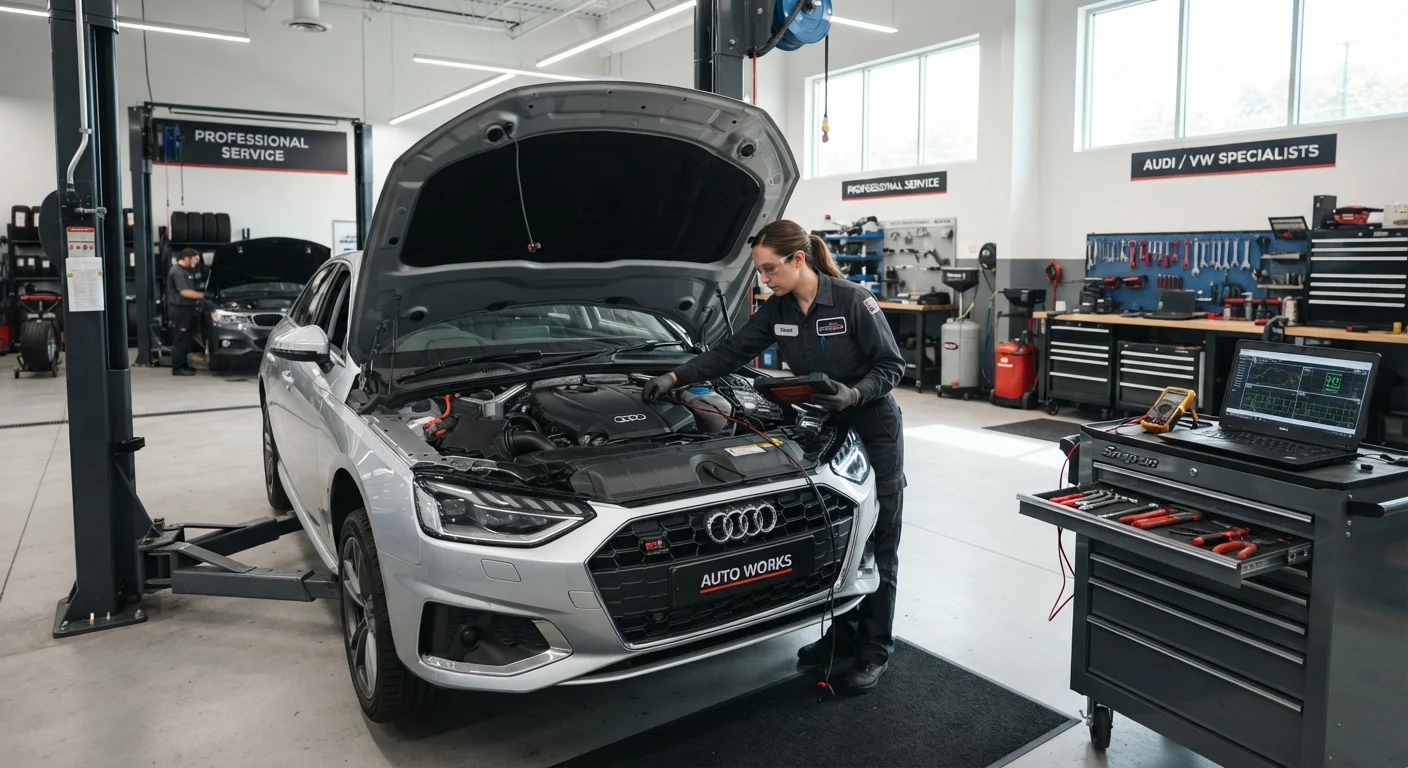
Before authorizing any large repair on a high-mileage vehicle, consider paying for an independent inspection from a trusted mechanic — one not affiliated with the shop quoting the work. A second opinion on a $2,000+ repair can confirm whether the estimate is reasonable and whether other issues exist that would affect the decision. This small upfront cost often pays for itself.
High-mileage ownership is not about squeezing every last mile out of a vehicle regardless of cost or safety — it's about making informed decisions at every stage of ownership so that the vehicle serves you well for as long as it reasonably can.
This article provides general information about vehicle ownership and is not a substitute for advice from a qualified mechanic familiar with your specific vehicle.