
Why a Pre-Trip Check Is Worth Building Into Your Routine
Most vehicle problems don't announce themselves dramatically — they develop gradually through wear, slow leaks, and subtle changes that a quick visual inspection can surface before they become roadside emergencies. According to federal highway safety data, a significant share of vehicle-related crashes involve factors like tire failure and mechanical defects that drivers may not have detected before departure.
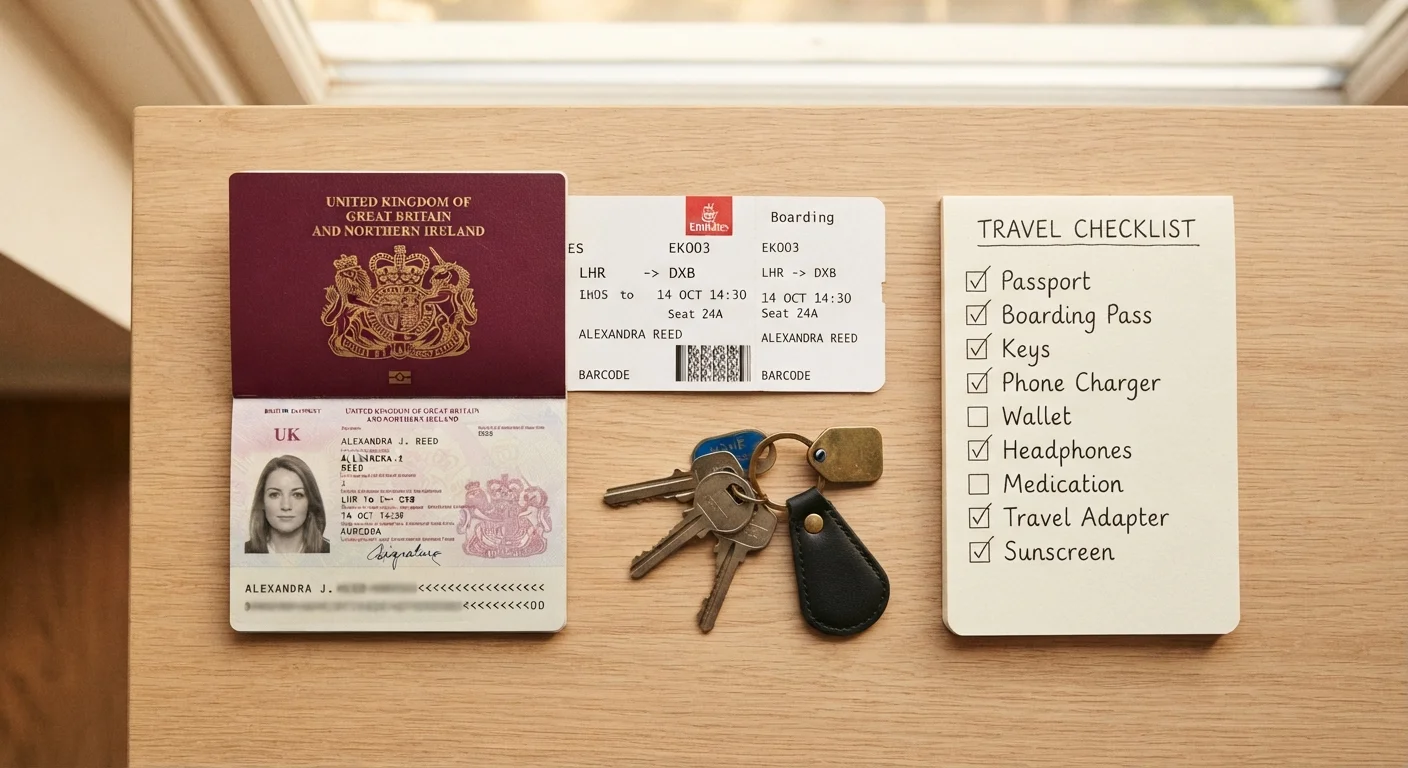
A pre-trip vehicle check doesn't require mechanical expertise. It requires attention and consistency. Whether you're commuting across town or heading out on a longer drive, the same core categories apply: exterior condition, tires, lights, fluids, and your in-cabin setup. For longer journeys, you may also want to review our pre-departure checklist to make sure everything beyond the vehicle itself is confirmed too.
Use the checklist below as a starting framework. Over time, the sequence becomes muscle memory — a dependable habit that costs minutes and occasionally saves much more.
Tire pressure gauge
Measures tire inflation accurately — a visual check alone cannot confirm correct pressure.
Engine oil dipstick (built into vehicle)
Used to check oil level before longer trips to prevent engine damage from low oil.
Flashlight or phone torch
Helps inspect under the vehicle or check fluid levels in low-light conditions.
Windshield washer fluid (spare bottle)
Allows a quick top-off before a long drive or during winter when fluid depletes fast.
The Pre-Trip Vehicle Safety Checklist
Work through these items in a logical sequence: start outside the vehicle for the walk-around, then settle in to check the cabin. Items marked must are non-negotiable before any trip. Should items are strongly recommended, especially for drives longer than a few miles. Nice-to-have items add an extra layer of readiness.
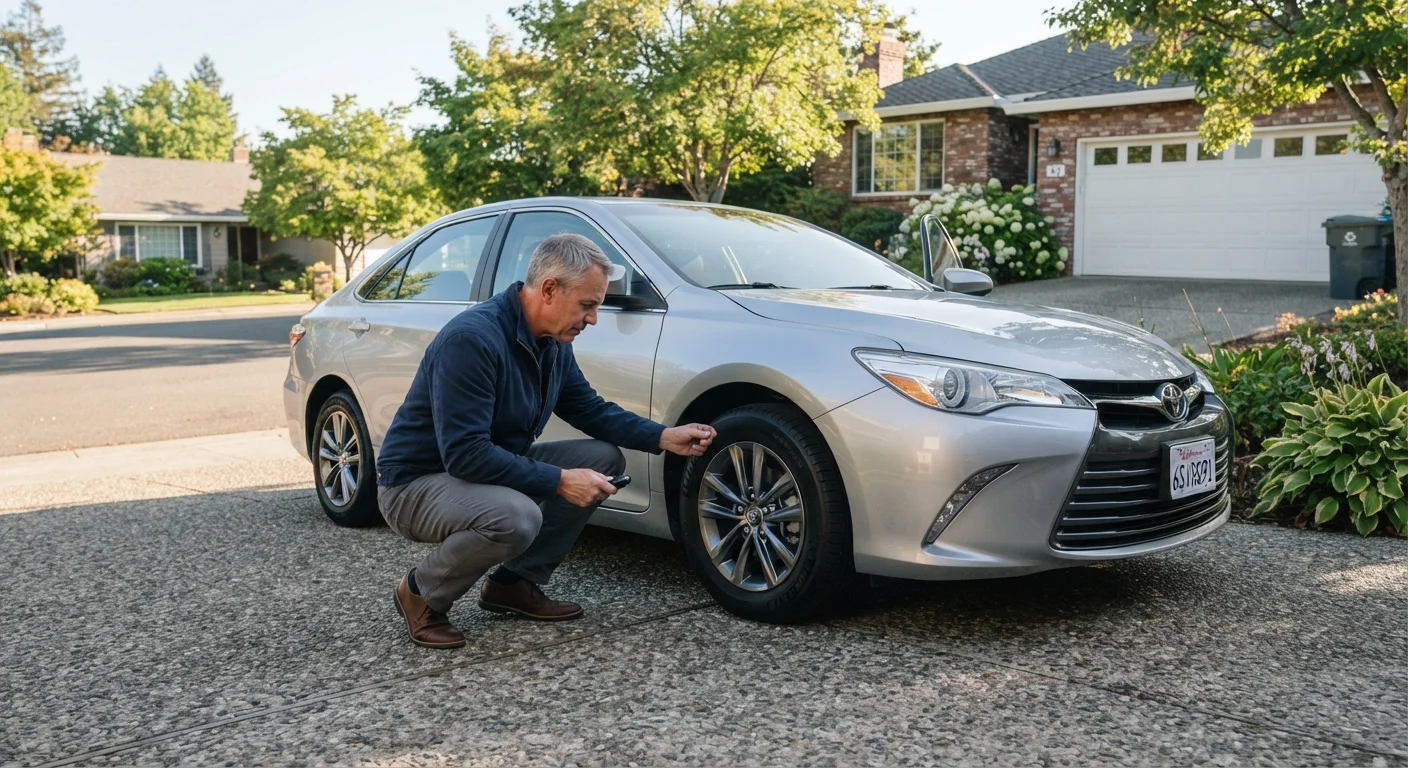
Exterior Walk-Around
Lights and Signals
Under the Hood (Longer Trips)
In-Cabin Setup
Emergency Readiness
Dashboard Warning Lights Are Not Optional
A lit check-engine, oil pressure, tire pressure (TPMS), or brake warning light is not a "watch and see" situation. These systems alert you to conditions that can worsen rapidly and cause safety failures or expensive damage. If a warning light is new or unfamiliar, consult your owner's manual or have the vehicle inspected by a qualified mechanic before driving extended distances.
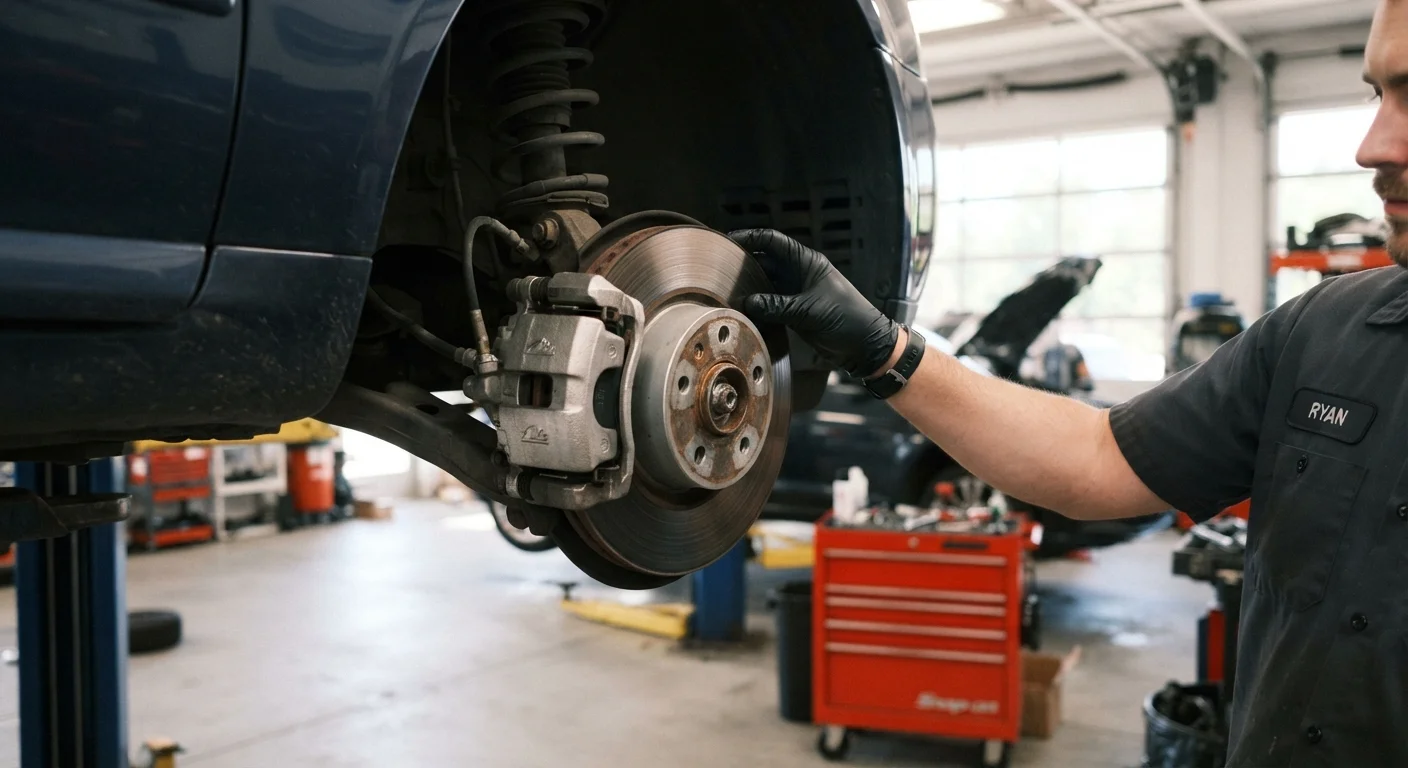
For issues that go beyond what you can assess visually — particularly brake feel or unusual vibrations — see our guide to brake maintenance from a driver's perspective for a clear explanation of what warning signs to look and listen for.
Making the Habit Stick
The most effective pre-trip check is one you actually perform consistently. A few strategies help: tie the walk-around to an existing habit (unlocking the car, for example), keep a mental or printed copy of the checklist in your glovebox, and treat dashboard warning lights as immediate action items rather than things to monitor.
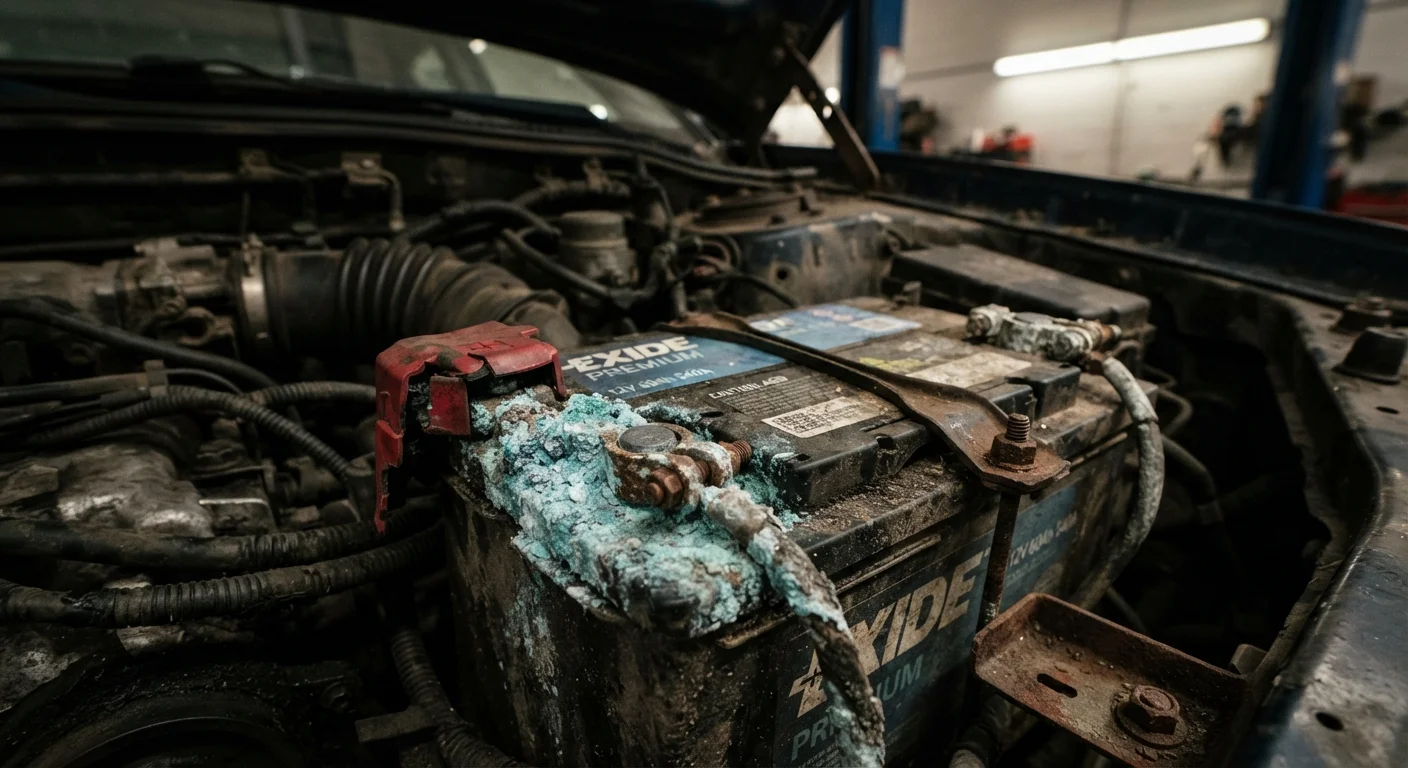
If your check turns up recurring issues — low tire pressure week after week, or a battery that's sluggish in the morning — those patterns deserve follow-up. Our article on signs a car battery is approaching the end of its life covers the symptoms worth watching for before a battery leaves you stranded.
For a broader view of vehicle upkeep beyond the daily check, the Car Maintenance hub covers essential servicing schedules and tips. And if you're building safe driving habits more broadly, the habits experienced drivers rely on is a natural next step after you've locked in your pre-trip routine.
Tire Failure Is a Leading Cause of Loss of Control
Underinflated tires generate excess heat and are significantly more prone to blowouts, particularly at highway speeds. The correct tire pressure for your vehicle is listed on the sticker inside the driver's door jamb — not on the tire sidewall, which shows the maximum pressure, not the recommended operating pressure. Check pressure when tires are cold for the most accurate reading.