
Why Overpacking Costs You More Than You Think
Dragging an overstuffed suitcase through cobblestone streets, up narrow hostel staircases, or onto a packed metro is one of the most avoidable frustrations in travel. Beyond the physical strain, checked bags add airline fees, increase the risk of lost luggage, and slow down every transition of your trip — from check-in to customs to the taxi line.
The good news: most experienced international travelers have converged on the same insight. You need far less than your instincts tell you. A core set of packing principles applies whether you're heading to Lisbon for five days or Southeast Asia for three weeks — and the foundation is always intentional restraint.
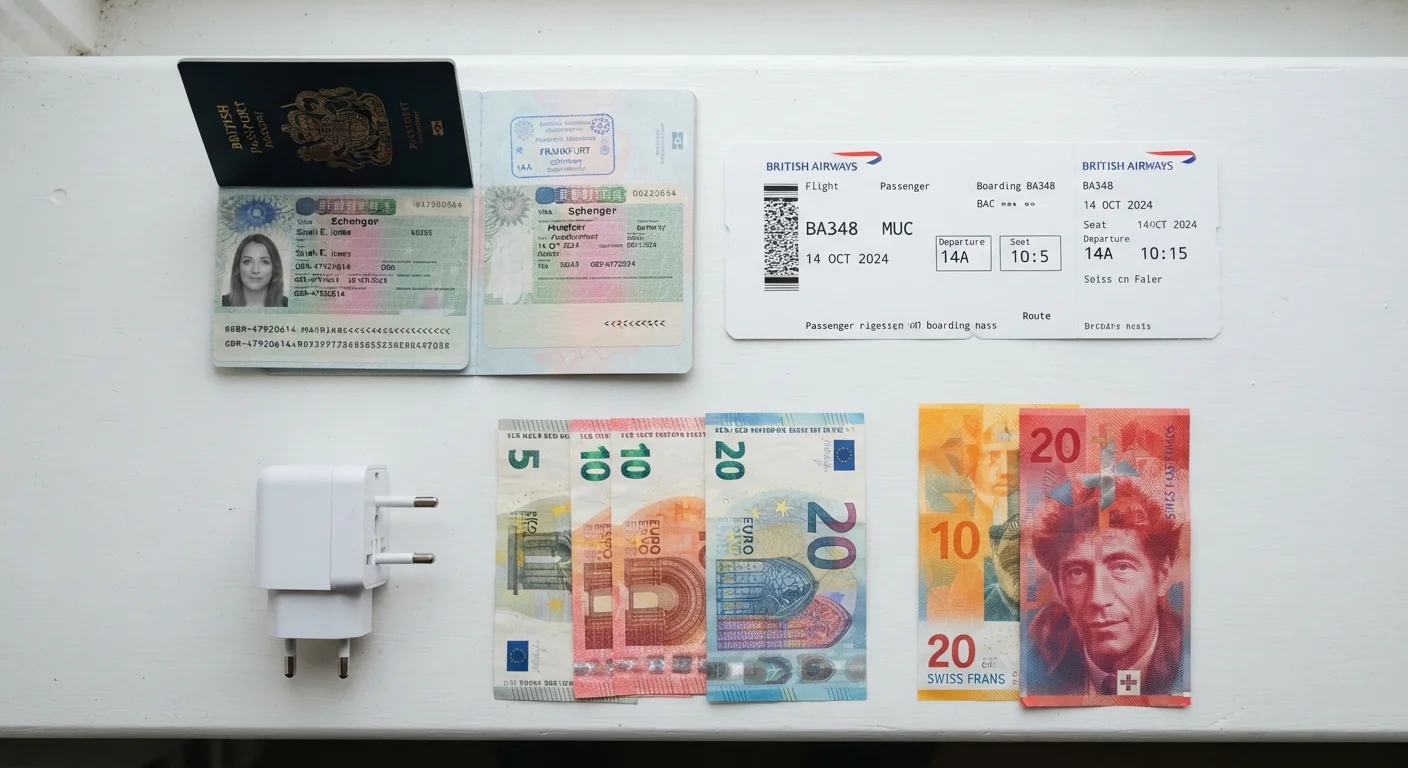
Before diving into what to bring, run through your full international travel prep checklist to make sure your documents, insurance, and logistics are squared away first. Packing decisions are downstream of knowing exactly where you're going and for how long.
The Core Packing Practices That Actually Work
These aren't abstract tips — they're the habits that consistently separate light, confident travelers from those hauling regret through airport terminals.
Choose one luggage format before you choose a single item to pack.
Deciding upfront whether you're going carry-on-only or checking a bag sets a hard constraint that prevents overpacking by default. Most trips of two weeks or fewer are doable with a carry-on and a personal item, which also eliminates checked baggage fees and lost-bag risk.
Build your wardrobe around a single neutral color palette.
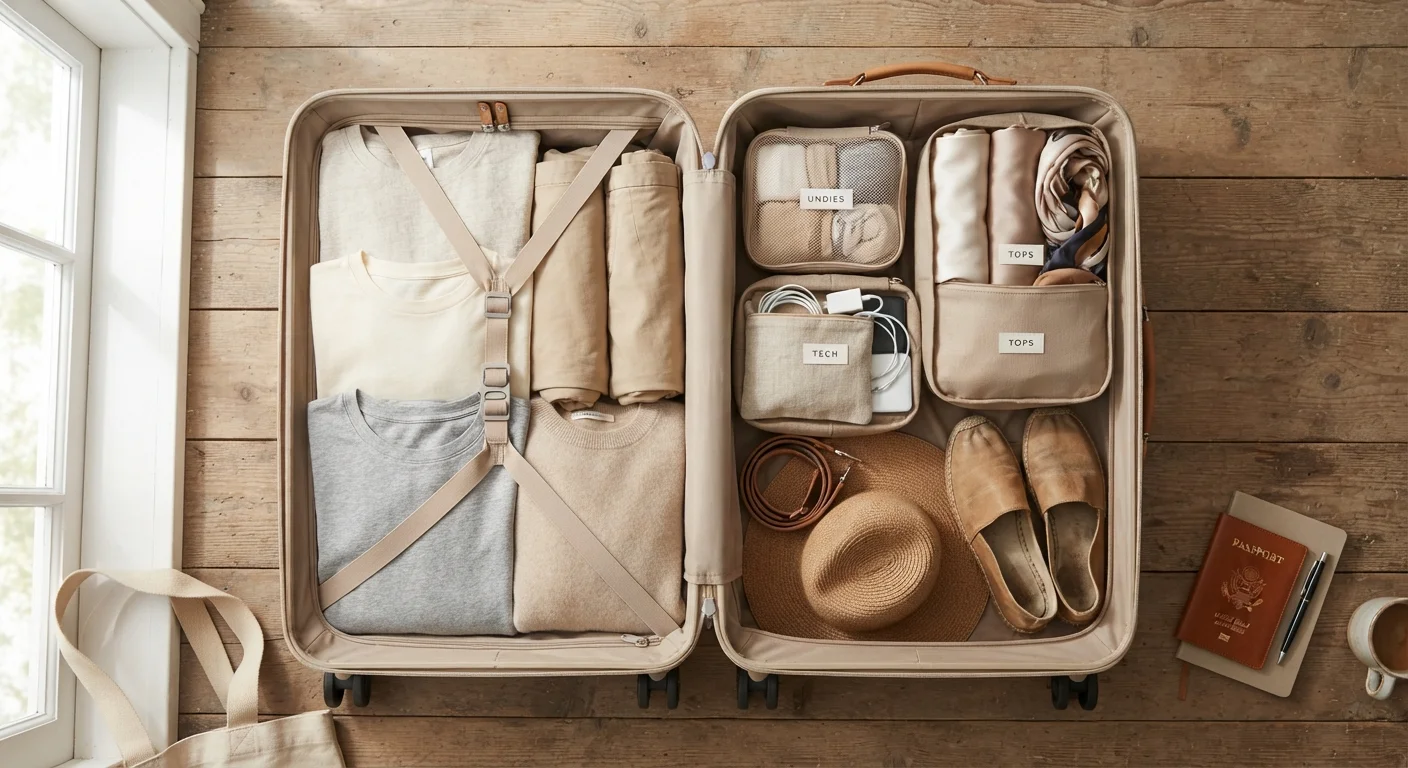
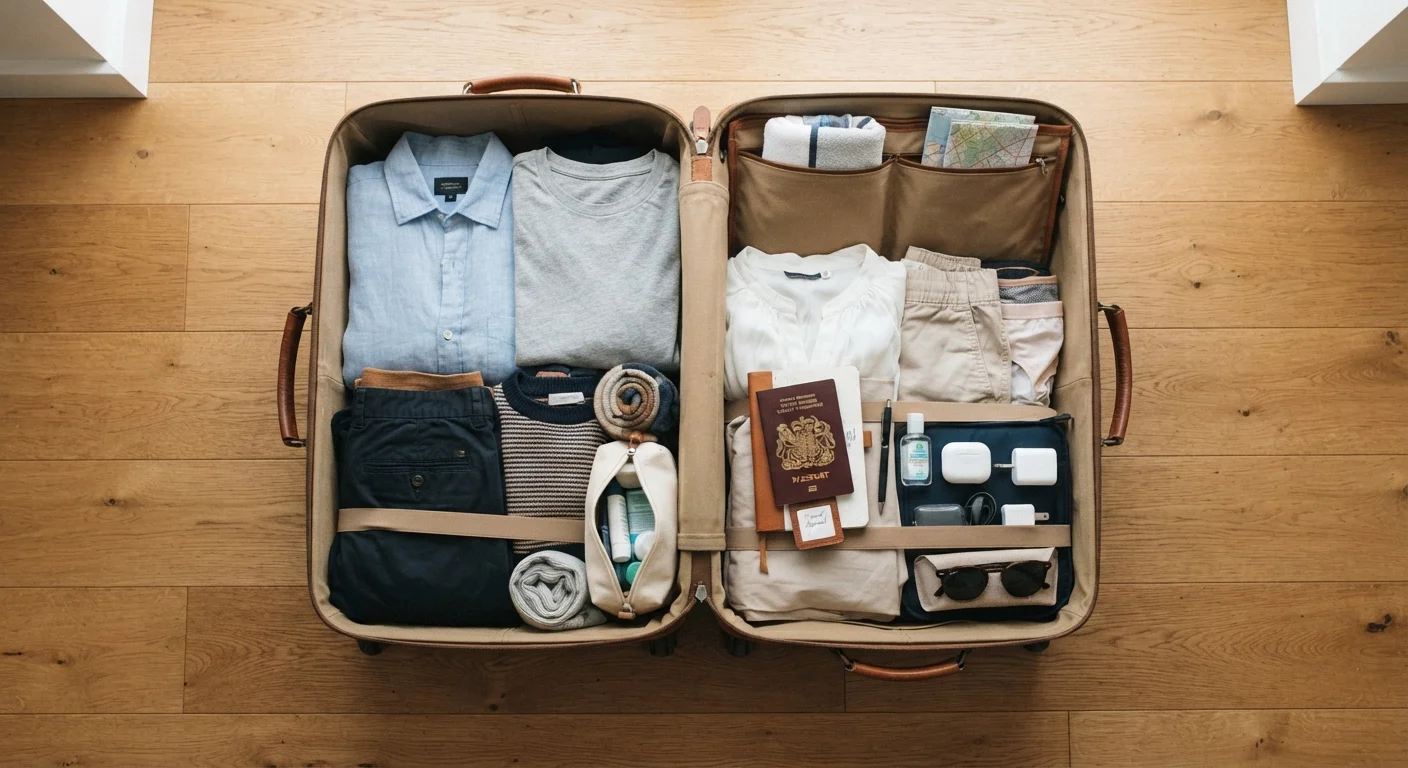
When every item can be paired with every other item, you need fewer total pieces. A palette of two or three neutral colors — say navy, white, and khaki — means seven clothing items can produce far more outfit combinations than seven mismatched items ever could.
Research your destination's climate, culture, and laundry access before writing your packing list.
Packing without destination-specific context leads to both gaps and excess. Knowing that your hotel has a guest laundry, that the local culture values modest dress, or that July temperatures average 90°F changes every item on your list. This is especially relevant for short-haul versus long-haul destinations, which have very different logistical realities.
Apply the "wear it or lose it" rule to every item on your list.
Before packing anything, ask: will I genuinely wear or use this on at least two separate days? If the answer is uncertain, the item probably doesn't belong. This single question eliminates most of the "just in case" clothing that inflates bag weight.
Pack a small, curated first-aid and medication kit — not a full pharmacy.
Having a few essentials on hand (pain reliever, bandages, an antidiarrheal, any prescription medications) saves real headaches. But overstocking medical supplies adds weight and gives a false sense of preparedness. Most international cities have accessible pharmacies for anything else.
Do a full dress-rehearsal pack 48 hours before departure.
Laying everything out and physically fitting it into your bag before travel day reveals what doesn't fit, what you actually forgot, and what can be cut — without the pressure of an imminent flight.
What to Leave Behind (And Why Travelers Regret It)
Some categories of items are almost universally over-packed. Knowing them in advance helps you resist the pre-trip anxiety spiral that leads to throwing in "just in case" items that never leave the bag.
A Note on Destination Availability
American travelers sometimes pack as though their destination won't have basic goods — but most countries have grocery stores, pharmacies, and markets carrying everyday necessities. The exceptions are very remote or rural areas where resupply is genuinely limited. For most international city and resort destinations, packing light and buying locally as needed is a completely viable strategy. Verify what's available at your specific destination before packing large quantities of anything.
- Full-size toiletries: Nearly every international destination — including less-touristed ones — has pharmacies or convenience stores. Carry travel-size liquids for the first day and restock locally if needed.
- Multiple pairs of shoes: Shoes are heavy and bulky. Two pairs maximum — one for walking and one for evenings — handles the vast majority of international trips. Sandals can often replace a third pair.
- "What if" clothing: That formal outfit for a maybe-dinner or the hiking gear for a possibly-hike almost never gets used. Pack for confirmed plans, not hypothetical ones.
- Full-size electronics and chargers: A single universal adapter and one or two devices cover most needs. Laptops are often dead weight on leisure trips.
- Books and paper guides: Heavy and now largely replaceable with offline-capable apps and e-readers.
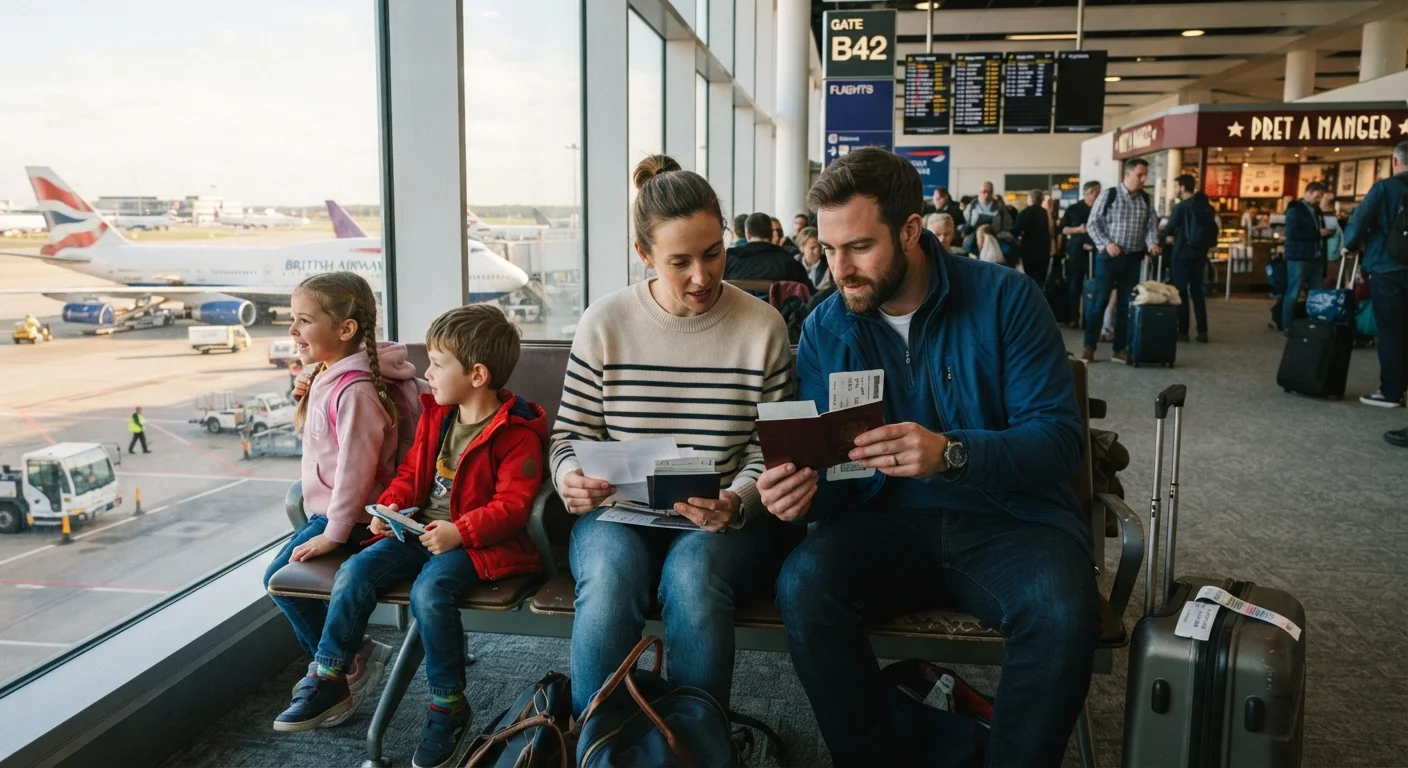
Families traveling internationally should also review what changes when you travel with kids — packing for minors adds its own layer of decisions.
Start Here: Quick Actions Before You Pack
If you're in the planning stage right now, these immediate steps will shape smarter packing choices before you touch a single item.
Once you've nailed down the destination specifics, you'll find the core trip planning basics make the packing phase much more straightforward — because decisions about luggage type, clothing weight, and gear all hinge on knowing your itinerary clearly.