
Why a Consistent Packing Strategy Pays Off
Every traveler has a story: the overstuffed bag that blew out a zipper, the forgotten charger, the dress shoes that never came out of the suitcase. These aren't bad luck — they're the predictable result of packing without a system. Whether you're heading out for a long weekend or boarding an international flight, having a set of reliable packing principles cuts stress at both ends of the trip.
Good packing is ultimately trip planning done at the micro level. If you're still working on the bigger picture, our complete introduction for first-time trip planners covers the full process from destination selection to departure day prep.
Build your wardrobe around a neutral color palette before you pack a single item.
A cohesive color palette means every top pairs with every bottom, multiplying outfit combinations without adding items. This single habit is responsible for the biggest reductions in bag weight and volume for most travelers.
Write your packing list at least 48 hours before departure, then revisit it the night before.
A list made well in advance gives your brain time to surface overlooked items — medications, adapters, specific documents — that last-minute packing misses. The second review catches anything that dropped off between draft and departure.
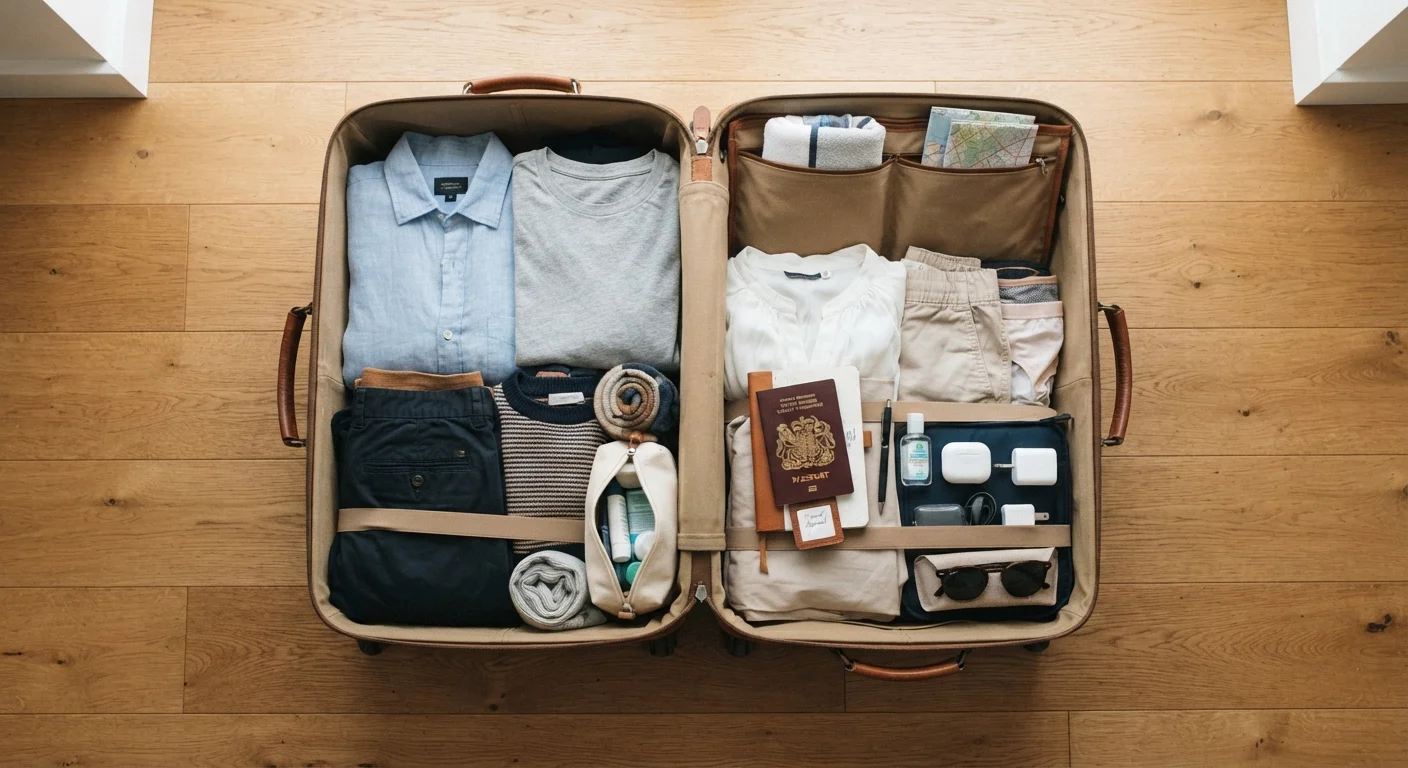
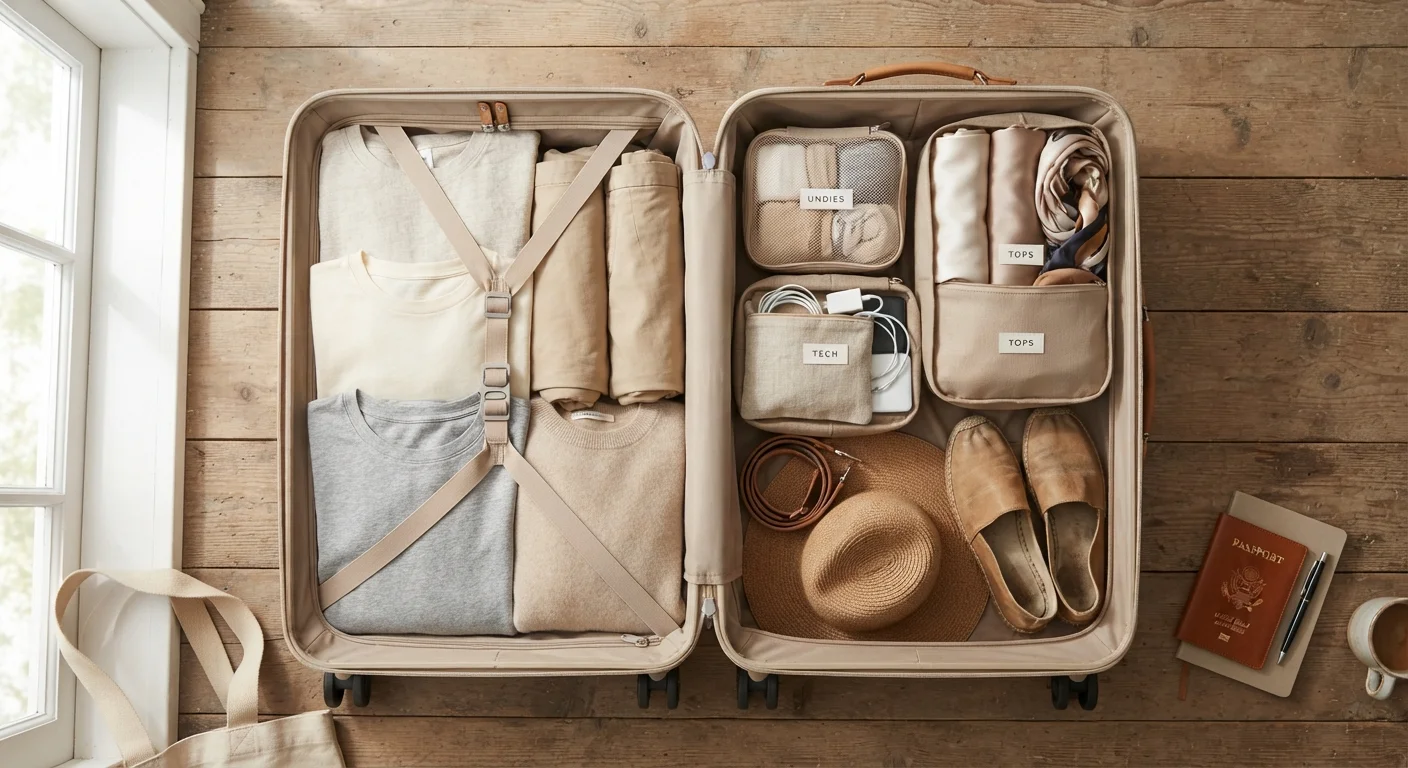
Roll soft clothing and use packing cubes to organize by category.
Rolling compresses soft fabrics more efficiently than flat folding and reduces wrinkles in casual items. Packing cubes keep categories separated so you can find things quickly without unpacking your entire bag at every stop.
Apply the one-bag rule for trips of 14 days or fewer as a default starting point.
Checking luggage adds cost, wait time at baggage claim, and the risk of lost bags. For most trips under two weeks, disciplined packing makes carry-on only travel realistic and dramatically smooths your travel day.
Pack a dedicated personal item bag stocked with everything you'd need if checked luggage were delayed.
Checked bag delays happen, and the frustration is compounded when essentials — a day's medication, a phone charger, a change of clothes — are in the checked bag. A well-stocked personal item is your buffer against this scenario.
Do a 'test pack' a week out and weigh the bag immediately.
Weighing your bag before you leave home lets you make calm, deliberate edits rather than frantic repacking at the check-in counter. Airline weight limits vary by carrier and fare class, so check your specific ticket.
The Quickest Wins You Can Apply Right Now
Not every improvement requires an overhaul of your entire approach. A few targeted changes make an immediate difference — whether this is your first trip or your fiftieth.
Packing for International Trips: Extra Layers to Consider
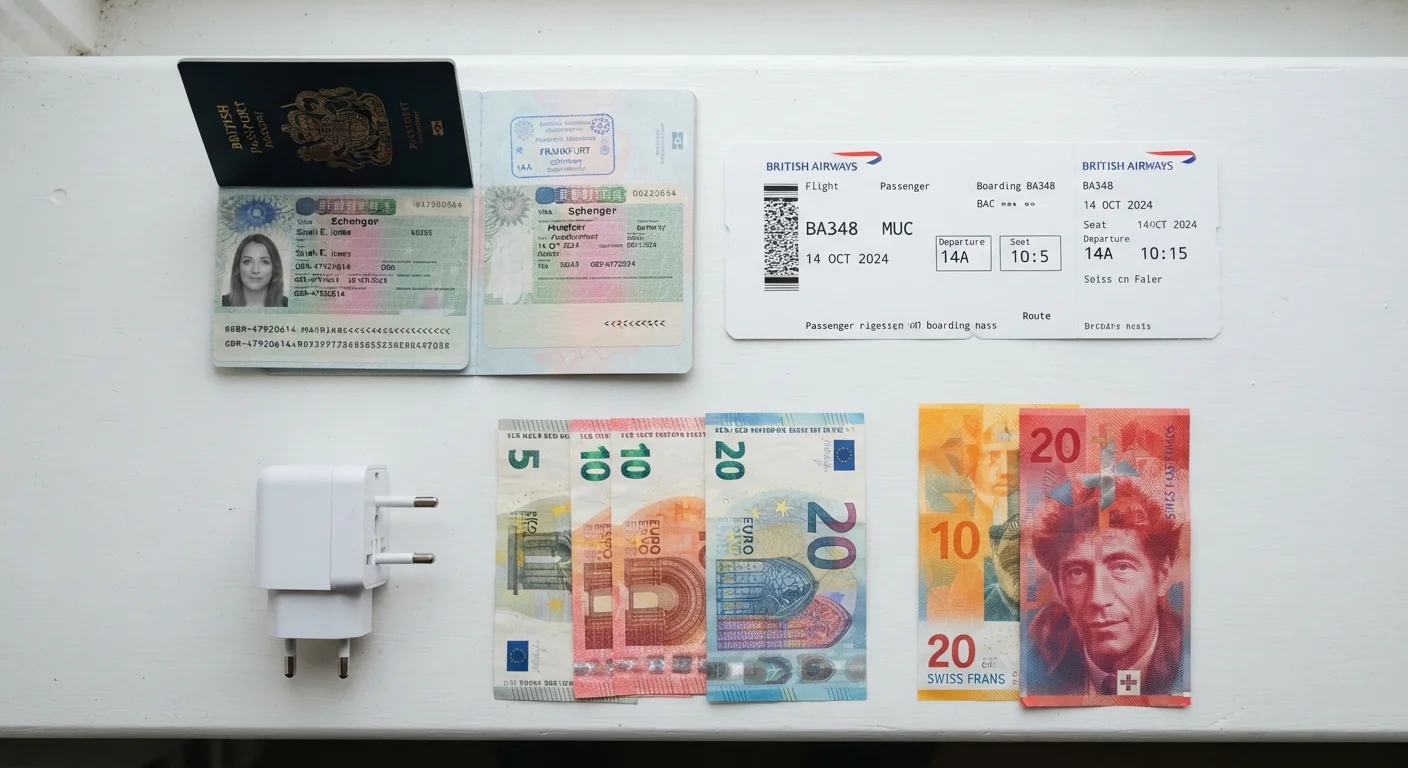
Domestic and international packing share the same core principles, but crossing a border adds a few important variables. Customs rules, airline baggage policies, and destination climates can all shape what actually belongs in your bag.
~26M
Checked bags mishandled annually worldwide
According to SITA's Baggage IT Insights report, tens of millions of bags are delayed, damaged, or lost each year globally, underscoring the practical value of carry-on travel.
30%
Typical weight reduction from a structured packing list
Travel industry surveys have consistently found that travelers who use a written packing list bring meaningfully less weight than those who pack by memory, often reducing bag weight by roughly a third.
Liquid restrictions enforced at airport security checkpoints apply to carry-on bags on international and domestic flights alike — generally limiting individual containers to 3.4 oz (100ml). Always verify current rules with the relevant aviation authority and your airline before you fly, as policies can change. For a detailed look at what international travel actually requires, see our guide on packing for international travel without overpacking, and run through the international travel prep checklist to make sure nothing critical falls through the cracks.
Verify Entry and Customs Rules Before You Pack
Some countries restrict or require declarations for specific items — from certain foods and medications to electronics and currency amounts. Rules change and vary significantly by destination. Always check the official government websites of both your destination country and the US Customs and Border Protection (CBP) before finalizing what goes in your bag.
Tying Packing Into Your Broader Trip Plan
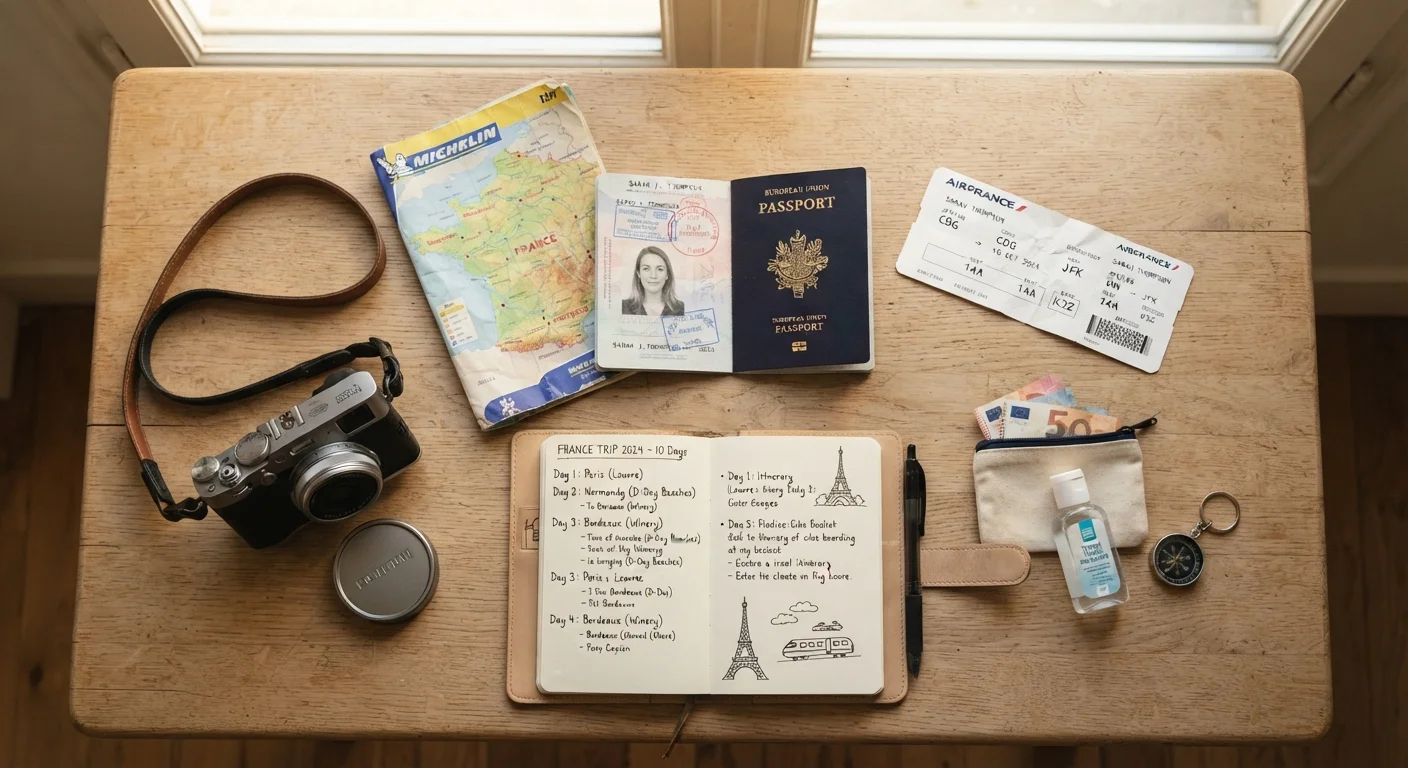
Packing doesn't happen in isolation — it's the final physical expression of everything else you've planned. Your day-by-day itinerary should inform exactly what you bring: a hiking day calls for different gear than a city walking tour or a nice dinner out. Review your planned activities before you open your bag, not after.
For travelers who want a single resource that connects packing to the full arc of trip planning, the end-to-end trip planning process walks through every stage from initial idea to wheels-up. Packing smart is the last mile — get the foundation right and it becomes much easier.
Your Itinerary Is Your Packing Guide
Go activity by activity through your planned trip and assign one outfit or gear set to each. This method exposes gaps — like realizing you have nothing suitable for a formal dinner — while also revealing redundancy, such as three nearly identical casual outfits competing for the same slot.