
Choosing Your Destination
The most paralyzing moment in travel planning is the blank page — destination unknown. A practical way to narrow things down is to start with three constraints: how much time you have, how much you're willing to spend, and how complex a trip you're ready to manage on your first attempt.
A long weekend points you toward domestic options within a reasonable drive or short flight. A week opens up more distant US destinations or simple international trips. If you're considering your first trip abroad, our international travel hub is a great place to explore ideas and entry-level destination guidance.
Think about what kind of experience you actually want — city exploration, outdoor adventure, beach relaxation, cultural immersion — before you get swept up in beautiful destination photos. Matching the trip style to your real preferences makes the whole experience more satisfying.
Shoulder Season
The travel period just before or after a destination's peak season — typically offering lower prices and fewer crowds while still having decent weather and open attractions.
Itinerary
A day-by-day plan outlining where you'll go, what you'll do, and how you'll get around during your trip.
Travel Insurance
A type of insurance policy that can cover trip cancellations, medical emergencies abroad, lost luggage, and other travel-related losses. Coverage and terms vary by policy.
Visa
An official government authorization — sometimes stamped in your passport, sometimes issued electronically — that permits you to enter a foreign country for a specific purpose and duration.
Contingency Budget
A reserved portion of your travel budget set aside to cover unexpected expenses, such as a missed connection, medical need, or unplanned activity.
Setting a Realistic Travel Budget
Your budget isn't just about what you can afford — it shapes every decision that follows, from where you stay to how you get around. Build your estimate from the ground up: flights or transportation, nightly accommodation cost multiplied by trip length, estimated daily spending on food and activities, and a contingency buffer of around 10–15% for surprises.
Don't forget costs that sneak up on new travelers: airport parking, checked baggage fees, travel insurance, currency exchange, and tipping customs at your destination. If you're newer to managing finances and want a framework for setting aside travel savings, our budgeting basics hub walks through practical everyday money management strategies.
Track All Trip Costs in One Place
Create a simple spreadsheet or use a notes app to list every estimated expense before you book anything. This gives you a running total you can adjust as you research, and it makes it much easier to spot where you're overspending before the money is already gone.
Timing Your Trip Right
When you go matters as much as where you go. Peak season means maximum crowds and maximum prices. Off-season can mean significant savings but also unpredictable weather or limited services. Shoulder season — the period just before or after peak — is the sweet spot many experienced travelers target: reasonable prices, manageable crowds, and most attractions still fully operational.
Also consider your own schedule. School holidays and national holiday weekends affect both prices and crowds regardless of destination. If you have flexible time off, even shifting your trip by one or two weeks can make a meaningful difference in cost and experience.
Shoulder Season Dates Vary by Destination
Shoulder season isn't a universal calendar window — it shifts depending on the destination. The shoulder season for a Caribbean island differs from that of a Scandinavian city or a ski resort. Research your specific destination's tourism patterns rather than assuming a general rule applies.
Booking Flights and Accommodation
Once you have a destination, approximate dates, and a budget range, it's time to lock in the logistics. Flights typically should be booked first, since they establish firm travel dates. Look at multiple fare structures — nonstop flights save time but often cost more; one-stop options can significantly reduce the price if you have flexibility.
For accommodation, match the style to your trip: hotels offer predictability and services, while vacation rentals may give you more space for longer stays. Location within your destination matters too — being close to the areas you want to explore saves time and often money on local transportation.
If you're weighing transportation options within a multi-city trip, especially in Europe, our comparison of flying versus taking the train between European cities covers the key trade-offs clearly.
Building Your Itinerary
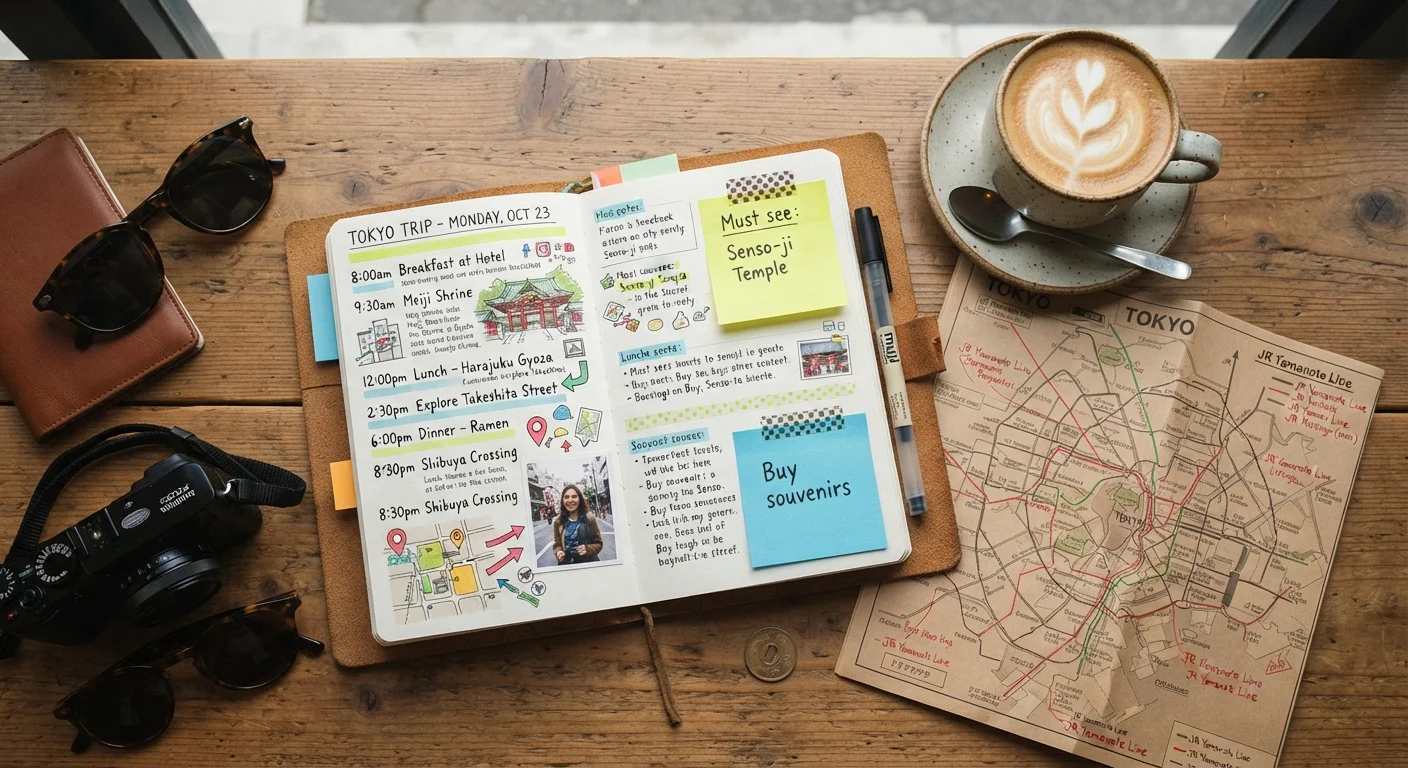
An itinerary is your trip's backbone, not its prison. Start by listing everything you genuinely want to see or do, then be realistic about what fits. A common first-timer mistake is packing too many activities into each day, which turns a vacation into a checklist sprint.
Group activities by neighborhood or area to minimize transit time. Plan your most physically demanding or time-sensitive activities early in the trip when your energy is highest. And build in unscheduled time — some of the best travel experiences happen when you wander without a plan.
For a deeper approach to structuring your days without burning out, see our guide on building a day-by-day itinerary that leaves room to breathe.
Final Prep Before You Leave
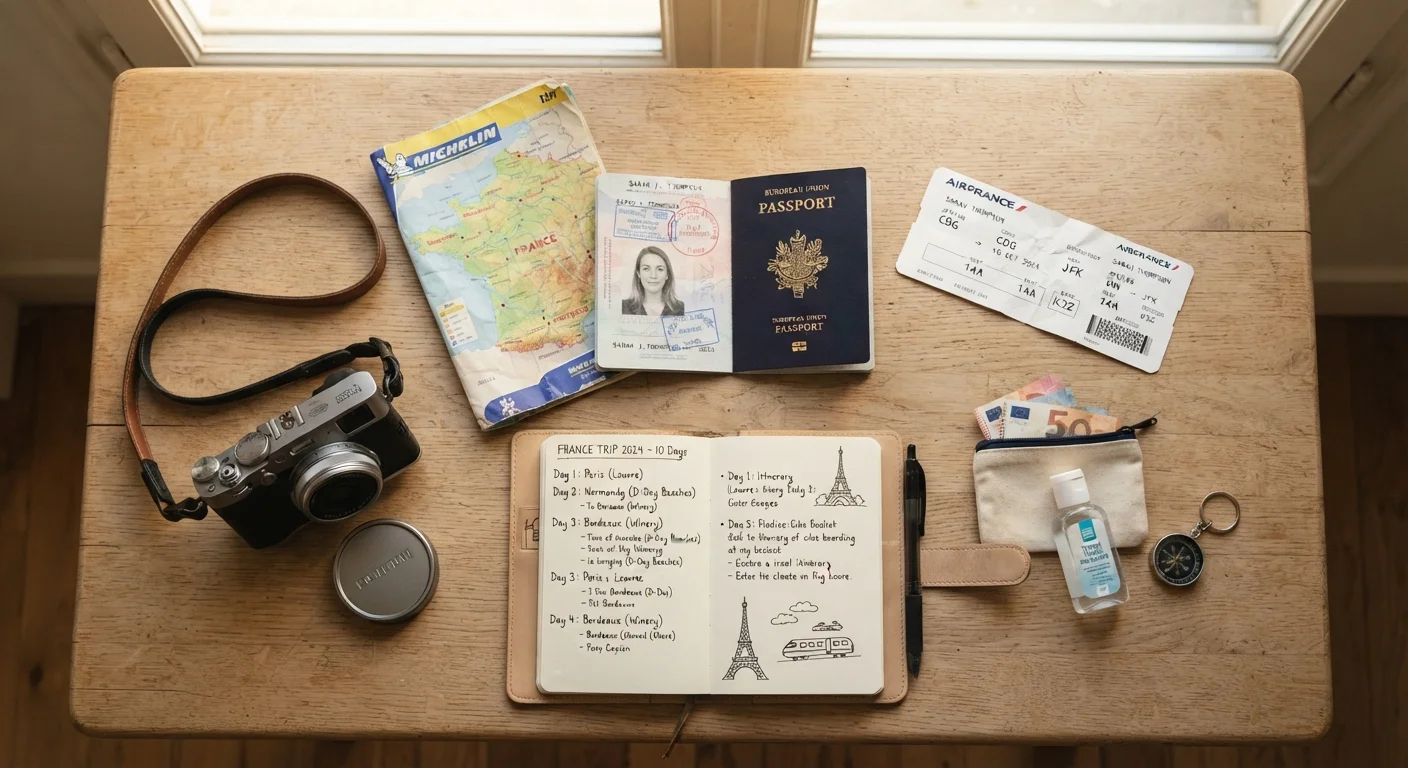
With bookings confirmed and an itinerary in hand, the final stretch of planning is about making sure nothing falls through the cracks. Check that your passport is valid — many countries require at least six months of validity beyond your return date. Research visa requirements through official government sources and apply well in advance if needed.
Notify your bank of your travel dates to avoid frozen cards abroad. Make digital and physical copies of important documents: passport, insurance cards, bookings, and emergency contacts. Consider travel insurance, particularly for international trips, keeping in mind that coverage varies significantly between policies — read the fine print carefully.
If this is your first time outside the US, our guide to your first international trip covers customs, money, safety, and what to expect at every stage of the journey in much greater detail.
US Department of State Travel Website
The official source for US passport information, country-by-country entry requirements, travel advisories, and safety information for Americans traveling abroad.
CDC Travelers' Health
The CDC's traveler health portal provides destination-specific health notices, recommended vaccinations, and general health guidance for international travelers.
Trip Budget Planner Template
A simple spreadsheet template for estimating and tracking all trip-related costs — flights, accommodation, food, activities, and buffer — before and during your trip.