

Start With the Idea: Defining What You Want
Every trip begins with a spark — a photo, a conversation, a bucket-list entry. But turning that spark into a real itinerary requires shaping the idea before you start searching for flights. Ask yourself a few grounding questions first: How many days do you have? Are you traveling solo, as a couple, or with a group? What's the vibe you're after — adventure, relaxation, culture, food?
These answers filter your destination options dramatically. A five-day window with a tight budget points somewhere very different than three weeks with flexibility. If you're new to planning, the complete introduction for first-time planners is a great place to anchor your thinking before diving into logistics.
It's also worth noting that planning solo versus coordinating a group trip are genuinely different challenges — for a side-by-side breakdown, see how the planning process differs for group and solo travel.
Before committing to dates, check the destination's event calendar — local festivals can both enrich your trip and drive up accommodation costs by 30–50% in popular areas.
Seasoned travelers know that timing around local events is one of the highest-leverage decisions in the planning process, yet it's frequently overlooked until it's too late to adjust.
Write down your trip's single most important priority — a specific hike, a cuisine experience, a city — and protect that one thing when the itinerary gets crowded.
Having a clear anchor prevents the common trap of over-optimizing logistics at the expense of the experience that motivated the trip in the first place.
Research Your Destination
Once you have a shortlist of destinations, dig into the details that will actually shape your experience. Start with practical filters: visa requirements (especially important for international travel), the best time of year to visit, typical weather patterns, and any active travel advisories from the U.S. Department of State.
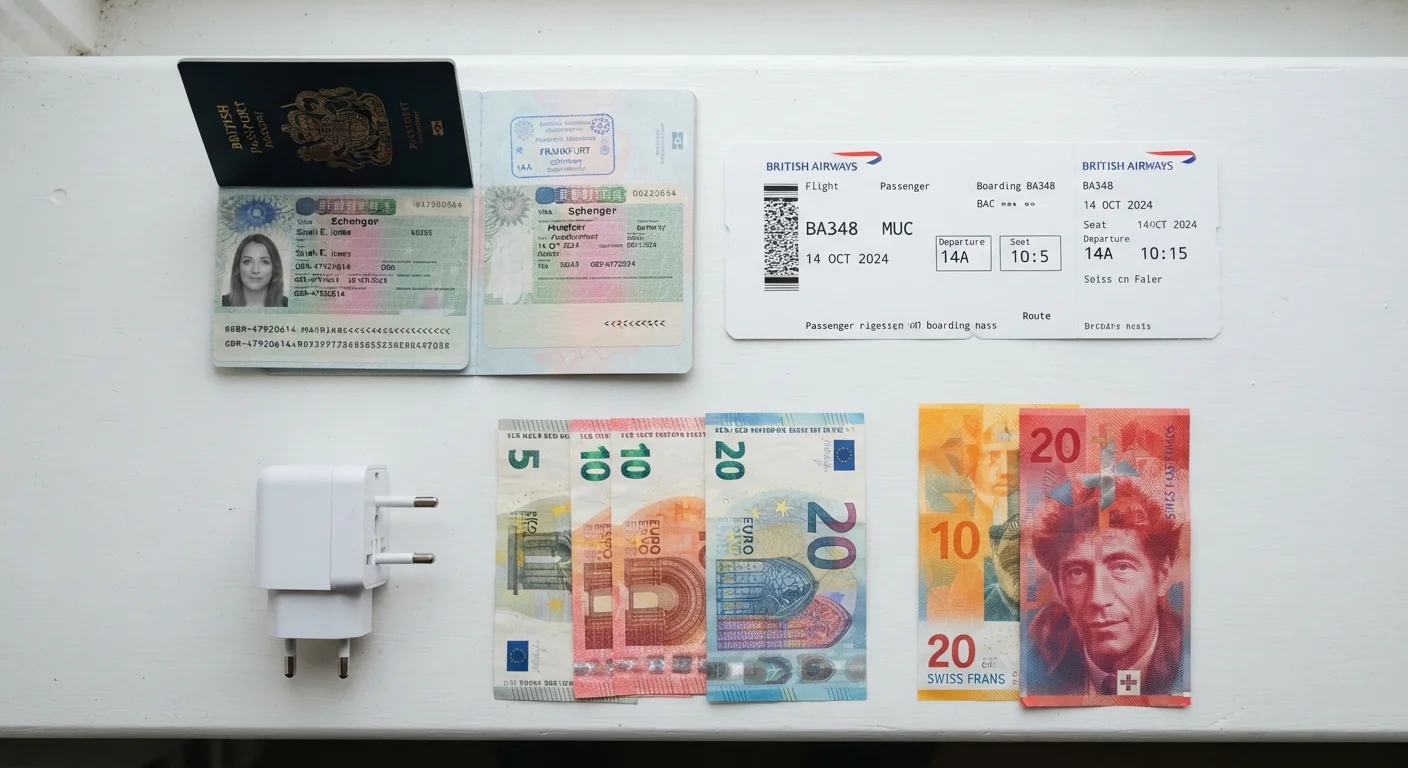
For international trips specifically, passport validity is a common gotcha — many countries require at least six months of validity beyond your travel dates. The international travel prep checklist for Americans walks through every entry-related detail worth confirming.
Beyond entry logistics, research what's actually there: key neighborhoods, must-see attractions, local transportation options, and food culture. Read recent traveler accounts alongside official tourism information — on-the-ground reality sometimes differs from polished marketing materials. Note accessibility considerations if they matter to your group.
6+ months
Passport validity many countries require
A widely cited requirement across numerous international destinations; verify the specific rule for your destination with official sources before travel.
10–15%
Recommended travel budget contingency buffer
Travel finance guides consistently recommend setting aside a contingency reserve to cover unexpected expenses like medical costs, delays, or itinerary changes.
Build a Realistic Budget
Budgeting before booking is one of the most important habits a traveler can build. Start with your four major cost categories: transportation (flights or driving), accommodation, daily expenses (food, activities, local transit), and a contingency buffer of around 10–15% for the unexpected.
Look up average daily costs for your destination — these vary enormously. A week in a European capital costs very differently than a week in Southeast Asia or a US national park road trip. Be honest about your spending style: budget travelers and comfort-seekers will land on very different numbers even in the same city.
Don't Book Before You Budget
Booking flights the moment an idea excites you — before building a budget — is one of the most common planning mistakes. Non-refundable flights purchased impulsively can lock you into a trip your full budget can't support. Take a day to run the numbers first; the flights will still be there tomorrow.
Once you have a working total, compare it to what you can actually set aside. If there's a gap, adjust the trip length, destination tier, or accommodation style — rather than booking with wishful thinking and scrambling later.
Book in the Right Order
Booking in the wrong sequence is a common and costly mistake. The general rule: lock in the elements that are hardest to change first. Flights typically go first for international or long-haul trips, since prices and seat availability are most volatile. Accommodation follows — especially if you're traveling during peak season or to a popular destination with limited options.
Once your dates are anchored, layer in tours, activities, or reservations that require advance booking (popular restaurants, national park entry permits, guided experiences). Leave some slots open for spontaneity — over-scheduling is the fastest way to turn a vacation into an obligation.
For international destinations, explore what the international travel hub covers about regional planning considerations — entry requirements, currency, and cultural context vary widely by region.
Use a Booking Checklist as You Go
Create a simple running document — even a notes app list — tracking what you've booked, what still needs booking, and confirmation numbers for everything. This single habit eliminates the frantic pre-departure search through your inbox and makes it easy to share details with travel companions.
Pack Smart and Prepare for Departure
Packing well is less about what you bring and more about what you leave out. Build your packing list around the actual activities on your itinerary and the weather you'll encounter — not a vague worst-case scenario. A carry-on-only approach works for many trips up to two weeks and eliminates baggage fees and lost-luggage risk.
In the final 48–72 hours before departure, shift focus to confirmation and documentation. Check in online when available, confirm all reservations, notify your bank of travel dates, arrange pet or house care, and make sure all essential documents are accessible — passport, travel insurance details, accommodation confirmations, and any required visas or health documentation.
For a comprehensive final sweep, the pre-departure checklist covers every category worth verifying before you walk out the door.
This article provides general travel planning information for educational purposes. Entry requirements, travel advisories, visa rules, and local conditions change — always verify current details with official government sources and service providers before traveling.