
Hawaii Isn't One Place — It's Several
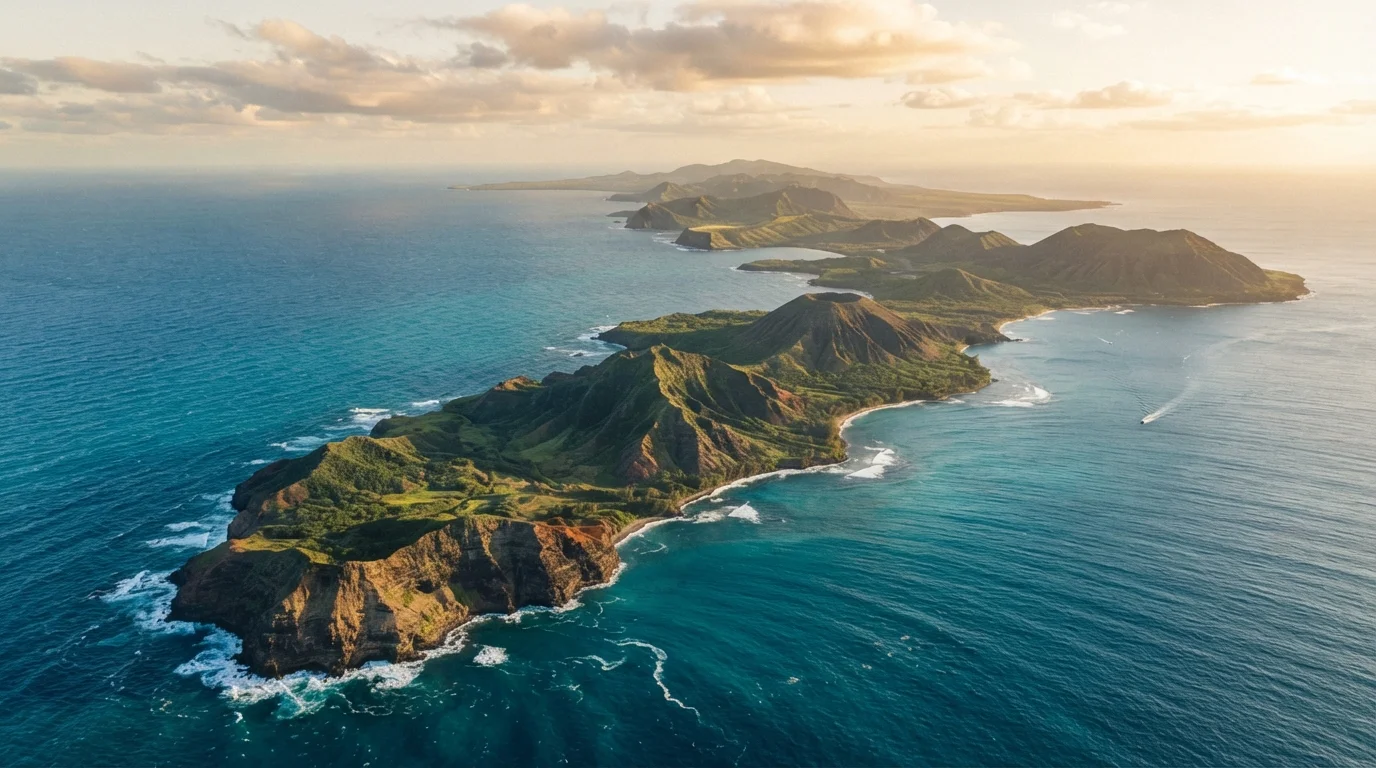
Most first-time visitors picture Hawaii as a single tropical getaway. The reality is that Hawaii is a state made up of six publicly accessible islands — Oahu, Maui, the Big Island (Hawaii Island), Kauai, Molokai, and Lanai — each separated by stretches of open Pacific Ocean. There is no bridge, no highway, and no ferry network connecting them all. Getting from one island to another means boarding a plane or, for limited routes, a ferry.
This surprises many travelers who assume that once they've landed in Honolulu, everything else is a short drive away. It isn't. Oahu to Maui, for example, is roughly a 30–40 minute flight — but that flight still requires airport check-in, TSA screening, baggage handling, and travel to and from both airports. A "quick hop" can easily consume four to five hours of a vacation day when all the logistics are factored in.
If you're still in the early stages of planning any big US trip, the complete first-timer's planning guide is a useful foundation before diving into Hawaii-specific details.
Common Mistakes First-Timers Make With Island Logistics
Understanding where visitors go wrong is the fastest way to protect your own itinerary. These missteps are extremely common and almost always stem from treating Hawaii like a single continental destination rather than a collection of distinct islands.
Assuming all islands are reachable by ground transportation from the main arrival airport.
Why it happens: Travelers accustomed to continental US road trips assume geographic proximity means drivable distance. On a map, the islands look close together.
Booking a single rental car without realizing it can't cross between islands.
Why it happens: Rental car agreements in Hawaii do not permit vehicles to be transported between islands. Many visitors don't think to check this until they're already mid-trip.
Scheduling back-to-back island visits with no buffer time.
Why it happens: Itineraries built around maximizing destinations often look clean on paper but ignore the real-world friction of airport transit, check-in and check-out logistics, and travel fatigue.
Underestimating the total added cost of visiting multiple islands.
Why it happens: Travelers tally just the flight cost and forget that each island adds its own car rental, accommodation, and activity fees — essentially restarting the trip budget.
Treating Honolulu (Oahu) as a central hub for same-day trips to other islands.
Why it happens: The logic seems sound — fly into Honolulu, do a day trip to Maui, fly back. But the time cost makes this impractical for most travelers.
~26 miles
Shortest inter-island distance (Maui to Molokai)
Even the closest island gap in Hawaii involves open ocean that cannot be crossed by standard road or bridge — a flight or ferry is required.
30–60 min
Typical inter-island flight duration
While the flights themselves are short, total travel time including airport logistics often adds four to five hours to a traveler's day.
How to Plan a Smarter Hawaii Trip
The fix isn't to avoid island-hopping altogether — it's to plan for it deliberately. Start by deciding whether your trip has enough days to support visiting more than one island meaningfully. Travel experts and seasoned Hawaii visitors generally suggest dedicating at least four full days to any single island to experience it without feeling rushed. A seven-night trip, for instance, is often better spent entirely on one island than split across two or three.
If island-hopping is important to you, build the inter-island flights into your itinerary from day one — not as an afterthought. Book flights early, since inter-island routes have limited capacity and prices can rise as departure dates approach. Budget for each island separately: you'll need separate car rentals, accommodations, and potentially separate paid activity bookings on each one.
Don't Assume Ferry Service Connects All Islands
A passenger ferry service has operated between Maui, Molokai, and Lanai at various times, but schedules, availability, and operators change. Do not build your itinerary around ferry connections without verifying current service directly with providers before you travel. For most island pairs, there is no ferry option at all.
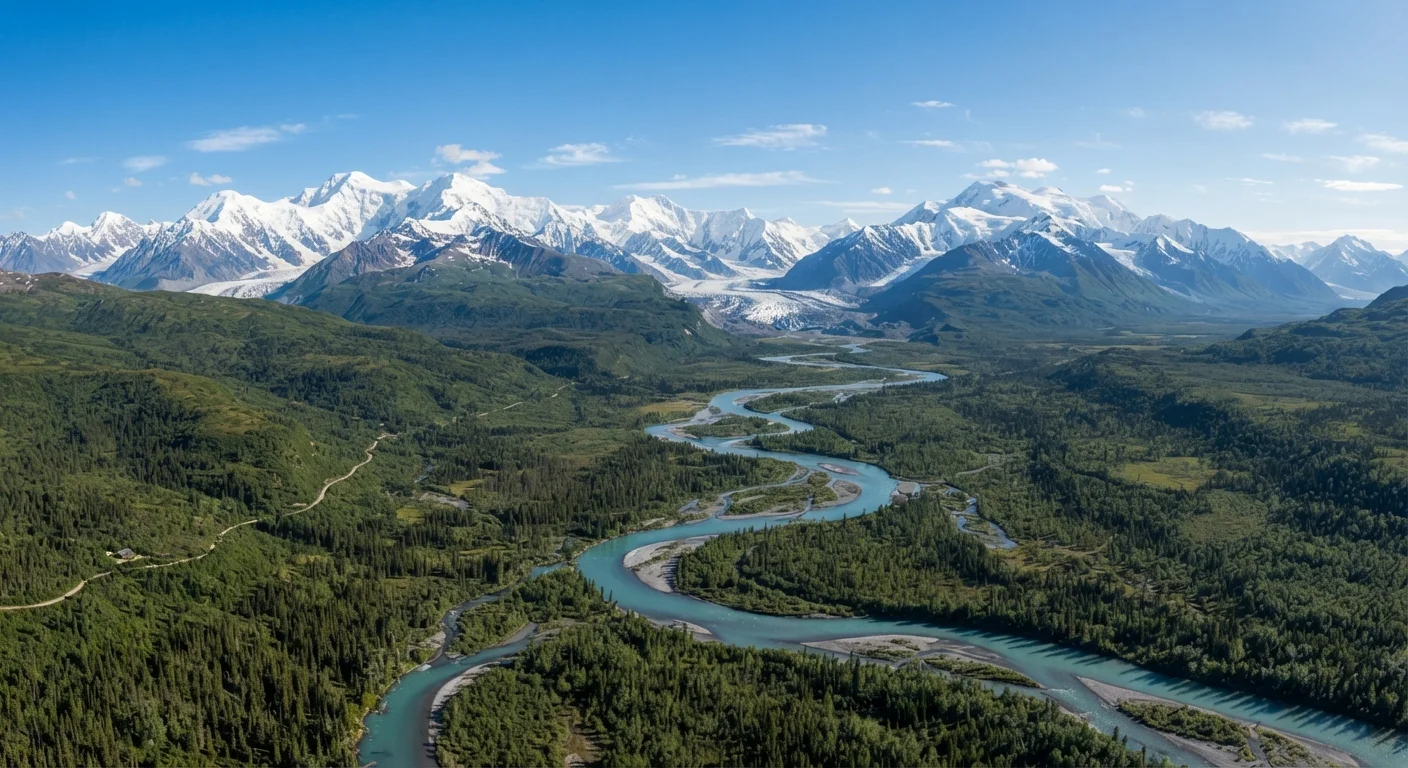
For ideas on structuring a realistic day-by-day plan that doesn't leave you exhausted, see how to build a flexible daily itinerary. Hawaii's logistical complexity is comparable in some ways to other US destinations that catch first-timers off guard — common Alaska misconceptions follows a similar pattern of visitors underestimating geographic scale.