

Why a Maintenance Log Is Worth the Effort
Most homeowners remember the big repairs — the roof replacement or the water heater that failed — but forget the smaller interventions that quietly keep a home functioning. Over time, this memory gap creates real problems: expired warranties you didn't catch in time, service calls for issues that were already repaired once, and a vague, undocumented history that can slow a home sale.
A home maintenance log solves all of these problems with modest effort. Think of it as a medical record for your house — a running account of what's been done, what's due, and what each system has cost you. Just as a car's service history affects its resale value (a principle well understood by anyone who's kept up with a vehicle maintenance schedule), a home's documented upkeep history signals to buyers that the property has been well cared for.
Pair Your Log With a Seasonal Checklist
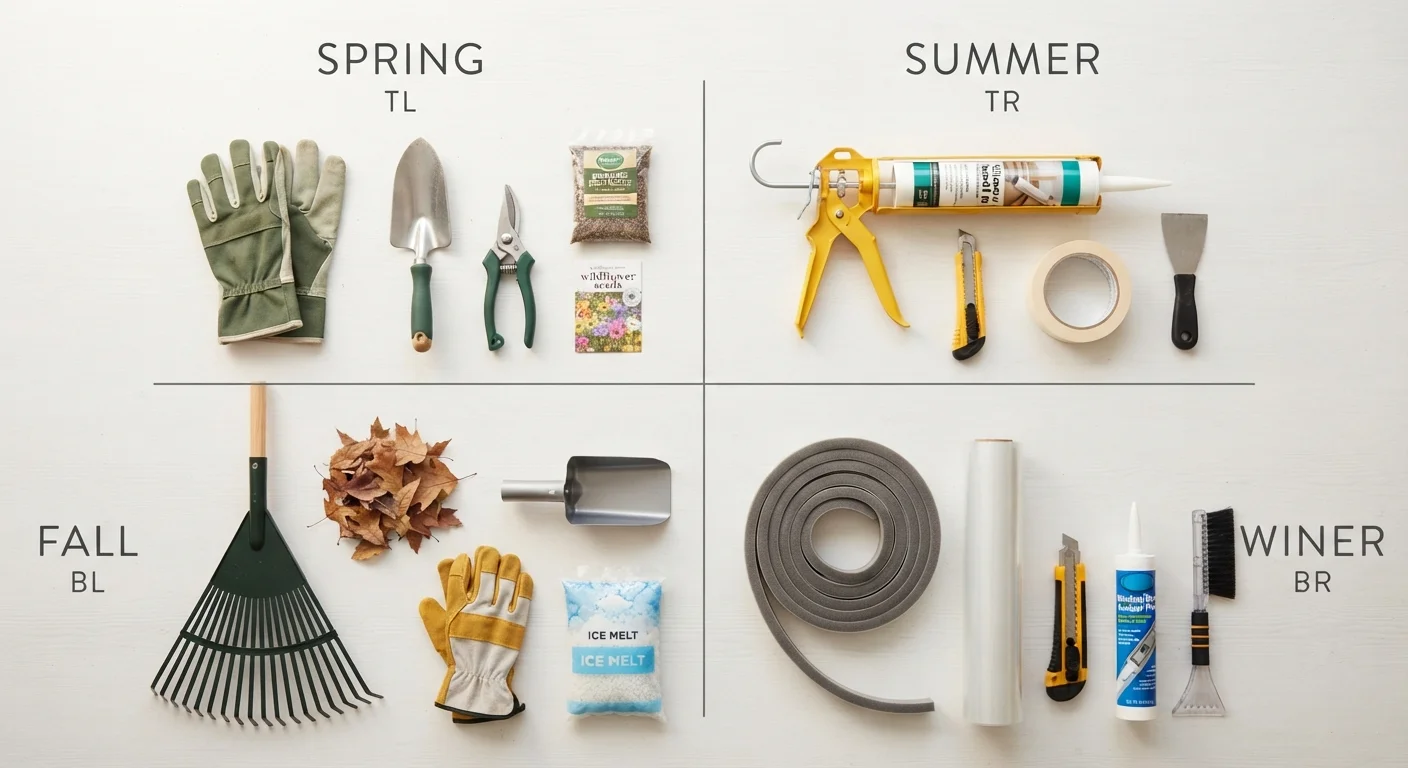
A maintenance log records what happened; a seasonal checklist tells you what's coming next. Use both together for complete coverage. See our seasonal home maintenance calendar for a month-by-month breakdown of tasks to schedule and log throughout the year.
Beyond resale value, a good log simply makes homeownership less stressful. When a contractor asks when the HVAC was last serviced, you have the answer. When an appliance breaks near the end of its warranty, you can check coverage instantly. That kind of clarity is worth the 15 minutes it takes to set up.
What to Track and How to Get Started
What you will need
Dedicated binder or folder
Stores physical receipts, warranty cards, and printed service records alongside your written log.
Spreadsheet (e.g., a free office suite app)
Allows sortable, searchable digital recordkeeping with columns for date, task, cost, and contractor.
Home maintenance tracking app
Provides reminders and pre-built categories for logging repairs and scheduling recurring tasks.
Camera or smartphone
Photographs model numbers, damage before repair, and completed work for visual documentation.
Choose your format
Decide whether you prefer a physical binder, a spreadsheet, or a dedicated app. There is no universally superior format — the best one is whichever you will actually use consistently. A simple notebook works just as well as a digital tool if you update it after every job. If you keep records for your vehicle, you already know the concept: the same principles that apply to a car maintenance log transfer directly to your home.
Inventory your major systems and appliances
Walk through your home and list every major system and appliance: HVAC unit, water heater, roof, electrical panel, plumbing fixtures, refrigerator, dishwasher, washer, dryer, and any others. For each item, record:
- Brand and model number
- Approximate installation or purchase date
- Warranty expiration date (check the manual or manufacturer's website)
- Location of the manual or warranty card
This inventory becomes the foundation of your log. It also flags systems that may already be near or past typical service life — an older water heater, for instance, warrants closer monitoring.
Record all past repairs and service you can document
Gather any invoices, receipts, or notes you already have and enter them retroactively. Even partial records are valuable. Prioritize big-ticket systems: roof repairs, HVAC service calls, plumbing work, and electrical updates. For each entry, include the date, description of work, contractor name and contact, and cost.
Missing records are common — don't let gaps discourage you from starting. A log that begins today and grows forward is still far more useful than no log at all. Avoiding deferred maintenance is easier when you can see what's been done; the real cost of putting off small repairs becomes clearer once you have a documented baseline.
Set recurring reminders tied to log entries
Many maintenance tasks follow a predictable schedule — HVAC filter replacements, gutter cleaning, water heater flushing, smoke detector battery checks. After logging a completed task, immediately schedule its next due date in your phone calendar or the app you've chosen. This turns your log from a passive record into an active planning tool.
Update the log every time work is done
The log only works if it stays current. Make updating it a habit that follows every repair, service visit, or DIY fix — even minor ones like caulking a window or patching drywall. Over time, patterns emerge: a system that needs attention every year may be signaling that replacement is more economical than continued repair. Those patterns are invisible without consistent records.
A thorough log also supports you if warranty coverage is ever disputed. Manufacturers sometimes require proof of regular maintenance to honor a claim; your documented service history provides that proof. Avoid the gaps that common home maintenance myths can create by staying consistent.
Keep Originals Safe, Not Just Entries
Recording a repair date is useful, but attaching the actual invoice or receipt makes your log far more credible to lenders, insurers, and buyers. Store physical originals in a dedicated folder alongside your digital log. A record without documentation can be questioned; a receipt-backed entry rarely is.
Once your log is established, review it briefly once or twice a year — spring and fall align naturally with seasonal maintenance cycles. A quick review helps you confirm that scheduled tasks are on track and that no warranties are silently expiring. Cross-referencing your log with a complete seasonal home maintenance calendar makes this review even more productive, matching your historical records against upcoming tasks.