
Why a Seasonal Calendar Beats a To-Do List
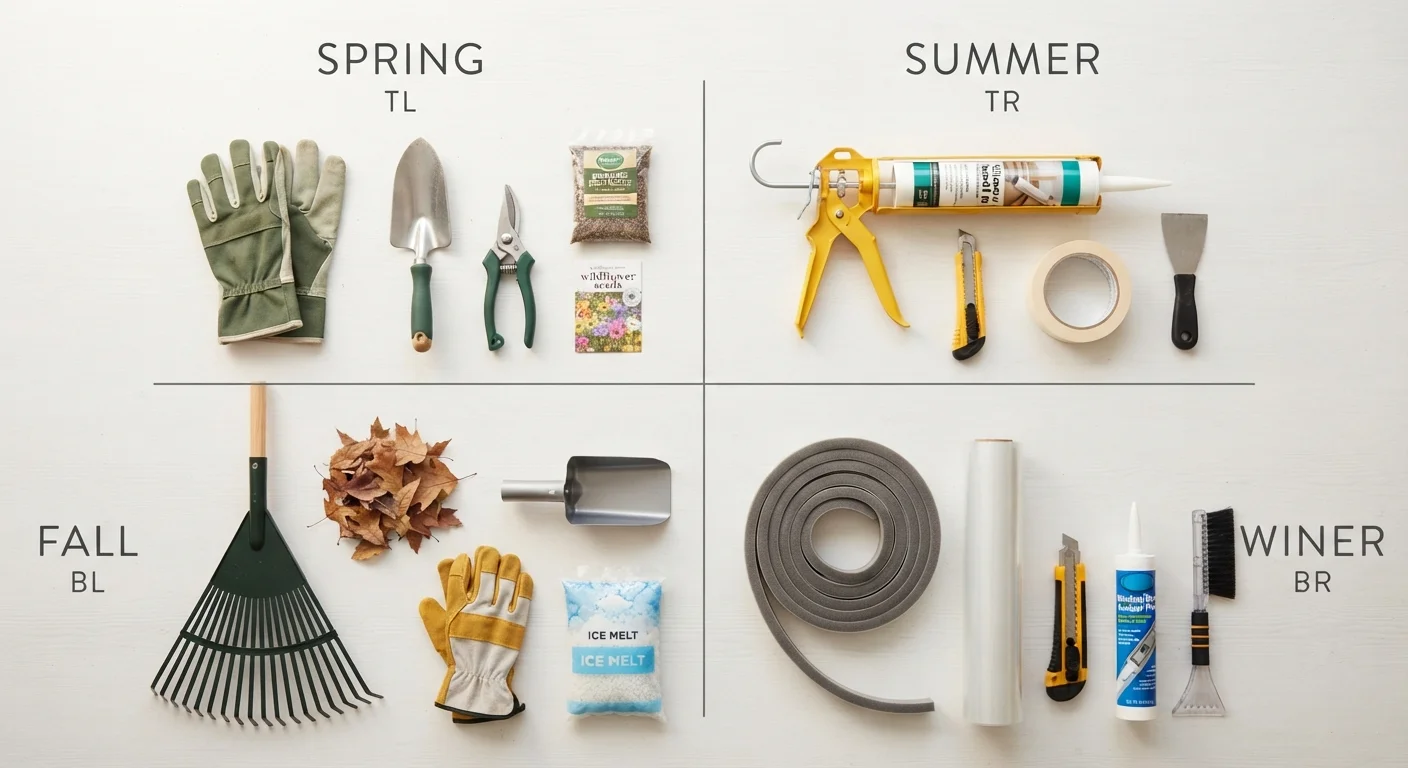
A generic home maintenance to-do list can feel overwhelming precisely because it has no structure. A seasonal calendar solves that by distributing tasks logically — matching the work to the weather conditions that make it practical and necessary.
Timing matters more than most homeowners realize. Caulking windows in 40°F temperatures yields a poor seal; inspecting gutters in summer misses the leaf buildup that causes winter ice dams. When you align tasks with the right season, you get better results with less effort.
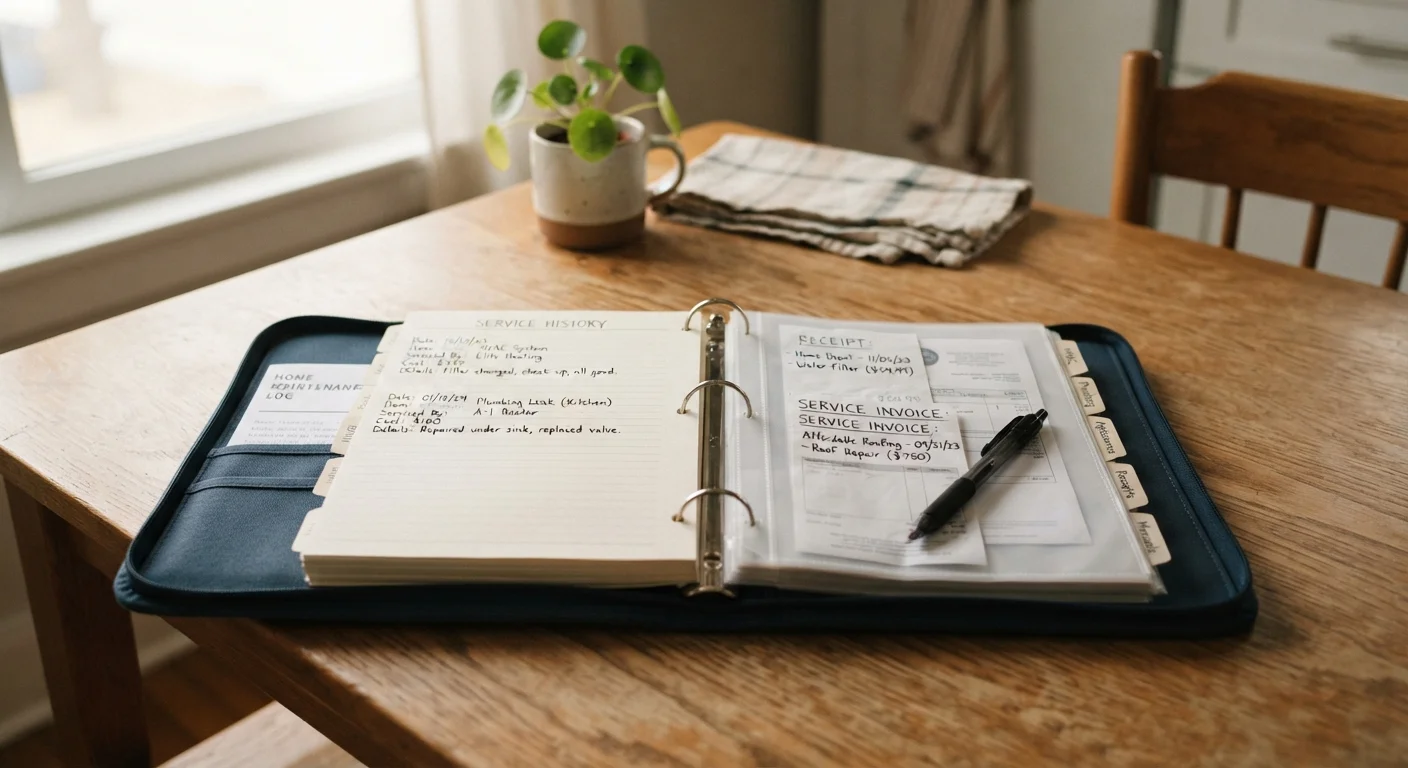
Keeping a written record of every task you complete makes this system even more powerful. Our guide on how a home maintenance log can save you time and money explains why documented upkeep history matters — both for budgeting and for home resale value.
$1,000+
Average cost of a burst pipe repair
According to general plumbing industry estimates, water damage from frozen pipes ranks among the most common and costly winter home insurance claims.
42%
Home fires linked to heating equipment
The U.S. Fire Administration identifies heating equipment as one of the leading causes of residential fires, many of which occur during winter months.
1–3 months
Recommended HVAC filter replacement interval
HVAC manufacturers and energy efficiency guidelines generally recommend replacing standard 1-inch filters every one to three months depending on household conditions.
Spring: Reset and Inspect After Winter
Spring is your first opportunity to assess any damage winter left behind. Walk the full perimeter of your home before tackling interior tasks.
- Roof and gutters: Look for missing or lifted shingles, damaged flashing, and clogged gutters. Clear out winter debris and flush downspouts with a garden hose.
- Foundation: Scan for new cracks, heaving, or soil erosion near the base of the home. Small cracks can be monitored; horizontal cracks in block foundations warrant a licensed structural inspection.
- Exterior paint and siding: Look for peeling, bubbling, or gaps where caulk has shrunk. Recaulk around windows, doors, and any penetrations.
- HVAC system: Schedule a professional tune-up before cooling season begins. Replace the air filter, clean vents, and clear debris from around the outdoor condenser unit.
- Lawn and garden beds: Aerate compacted soil, overseed bare spots, and refresh mulch to 2–3 inches deep to retain moisture through summer.
Do your spring exterior walk-through on the first dry day after temperatures have consistently stayed above 40°F — this is when any frost heaving, paint failure, or caulk shrinkage becomes clearly visible.
Cold temperatures mask some damage and make caulk and sealants harder to apply correctly, so timing the inspection and repair together saves a second trip.
Before scheduling any contractor for fall HVAC service, ask whether they'll provide a written inspection report — not just a verbal summary. A documented report gives you a baseline for future comparisons.
Written service records add tangible value when selling a home and help you detect gradual equipment decline before it becomes an emergency.
Summer: Protect and Maintain in the Heat
Summer maintenance shifts toward keeping systems running efficiently in the heat and catching exterior wear before fall arrives.
- Deck and patio: Inspect wood decking for rot, loose fasteners, and splinters. Clean composite decking per manufacturer guidance. Check that railings are firmly anchored.
- Irrigation and hoses: Test sprinkler heads, adjust coverage to avoid overwatering, and inspect hose bibs for drips.
- Window and door screens: Patch or replace torn screens to keep insects out while windows are open.
- Attic ventilation: Confirm soffit and ridge vents are clear. Poor attic airflow in summer drives up cooling costs and can shorten roof life.
- Pest inspection: Look for signs of termites, carpenter ants, or wasps around wood structures, soffits, and eaves. Early detection keeps treatment straightforward.
Summer is also a smart time to research appliance and material costs for any fall projects you're planning — prices on outdoor goods and tools often follow predictable seasonal patterns, as explored in this overview of seasonal shopping patterns worth knowing about.
Fall: Winterize Before the Cold Arrives
Fall is arguably the most critical maintenance season. Getting ahead of freezing temperatures protects plumbing, roofing, and heating systems from the year's most damaging conditions.
Don't Skip the Chimney Inspection
Creosote buildup inside an uncleaned flue is a leading cause of house fires. Never use a fireplace or wood stove that hasn't been inspected by a certified chimney sweep within the past 12 months. This is not a DIY task — a qualified sweep has the tools and training to spot cracks, blockages, and deterioration that aren't visible from ground level.
- Heating system: Have your furnace or boiler serviced by a licensed HVAC technician before the first cold snap. Replace filters monthly during heavy-use months.
- Weatherstripping and caulk: Test all exterior doors for drafts by holding a lit candle near the edges on a windy day. Replace worn weatherstripping and recaulk gaps.
- Pipes: Insulate exposed pipes in unheated spaces like garages, crawl spaces, and basements. Disconnect and drain outdoor hoses before the first freeze.
- Gutters (second clean): Wait until most leaves have fallen — typically late October to early November — then clean gutters thoroughly to prevent ice dams.
- Chimney and fireplace: Have a certified chimney sweep inspect and clean the flue annually before you light the first fire of the season.
For a room-by-room checklist covering everything from pipe insulation to HVAC filters, see our detailed fall home walkthrough guide.
Winter: Monitor, Test, and Plan
Winter is less about large projects and more about monitoring, testing safety devices, and planning for spring. Cold weather limits exterior work, but interior tasks can fill the gap.
- Smoke and carbon monoxide alarms: Test every alarm monthly. Replace batteries at least once a year; replace units older than 10 years.
- Water heater: Flush sediment from the tank once a year to maintain efficiency. Check the pressure relief valve for proper function.
- Refrigerator coils: Vacuum condenser coils (located behind or beneath the unit) to help it run efficiently — dusty coils make the motor work harder.
- Storm readiness: Know where your main water shut-off valve is located. If a pipe bursts, getting to it quickly limits damage significantly.
- Project planning: Use slower winter months to schedule contractors for spring projects. Licensed trades — especially electricians and plumbers — book up quickly in spring.
Use Winter Downtime Wisely
Pull out your appliance manuals and note model numbers, installation dates, and warranty expiration dates. Storing this information in a home maintenance log or a simple notebook takes less than an hour and saves significant time when something breaks or needs servicing. See our guide on keeping a home maintenance log for a practical starting framework.
Year-Round Tasks You Should Never Skip
Some maintenance responsibilities don't belong to one season — they need consistent attention all year. Build these into a monthly or quarterly habit:
| Task | Frequency |
|---|---|
| HVAC filter replacement | Every 1–3 months |
| Smoke and CO alarm test | Monthly |
| Check for plumbing leaks under sinks | Monthly |
| Dryer vent lint trap cleaning | After every use |
| Dryer vent duct cleaning | Annually |
| Exterior light fixture check | Quarterly |
Treating your home with the same structured care you'd apply to vehicle upkeep pays off in longevity and peace of mind. The concept is no different from following a scheduled maintenance plan — an approach that's equally well-established for understanding your car's maintenance schedule.
No home maintenance calendar is one-size-fits-all. Climate zone, home age, and construction type all affect what your specific home needs. When in doubt, consult a licensed inspector or the relevant trade professional for your area.