
Why Home Maintenance Myths Are So Costly
Most home maintenance myths feel like common sense — passed down from a parent, picked up from a neighbor, or repeated so often they seem like fact. The trouble is that acting on bad information doesn't just fail to solve problems; it often creates new ones. A small misstep repeated across months or years can quietly turn into a foundation crack, a flooded basement, or an HVAC system that gives out ahead of schedule.
The good news: most of these myths are easy to correct once you know the truth. See our guide to maintenance tasks homeowners often delay for a deeper look at which small oversights tend to snowball into major repairs.
Myth
Pouring grease down the drain with hot running water is perfectly fine — the water keeps it moving.
Fact
Hot water only delays the problem. Grease cools and solidifies inside pipes, accumulating into blockages that can require professional hydro-jetting or pipe replacement.
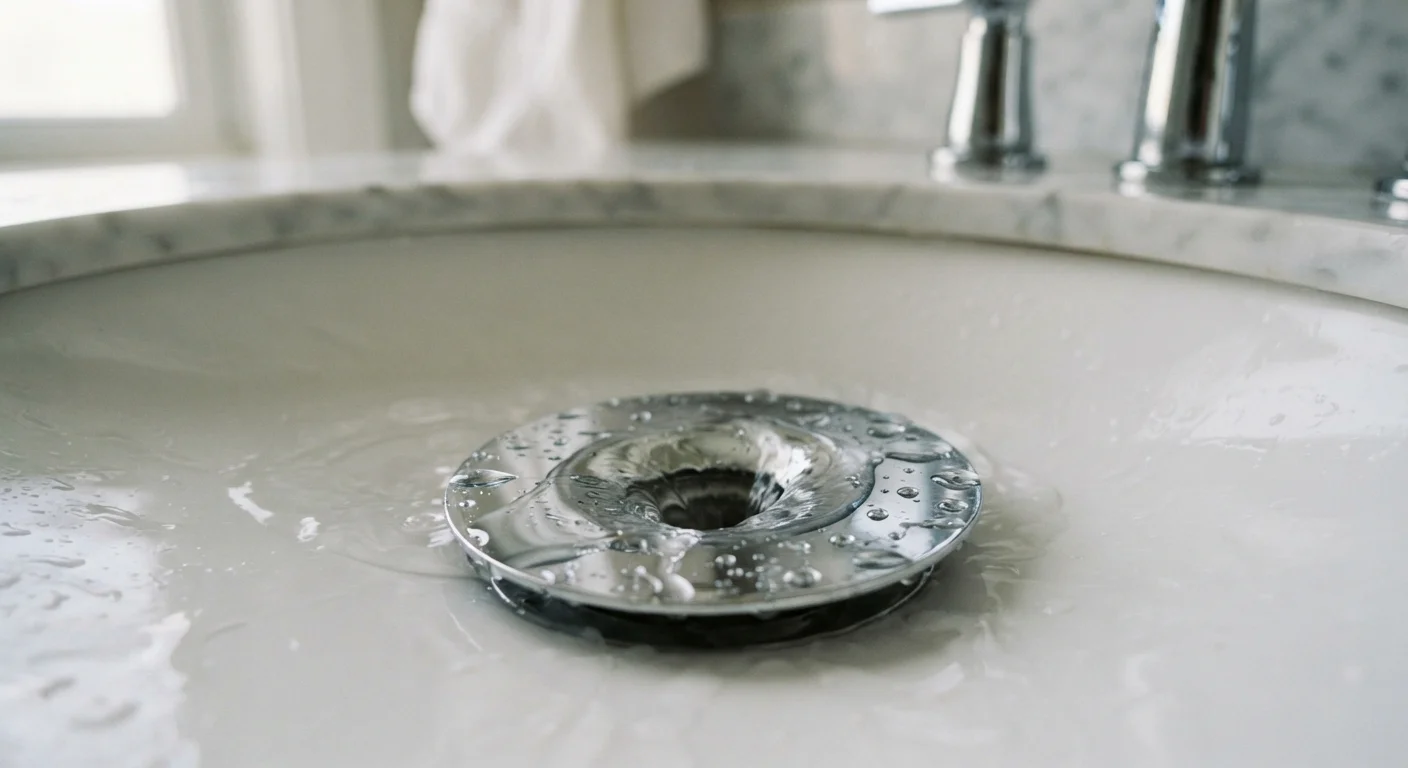
Fats, oils, and grease (commonly called FOG) are among the leading causes of residential drain clogs and municipal sewer backups. The hot water temporarily liquefies the grease, but as it travels further into cooler pipes, it re-solidifies and sticks to pipe walls. Over time, these layers build up and restrict — or fully block — flow. The fix: let grease cool, then scrape it into a sealable container and dispose of it with your regular trash.
Myth
You only need to change your HVAC filter once a year — it's not a big deal.
Fact
Most HVAC filters need replacing every one to three months, depending on filter type, pet ownership, and indoor air quality. Annual changes are rarely adequate.
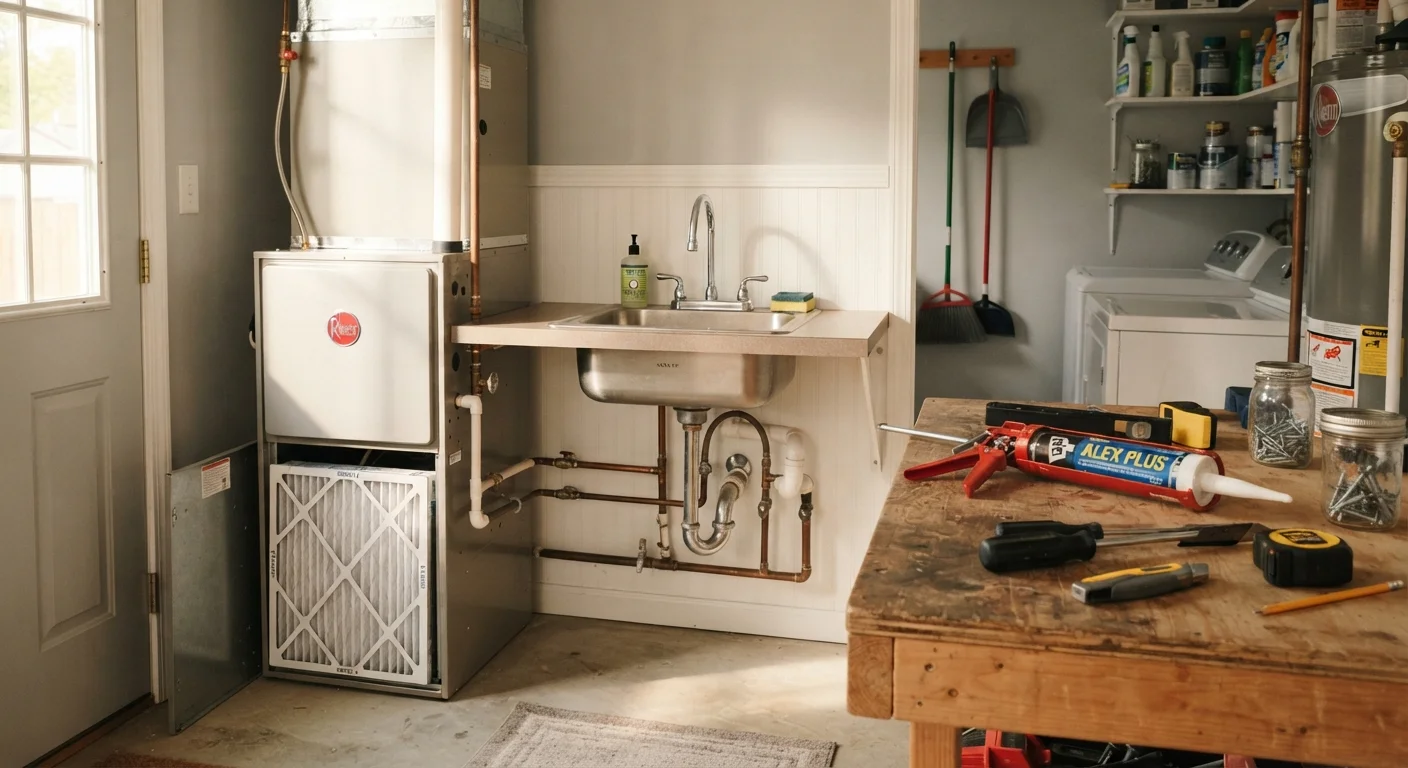
A clogged filter forces your HVAC system to work harder to pull air through, raising energy consumption and putting mechanical stress on the blower motor and heat exchanger. Reduced airflow can also cause the system to overheat or freeze up. Beyond equipment wear, a dirty filter stops doing its job — circulating unfiltered dust and allergens through your home. Check your filter monthly and follow the manufacturer's replacement interval as a minimum, not a maximum.
Myth
If there are no visible gaps, your weatherstripping and caulk are still doing their job.
Fact
Caulk and weatherstripping degrade from UV exposure, temperature cycling, and normal use — often before gaps become visible to the eye.
A simple way to check: hold a lit stick of incense near door and window frames on a windy day. Smoke that wavers indicates air infiltration, even if the seal looks intact. Degraded weatherstripping and caulk are among the most common sources of energy loss in older homes. Replacing them is inexpensive and requires no special skills, making this one of the highest-value DIY maintenance tasks available to homeowners.
Myth
A running toilet is just annoying — it's not actually wasting that much water.
Fact
A continuously running toilet can waste 200 gallons or more per day, translating to significantly higher water bills and unnecessary strain on local water systems.
The culprit is usually a worn flapper valve — the rubber seal at the bottom of the toilet tank that controls water flow into the bowl. Replacement flappers are inexpensive and available at any hardware store; the swap typically takes less than 15 minutes with no special tools. If the flapper isn't the issue, a faulty fill valve or float may be the cause. Either way, diagnosing and fixing a running toilet early is far cheaper than months of inflated water bills.
Myth
You only need to clean your gutters in the fall after leaves drop.
Fact
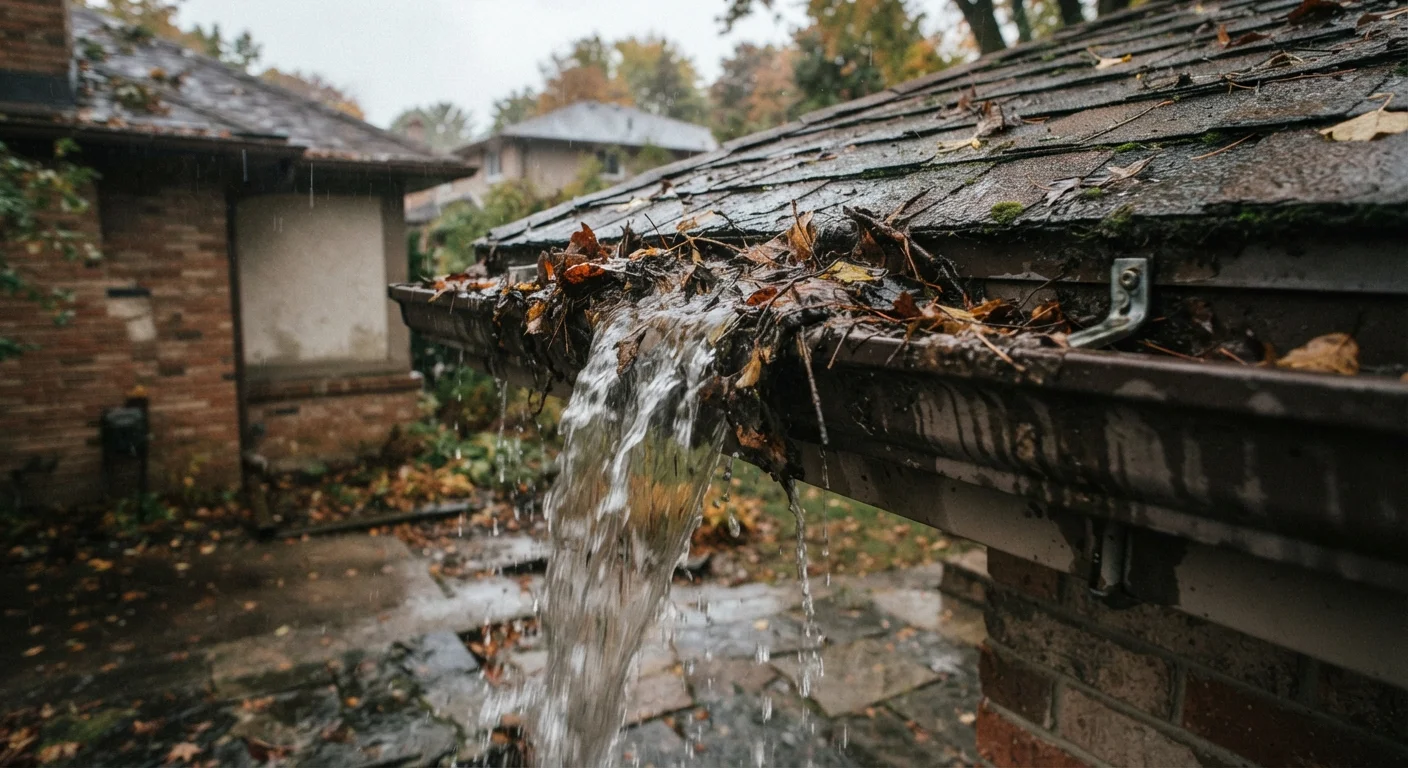
Gutters should be cleaned at least twice a year — typically in late spring and late fall — and inspected after major storms.
Spring brings debris from budding trees, seed pods, and shingle granules loosened by winter ice. If that material accumulates through summer, you enter fall with already-compromised drainage. Blocked gutters cause water to back up under roofing material, seep into fascia boards, and pool against your foundation — creating conditions for rot, mold, and structural damage. If your home is surrounded by trees, quarterly cleanings may be warranted. See the full breakdown of gutter neglect consequences for more detail.
Myth
A water heater doesn't need maintenance — it just works until it doesn't.
Fact
Sediment buildup inside a tank water heater reduces efficiency, increases energy use, and can shorten the unit's lifespan if the tank is never flushed.
Minerals naturally present in tap water settle at the bottom of a storage water heater over time. This sediment layer acts as insulation between the burner and the water, forcing the system to run longer to reach the target temperature. Flushing the tank annually — a task most homeowners can do themselves by attaching a hose to the drain valve — removes this buildup. If you're weighing whether a tank or tankless system suits your home, our tankless vs. traditional water heater comparison covers the tradeoffs clearly.
Plumbing and Drainage Mistakes That Add Up Fast
Plumbing myths are especially dangerous because their consequences are invisible until a drain backs up, a pipe bursts, or a water bill suddenly spikes. If you've noticed your sink or tub taking longer to drain than usual, that sluggishness is rarely random — our article on what a slow drain is telling you can help you decode the signals and decide which fixes are safe to handle yourself.
Never Use Chemical Drain Cleaners as a Routine Fix
Liquid drain cleaners may clear a clog temporarily, but repeated use can corrode older pipes, damage rubber seals, and create hazardous conditions if mixed with other household chemicals. For persistent or recurring clogs, a drain snake or professional inspection is a safer and more effective long-term solution.
Similarly, gutter neglect is one of the most deferred maintenance tasks in American homes. Blocked gutters redirect water toward your foundation and fascia boards, accelerating damage most homeowners don't notice until it's expensive. The full picture of what ignored gutters actually cost may surprise you.
Putting It All Together: Track What You Do
Correcting these myths is step one — the second step is building a habit of consistent, documented maintenance. A simple home maintenance log (even a notes app or spreadsheet) lets you track filter changes, caulking updates, and appliance service dates. This matters not just for your home's health, but for resale value and warranty claims. Learn more about how a home maintenance log can save you time and money.
For those curious whether these kinds of myth-versus-fact patterns show up elsewhere, the same dynamic plays out in vehicle ownership — our piece on car ownership myths that cost drivers real money is worth a read. And if you've taken on any DIY fixes recently, check out DIY fixes that often go wrong to see where overconfidence most commonly leads to expensive mistakes.
200+ gal/day
Water wasted by a running toilet
A continuously running toilet can waste more than 200 gallons of water daily, according to the U.S. Environmental Protection Agency's WaterSense program.
Up to 15%
Energy lost through air leaks
The U.S. Department of Energy estimates that drafts through gaps in weatherstripping, caulk, and other openings can account for 15% or more of home heating and cooling losses.