
What Your Drain Is Actually Telling You
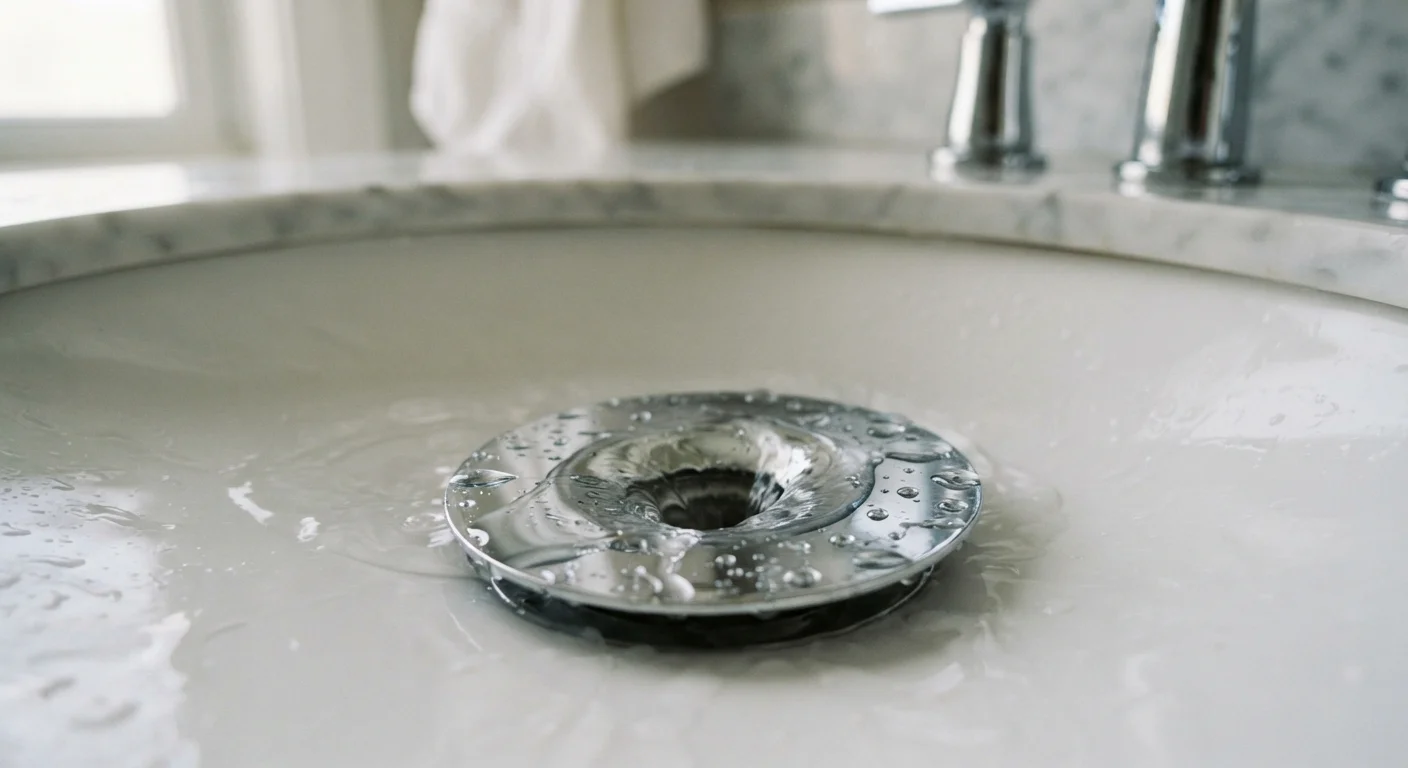
A drain that clears a sink in ten seconds flat is easy to ignore. One that leaves an inch of standing water for thirty seconds gets your attention — and that's the point. Slow drains communicate something specific about your plumbing system, and reading those signals correctly can save you from a much bigger repair down the road.
The most common cause is simple accumulation: hair, soap scum, toothpaste residue, and grease gradually coat the inside walls of drain pipes, narrowing the passage. But slow drains can also signal something less obvious — a blocked plumbing vent, a partial clog in the main line, or even root intrusion in older homes.
The location and behavior of the slow drain matters enormously. A single sluggish bathroom sink almost always points to a localized blockage. Multiple fixtures draining slowly at the same time — especially if you notice gurgling sounds from toilets when the washing machine runs — suggests the problem sits deeper in the system.
One Slow Drain vs. Many: A Key Distinction
The number of affected fixtures is the fastest way to narrow down the cause. A single slow drain almost always has a localized cause — debris, a clog, a dirty stopper. Two or more drains running slow simultaneously shifts the likelihood strongly toward a shared line blockage or a venting issue. Track which fixtures are affected before you start troubleshooting.
The Most Common Culprits by Fixture
Different fixtures tend to slow for different reasons, and knowing which is which helps you target the fix:
- Bathroom sinks: Hair and soap scum are the overwhelming majority of cases. The pop-up stopper assembly is a prime collection point and is easy to remove and clean.
- Shower and tub drains: Hair is the leading cause here too, often forming a dense mat just below the drain cover. A simple drain snake or even needle-nose pliers can dislodge it.
- Kitchen sinks: Grease, food particles, and dish soap residue are the main offenders. Unlike bathroom clogs, kitchen clogs tend to sit further down the pipe. As one common home maintenance myth holds, rinsing grease with hot water is harmless — in reality, it just moves the grease further down the line before it solidifies.
- Utility and laundry drains: Lint, detergent buildup, and debris from washing can accumulate in floor drains and standpipes over time.
Prevent Clogs Before They Start
Fit every shower and tub drain with an inexpensive mesh drain screen to catch hair before it enters the pipe. In the kitchen, let cooking grease cool and solidify in the pan, then scrape it into the trash rather than rinsing it down the drain. These two habits eliminate the majority of slow-drain causes before they develop.
When It's Not Just a Clog: Vent Pipe Problems
Every drain in your home is connected to a vent pipe — usually a stack that exits through your roof. These vents let air into the drain system so water can flow freely, much like putting your thumb over a straw holds water inside it. When a vent gets blocked (by a bird's nest, leaves, or debris), air can't enter the system, and drains slow down or gurgle even if the pipes themselves are clear.
Signs that a vent is the issue rather than a simple clog include:
- A gurgling or bubbling sound from toilets or other drains
- A sewer-like smell near drains — gases aren't being properly vented
- Multiple fixtures affected simultaneously
- Toilets bubbling when the shower runs or washing machine drains
Clearing a roof vent requires accessing the rooftop, which carries real fall risk. This is a task most homeowners should leave to a licensed plumber or HVAC professional who can inspect and safely clear the stack.
~80%
Of single-fixture clogs caused by hair and soap scum
Industry plumbing service data consistently shows hair and soap residue as the leading cause of bathroom drain clogs in residential homes.
1 in 3
Homeowners delay addressing slow drains
Home maintenance surveys suggest a significant share of homeowners wait until a drain is fully blocked before taking action, increasing repair complexity and cost.
$150–$500+
Typical cost range for professional drain cleaning
Professional drain cleaning costs vary by clog location and severity; main-line hydro-jetting or camera inspection typically falls at the higher end of this range.
DIY Fixes That Are Actually Worth Trying
For a single, clearly localized slow drain, there are safe and effective approaches you can try before reaching for the phone:
- Remove and clean the stopper or drain cover: Bathroom sink stoppers unscrew or lift out easily. Rinse them and use an old toothbrush to clear any buildup.
- Use a drain snake (also called a drain auger): A hand-cranked drain snake, typically 15–25 feet long, can reach clogs that are below the P-trap. Feed it into the drain, turn the handle, and pull back slowly to grab and remove the blockage.
- Plunge the drain: A cup plunger works on sink and tub drains. Block the overflow opening with a wet rag first to create proper suction, then plunge firmly several times.
- Clean the P-trap: The curved pipe under your sink (the P-trap) can collect debris. Place a bucket underneath, unscrew the slip-joint nuts by hand, and remove and rinse it out.
These fixes handle the vast majority of single-fixture slow drains. If they don't resolve the problem, or if the drain slows again quickly, the clog may be further downstream than a standard snake can reach — at that point, professional help is the right call. For context on where DIY confidence can create new problems, see our guide to DIY fixes that often go wrong.
When to Stop DIYing and Call a Professional
Some slow drain scenarios are clearly beyond the scope of a homeowner fix. Contact a licensed plumber if:
- More than one drain in the house is draining slowly at the same time
- Water backs up into a tub or sink when you flush the toilet — a strong indicator of a main-line issue
- You notice a persistent sewage odor that doesn't go away after cleaning the drain
- A drain snake retrieves no clog material but the drain is still slow
- Your home is older and has never had the main sewer line inspected or hydro-jetted
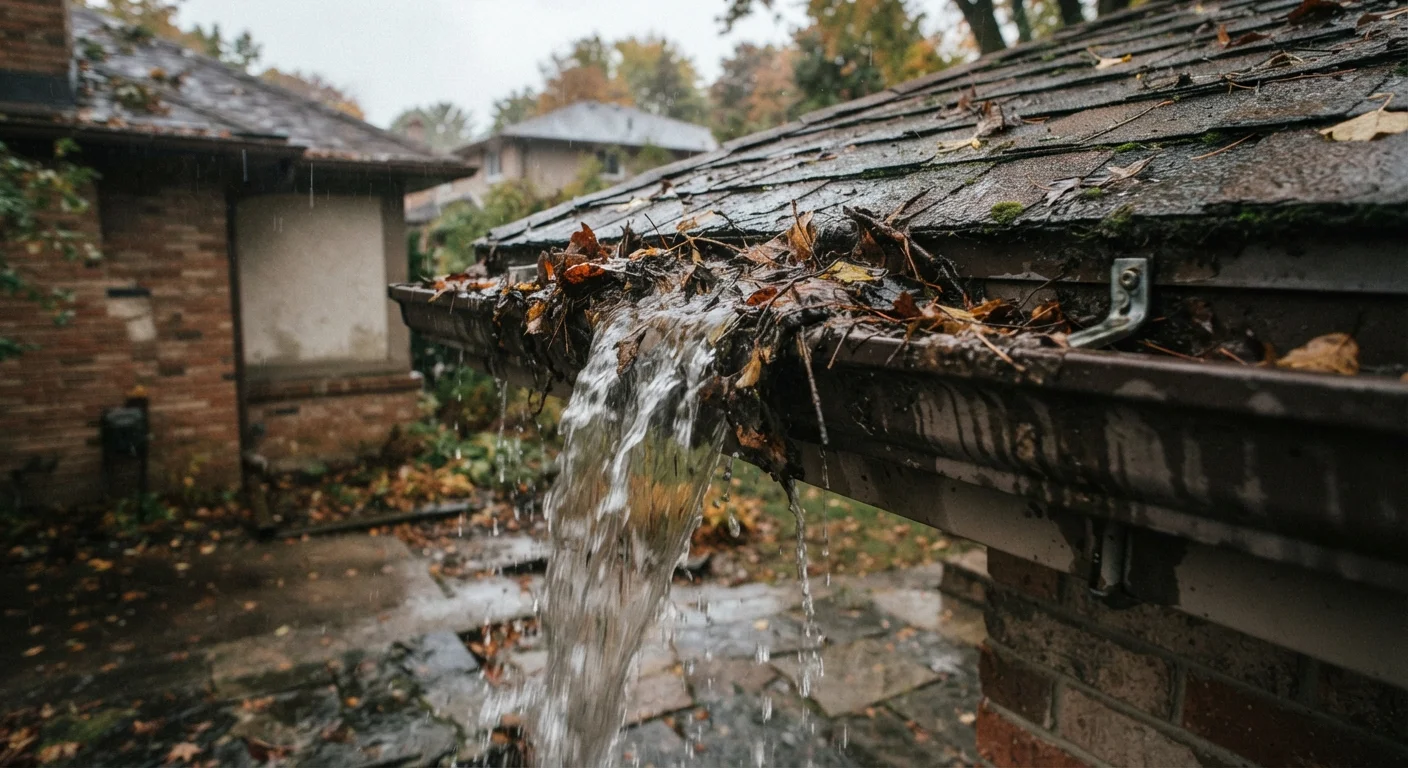
Main-line blockages, damaged pipes, and root intrusion require professional equipment — typically a camera inspection and hydro-jetting or pipe repair — that are genuinely outside DIY territory. Attempting to force a drain snake through a cracked or root-intruded pipe can worsen the damage. Just as ignoring clogged gutters leads to compounding structural damage, ignoring the signs of a deeper plumbing problem tends to make the eventual repair significantly more expensive.
This article provides general home maintenance information for educational purposes. For plumbing work involving main sewer lines, structural pipe repair, or permitted work, consult a licensed plumber familiar with your local building codes.