
Why Deferred Maintenance Always Has a Price Tag
Most homeowners know the feeling: a small drip under the sink, a gutter sagging at one end, a crack in the caulk around the tub. Each item sits at the back of the mind, easy to push to next weekend. The trouble is that homes don't pause while you delay. Minor moisture intrusion, small structural gaps, and overlooked systems tend to compound quietly — and by the time a problem becomes impossible to ignore, the repair cost has multiplied.
Understanding which specific tasks carry the highest cost-of-delay helps you make smarter choices about where to direct limited time and money. The list below focuses on the deferrals that most commonly snowball into major work. If you want a system for staying ahead of everything, a home maintenance log is one of the most practical tools available.
Cleaning and repairing gutters
Clogged or sagging gutters redirect water toward your foundation and fascia boards rather than away from them. Over one or two seasons, that misdirected flow can saturate soil against the foundation, rot wooden soffits, and create conditions for basement water intrusion. Gutter cleaning is straightforward — a ladder, gloves, and a garden hose handle it in an afternoon. Leaving it undone can mean foundation drainage work or wood rot repairs that run into the thousands of dollars.
Clogged gutters can redirect water toward your foundation, turning a free afternoon fix into a costly structural repair.
Recaulking tubs, showers, and windows
Caulk is a sacrificial material — it's designed to be replaced periodically. Cracked or peeling caulk around a tub surround or window frame is an open invitation for water to reach the substrate beneath. Behind tile, that moisture silently destroys drywall or cement board. Around windows, it can penetrate framing and insulation. A tube of caulk and an hour of work addresses the problem early. Left alone, the same gap eventually means tile removal, drywall replacement, or window-frame repair.
Cracked caulk is an open door for moisture — and what it reaches behind tile or window framing is expensive to fix.
Replacing HVAC filters on schedule
A clogged air filter forces your heating and cooling system to work harder, reducing efficiency and putting mechanical stress on the blower motor. Over months, restricted airflow can contribute to compressor strain and shortened equipment life. Filter replacements are inexpensive and take minutes. Skipping them risks repair bills for components that could have lasted years longer with basic upkeep. One common myth holds that filters only need changing once a year — in most homes, every one to three months is closer to appropriate depending on occupancy and air quality.
A clogged filter strains your HVAC system far more than its low cost suggests — and deferred replacement shortens equipment life.
Addressing slow or gurgling drains
A drain that empties slowly is almost always signaling a partial blockage. Left unaddressed, partial blockages become full blockages — and in shared drain lines, pressure buildup can force sewage back through lower fixtures. Slow drains are also early indicators of potential venting issues or early-stage pipe corrosion. Addressing them while water still moves is far simpler and cheaper than dealing with an overflow or a backed-up main line, which typically requires a plumber and can cause significant floor or cabinet damage.
A slow drain is a warning, not just an inconvenience — partial blockages become full ones if given enough time.
Sealing gaps and cracks in the exterior envelope
Small gaps where utilities enter the house, cracks in stucco or mortar, and deteriorating door weatherstripping each allow air infiltration — raising energy costs — and can provide entry points for pests and moisture. A tube of exterior-grade caulk or foam sealant handles most of these in minutes. The compounding effect of ignoring them is higher utility bills every month, potential pest infestations, and moisture intrusion that may not be visible until it has caused meaningful damage to framing or insulation.
Gaps in the exterior envelope silently raise your energy bill every month while also inviting pests and moisture inside.
Testing and maintaining smoke and CO detectors
Detector maintenance is the one item on this list where the cost of delay isn't measured in dollars. Batteries degrade, sensors age, and detectors manufactured more than ten years ago may no longer meet current sensitivity standards. Testing monthly and replacing units on schedule is a task measured in minutes and a modest material cost. Most fire safety guidelines recommend replacing detectors every ten years regardless of apparent function. This is a task that should never be deferred — if you're uncertain about your detectors' ages or condition, checking them today is the right move.
Detector maintenance is the only item here where the cost of delay isn't financial — it's a life-safety issue.
Fixing minor roof damage after storms
A missing shingle or a lifted flashing edge after a windstorm can look like a cosmetic issue from the ground. In practice, it's an exposed entry point for water — and roof leaks rarely stay contained to one area. Water finding its way beneath the roof deck spreads along rafters, pools above ceilings, and eventually shows up as staining or sagging far from the original entry point. A roofing professional can address localized storm damage relatively quickly and affordably when caught early. By the time interior water damage is apparent, the repair scope — and cost — is dramatically larger.
Note on safety: Walking on a roof carries a real fall risk. For anything beyond ground-level visual inspection, hiring a licensed roofing contractor is the appropriate choice. Unpermitted or improperly executed roof work can also affect your homeowners insurance coverage, so verify your local requirements before starting any roof project.
A missing shingle is rarely just cosmetic — water finds its way in quickly and spreads far from where it entered.
Making It a Habit, Not a Crisis
The pattern behind every item on this list is the same: a small, manageable task becomes an emergency when ignored long enough. None of these fixes require professional expertise at the early stage — that's precisely what makes postponement so frustrating in hindsight. Seasonal walkthroughs, even informal ones, catch most of them before they escalate.
Start with a seasonal walkthrough
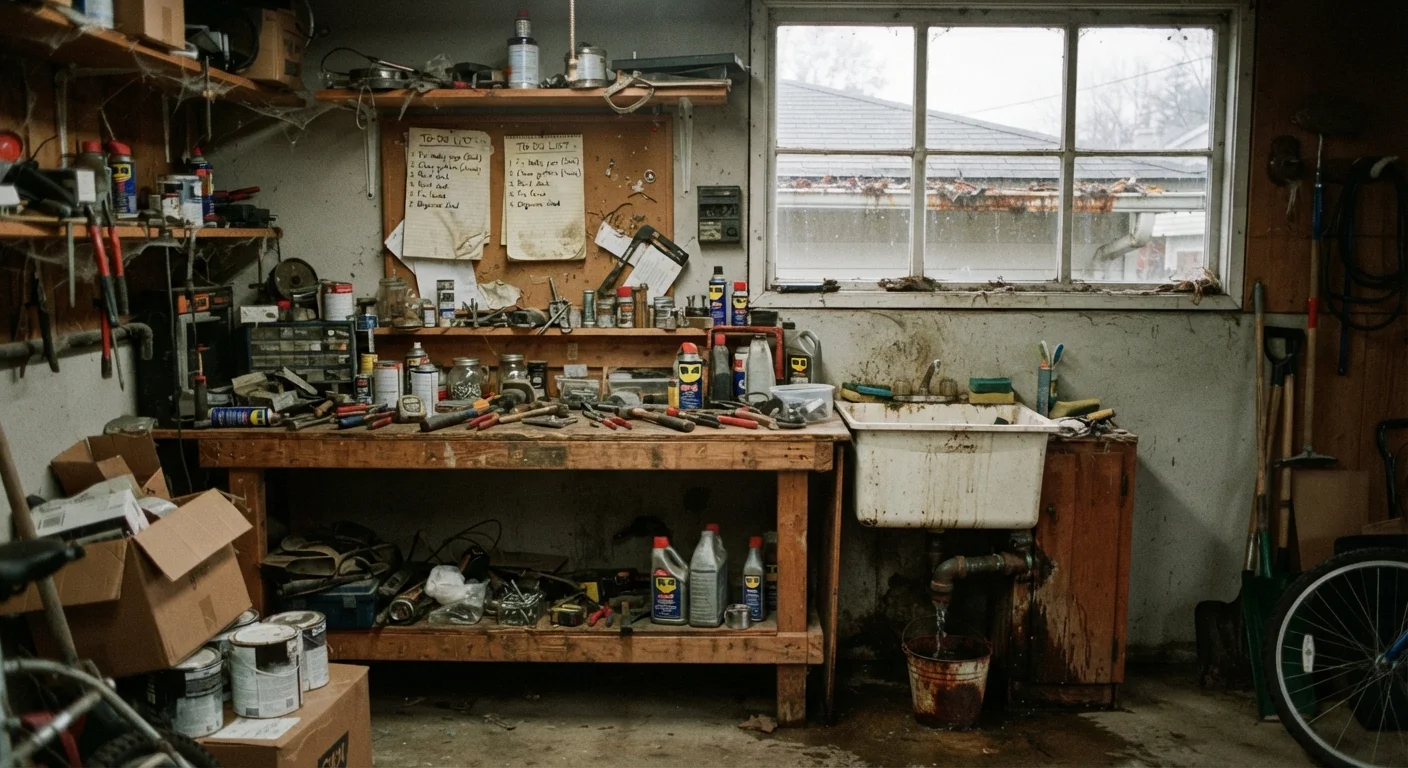
Set a reminder twice a year — spring and fall are natural checkpoints — to walk through your home's interior and exterior looking for the items on this list. Write down what you find rather than relying on memory. A simple notebook or phone note works fine; a more structured approach is outlined in this guide to home maintenance logs. Catching issues at the inspection stage, before they escalate, is where most of the savings happen.
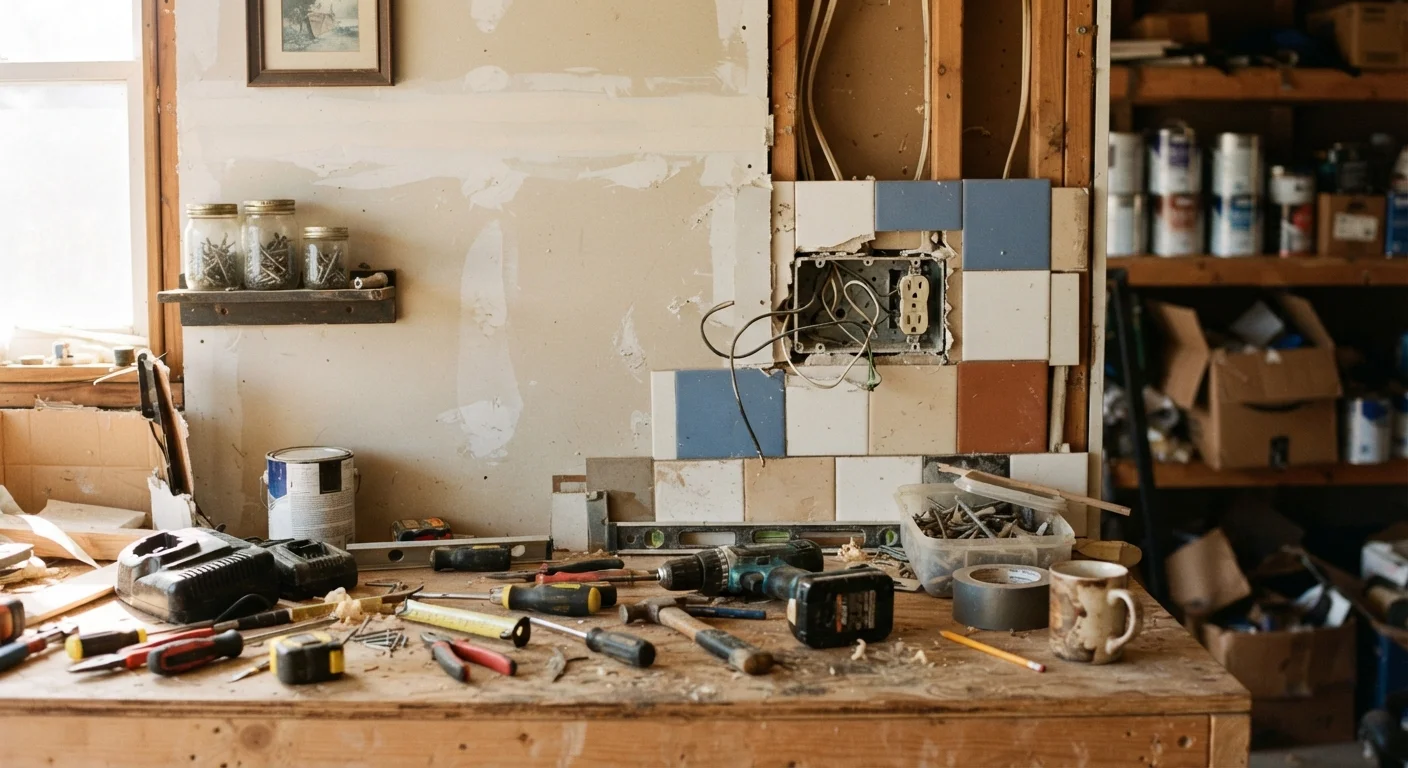
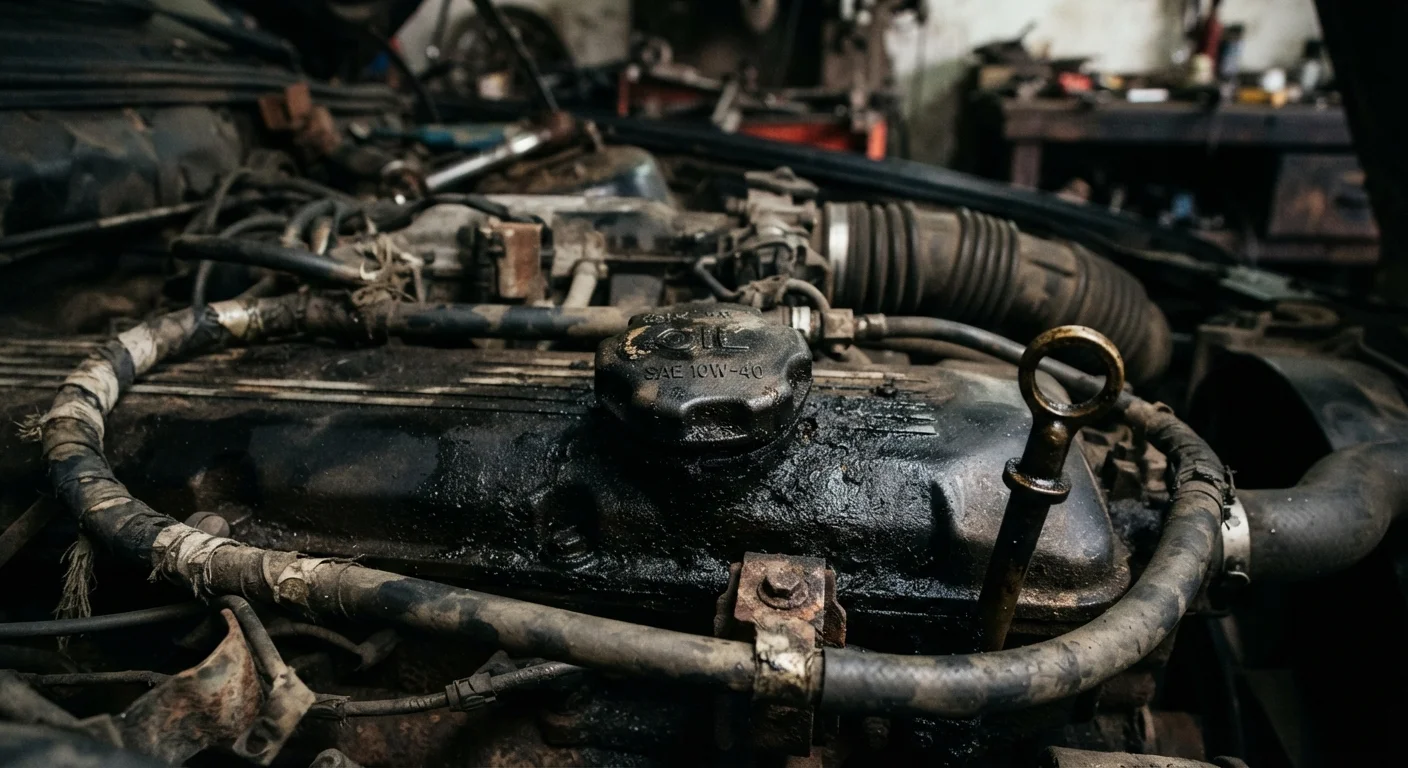
It's also worth understanding where overconfidence creates its own problems. Some repairs that look straightforward have a way of turning into bigger projects when technique matters more than it appears. And many of the same deferred-maintenance principles apply beyond the house — skipping routine vehicle upkeep follows the same cost-escalation logic. Start with the easiest, highest-impact items first, keep notes on what you've done, and treat your home as the long-term investment it is.