
The Chain Reaction Nobody Sees Coming
Routine maintenance items feel easy to push off — especially when the car is still starting and driving normally. But most vehicle systems are interdependent, and what looks like a single skipped task often triggers a cascade. Dirty oil accelerates engine wear, which stresses the cooling system, which struggles harder under load, which strains the water pump. Each deferred item shifts more burden onto adjacent components.
The frustrating part is that none of this is immediately visible. Vehicles are engineered to tolerate short periods of neglect without obvious symptoms. By the time a warning light appears or a noise develops, the damage is often already done. Understanding what's actually happening under the hood — and why the intervals in your owner's manual exist — is the first step toward avoiding expensive surprises.
Just as deferred home maintenance tends to snowball (see how delay compounds costs for homeowners), vehicle neglect follows the same pattern: small, cheap problems quietly become large, expensive ones.
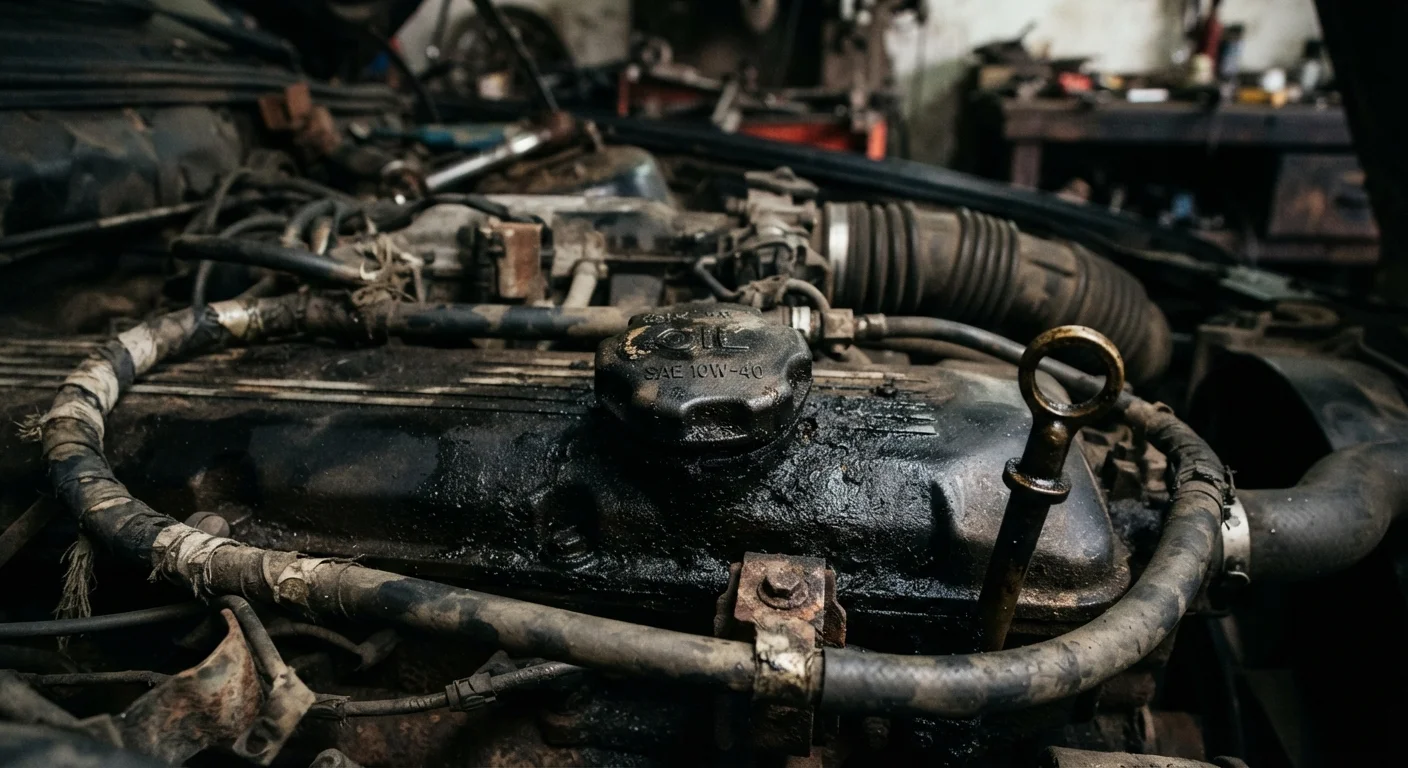
Delaying oil and filter changes beyond the manufacturer's recommended interval.
Why it happens: Many drivers underestimate how quickly oil degrades, or assume the old '3,000-mile rule' gives them extra buffer. Modern engines and synthetic oils have changed that math significantly.
Ignoring coolant level and condition until the engine overheats.
Why it happens: Coolant is out of sight and out of mind for most drivers. Because it rarely needs topping off between major service intervals, it's easy to assume it's fine.
Letting brake fluid absorb moisture over time without replacement.
Why it happens: Brake fluid is a closed system, so drivers rarely think about it unless something feels wrong. But it's hygroscopic — meaning it absorbs water from the air — which lowers its boiling point over time.
Running a clogged cabin or engine air filter far past its service life.
Why it happens: Filters don't cause dramatic symptoms when they're dirty, so the problem builds silently. Many drivers don't realize filters have a service interval at all.
Skipping tire rotations, allowing uneven wear to shorten tire life.
Why it happens: Tire rotation feels optional to many drivers, especially if the tires don't show obvious wear. Front and rear tires wear at different rates depending on drivetrain and driving habits, making rotation easy to justify skipping.
Staying Ahead of the Damage
The good news is that most of these failures are entirely preventable with a consistent schedule. Your owner's manual is the most authoritative source for service intervals — it's calibrated to your specific engine, drivetrain, and fluid types. For a complete overview of what your vehicle needs and when, our guide to routine maintenance schedules covers the full list.
Deferred Maintenance Can Become a Safety Risk
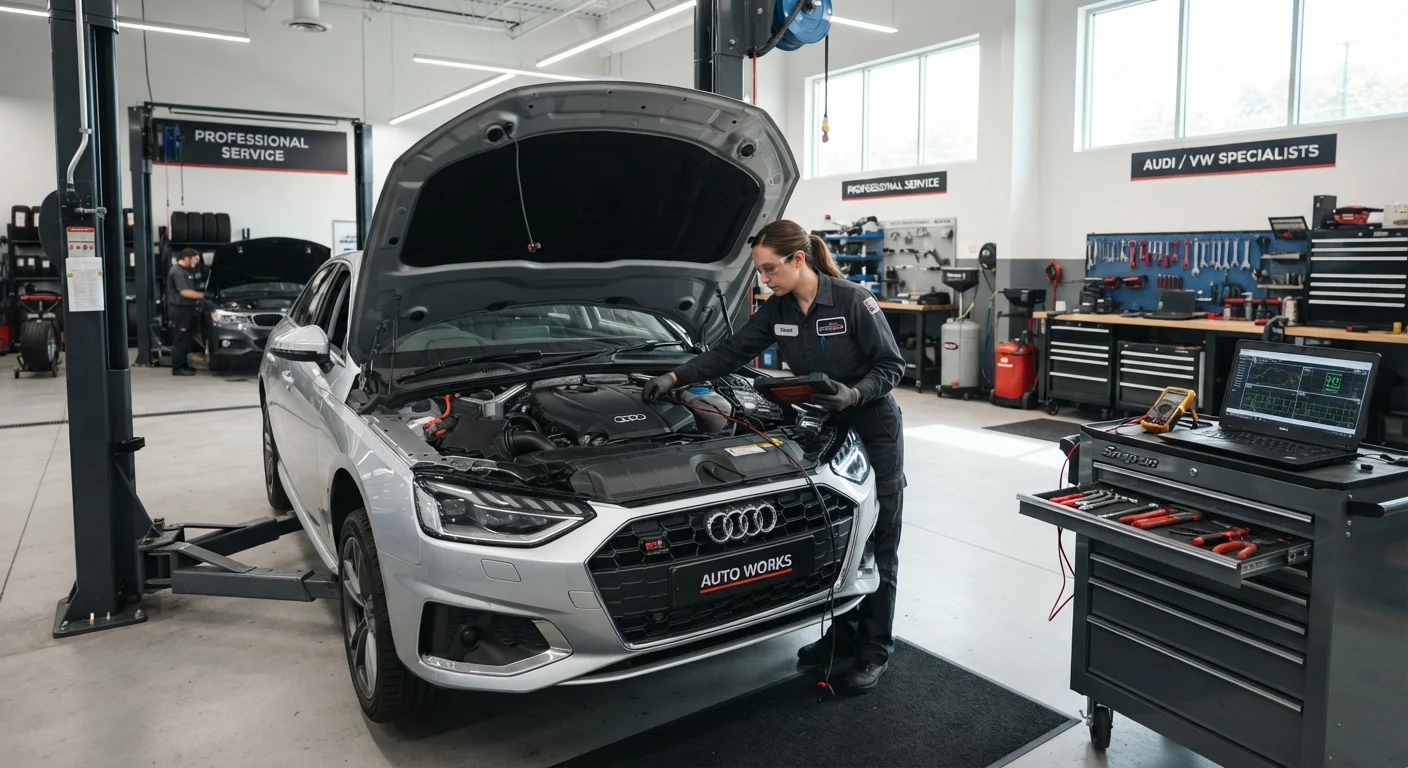
Some maintenance items — brake fluid, tire pressure, and coolant — affect your ability to control the vehicle. Skipping them isn't just a financial gamble; it can reduce stopping distances or cause unexpected failures at speed. If you're unsure what's overdue on your vehicle, a basic inspection at a qualified shop can clarify the picture quickly.
Not every maintenance task requires a shop visit. Some — like checking fluid levels or inspecting tire tread — are straightforward visual checks any driver can do at home. Others, particularly anything involving brakes, suspension, or fuel systems, carry real safety risk if done incorrectly. Our guide to DIY tasks versus jobs for a mechanic can help you decide where to draw the line.
Low Oil Pressure Is an Emergency
If your oil pressure warning light comes on while driving, pull over safely as soon as possible and turn off the engine. Continuing to drive with low oil pressure — even for a short distance — can cause metal-on-metal contact that permanently destroys engine components. Do not assume the light will reset on its own.
It's also worth questioning whether some of your maintenance habits are based on outdated advice. Several widely repeated rules — from oil change frequency to battery maintenance — don't reflect how modern vehicles actually work. See common car maintenance myths for a closer look at what still holds up and what doesn't.