
Choosing the Right Park for Your First Visit
The US has over 400 sites managed by the National Park Service — from vast wilderness preserves to historic battlefields and seashores. For a first trip, narrowing your options by geography, trip length, and physical comfort level makes the decision far less overwhelming.
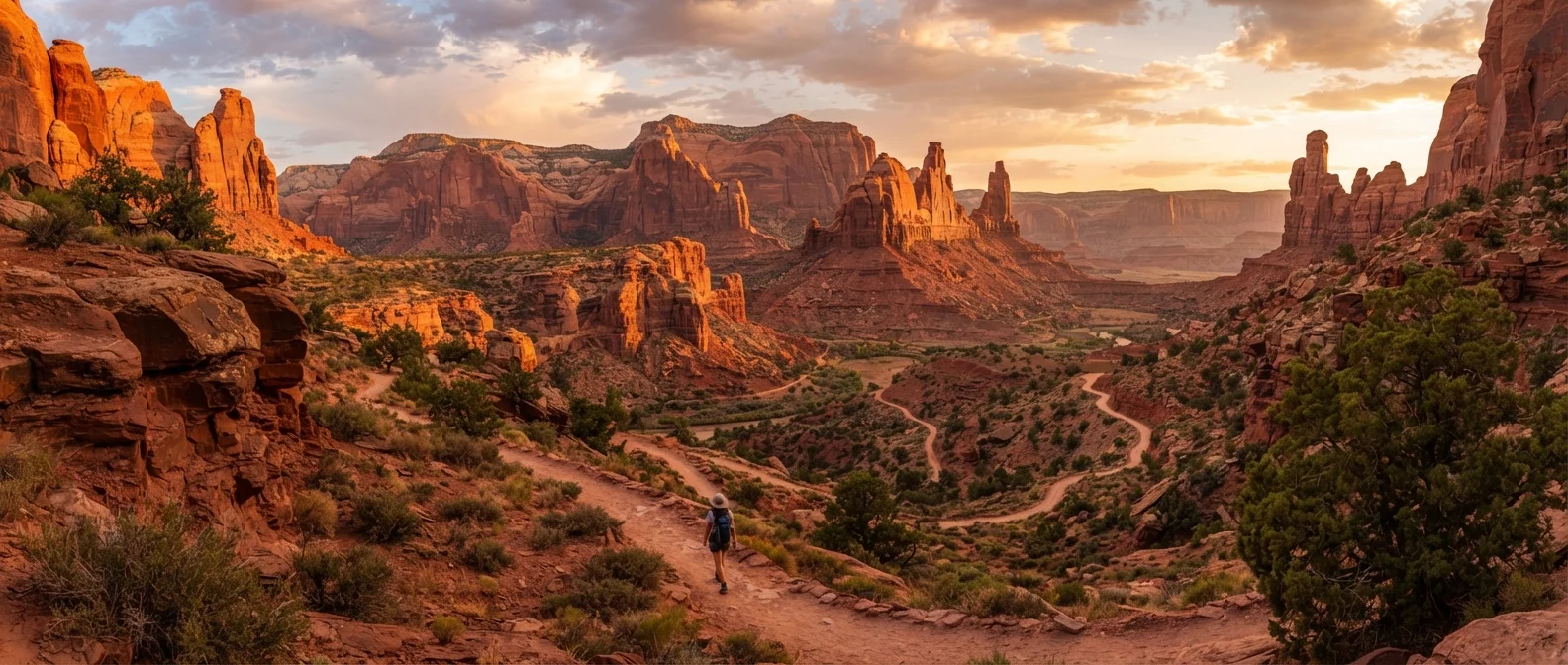
Think about what kind of landscape excites you: alpine meadows, desert canyons, lush rainforests, or ocean coastline? Then consider how far you're willing to drive or fly. Great Smoky Mountains National Park in North Carolina and Tennessee is the most-visited park in the country and requires no entrance fee. Acadia in Maine offers dramatic coastal scenery with relatively short, well-marked trails. If you're in the West, Olympic in Washington or Crater Lake in Oregon provide stunning scenery without the permit-heavy reservation systems of Yosemite or Zion.
Start With a Less-Crowded Park
If Yosemite or Grand Canyon feel overwhelming as a first choice, consider a less-trafficked park in your region. You'll face fewer permit headaches, shorter trail lines, and more ranger availability for questions — all of which make for a smoother first experience. You can always tackle the iconic marquee parks once you have a trip or two under your belt.
If you're newer to independent travel in general, our complete trip planning introduction walks you through the broader logistics of building a trip from scratch before you zero in on a specific destination.
Entrance Fees and the America the Beautiful Pass
Most national parks charge a per-vehicle entrance fee, typically ranging from around $20 to $35 for a seven-day pass, though pricing varies by park. Some parks — including Great Smoky Mountains and most national monuments — are free to enter.
If you're planning to visit two or more fee-charging parks within a 12-month window, the America the Beautiful Annual Pass (sold through the USGS and available at park entrance stations) is worth calculating against individual fees. It covers entrance at all NPS sites as well as lands managed by the Bureau of Land Management, US Forest Service, and other federal agencies. Certain groups — including US military members, fourth-grade students through the Every Kid Outdoors program, and people with permanent disabilities — may qualify for free or discounted passes. Check NPS.gov for current eligibility details.
Fee-Free Days Are a Real Thing
The National Park Service designates several fee-free days each year — typically aligned with holidays like Martin Luther King Jr. Day, Veterans Day, and National Public Lands Day. These can be a great opportunity for a first visit, though expect higher-than-average crowds. Check NPS.gov for the current year's schedule.
Permits, Reservations, and Timed Entry
This is where first-timers are most often caught off guard. Several of the most iconic parks now require timed-entry reservations during peak season — typically spring through early fall. Without one, you may be turned away at the gate even if you've already driven hours to get there.
Parks like Yosemite Valley and Rocky Mountain issue these permits through Recreation.gov, usually releasing them in batches weeks or months in advance. Some parks also require separate permits for specific backcountry trails or summits — Half Dome in Yosemite is a well-known example, with a lottery-based permit system.
Timed-entry reservation
A required permit that assigns you a specific window of time to enter a park or attraction. Without one, entry may be denied even if you're physically at the gate.
America the Beautiful Pass
An annual interagency pass that covers entrance fees at all federally managed lands in the US, including national parks, forests, and recreation areas.
Leave No Trace (LNT)
A set of seven outdoor ethics principles designed to minimize human impact on natural environments. Many LNT guidelines are formally enforced as park rules.
Backcountry permit
A permit required for hiking or camping in remote, undeveloped areas of a park. These are often allocated by lottery because demand far exceeds availability.
First-come, first-served camping
Campsites that cannot be reserved in advance — they're claimed in person on the day of arrival, typically on a first-come basis.
Recreation.gov
The official US government platform for booking campsites, permits, and tours at national parks and other federal lands.
The takeaway: always look up the specific entry requirements for your chosen park on NPS.gov before you book flights or accommodations. Requirements change seasonally and year to year.
Camping Basics: Your Overnight Options
Staying inside park boundaries overnight is one of the most rewarding ways to experience a national park — waking up to birdsong before the day crowds arrive is genuinely special. But securing a campsite at popular parks requires strategy.
Most reservable campsites are booked through Recreation.gov, with availability windows that often open four to six months in advance. At high-demand parks, sites can vanish within minutes of the booking window opening. Set a calendar reminder and have your account and payment information ready to go.
If you can't snag a reservation, look for first-come, first-served sites within the park (arrive very early — often before 8 a.m.) or campgrounds just outside park boundaries in national forests or on BLM land, which tend to be less crowded. If camping isn't your preference, gateway towns near most major parks offer a range of lodging options.
For help structuring what you'll actually do each day once you're there, see our guide on building a flexible day-by-day itinerary.
Leave No Trace: The Rules That Protect the Parks
Leave No Trace (LNT) is a set of seven outdoor ethics principles developed to minimize human impact on natural environments. In national parks, these aren't just suggestions — many are enforceable rules with real consequences.
- Pack it in, pack it out. All trash, food scraps, and waste leave with you.
- Stay on designated trails. Cutting switchbacks destroys vegetation and causes erosion.
- Never feed wildlife. It's illegal in national parks and genuinely harmful to animals.
- Use established fire rings only, and follow any active fire restrictions posted at the park entrance.
- Respect quiet hours in campgrounds, usually 10 p.m. to 6 a.m.
Don't Rely on Cell Service in the Park
Many national parks have little to no cellular coverage, especially in valleys and backcountry areas. Download offline maps (such as the NPS app's offline feature or a dedicated mapping app) before you leave the trailhead parking area. Share your itinerary with someone not on the trip, and carry a paper map as backup.
National parks feel like a very different kind of destination than a city vacation — for a sense of how the two compare in terms of planning style, our article on navigating a US city for the first time is a useful companion read for multi-stop trips that combine both.