
Landscapes: Canyons and Mesas vs. Forests and Peaks
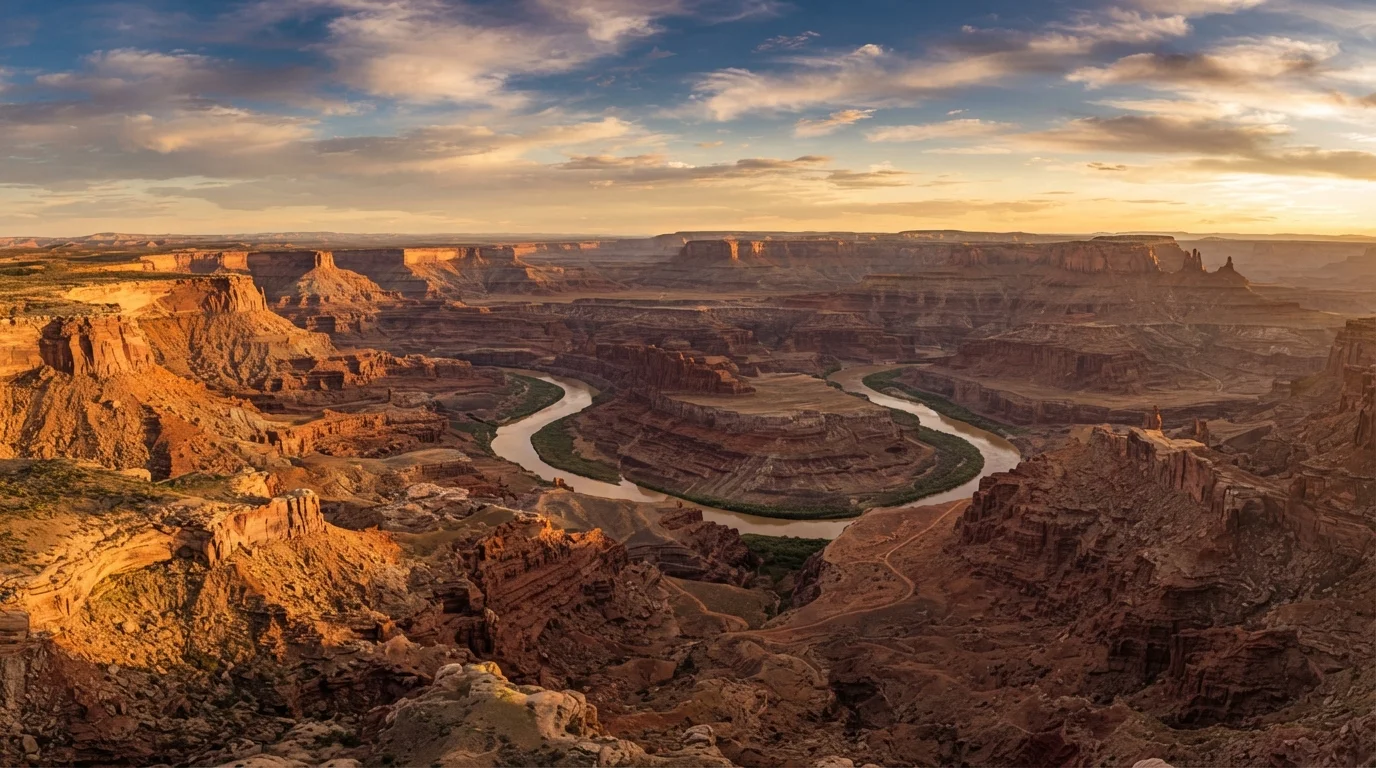
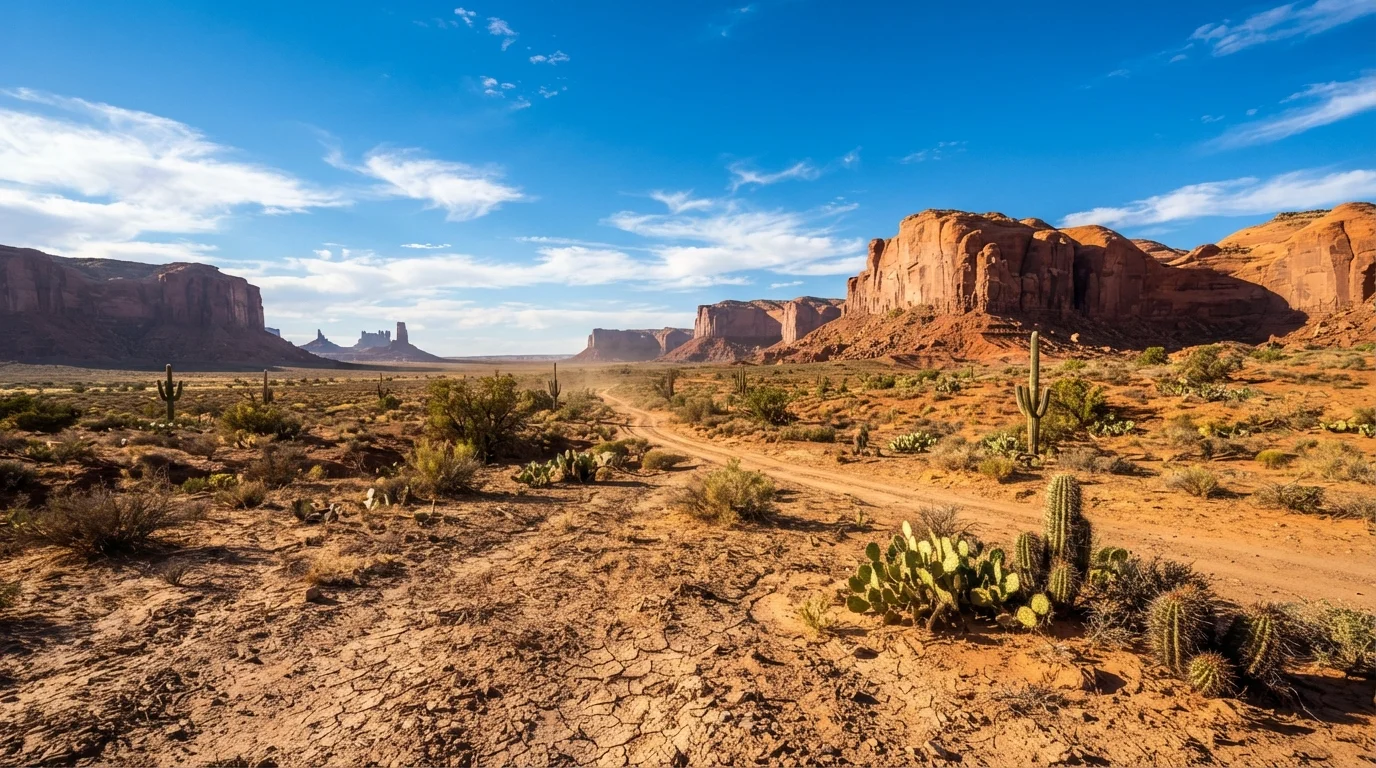
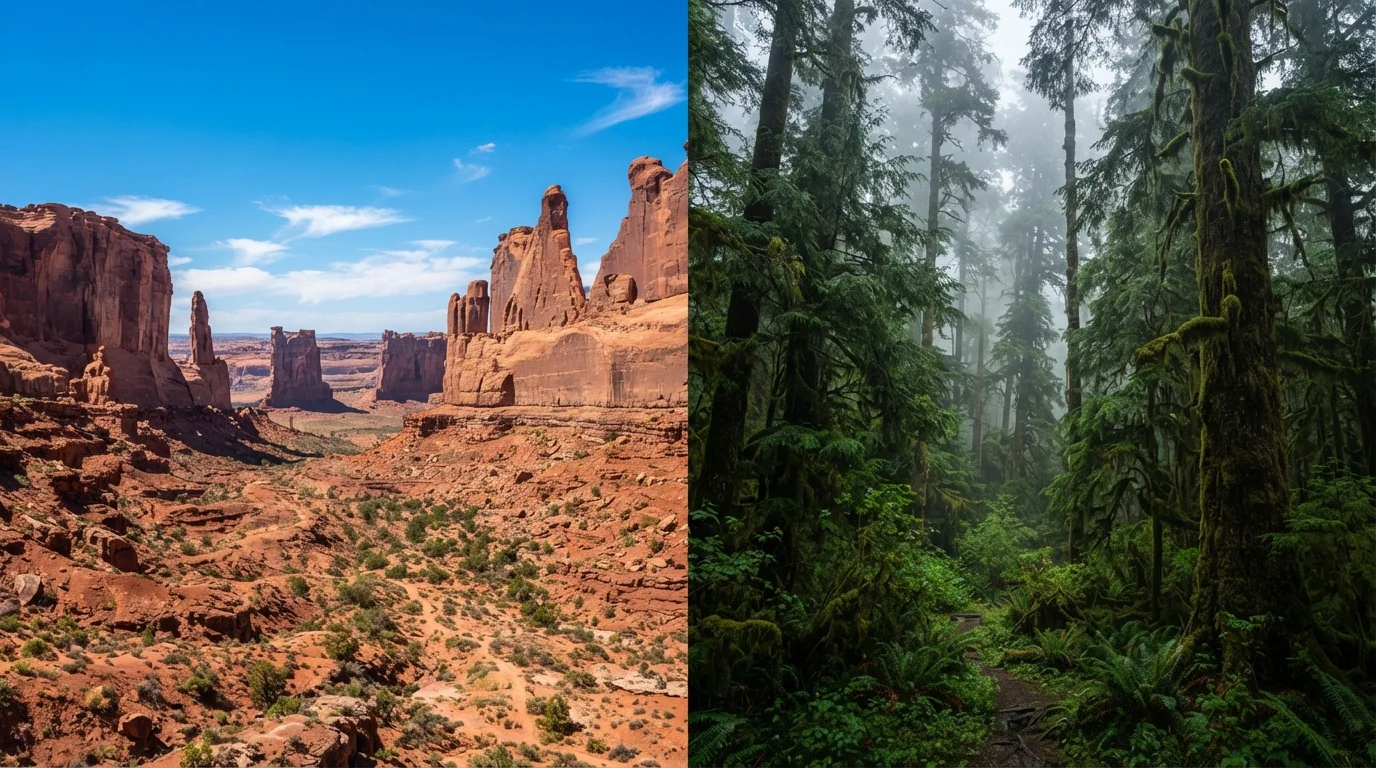
The American Southwest and Pacific Northwest might as well be different planets. The Southwest — anchored by Utah, Arizona, Nevada, and New Mexico — is a world of exposed geology: the Grand Canyon, Monument Valley, Zion's narrow slot canyons, and Arches National Park's improbable sandstone arches. Colors shift from deep crimson to burnt orange to pale gold depending on the time of day and the iron content of the rock. It's stark, otherworldly, and undeniably thrilling.
The Pacific Northwest — spanning Oregon, Washington, and the northern coast — swaps bare rock for layers of green. Old-growth Douglas firs tower over fern-carpeted forest floors in places like Olympic National Park. Mount Rainier and Mount Hood loom over the landscape as snow-capped volcanic icons. The Oregon Coast delivers wave-battered headlands and sea stacks unlike anything in the continental interior. Both regions are geologically young and dramatic — just in completely opposite ways.
See our guide to national park types for a closer look at how wilderness preserves, recreation areas, and historic sites differ across both regions.
| Criterion | American Southwest | Pacific Northwest |
|---|---|---|
| Dominant landscape | Desert canyons, mesas, red rock | Old-growth forests, volcanoes, coast |
| Best travel season | Spring and fall | Summer (June–September) |
| Summer temperatures | Often 100°F+ at lower elevations | Mild, typically 65–80°F |
| Annual rainfall (typical) | Under 15 inches in most areas | 30–150 inches depending on location |
| Iconic national parks | Grand Canyon, Zion, Arches, Bryce | Olympic, Crater Lake, Mt. Rainier |
| Primary activity style | Desert hiking, road trips, stargazing | Forest hiking, coastal exploration, kayaking |
| Urban gateway cities | Phoenix, Las Vegas, Santa Fe | Portland, Seattle |
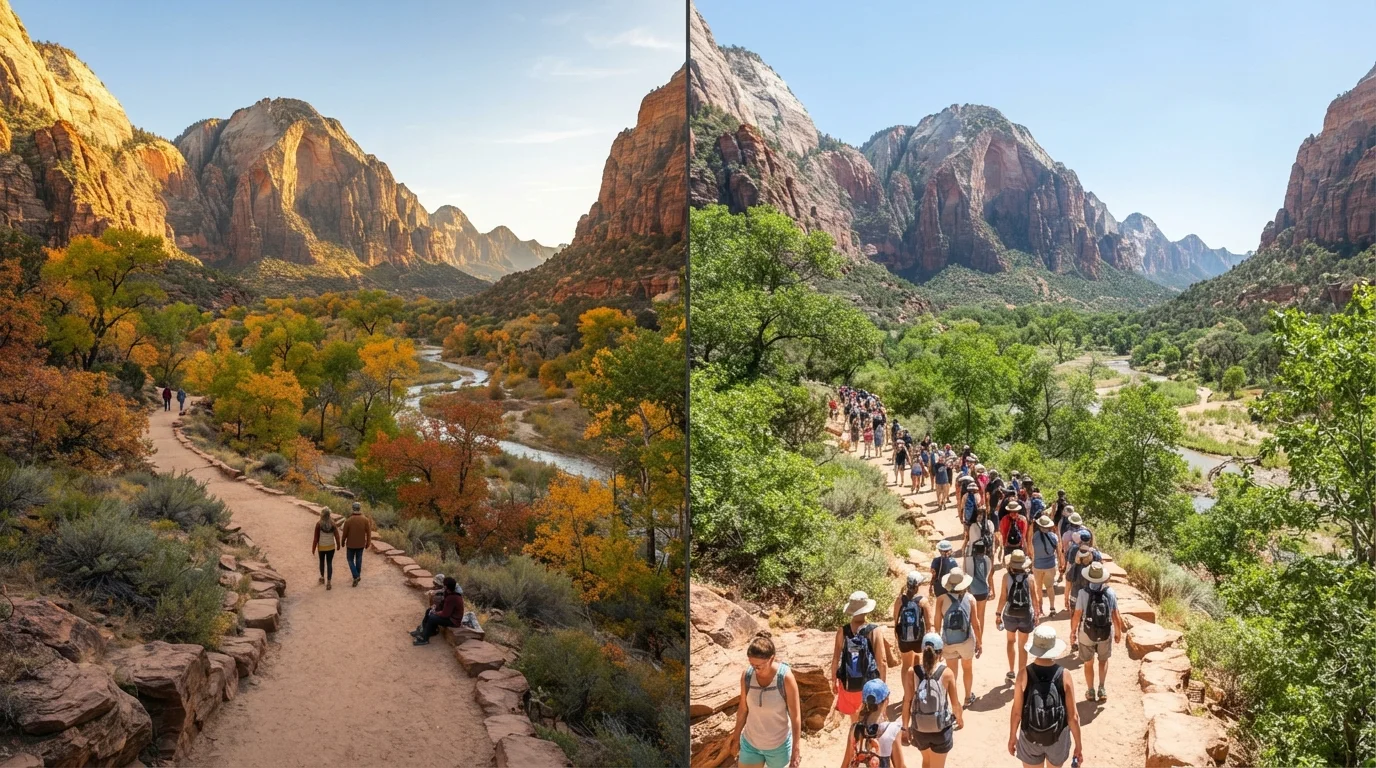
| Crowd density (peak season) | Very high at major parks spring/fall | High at major parks in summer |
Climate and Timing: When and How to Visit Each Region
Timing is everything in both regions — but for opposite reasons. The Southwest bakes under triple-digit temperatures from June through August, making mid-summer visits to lower-elevation parks genuinely risky. Spring (March–May) and fall (September–October) are the sweet spots: comfortable temperatures, blooming desert wildflowers in spring, and golden canyon light in fall. Winter brings snow to higher elevations like Bryce Canyon, which creates a striking and far less-crowded experience.
The Pacific Northwest flips the calendar. Winters are long, grey, and rainy west of the Cascades — beautiful in their own moody way, but not ideal for most outdoor travelers. Summer (June–September) is when the region truly opens up: waterfalls are full, trail conditions are reliable, and the infamous PNW drizzle takes a vacation. Shoulder season timing can vary significantly even within each region, so checking conditions at specific parks before finalizing dates is always worth doing.
277 miles
Length of the Grand Canyon
The Grand Canyon stretches 277 river miles and reaches depths of over a mile, making it one of the largest canyon systems on Earth.
140+
Inches of annual rainfall at Hoh Rain Forest
Olympic National Park's Hoh Rain Forest receives up to 140 inches of rain per year, qualifying it as one of the few temperate rainforests in North America.
5
National parks in Utah alone
Utah's 'Mighty Five' — Zion, Bryce Canyon, Arches, Canyonlands, and Capitol Reef — are all within roughly 300 miles of each other, making the state a road-trip powerhouse.
Activities and Physical Demands: What Each Region Asks of You
The Southwest rewards hikers who can handle sun exposure, limited shade, and often significant elevation changes. Trails at Zion (Angels Landing), Canyonlands, and the Grand Canyon's inner gorge require real preparation — especially regarding water. Before heading into desert terrain, review what to expect: heat, hydration, and terrain realities are non-negotiable considerations. Stargazing is an underrated highlight — dark sky designations across Utah and Arizona make nighttime skies extraordinary.
The Pacific Northwest leans toward lush, forested trails with dramatic waterfall payoffs — think Multnomah Falls in the Columbia River Gorge or the Hoh Rain Forest's moss-laden trails. Volcanic landscapes at Crater Lake or Mount St. Helens add geological drama without requiring the same heat management. Sea kayaking, tidepooling, and coastal hiking round out the PNW's activity menu considerably. Neither region is physically easy, but the PNW tends to be more forgiving on temperature.
For a broader sense of how destination type shapes the kind of trip you'll have, our urban vs. rural travel comparison covers the key planning trade-offs.
Food, Culture, and City Gateways
Gateway cities shape each experience meaningfully. The Southwest's urban anchors — Phoenix, Las Vegas, Albuquerque, and Santa Fe — each offer distinct cultural flavors. New Mexico's green chile cuisine, Navajo-influenced art markets, and Spanish colonial architecture give the region a layered cultural identity that complements its natural drama. Our regional cuisine map covers the distinct food traditions of the Southwest and beyond.
The Pacific Northwest's cities — Portland and Seattle especially — bring a vibrant food and craft culture that feels intertwined with the natural landscape. Salmon, Dungeness crab, and farm-to-table Pacific Rim influences dominate menus. Both cities are also genuine nature hubs: you can have a world-class dinner and be deep in old-growth forest within an hour. For city-focused travel comparisons, see how two urban giants stack up in our NYC vs. Chicago breakdown.
Verify Conditions Before You Go
Both regions experience dynamic, sometimes unpredictable conditions — from flash flood warnings in desert slot canyons to wildfire smoke affecting PNW trails in late summer. Always check the National Park Service website and local ranger station advisories before finalizing your itinerary. Entry reservation systems at popular parks can also change seasonally, so confirming permit requirements in advance is strongly recommended.