

Why Social Bonds Act as a Buffer Against Stress
Human beings are wired for connection. Decades of research in psychology and neuroscience confirm that meaningful relationships don't simply make life more enjoyable — they actively protect mental and emotional health in measurable ways. When people feel socially supported, the brain registers the environment as less threatening, and the body's physiological stress response is dampened as a result.
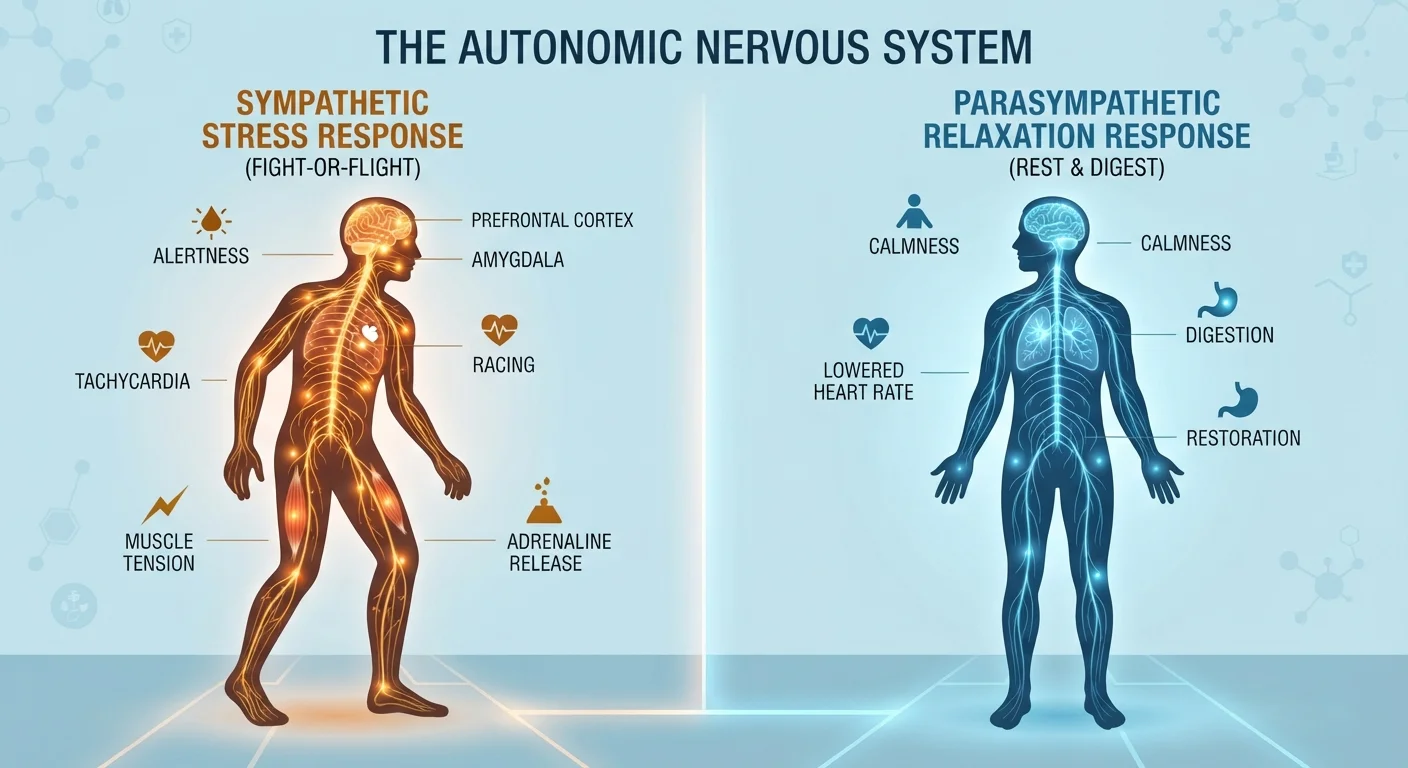
To understand why, it helps to know what stress actually does. When we perceive a threat — whether it's a work deadline or a painful loss — the brain activates the hypothalamic-pituitary-adrenal (HPA) axis, releasing cortisol and adrenaline into the bloodstream. See our full breakdown of what stress does to the body and brain for a closer look at this cascade. Social connection appears to regulate this system: studies consistently show lower cortisol levels in people who feel strongly supported by others.
This isn't just about having someone to vent to. The effect operates on a biological level, influencing immune function, cardiovascular health, and even how well we sleep — all of which feed back into emotional resilience. Sleep and emotional health are deeply intertwined, and social isolation tends to disrupt both.
“Social relationships are as important to our health as diet and exercise. Ignoring our need for connection is at our peril.”
— Julianne Holt-Lunstad, Professor of Psychology and Neuroscience, Brigham Young University
Quality Over Quantity: What the Research Actually Shows
A common misconception is that more social contact equals better mental health. The evidence is more nuanced. It is the quality of relationships — whether they feel safe, reciprocal, and genuine — that predicts resilience outcomes most reliably. A person with two or three deeply trusted confidants is often more emotionally protected than someone with a large but superficial network.
50%
Greater survival odds with strong social relationships
A widely cited meta-analysis of 148 studies found that people with adequate social relationships had a 50% greater likelihood of survival over a given period compared to those with poor or insufficient social connections.
26%
Increased mortality risk from loneliness
Research published in peer-reviewed public health literature estimates that chronic loneliness is associated with an approximately 26% increase in premature mortality risk, comparable to several well-established physical health risk factors.
3x
Higher depression risk for socially isolated adults
Studies in adult populations have found that people reporting high levels of social isolation are roughly three times more likely to experience symptoms of depression than those with adequate social support.
This distinction matters practically. It means that fostering a handful of authentic connections is a more worthwhile investment than maximising social activity for its own sake. It also means that difficult relationships — those characterized by chronic conflict, unreliability, or emotional harm — may do more harm than good and shouldn't be counted as support simply because they're present.
These patterns don't stay fixed. Our social needs and relationship structures shift across the lifespan, from the peer-heavy bonds of early adulthood to the often more selective networks of midlife and beyond. Our article on how emotional wellness evolves with age explores these shifts in depth.
Everyday Connection: Small Moments That Add Up
Emotional resilience isn't built only through deep relationships. Brief, genuine social exchanges — a real conversation with a neighbor, checking in on a colleague, a shared laugh with a cashier — also contribute to a sense of belonging and social integration. Researchers sometimes call these "weak ties," and studies suggest they play a meaningful role in day-to-day mood and wellbeing.
This is encouraging news for anyone who finds it hard to maintain frequent deep contact. You don't need to overhaul your social life to benefit. Consistent, low-effort engagement across your existing environment — being present in small interactions rather than distracted — is both achievable and worthwhile.
Other daily habits also interact with this. Small, consistent behaviors like sleep routines, light exposure, and movement all support the same emotional regulation systems that social connection strengthens. These approaches compound when practiced together, as part of an overall approach to mental wellness — explored more fully in our complete mental wellness overview.
Start Small to Build Connection
If your social network feels thin, you don't need to make dramatic changes immediately. Start by deepening one existing relationship — reach out more consistently and with more genuine attention. Research suggests that effort and reliability, not grand gestures, are what build the trust that makes relationships genuinely protective.
For practical guidance on navigating the relationships that form the backbone of your social world, the Relationships & Family hub offers a range of resources covering family dynamics and personal connection.
This article is for informational purposes only and does not constitute medical or mental health advice. If you are experiencing persistent loneliness, depression, or anxiety, please consult a qualified healthcare professional.