
Why Car Repairs Hit So Hard Financially
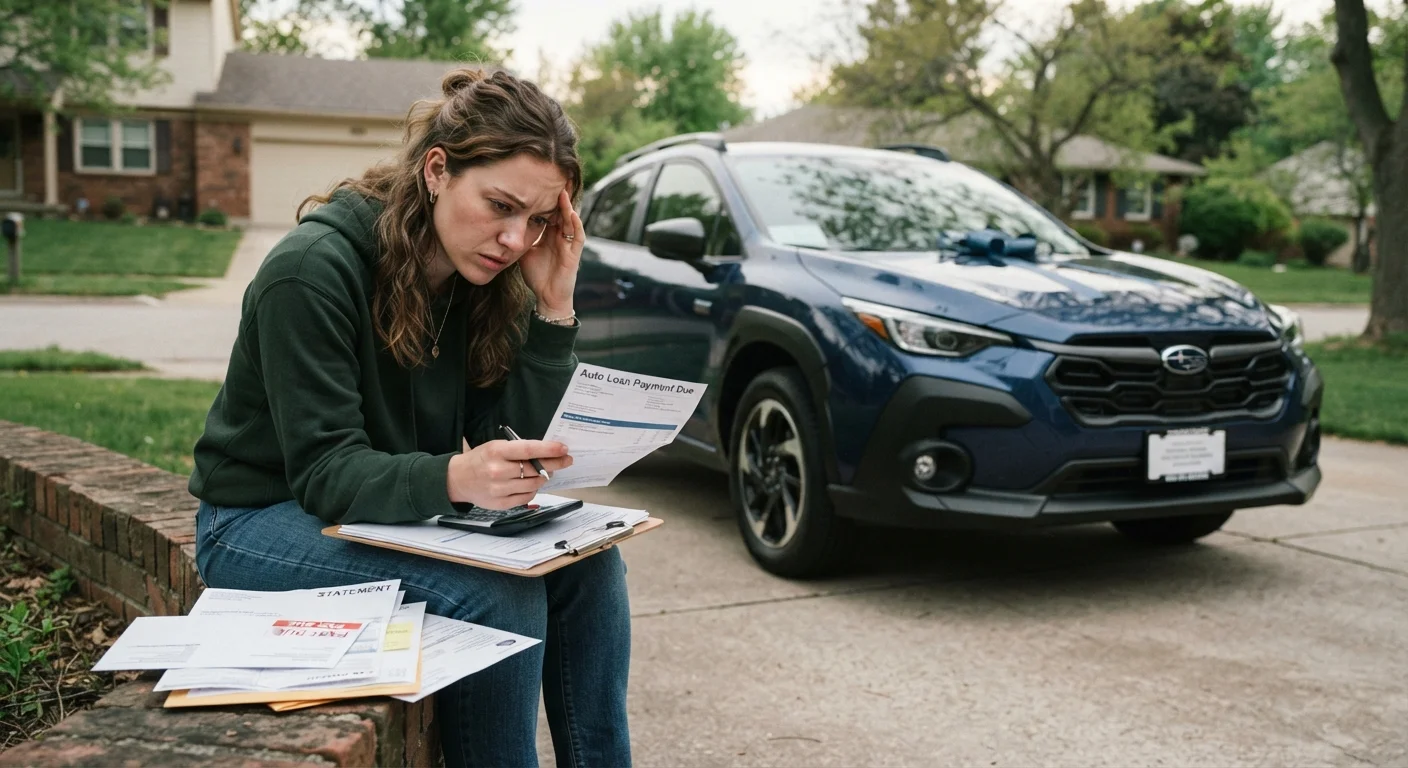
Vehicle breakdowns have a way of arriving at the worst possible moment — and the bill rarely comes with advance notice. According to data from the American Automobile Association, the average unexpected car repair costs between $500 and $600, and a significant share of American drivers report they would struggle to cover even that amount from savings alone.
The problem isn't just the dollar amount. It's that car repairs are often urgent. A failing water pump or worn brake pads can't always wait two weeks for payday. Without liquid savings available, drivers frequently turn to high-interest credit cards or personal loans — compounding a mechanical problem with a financial one.
$500–$600
Average cost of an unexpected car repair
According to the American Automobile Association, this range covers a large share of single-visit unplanned repair visits.
1 in 3
Americans who can't cover a $400 emergency
Federal Reserve survey data has consistently found that a substantial share of U.S. adults lack liquid savings for modest unexpected expenses.
35%+
Typical APR on some credit cards used for repairs
Carrying a repair charge on a high-interest card can significantly increase the true cost of any mechanical fix paid over time.
Understanding routine vehicle maintenance can reduce the frequency of surprise breakdowns, but it doesn't eliminate them entirely. Mechanical failures are an unavoidable part of ownership, and financial preparation is the most reliable defense.
What Changes When You Have the Money Ready
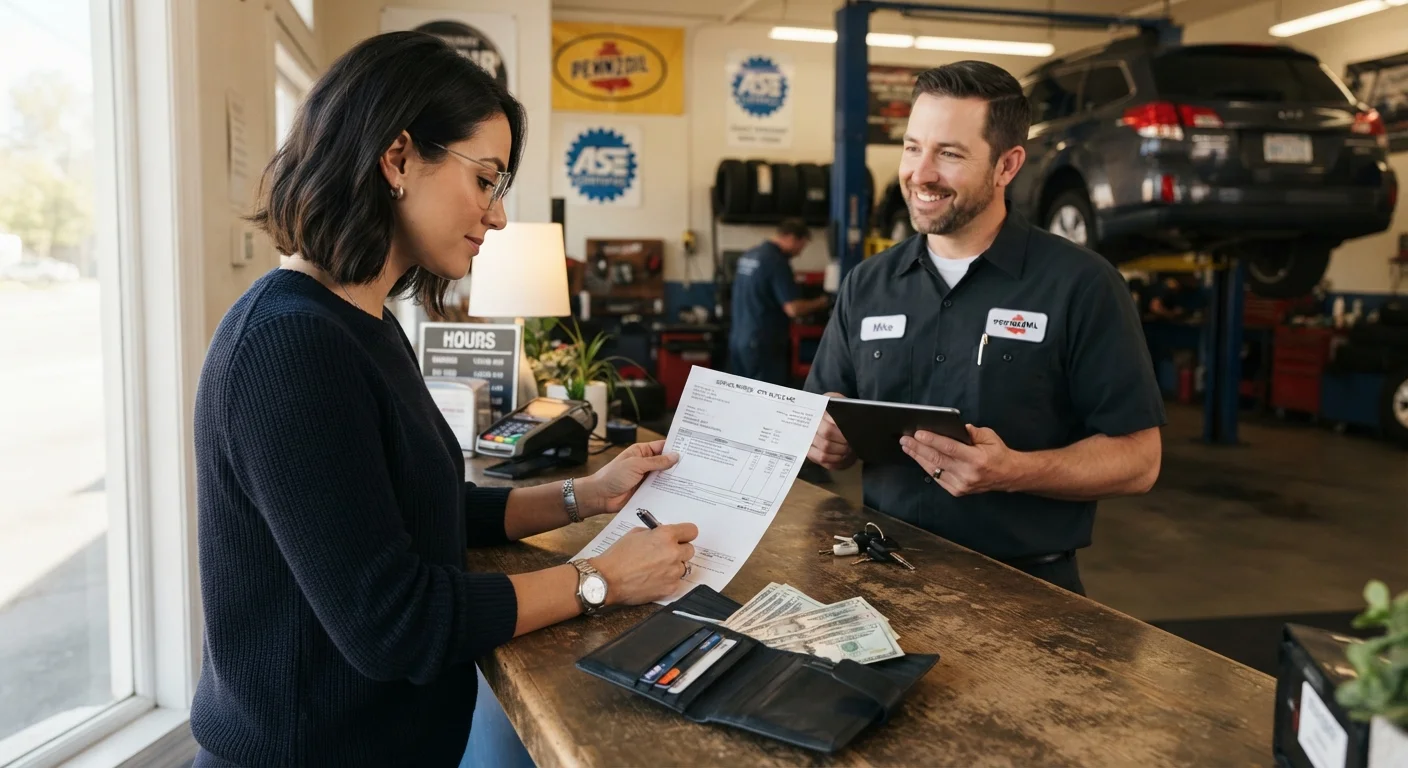
An emergency fund doesn't just change how you pay for a repair — it changes how you respond to the diagnosis. When a mechanic tells you your struts need replacing or your transmission fluid is contaminated, your next decision is shaped almost entirely by whether you have money available.
Without savings, the temptation is to delay or deny. Drivers may ask a shop to perform only part of the recommended work, or skip it altogether and hope the problem doesn't worsen. That delay often makes it worse — and more expensive. With a cash cushion in place, you can authorize the full repair promptly, protecting both your vehicle's longevity and your safety on the road.
Repair Promptly to Avoid Compounding Costs
Mechanical problems rarely stay contained. A worn belt left in place can snap and damage nearby components; low coolant ignored long enough can warp a cylinder head. Addressing repairs when first diagnosed — rather than when finances allow — almost always costs less in total. Staying current on scheduled maintenance also reduces the likelihood of cascading failures.
This shift in decision-making is one of the most underappreciated benefits of financial preparedness. It moves you from reactive mode — scrambling for funds — to informed mode, where you can evaluate the repair on its merits rather than its immediate cost. See how new car owners often underestimate running costs before they've built this kind of cushion.
Building and Maintaining a Vehicle Emergency Fund
Starting a vehicle emergency fund doesn't require a large lump sum — it requires consistency. Setting aside even $50 to $100 per month in a dedicated savings account builds a meaningful buffer within a year. Keep this account separate from your day-to-day checking to reduce the likelihood of spending it on non-emergencies.
It's worth understanding the distinction between a vehicle emergency fund and a vehicle sinking fund. A sinking fund is designed for costs you can anticipate — scheduled tire replacements, a known upcoming inspection, or a timing belt service you know is due. Sinking funds work differently from emergency savings, and many drivers benefit from maintaining both simultaneously.
For broader context on what emergency savings are designed to protect against — and where they hand off to other financial tools — see what an emergency fund actually covers.
This article is for general informational purposes only and does not constitute personalized financial advice. Consult a qualified financial professional for guidance specific to your situation.