
Why Pre-Checkout Verification Matters
Online shopping is remarkably convenient — but that convenience can make it easy to click "Place Order" before you've truly evaluated what you're agreeing to. Misleading product descriptions, hidden fees, unclear return windows, and outright fraudulent sellers are real hazards that cost American consumers billions of dollars each year, according to Federal Trade Commission consumer reports.
This checklist is designed to slow you down — in the best possible way. Running through these items before you confirm any online order helps you catch problems before your money leaves your account, when your options for resolution are still wide open. Whether you're buying a $15 phone case or a $1,500 appliance, the verification habits are the same. For high-dollar decisions, also consider pairing this with the broader guidance in our end-to-end guide to big purchases.
Seller Credibility
Product Accuracy
Total Landed Cost
Return and Refund Terms
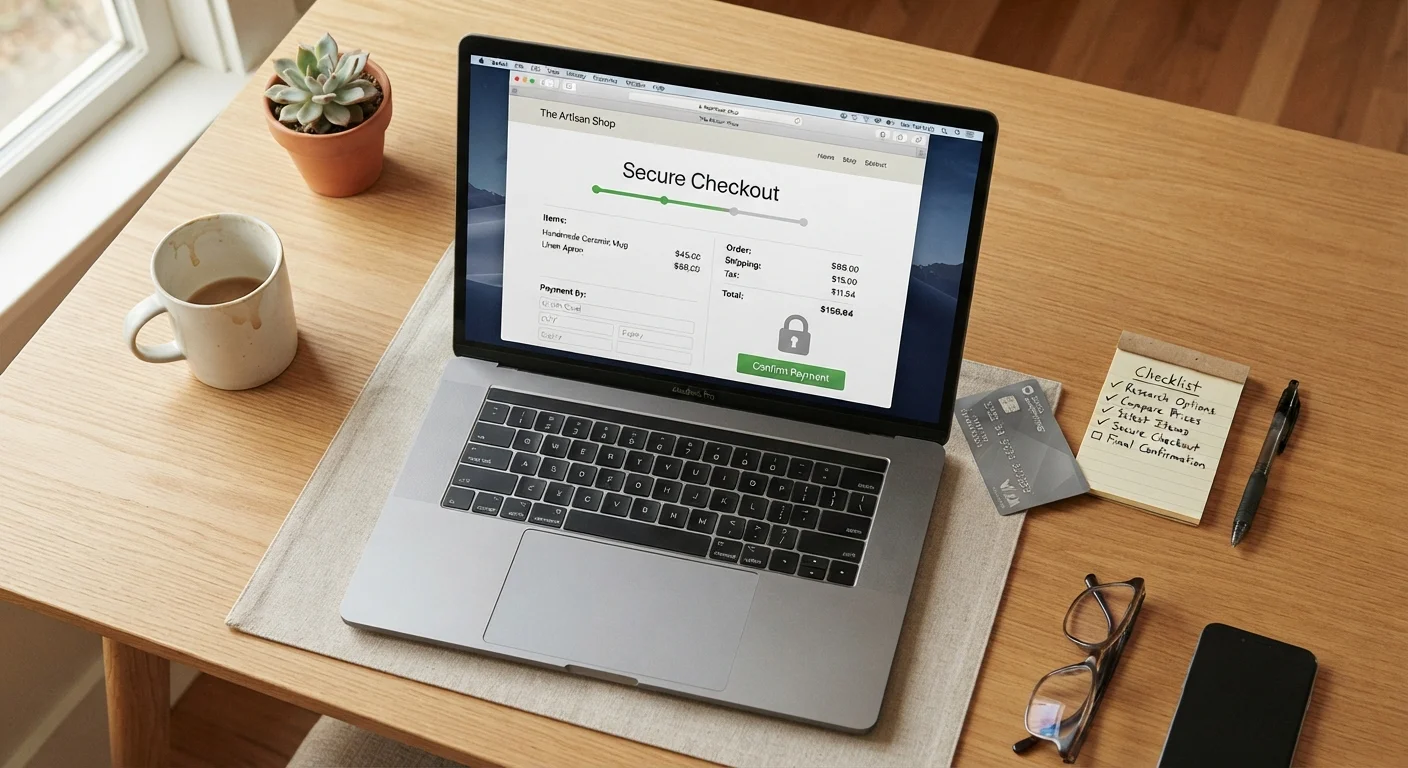
Payment Security
Tools That Help You Verify Before You Buy
You don't need special software to run through this checklist — but a few freely available tools make verification faster and more reliable. Use these alongside the checklist items above.
Your Browser's Address Bar
Visually confirm HTTPS encryption and the exact domain name — both critical for catching spoofed or insecure sites.
WHOIS Domain Lookup (e.g., ICANN Lookup)
Check how long a website has been registered; newly created domains selling goods at steep discounts are a common fraud signal.
Federal Trade Commission Consumer Reporting Tool (ReportFraud.ftc.gov)
Search for complaints against a seller and report fraud if you encounter it — a public resource maintained by the U.S. government.
Your Credit Card's Virtual Card Feature
Generate a single-use or merchant-locked card number to limit exposure when shopping at unfamiliar retailers.
Screenshot or PDF Save Tool
Capture your order confirmation page immediately after purchase to preserve a record for potential disputes or returns.
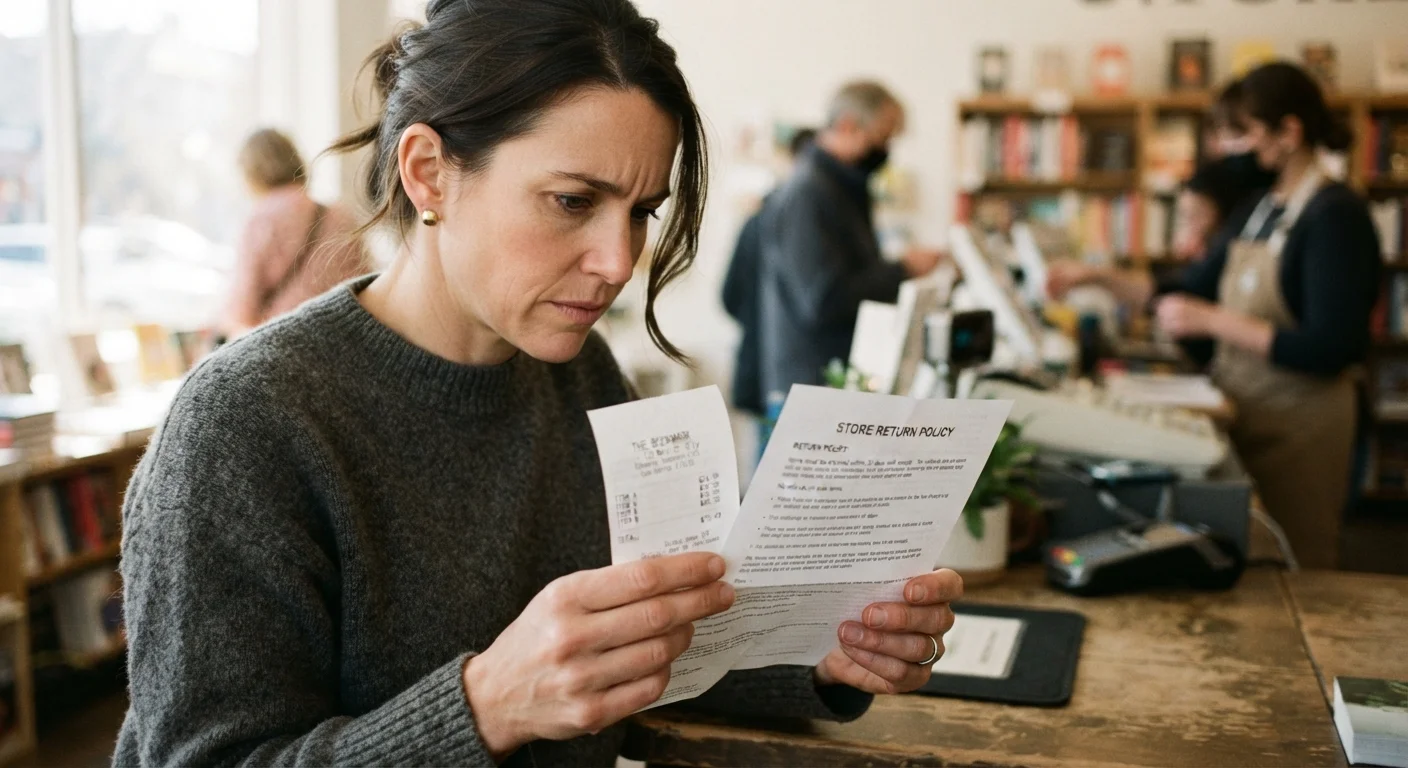
Return policies deserve particular attention. The language around restocking fees, "final sale" designations, and return windows can be buried in fine print. Our companion guide on reading a return policy before it's too late walks through exactly what to look for.
Gift Cards and Wire Transfers Are Not Buyer-Protected
If a seller specifically requests payment by gift card, wire transfer, cryptocurrency, or peer-to-peer apps like Zelle, treat it as a serious red flag. These payment methods offer little to no recourse if the transaction turns out to be fraudulent. Legitimate retailers do not require these payment forms for standard consumer purchases.
"Too Good to Be True" Pricing Is a Scam Indicator
Prices dramatically below market value — particularly for electronics, luxury goods, or high-demand items — are frequently associated with counterfeit products, bait-and-switch schemes, or outright non-delivery. If the discount seems implausible, verify the seller through multiple independent channels before proceeding.
Developing a habit of pre-checkout verification is a form of basic financial self-protection — similar to checking your credit health before applying for new credit. If you're also managing financial decisions, see our pre-application credit self-check for a parallel approach.
Dispute Windows Are Time-Limited
Credit card chargebacks and platform buyer-protection claims typically have strict deadlines — often 60 to 120 days from the transaction date, depending on your card issuer and the platform. If an order is delayed, misrepresented, or never arrives, initiate a dispute as soon as you've made a reasonable, documented effort to resolve it with the seller. Waiting too long can forfeit your right to a refund.