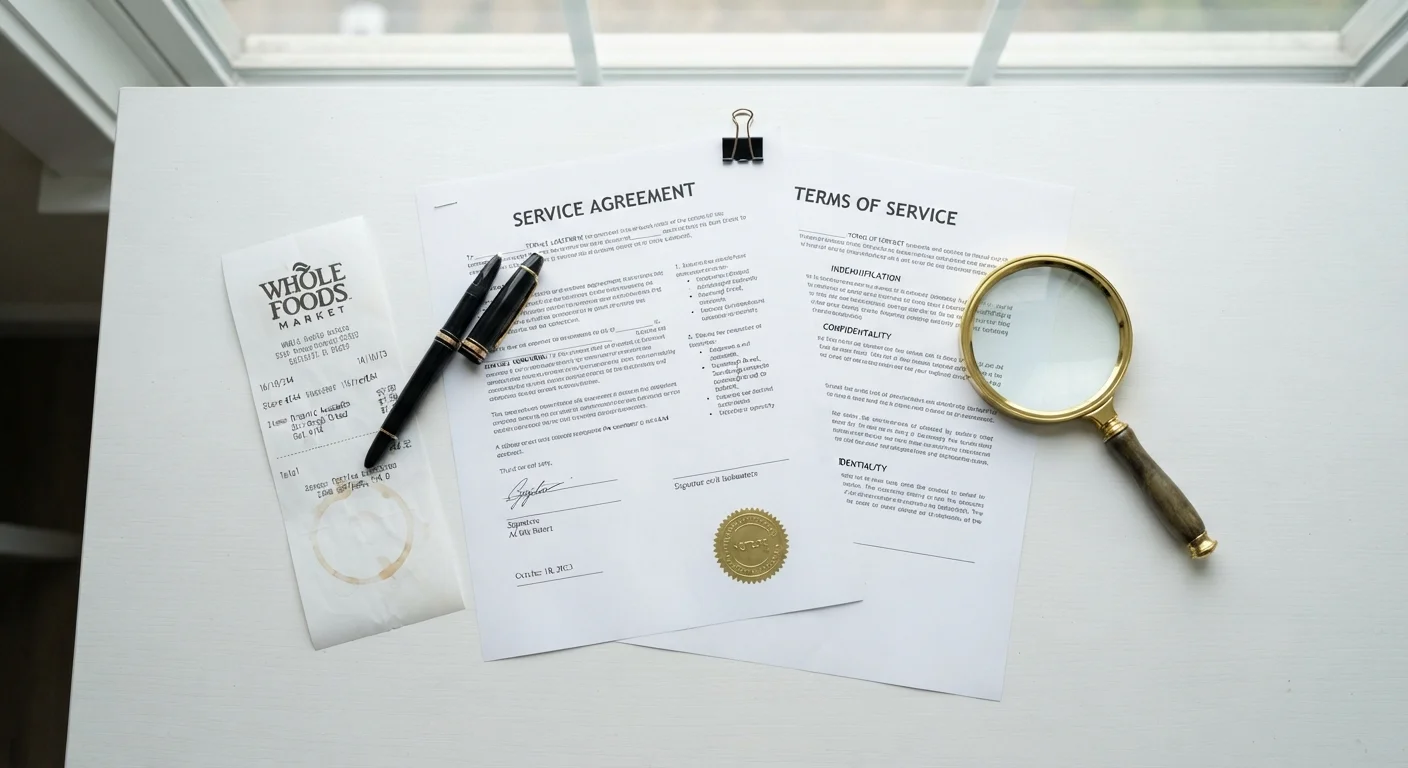


Why Return Policies Deserve Your Attention Before Checkout
Most shoppers think about return policies only when something goes wrong. By then, the window may have already closed, the packaging long discarded, and the receipt lost in a junk drawer. Reading the policy before you hand over payment turns a frustrating scramble into a simple, confident transaction.
Return policies are legally binding agreements between you and the retailer. Unlike implied expectations — "surely they'll take it back" — written policies define exactly what the store is and isn't obligated to do. The terms vary dramatically across retailers, product categories, and even sales channels. An item bought in-store at a national chain may have a 30-day window; the same item from the chain's website may have only 15. Seasonal purchases, electronics, and items marked clearance often carry their own sub-policies buried in the fine print.
For a broader look at terms you'll encounter across receipts and contracts, see the Consumer's Glossary of shopping terms. If you're working through a larger purchase decision from start to finish, the guide to navigating a big purchase covers return policy review as part of a complete pre-sale checklist.
Policies Can Change — Get It in Writing
Retailers can update return policies at any time, and the terms that apply to your purchase are generally those in effect at the time of sale. If a policy is unusually generous or a sales associate makes a verbal promise, ask for written confirmation before you complete the purchase. A screenshot of the policy page with the date visible is a reliable backup.
What to Look For: The Seven Key Policy Elements
Not every policy is written to be reader-friendly. Here's what to actively seek out — and what each term actually means for you.
What you will need
- Return window: The number of days you have to initiate a return, usually counted from purchase date or delivery date. Confirm which clock applies.
- Restocking fees: A percentage deducted from your refund for opened or returned merchandise, common with electronics, furniture, and specialty goods. Fees of 10–25% are not unusual.
- Condition requirements: Many retailers require items to be unused, in original packaging, and with all tags attached. "Store condition" can disqualify an item you've merely tried on indoors.
- Proof of purchase: Whether a receipt, order confirmation email, or loyalty account record is required. Without it, some retailers will only offer store credit at the current (possibly marked-down) price.
- 'Final sale' and 'as-is' designations: These phrases signal that no return, exchange, or refund is available — not even for defects in most cases. Treat them as absolute.
- Exchange vs. refund vs. store credit: A policy that says "returns accepted" may only mean store credit, not a refund to your original payment method.
- Online vs. in-store rules: Many retailers maintain separate policies for each channel. Confirm whether an online purchase can be returned in-store and vice versa.
For online purchases specifically, the pre-checkout verification checklist walks you through confirming return terms alongside seller credibility and total cost.
Secondhand and Marketplace Purchases Are Riskier
Items purchased through third-party marketplace sellers — even on major retail platforms — are subject to the individual seller's return policy, which may offer little or no protection. The platform's general policy may not apply. For secondhand purchases across resale apps or thrift channels, the guide to buying secondhand outlines what protections each channel typically offers.
Step-by-Step: How to Read a Return Policy Effectively
Follow these steps before finalizing any significant purchase — in-store or online.
Locate the return policy before the transaction is complete
For in-store purchases, ask a sales associate where the policy is posted, or check signage near the register. For online purchases, look for a "Returns" or "Return Policy" link in the website footer before you click "Place Order." Don't rely on a summary shown during checkout — find the full policy page.
Identify the return window and start date
Find the specific number of days allowed and note whether the clock starts at purchase, shipment, or delivery. Mark the deadline in your calendar immediately — especially for gifts purchased well before a holiday or event.
Check for category-specific exceptions
Scan for a section listing product categories with different rules — electronics, swimwear, mattresses, software, and perishables frequently have shorter windows or outright exclusions. If your item falls into a special category, note the specific terms that apply to it, not the general policy headline.
Note any fees, condition requirements, and proof of purchase rules
Write down any restocking fees and the condition your item must be in to qualify. Confirm what documentation you'll need: original receipt, order number, or loyalty account. If tags must be attached or original packaging required, preserve both from the moment you take the item home.
Clarify what form the refund takes
Confirm whether you'll receive a refund to your original payment method, store credit, or only an even exchange. If the policy is ambiguous, ask a store associate before purchasing and note their name and the date — this protects you if a dispute arises later.
Save proof of purchase immediately
Email yourself a photo of your receipt the moment you get it, or forward your order confirmation to a dedicated shopping email folder. Many retailers now offer digital receipts — opt in if available. Store original packaging in a safe place until you're certain you're keeping the item.
If a dispute does arise despite your preparation, understanding your broader rights helps. The primer on consumer rights, refunds, and dispute resolution explains the federal and state-level protections available to shoppers when purchases go wrong.