

Your Baseline Rights as a Consumer
Consumer protection in the United States is built on a layered system of federal laws, state statutes, and agency regulations. At the federal level, the Federal Trade Commission (FTC) prohibits unfair or deceptive business practices, while the Consumer Financial Protection Bureau (CFPB) oversees financial products and services. The Consumer Product Safety Commission (CPSC) monitors product hazards and administers recalls.
State attorneys general add another layer. Many states have their own consumer protection acts that go further than federal law — covering issues like unauthorized charges, misleading advertising, and contract terms. Before assuming you have no recourse, it's worth checking what your state specifically prohibits.
Before diving deeper, familiarize yourself with commonly misunderstood terms. The Consumer's Glossary covers key language buried in receipts and contracts, from warranty exclusions to arbitration clauses.
Implied warranty
An unwritten, automatic guarantee that a product will work as expected for its normal purpose — exists under state law even when no written warranty is provided.
Chargeback
A reversal of a credit or debit card charge initiated by your bank when a transaction is disputed — used for unauthorized charges, non-delivery, or misrepresented goods.
Recall
A formal notice from a company or government agency that a product may be unsafe, paired with instructions for returning, repairing, or replacing the item.
Arbitration clause
A contract term requiring disputes to be settled by a private arbitrator rather than through the court system — often waives your right to a class-action lawsuit.
Cooling-off rule
A federal regulation giving consumers three business days to cancel certain sales made outside a seller's permanent place of business, such as door-to-door sales.
Class action
A lawsuit in which a large group of people with similar claims sues a defendant together — allows individuals to pursue cases where individual damages alone would be too small to litigate.
Refunds: What Stores Must (and Don't Have to) Do
Many shoppers assume they are always entitled to a refund. In practice, retailers in most states are not legally required to accept returns unless the item is defective or was misrepresented. What the law does require is clear disclosure of return policies — typically at the point of sale or on the receipt.
That said, you have stronger rights in specific situations:
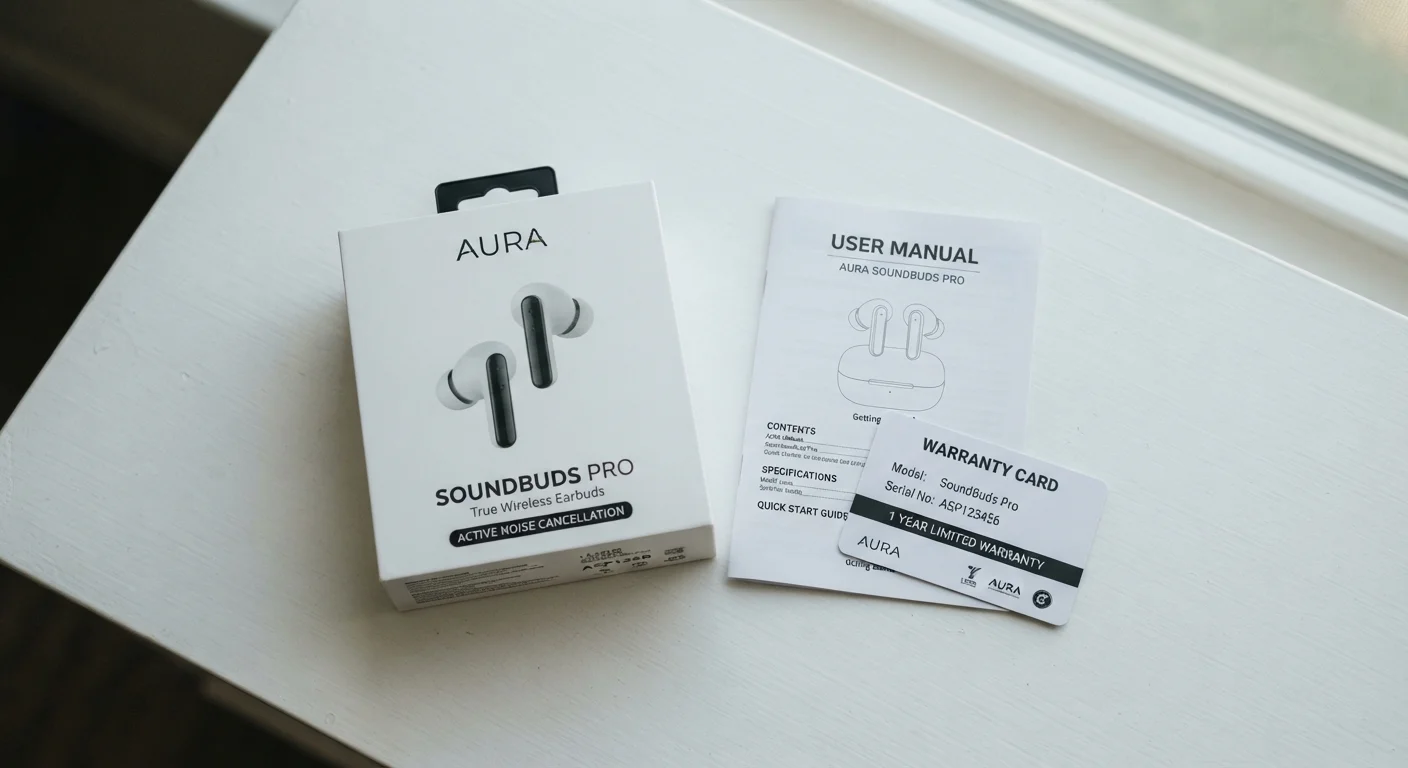
- Defective items: Implied warranty law (which applies in nearly every state) means a product must be fit for its ordinary purpose. If it isn't, you generally have recourse even without a written warranty. See what manufacturers' warranties actually protect for a fuller picture.
- FTC cooling-off rule: For sales made at your home, workplace, or certain temporary locations (not a retailer's permanent place of business), you typically have three business days to cancel and receive a full refund.
- Online and phone purchases: Federal rules require that goods ordered remotely be shipped within the promised timeframe or, if no timeframe is given, within 30 days. If a seller can't meet that window, you have the right to cancel.
Document Everything From the Start
Keep digital copies of receipts, order confirmations, and product photos before any problem arises. If a dispute develops, having a clear paper trail — including dates, names, and the content of any conversations — significantly strengthens your position when dealing with merchants, card issuers, or agencies.
Product Recalls: How They Work and What to Do
When a product poses a safety risk, companies and regulators can issue a recall — a formal notice asking consumers to stop using the item and seek a remedy. Recalls are coordinated through the relevant agency: the CPSC for household and consumer goods, the NHTSA for vehicles, and the FDA for food, drugs, and medical devices.
A recall doesn't automatically mean you'll be compensated, but most include one of three remedies: a free repair, a replacement product, or a refund. The specific remedy depends on the recall terms, which are posted on the issuing agency's website.
Steps to take if you think you own a recalled item:
- Visit recalls.gov and search the product name or brand.
- Follow the instructions listed — do not continue using the item if a safety risk is noted.
- Contact the manufacturer using the recall notice's contact information to arrange your remedy.
- Keep records of any communications and the outcome.
Register Your Products After Purchase
Many manufacturers allow you to register products online at the time of purchase. Registration gives the company a way to reach you directly in the event of a recall — without requiring you to monitor recall databases yourself. It takes only a few minutes and can be especially valuable for appliances, children's products, and electronics.
Disputing a Charge or Filing a Complaint
When a transaction goes wrong, you have several escalating options. Start with the merchant — most issues are resolved at this stage, especially if you have documentation like a receipt, order confirmation, or photos of a damaged item.
If the merchant won't cooperate, a credit card chargeback is often your most effective tool. Under the Fair Credit Billing Act (FCBA), you can dispute billing errors and charges for goods that were not delivered or were significantly different from what was advertised. File the dispute with your card issuer promptly — time limits apply.
For broader patterns of deception or fraud, file a complaint with the FTC at ReportFraud.ftc.gov or your state attorney general's office. For financial products, the CFPB accepts complaints at consumerfinance.gov. These agencies use complaint data to identify systemic problems and take enforcement action, even if they don't mediate individual cases. If credit-related issues are a concern, understanding your credit report can also reveal unauthorized activity worth disputing.
When to Escalate: Small Claims, Arbitration, and Beyond
If direct resolution and agency complaints don't get results, two formal paths remain: small claims court and arbitration. Understanding the difference matters before you sign anything.
Small claims court is a relatively accessible venue for everyday disputes. You file yourself, represent yourself, and a judge decides — typically within a few months. Dollar limits vary by state but often fall between $5,000 and $10,000. It's best suited for clear-cut situations: an undelivered service, a defective repair, or a deposit that wasn't returned.
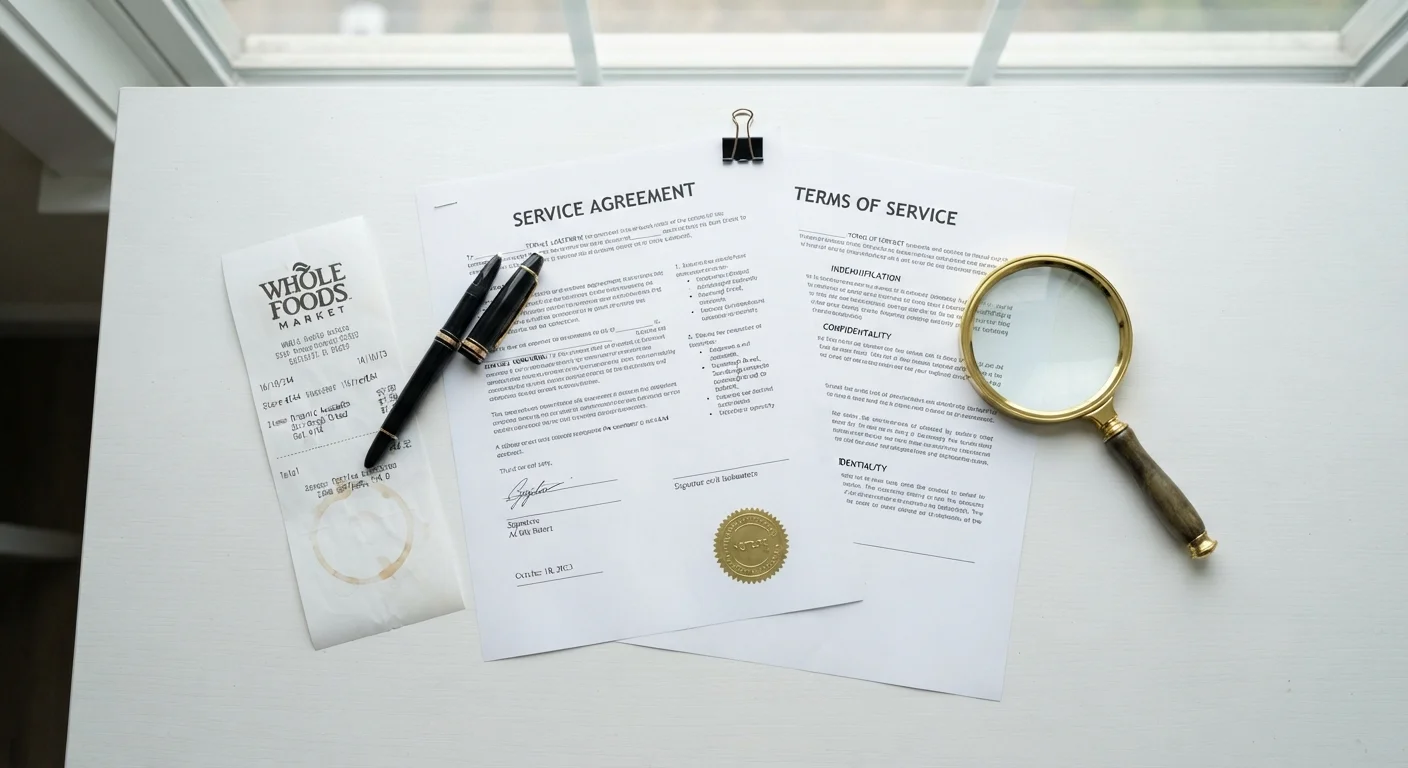
Arbitration, by contrast, is a private process — and one that many consumers unknowingly agree to when they accept terms and conditions. A mandatory arbitration clause in a purchase agreement may require you to resolve disputes through a private arbitrator rather than in court, and may also prevent you from joining a class action. Review contracts carefully before signing. For more on your rights when financial companies or debt collectors are involved, see what debt collection actually looks like.
This article provides general consumer information and education only. It is not legal advice. For guidance specific to your situation, consult a licensed attorney or contact your state's consumer protection office.
Watch for Arbitration Clauses Before You Sign
Terms and conditions for everything from streaming services to appliance purchases increasingly include mandatory arbitration clauses. Once agreed to, these clauses can limit your ability to sue in court or join a class action. Read contract terms before accepting, and if a clause concerns you, ask whether it can be opted out of — some companies allow this within a set window after purchase.