
What a Manufacturer's Warranty Actually Promises
When you buy a new appliance, car, or smartphone, you're almost always receiving some form of warranty — but the word itself covers a wide range of promises, some generous and some surprisingly narrow. Understanding what you're actually being guaranteed is one of the most practical consumer skills you can develop.
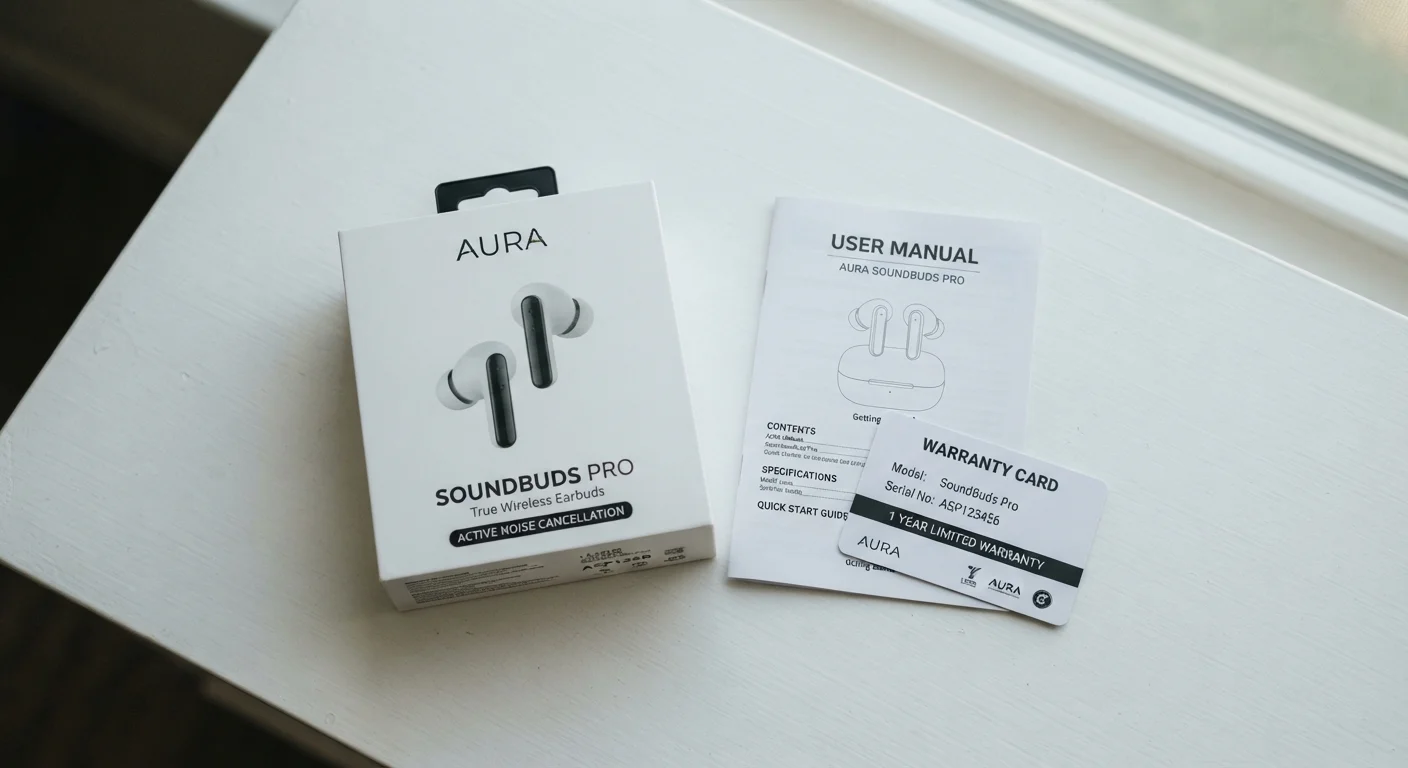
Most warranties sold with consumer products in the United States are limited warranties. They cover defects in materials or workmanship for a specific period — commonly one year for electronics, and longer for major appliances or vehicles. What they don't cover is just as important: normal wear and tear, cosmetic damage, misuse, unauthorized modifications, and damage caused by accidents are almost universally excluded.
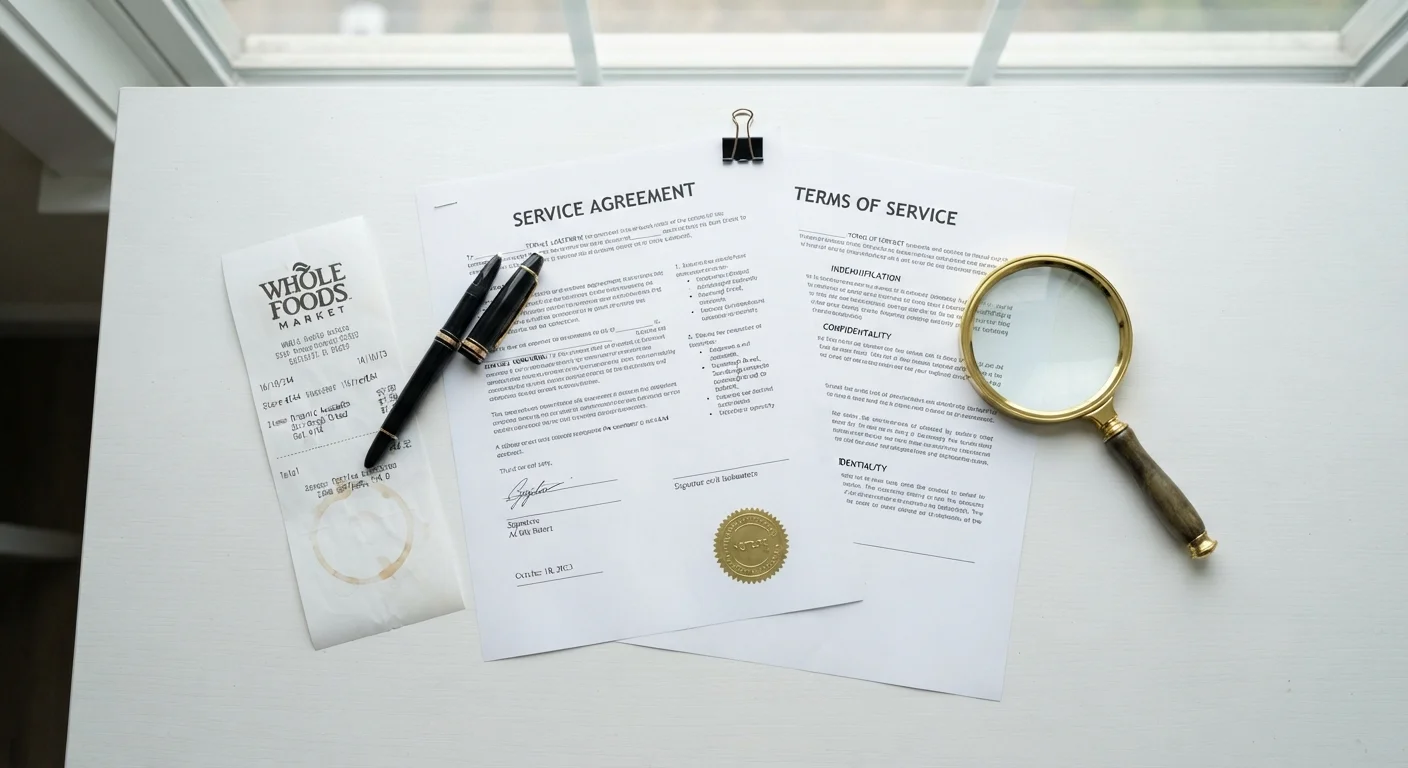
A full warranty, by contrast, must meet stricter federal standards under the Magnuson-Moss Warranty Act. It requires the manufacturer to fix or replace a defective product within a reasonable time at no cost to you, without requiring unreasonable conditions. Genuinely full warranties are relatively rare in consumer goods. See our consumer terms glossary for definitions of other fine-print language you may encounter.
~40%
Consumers who read warranty terms before buying
Consumer research consistently finds that most buyers skip warranty terms entirely at point of sale, often discovering coverage gaps only when making a claim.
1 year
Typical manufacturer warranty on electronics
One year is the most common warranty period for consumer electronics in the U.S., though some manufacturers offer longer coverage on select components.
$40B+
Annual U.S. extended warranty market value
According to industry research, the U.S. extended warranty and service contract market generates tens of billions in revenue annually, reflecting how widely these plans are sold.
Implied Warranties: The Protection You Didn't Know You Had
Even when no written warranty comes with a product, you may still have legal protection through implied warranties — coverage that exists automatically under state law. The most important is the implied warranty of merchantability, which means a product should reasonably do what it's designed to do. A blender that won't blend, for example, would likely violate this implied promise.
A second type, the implied warranty of fitness for a particular purpose, applies when a seller knows you're buying a product for a specific use and recommends it accordingly. If the product turns out to be unsuitable for that purpose, you may have a legal claim.
"As-Is" Sales and Implied Warranty Disclaimers
When a product is sold "as-is" or "with all faults," the seller is attempting to disclaim implied warranty protections. This is common in secondhand sales, liquidation, and some private-party transactions. Whether such disclaimers are legally enforceable depends on your state's consumer protection laws — and they generally do not apply to new consumer goods sold by licensed retailers.
Implied warranties can be disclaimed by sellers in many states, often with language like "sold as-is." However, some states — including Massachusetts, Maine, and Vermont — restrict or prohibit these disclaimers entirely. Your state's consumer protection laws determine what applies to you. For a broader look at your rights when purchases go wrong, see Consumer Rights 101.
Extended Service Plans: A Different Animal Entirely
Retailers commonly offer extended service plans at checkout, sometimes calling them "extended warranties." That label is technically misleading. These plans are separate service contracts, typically sold by a retailer or a third-party administrator — not the original manufacturer. They kick in after the manufacturer's warranty expires, though some overlap with it.
What a service plan covers varies considerably. Some plans include parts and labor for mechanical failures. Others add coverage for accidental damage. Many exclude pre-existing conditions, cosmetic issues, and failures due to software. The company administering the plan matters too — if that company goes out of business, the contract may be worthless.
Check Your Credit Card Warranty Benefits
Many major credit cards automatically extend the original manufacturer's warranty by one year on eligible purchases, at no additional cost. This benefit is underused because cardholders don't know it exists. Check your card's benefits guide or call your issuer to find out what applies — it could make a paid extended service plan redundant for shorter-term purchases.
Before agreeing to a service plan, it's worth comparing its scope against what you already have. Some credit cards automatically extend manufacturer warranties by one year on eligible purchases — a benefit that costs nothing extra. This kind of overlap is one of the many factors to weigh when evaluating whether a paid service plan makes financial sense for your situation.
Common Gaps and How to Protect Yourself
Even a well-written warranty leaves gaps that catch buyers off guard. Here are the most common ones:
- Labor costs: Some limited warranties cover replacement parts but not the labor required to install them.
- Return shipping: Sending a defective product back to the manufacturer can be expensive — and isn't always reimbursed.
- Consumables: Batteries, filters, ink cartridges, and similar items are almost never covered.
- Proof of purchase: Most warranties require your original receipt. Losing it can mean losing coverage.
The most effective habit is reading warranty terms before you buy, not after something goes wrong. Warranty documentation is typically available on manufacturer websites and, under federal law, must be accessible prior to purchase for products over $15. For purchases involving vehicles, the coverage landscape has its own complexities — just as with auto insurance, understanding the fine print matters before a problem arises.
This article is for general informational purposes only and does not constitute legal or financial advice. For questions about a specific warranty dispute or your consumer rights, consult a qualified attorney or your state attorney general's consumer protection office.