
Why Consumer Terminology Matters
Most of us scan past the fine print — the footnotes on a financing offer, the bullet points in a warranty card, the paragraph buried at the bottom of a return policy. But the language in those documents shapes what you can actually do when something goes wrong. Knowing a handful of key terms before you sign or swipe puts you in a much stronger position.
This glossary covers the words and phrases that appear most frequently in receipts, credit agreements, service contracts, and retail policies. Think of it as a quick-reference companion for smarter everyday decisions — from the checkout line to billing disputes.
This Is General Information, Not Legal Advice
Consumer protection laws vary by state and can change over time. The terms described here reflect general U.S. consumer law principles. For questions about a specific contract, transaction, or dispute, consult a licensed consumer law attorney or contact your state attorney general's office.
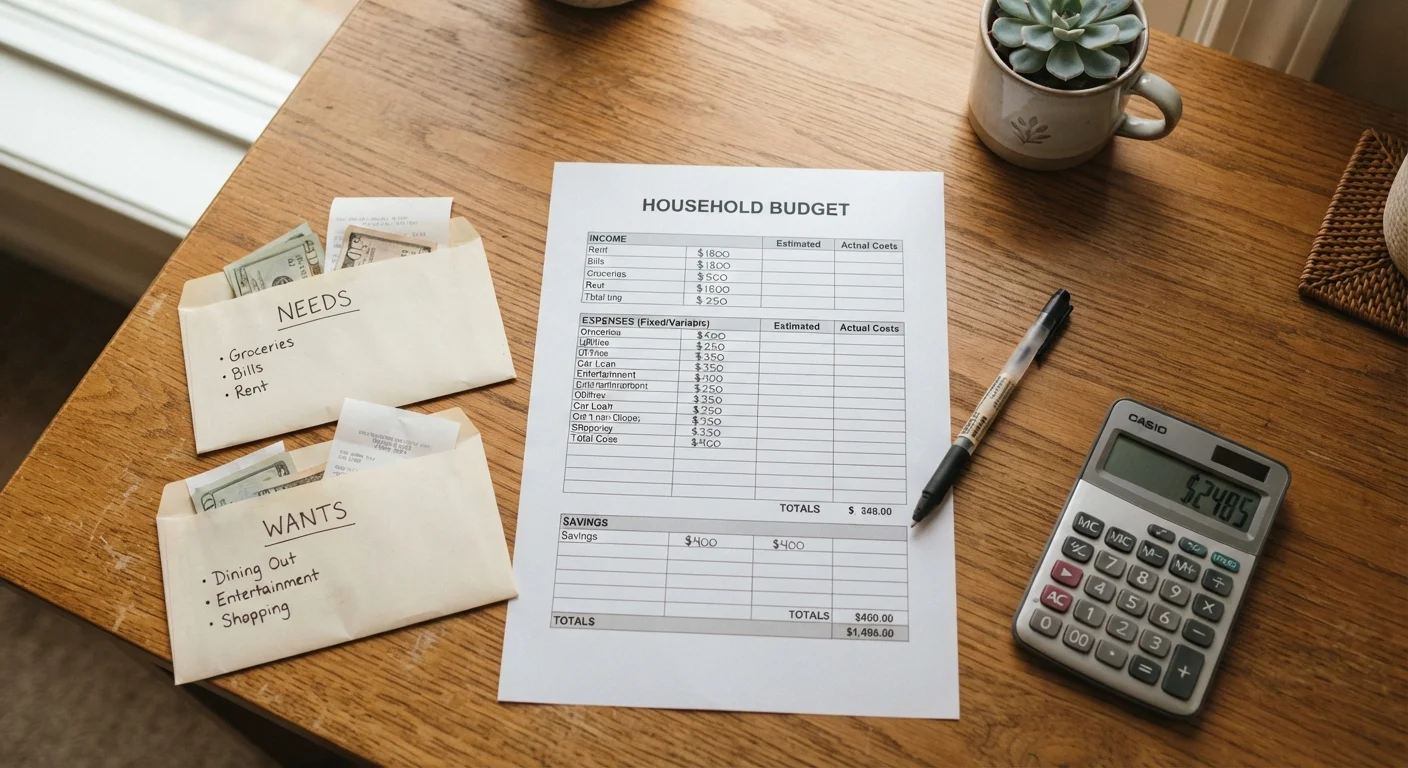
For a broader look at how spending categories connect to your budget, see our plain-language guide to discretionary vs. non-discretionary spending.
Core Terms in Credit and Payment
Credit and payment terminology shows up on nearly every major purchase. Here are the concepts worth locking in:
| FTC Cooling-Off Rule Window | 3 business days (U.S. Federal Trade Commission) |
| Typical Restocking Fee Range | 10%–25% of purchase price (Consumer Reports general guidance) |
| Credit Card Chargeback Time Limit | 60–120 days (varies by issuer) (Fair Credit Billing Act (FCBA)) |
| Implied Warranty Coverage | Exists by law even without written warranty (Uniform Commercial Code (UCC)) |
| Binding Arbitration | Found in ~80% of major consumer contracts (Consumer Financial Protection Bureau (CFPB) study) |
APR vs. interest rate: A card advertised at a low interest rate may carry additional fees that push the true cost higher. APR captures both, making it the more honest comparison point when evaluating any credit offer.
Grace periods are one of the most underused advantages of credit cards — if you pay your balance in full each month before the due date, most issuers won't charge interest on purchases. The moment you carry a balance, however, that grace period typically disappears until the balance is paid in full.
Chargebacks are not the same as returns. If a merchant fails to resolve a legitimate dispute, you can escalate to your card issuer. The Credit & Debt hub covers this process in more detail.
Warranty and Return Policy Language
Warranty terms and return policies are where shoppers most commonly feel misled — not because they were lied to, but because they didn't catch the nuances in advance.
~80%
Consumer contracts containing arbitration clauses
According to a Consumer Financial Protection Bureau (CFPB) study on arbitration in consumer financial markets.
3 days
Cooling-off cancellation window for door-to-door sales
Established by the FTC's Cooling-Off Rule, applying to purchases of $25 or more made outside a seller's regular place of business.
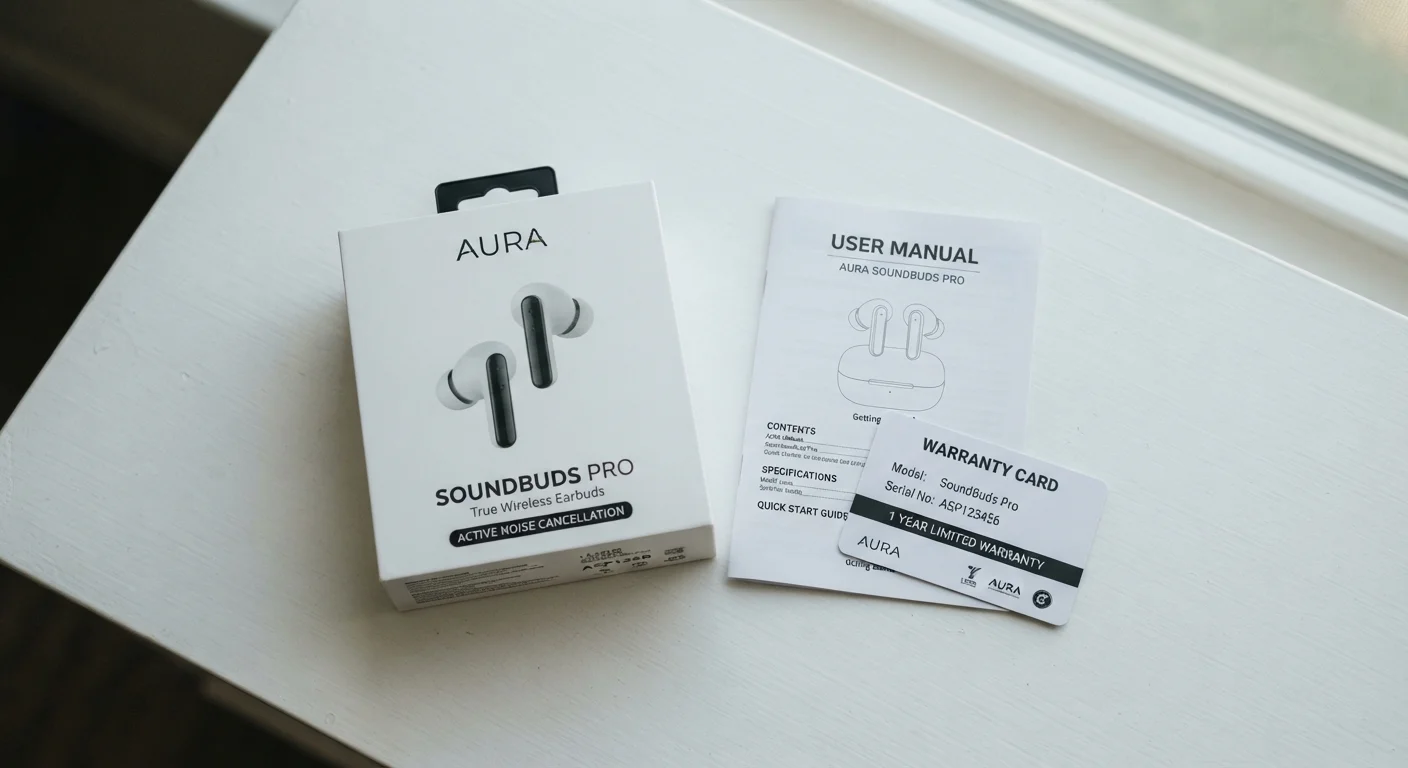
A limited warranty promises coverage only within defined parameters. Read for what is excluded: cosmetic damage, user-caused issues, or certain components are frequent carve-outs. An extended service plan is a separate product — it is not an extension of the manufacturer's promise but a contract you purchase, usually at checkout.
Return policies can include restocking fees (a percentage deducted from your refund), narrow return windows, or final sale designations that eliminate returns entirely. These details are often disclosed on signage or receipts — easy to overlook in the moment. Our article on reading a return policy before it's too late walks through what to check before you buy.
For a deeper look at how limited warranties, implied warranties, and extended service plans compare, see what manufacturers' warranty terms actually protect.
Contract Clauses That Affect Your Rights
Some of the most consequential language in consumer contracts concerns what happens when a dispute arises.
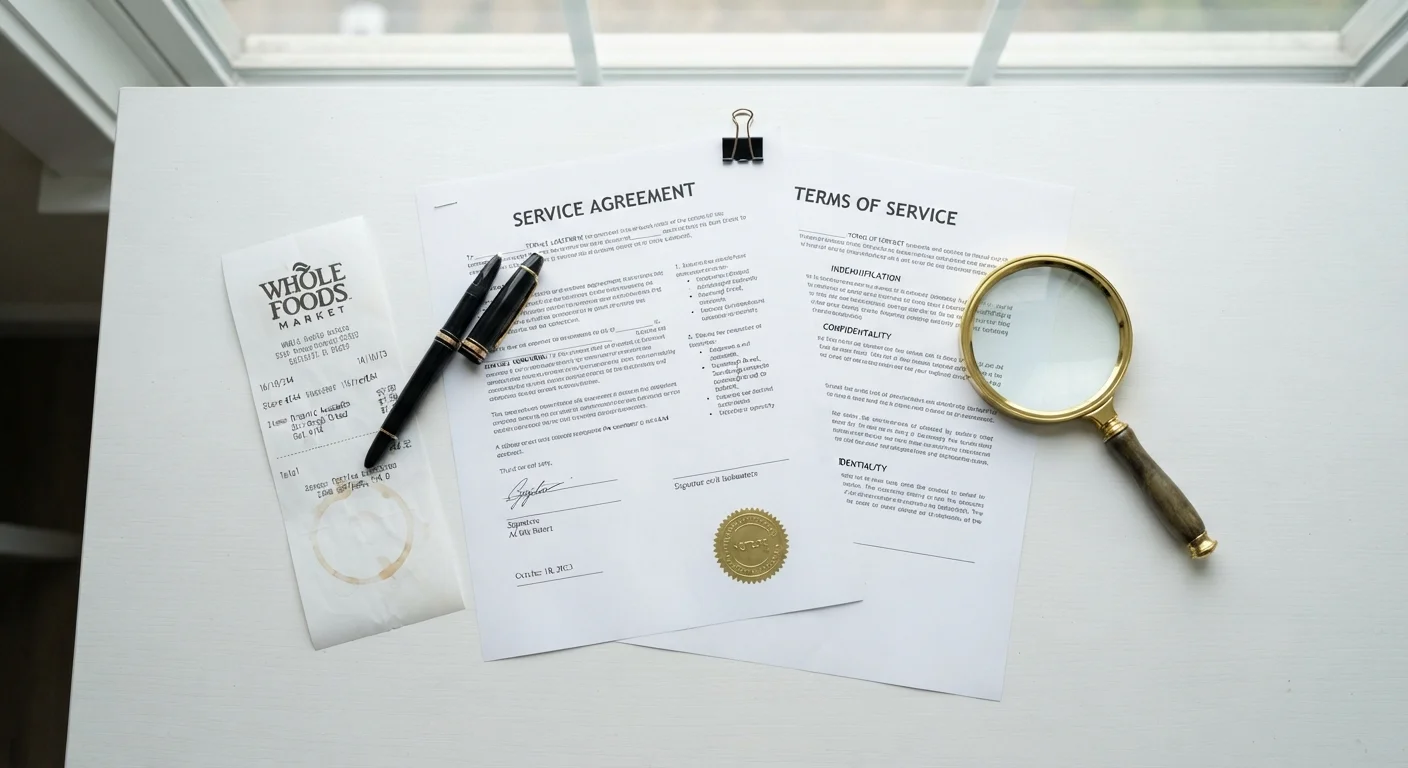
Arbitration clauses — now standard in financial product agreements, many retail memberships, and service subscriptions — limit your ability to take a company to court. Binding arbitration means a private, company-selected arbitrator decides your case. You generally waive the right to appeal or participate in a class-action lawsuit. Understanding this before you sign doesn't mean refusing to shop, but it does affect how you document issues and escalate complaints.
Automatic renewal clauses can catch consumers off guard, especially with subscription boxes, software, or annual service agreements. Many states now require companies to provide advance notice before auto-renewing, but the burden of cancellation still typically falls on the consumer.
The FTC Cooling-Off Rule offers meaningful protection for in-home or pop-up sales: for qualifying purchases over $25 made away from a seller's regular place of business, you have three business days to cancel in writing for a full refund. The seller must inform you of this right at the time of sale.
APR (Annual Percentage Rate)
The yearly cost of borrowing money, expressed as a percentage. Unlike a simple interest rate, APR includes fees and other charges, making it a more complete measure of what credit actually costs you.
Arbitration Clause
A provision in a contract that requires disputes to be resolved by a private arbitrator rather than through a court or jury trial. Binding arbitration typically limits your ability to appeal or join a class-action lawsuit.
Limited Warranty
A manufacturer's promise to repair or replace a product under specific conditions and for a defined period. 'Limited' means it comes with restrictions — certain defects, misuse scenarios, or parts may be excluded.
Implied Warranty of Merchantability
An unwritten legal guarantee that a product will do what it is ordinarily expected to do. This protection exists under U.S. law even when no written warranty is provided, though sellers can sometimes disclaim it.
Restocking Fee
A charge deducted from your refund when you return an item, meant to cover the retailer's cost of processing and repackaging. Fees vary widely — often 10–25% of the purchase price.
Final Sale
A designation indicating that a purchased item cannot be returned or exchanged under any circumstances. Items marked 'final sale' or 'as-is' typically carry no refund rights from the retailer.
Grace Period
A window of time after a payment due date during which you can pay without incurring a late fee or penalty. For credit cards, it also refers to the interest-free period between your statement closing date and the payment due date.
Minimum Payment
The smallest amount a creditor requires you to pay each billing cycle to keep your account in good standing. Paying only the minimum typically results in significant interest accumulating over time on the remaining balance.
Extended Service Plan
A fee-based contract — often sold at checkout — that covers repair or replacement of a product beyond the manufacturer's warranty period. Unlike a warranty, it is a separate purchase and not a legal obligation of the manufacturer.
Cooling-Off Rule
A Federal Trade Commission (FTC) regulation that gives consumers the right to cancel certain purchases made outside of a seller's normal place of business within three business days for a full refund.
Chargeback
A reversal of a payment initiated through your credit or debit card issuer when you dispute an unauthorized, fraudulent, or unresolved transaction. It is a consumer protection mechanism separate from a retailer's own return process.
Automatic Renewal Clause
A contract term that continues a subscription or service agreement for another term unless you actively cancel before a specified deadline. Missing the cancellation window typically locks you into another payment cycle.
When purchases go wrong, federal and state law provides real recourse. Learn what tools are available in our primer on consumer rights, refunds, and dispute resolution.
This article provides general consumer information for educational purposes only and does not constitute legal or financial advice. Laws and company policies vary; verify details with official sources or a qualified professional before acting on any specific situation.