
What Happens After the Handshake
Buying a vehicle is only the first step. Before you can legally drive it on public roads, three things must be in place: valid insurance, a title in your name, and current registration with your state. Each involves its own set of documents, fees, and deadlines — and the order in which you tackle them matters.
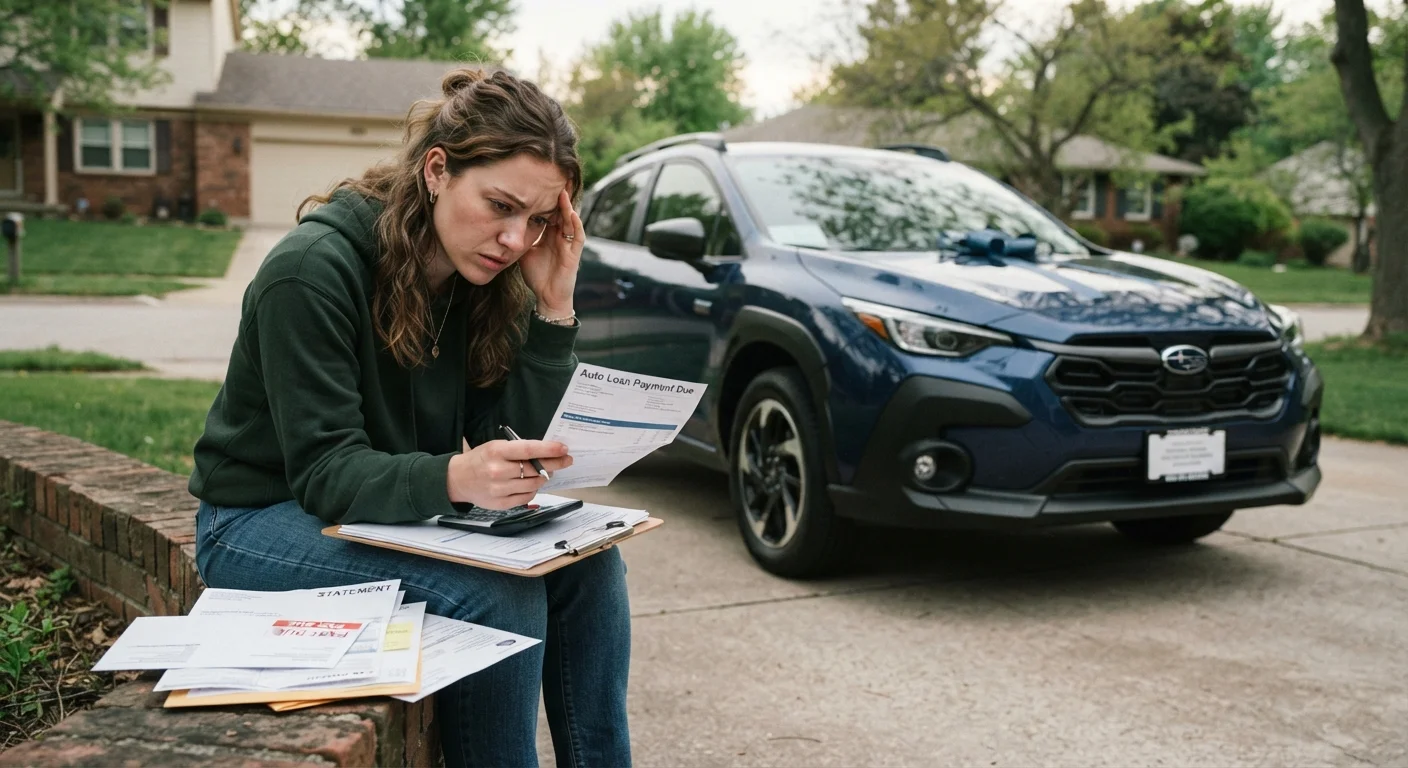
The process differs meaningfully depending on whether you bought from a dealership or a private individual. Dealers handle much of the administrative work and commonly collect registration fees and taxes at the point of sale. Private-party buyers must manage every step independently, and the margin for error is higher. Either way, understanding the full picture protects you from overlooked fees, legal gaps, and driving violations. For a broader view of ownership costs that catch buyers off guard, see our article on financial mistakes new car owners tend to make early on.
What you will need
Tools and Documents You'll Need
Having the right paperwork assembled before you visit the DMV — or submit an online application — eliminates the most common causes of delay. The checklist below covers what most states require, though your state may have additional forms. Always verify requirements on your official state DMV website before your visit.
State DMV or Motor Vehicle Agency Website
Confirms your state's exact fee schedule, required forms, and title transfer deadlines.
Vehicle History Report
Verifies there are no outstanding liens on the vehicle before you apply for a new title.
Odometer Disclosure Statement
Required for most vehicle transfers; documents the mileage at time of sale.
Lien Release Document
Needed if the seller had an outstanding auto loan — proves the lender has released their claim on the title.
Dealership vs. Private Sale Paperwork
When buying from a licensed dealership, the dealer typically handles title transfer and temporary registration on your behalf, rolling fees into your closing costs. In a private sale, every step — from securing the signed title to filing the transfer application — falls on you as the buyer. Knowing this difference upfront prevents costly delays and missed deadlines.
Step-by-Step Registration and Titling Process
Follow these steps in order. Insurance must come first — without it, you cannot legally drive the vehicle to the DMV, and many states won't process a registration without proof of coverage on file.
Secure auto insurance before driving
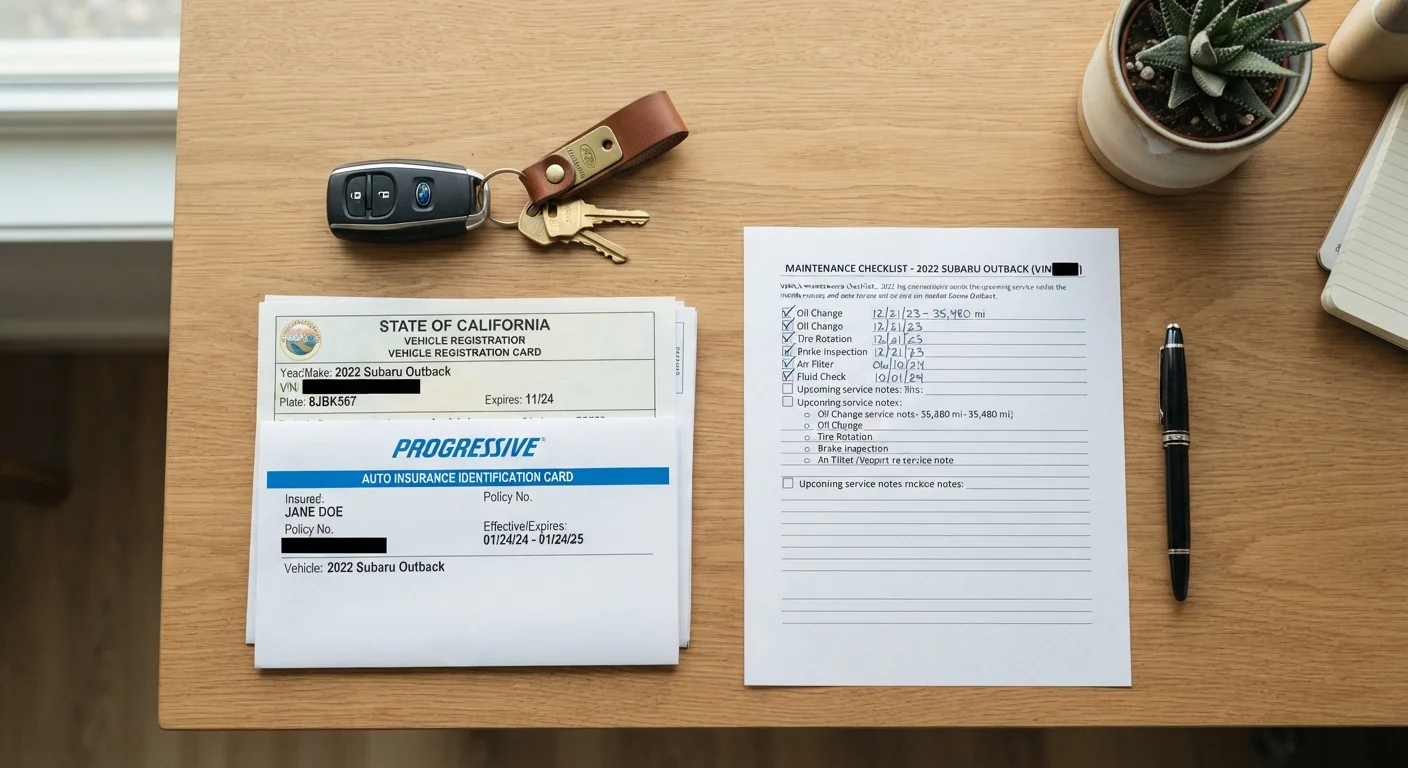
In nearly every U.S. state, you are legally required to carry at minimum liability insurance before operating a vehicle on public roads. Contact your insurer before or immediately after finalizing the purchase. Request a new policy or add the vehicle to an existing policy, and obtain a declarations page or proof-of-insurance card. Many insurers can issue digital proof within minutes.
Review the title for accuracy
The vehicle title is the legal document establishing ownership. Examine it carefully before signing anything. Confirm the VIN (Vehicle Identification Number) matches the number on the dashboard and door jamb, and that the seller's name matches their ID. For a private-party sale, the seller must sign the title over to you in the designated transfer section. Any errors on the title can delay your registration significantly.
Gather all required paperwork
Compile every document your state's DMV will need. At minimum this typically includes: the signed title, a completed title application form (available on your state DMV's website), the bill of sale, an odometer disclosure statement, your driver's license, proof of insurance, and proof of your residential address. Dealerships usually handle title paperwork on your behalf — but for private sales, this is entirely your responsibility.
Calculate and prepare for fees and taxes
When you register and title a vehicle, you owe several charges simultaneously. These typically include a title transfer fee, a registration fee, and state or local sales tax calculated on the vehicle's purchase price. Some states also charge a personal property tax or emissions testing fee. Check your state DMV's fee estimator tool online so you arrive prepared with the correct amount.
Submit your application at the DMV
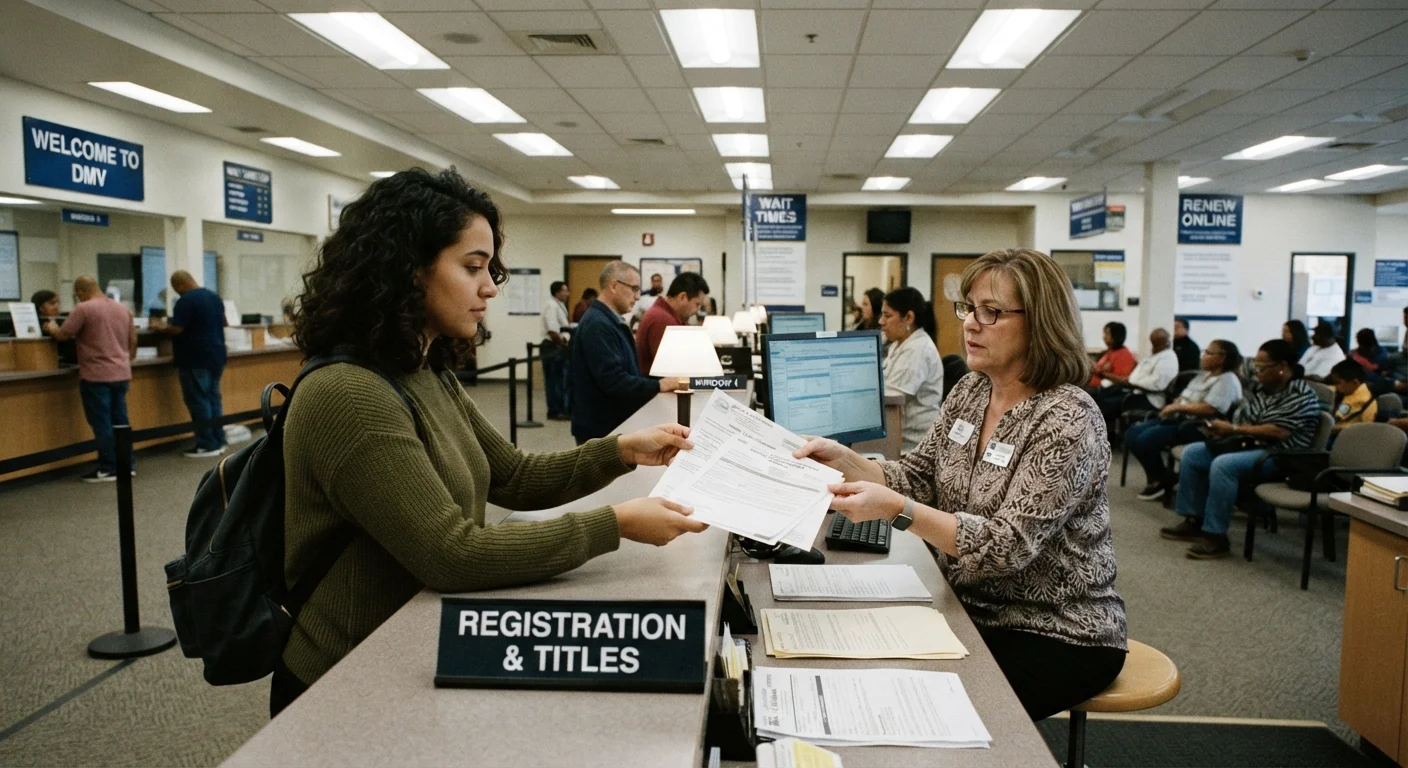
Visit your local DMV office or, where available, submit your application online or by mail. Present all documents, pay the required fees, and obtain a receipt. If processing is not instant, request a temporary operating permit — a document that allows you to legally drive while your permanent registration plates and title are mailed to you. Processing times vary from same-day to several weeks depending on your state and method of submission.
Affix plates and store your documents
Once your registration is approved, you will receive license plates and a registration certificate. Attach the plates to your vehicle as required by your state (some require front and rear, others only rear). Store the registration certificate in your vehicle's glove box along with your insurance card. Keep the title itself in a secure location at home — you should not carry it in the car.
Title Transfer Deadlines Are Strictly Enforced
Most states require you to apply for a title transfer within 15 to 30 days of purchase. Missing this window typically results in late fees that increase over time. A few states impose penalties that can exceed the original title fee itself. Check your state's specific deadline immediately after purchase and prioritize meeting it.
Never Drive Without Proof of Insurance
Driving an uninsured vehicle — even briefly while paperwork is pending — exposes you to fines, license suspension, and personal financial liability in the event of an accident. Arrange coverage before you take possession of the vehicle, not after. If you cannot reach your insurer immediately, some policies include a short grace period for newly acquired vehicles, but the terms vary — confirm with your provider directly.
Staying Compliant After Registration
Registration is not a one-time event. In most states, vehicle registration must be renewed annually, and your insurance must remain continuously active. Some states also require periodic emissions or safety inspections as a condition of renewal. Setting calendar reminders for renewal dates keeps you from inadvertently driving on an expired registration — a citable offense in every state.
Ownership paperwork tends to accumulate over time. Keep a dedicated folder — physical or digital — for your title, registration history, insurance declarations pages, and any lien release documents. This record becomes especially important when you sell the vehicle or need to resolve a dispute. Our annual car ownership checklist covers the recurring tasks you'll need to revisit each year to stay legal and financially prepared. As your ownership journey continues, our guides on everything involved in owning a car long-term and safe driving practices are useful next steps.