
Why Clear Communication Is the Real Safety Net
Eating out with a food allergy involves a specific kind of trust — you're relying on a kitchen you can't see to keep you safe. The good news is that most restaurants genuinely want to get it right, and the more clearly and early you communicate, the better your chances of a safe, enjoyable meal.
It helps to understand the difference between an allergy and a sensitivity. A true food allergy triggers an immune response that can range from uncomfortable to life-threatening. A food intolerance, like lactose intolerance, typically causes digestive discomfort but isn't usually dangerous in the same immediate way. Be honest with yourself — and your server — about which category applies to you. Using the word "allergy" signals urgency to kitchen staff in a way that "I try to avoid" simply doesn't.
For more context on how menus describe ingredients and preparations, see our guide to decoding restaurant menu language — it can help you spot potential hidden ingredients before you even speak to a server.
Allergy vs. Preference: Say It Clearly
Restaurant kitchens handle dozens of orders simultaneously, and the word "allergy" carries a specific, understood weight in professional settings. If your reaction to a food is genuinely allergic — not just a preference — always use that word. It prompts staff to treat your request with the level of care it deserves, including checking with the chef and using separate preparation tools where possible.
Before You Arrive: Do a Little Groundwork
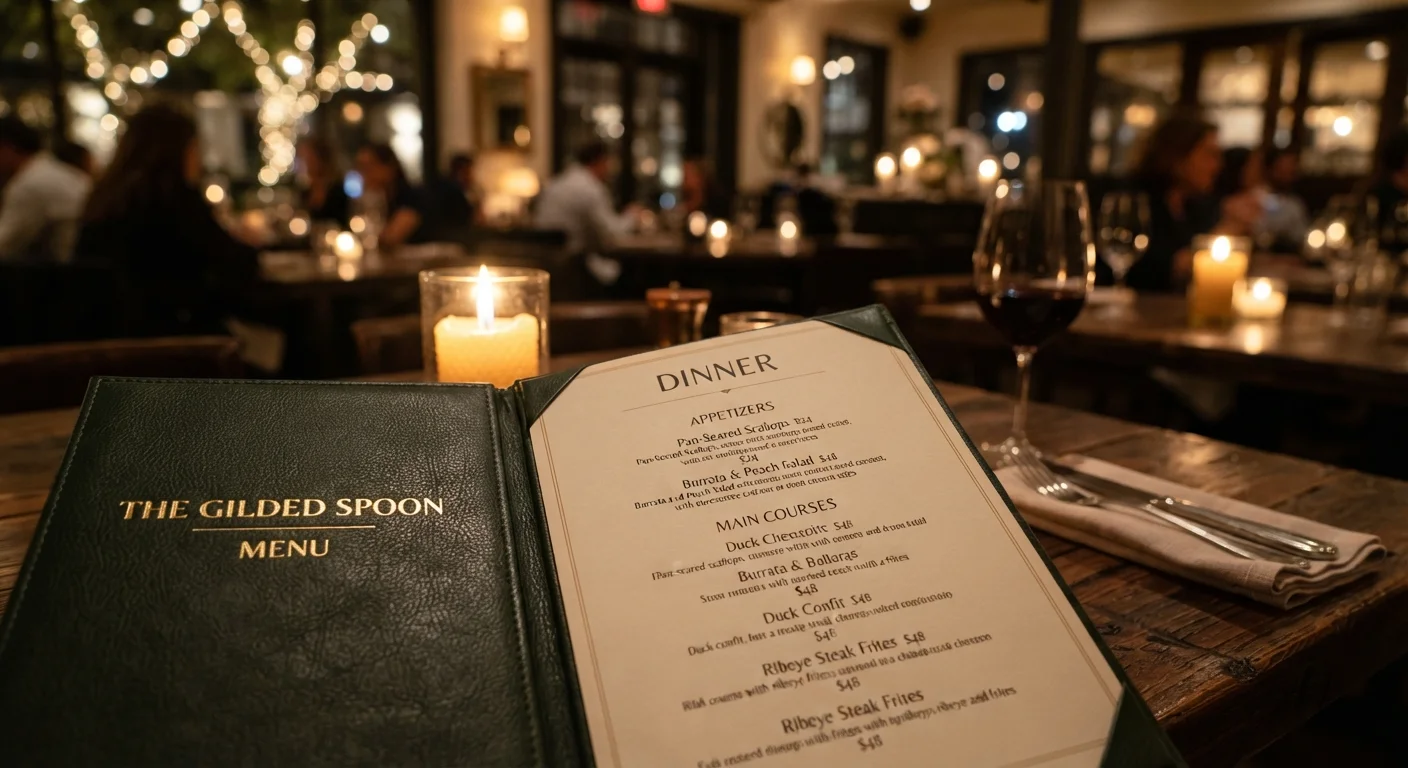
A few minutes of preparation before you leave home can make a meaningful difference. Most restaurants post menus online — scanning them in advance lets you identify likely safe options and flag dishes with ambiguous ingredients before you're under the pressure of ordering.
What you will need
If you have a severe allergy, consider calling the restaurant during off-peak hours — mid-afternoon is usually good — to ask whether they can accommodate you. This gives the kitchen time to think through preparation without the chaos of a dinner rush. As our reservation guide explains, noting a food allergy when you book is one of the most effective special requests you can make — staff can flag your table before you even walk in.
If English isn't your first language, or if you're traveling and dining somewhere with a language barrier, a written allergy card — a small card listing your allergens clearly in the relevant language — can be a reliable backup when spoken communication gets tricky.
Step-by-Step: Communicating at the Table
Follow these steps each time you dine out. Consistency matters — even at restaurants you've visited before, because menus, suppliers, and kitchen staff change.
State your allergy as soon as you're greeted
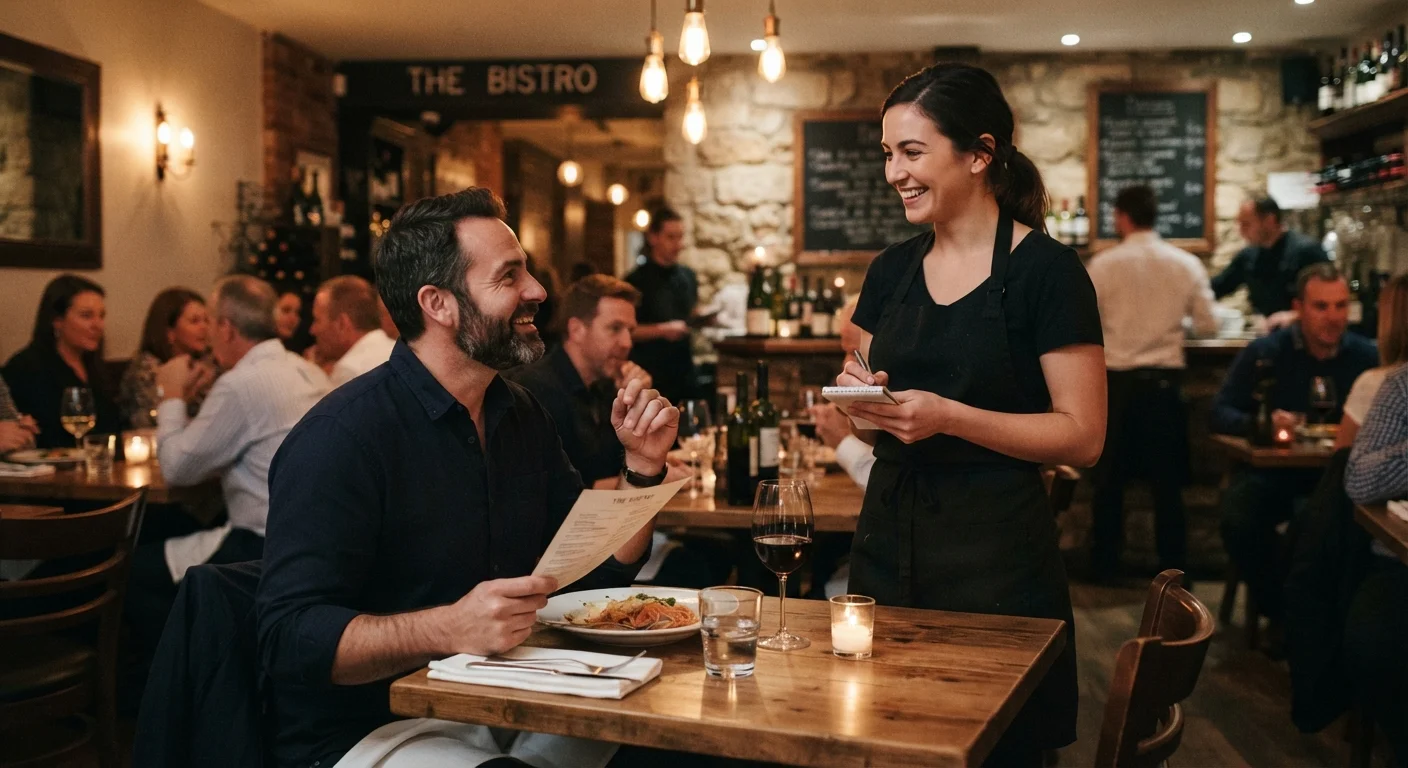
Don't wait until you're ready to order. When your server first approaches, say something like: "Before we get started, I have a [allergen] allergy — can you let me know which dishes are safe or flag anything I should avoid?" This sets the tone early and gives your server time to check with the kitchen.
Ask about hidden ingredients and cross-contact
Many allergens hide in unexpected places — nuts in sauces, dairy in marinades, wheat in coatings. Ask specifically: "Does this dish contain [allergen], even as a minor ingredient?" Also ask about cross-contact — whether shared fryers, cutting boards, or utensils could introduce your allergen into an otherwise safe dish. This is different from cross-contamination (a term more often used in food safety regulation), but the risk is similar.
Request that the kitchen be informed directly
Ask your server to communicate your allergy to the kitchen — not just note it on the ticket. A simple "Could you please let the chef know directly?" goes a long way. In busier establishments, this extra step reduces the chance of information getting lost in a rush.
Confirm your order when the dish arrives
When the plate is brought to the table, briefly confirm: "Is this the [dish name] prepared without [allergen]?" This is a quick, low-pressure double-check that catches mix-ups before they become a problem — especially in restaurants where multiple servers are running food.
Carry your epinephrine auto-injector if prescribed
If your allergist has prescribed an epinephrine auto-injector (such as an EpiPen), carry it with you every time you dine out — not just for severe allergy occasions. Even careful restaurants can make mistakes, and having your medication accessible is a critical safety measure. Let a dining companion know where it is and how to use it if needed.
No Kitchen Is Completely Risk-Free
Even with every precaution in place, shared kitchens carry some degree of cross-contact risk. If your allergy is severe, it's worth understanding that no restaurant can offer an absolute guarantee. Some people with highly sensitive allergies choose to dine only at establishments with dedicated allergen-free prep areas. This is a personal risk assessment — discuss your individual threshold with a healthcare professional.
When Something Doesn't Feel Right
Trust your instincts. If a server brushes off your allergy question, seems unsure, or can't tell you how a dish is prepared, it's completely reasonable to ask to speak with a manager or chef. A good restaurant will welcome the question rather than be offended by it.
If you receive a dish that doesn't look like what you ordered — or if something tastes off — don't eat it. Politely flag it immediately. It's far better to send a plate back than to risk a reaction.
After your visit, constructive feedback — whether to a manager in person or via a review — can genuinely help other diners with allergies make informed choices. Note what the restaurant did well and where communication could improve.
This article is for general informational purposes only and does not constitute medical or dietary advice. If you have a diagnosed food allergy or severe intolerance, consult a qualified healthcare professional for guidance tailored to your specific health needs.