
Solo Dining Is More Normal Than You Think
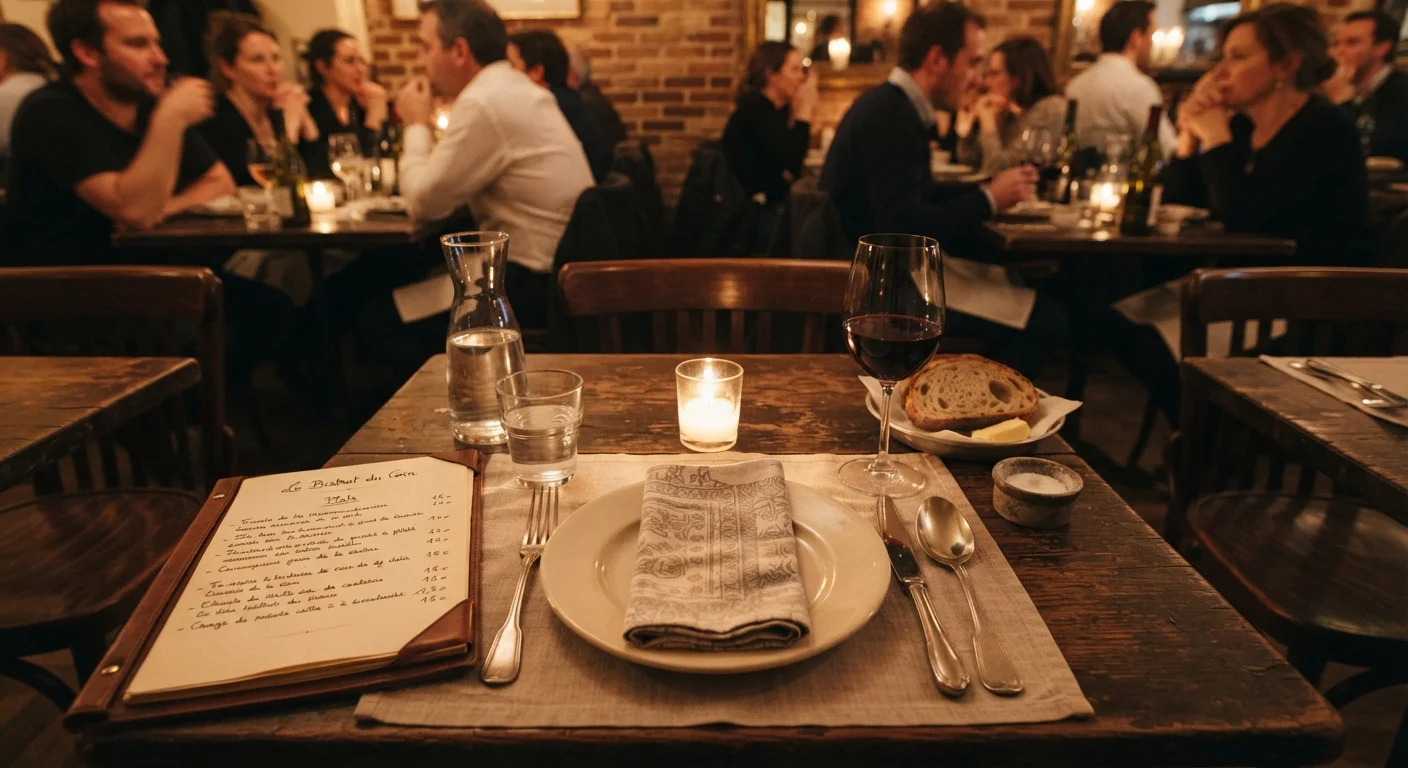
If you've ever hesitated to walk into a restaurant alone, you're not alone in that hesitation — but the data suggests you'd be in good company at the table. Solo dining has grown steadily in the US over recent years, driven by more people traveling for work, living alone, or simply valuing time to themselves. Restaurants have noticed: many now actively accommodate single diners at the bar, chef's counter, or dedicated solo seats.
Part of what makes solo dining feel intimidating is the cultural story we tell about meals being inherently social. And while sharing food is genuinely wonderful, there's nothing lacking about enjoying a great meal on your own. As part of the broader picture of dining out in America, solo dining is simply one of many valid ways to experience a restaurant.
Complete freedom over timing and pace
You arrive when you want, linger over dessert or leave early — no one else's schedule to manage. This flexibility is especially valuable for travelers or anyone with an unpredictable day.
Undivided attention to the food itself
Without conversation competing for your focus, you're more likely to actually taste what's on the plate. Many solo diners find they engage more thoughtfully with flavors and technique.
Order exactly what you want
No splitting, no compromising on cuisine type, no deferring to someone who doesn't eat fish. The menu is entirely yours to navigate on your own terms.
Often seated faster, served more attentively
A single diner is easier to slot into the flow of a busy restaurant, and bartenders and servers often have more natural one-on-one interaction with solo guests.
A genuine opportunity for quiet and reset
A solo meal can function as intentional downtime — a rare pocket of calm in a busy week, especially for people who find constant social interaction draining.
The Real Downsides to Eating Alone
Solo dining isn't without friction. Some of it is practical — restaurant economics favor tables of two or more — and some of it is psychological, especially the first few times you do it. Being honest about these challenges helps you prepare for them rather than be caught off guard.
Initial self-consciousness can be uncomfortable
Many first-time solo diners feel conspicuous walking in alone, even though staff and fellow guests rarely notice or care. This feeling typically fades after one or two experiences.
Shareable dishes and large portions don't work well
Tasting menus, family-style formats, and dishes designed for two can feel wasteful or financially impractical when you're eating alone. Some cuisines are harder to enjoy solo for this reason.
No one to debrief the meal with
Part of the pleasure of a memorable restaurant experience is talking about it afterward — or in the moment. That built-in social dimension is simply absent when you're on your own.
Some restaurants are less solo-friendly
Certain venues prioritize couples or groups in their seating layout, and a single diner may be tucked into a less desirable spot. Calling ahead usually helps resolve this.
Allergies and Dietary Needs at Solo Meals
Dining alone can actually make it easier to communicate dietary needs clearly — you're the only person ordering, so there's no confusion about who has the allergy. Still, it pays to be explicit and unhurried when speaking with your server. Our guide on communicating food allergies with restaurant staff walks through exactly how to do this well.
Tips for Making It Work
A few straightforward habits can transform solo dining from something that feels awkward into something you genuinely look forward to.
- Sit at the bar. Bar seats are the solo diner's best friend. You're naturally part of the scene, the bartender becomes a casual companion, and you avoid the visual of an empty seat across from you.
- Bring something to do — but don't feel obligated. A book, a podcast in one ear, or your phone for leisurely browsing are all fine. But plenty of solo diners find they enjoy simply observing the room, tasting mindfully, or just thinking. Both approaches are valid.
- Order what you actually want. No need to negotiate with another person's preferences. This is genuinely one of the quiet pleasures of eating alone.
- Go at off-peak times. A quieter room means staff have more time to chat if you want it, and you're less likely to feel any pressure to turn the table quickly.
- Make a reservation. Even for casual spots, a reservation signals you're a deliberate, expected guest — not an afterthought. For higher-stakes nights, planning ahead pays off just as much when you're alone.
1 in 5
Restaurant visits made by solo diners
Industry research from the NPD Group has found that roughly one in five restaurant visits in the US is made by a single diner, reflecting a long-term upward trend.
58%
Americans who are comfortable dining alone
A YouGov survey found that a majority of American adults say they are comfortable eating at a restaurant by themselves, though comfort levels vary by age and dining format.
If you love exploring on your own beyond the dinner table, many of the same comfort-building principles apply — see our piece on solo international travel for a broader look at navigating experiences independently.