
The American Restaurant Landscape
The US restaurant industry spans an enormous range — from drive-throughs and diners to tasting-menu destinations with months-long waitlists. Understanding the basic categories helps you set the right expectations before you walk in.
- Fast food: Counter service, standardized menus, quick turnaround. No tipping expected.
- Fast-casual: Counter ordering with slightly elevated food quality (think build-your-own bowls or artisan sandwiches). Tip prompts at the register are common but discretionary.
- Casual dining: Full table service, broad menus, mid-range prices. Tipping is standard.
- Fine dining: Formal service, often prix-fixe or tasting menus, significantly higher price points. Full etiquette norms apply.
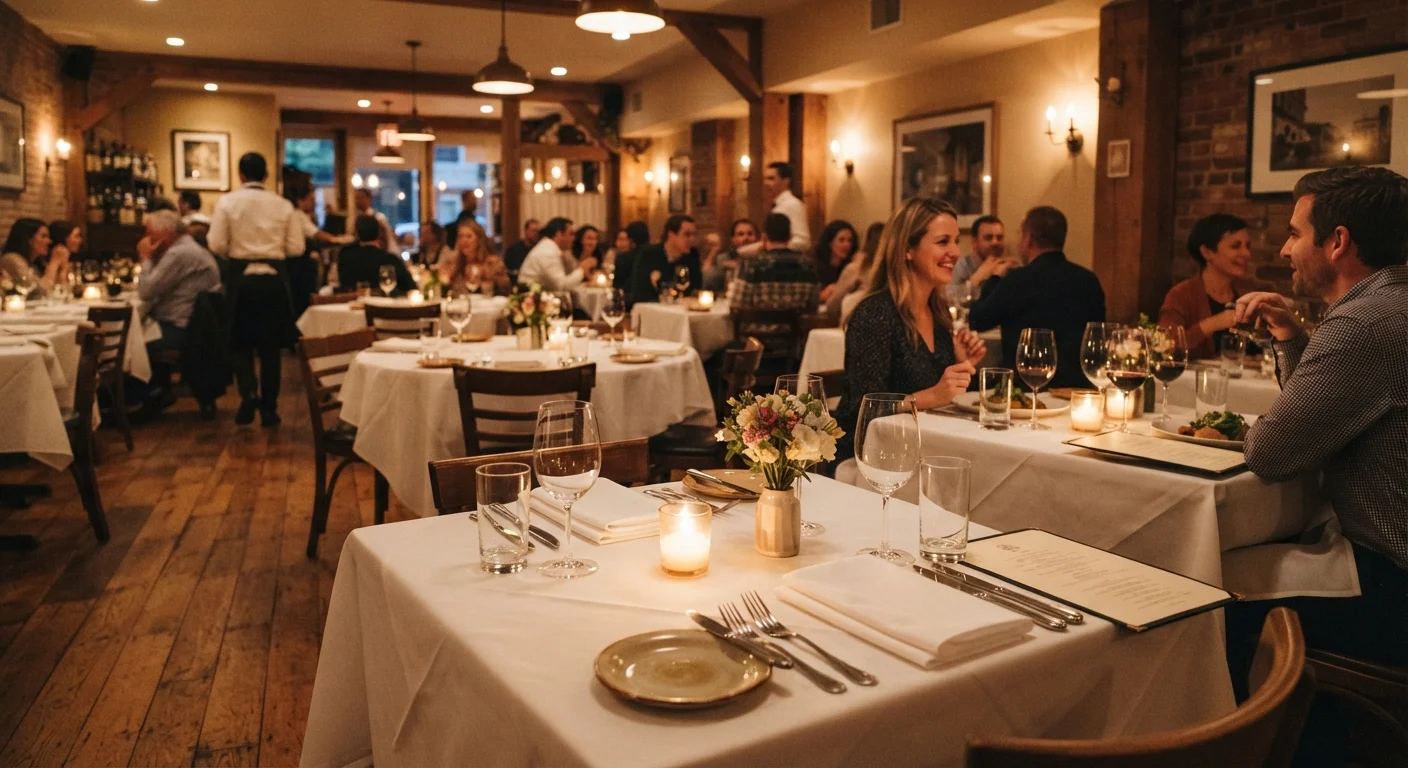
There's also a growing middle tier — polished-casual or 'upscale-casual' restaurants — that offer elevated food and atmosphere without strict formality. These are often where the best value and most interesting cooking lives right now.
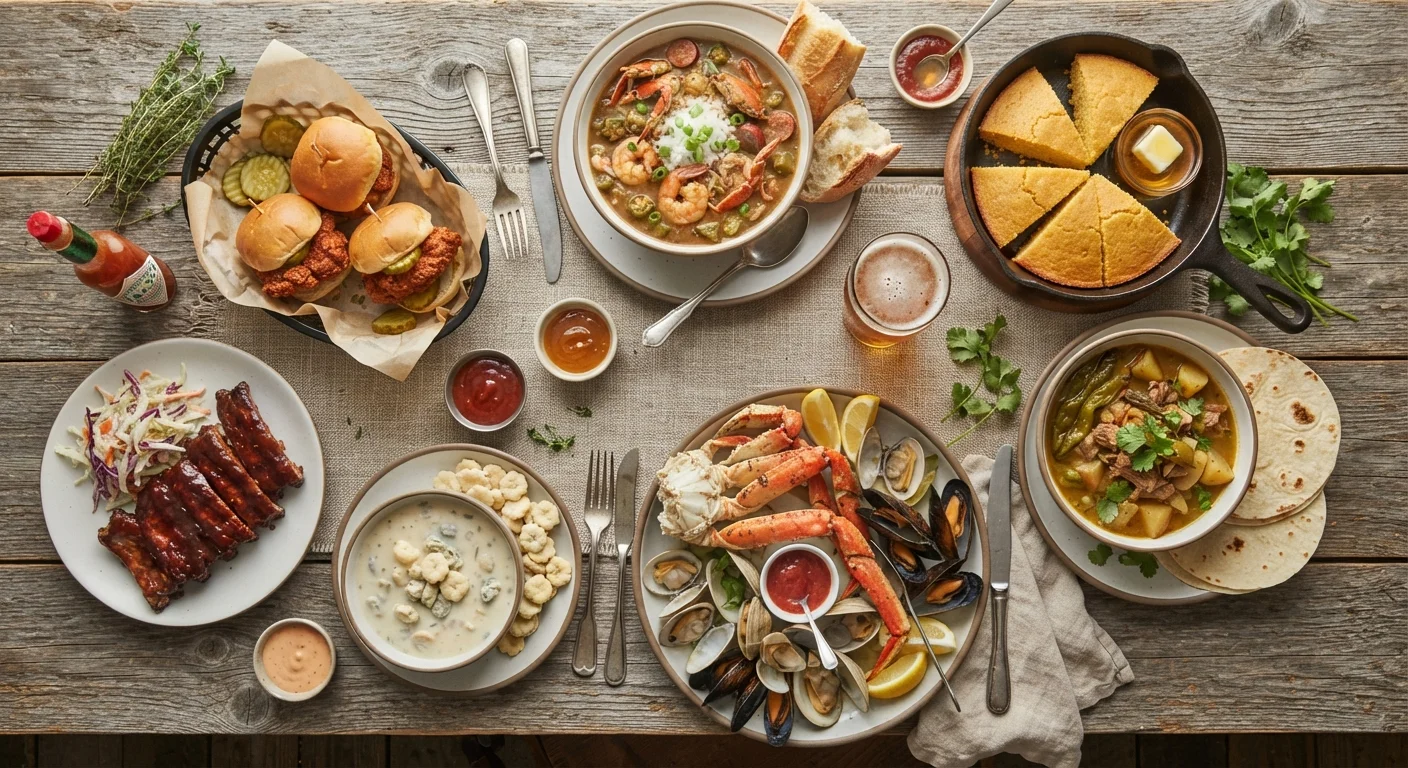
If you're curious about how food culture shifts across the country, our guide to American regional cuisine explores the distinct culinary traditions that define what people eat from state to state.
Understanding Menus and Pricing
Menu prices are a starting point, not the final number. Before you sit down, it helps to understand what's typically not included in the listed price.
What gets added at checkout:
- Sales tax: Varies by state and city — typically 6–10% on restaurant meals.
- Tip: 18–20% of your pre-tax subtotal for table service.
- Beverages: Alcoholic drinks especially can shift the bill significantly. A modest wine order can add $40–$60 to a dinner for two.
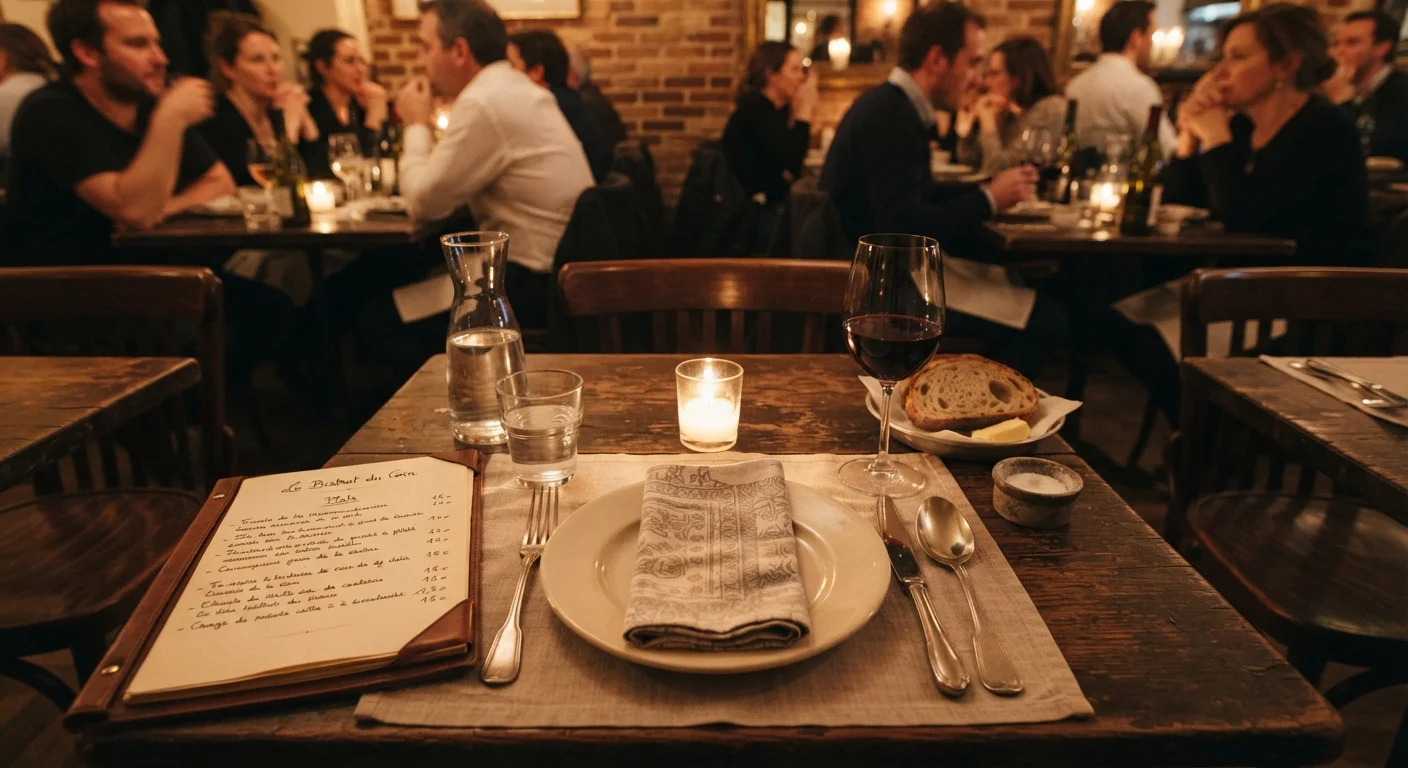
When scanning a menu, pay attention to how dishes are structured. Prix-fixe menus (a set number of courses for a fixed price) often deliver strong value at higher-end restaurants. À la carte menus (individual items priced separately) give you more control but require a little math to avoid surprises.
Read the menu online before you arrive, especially at a new restaurant. You'll order more confidently and spot value opportunities — like a lunch menu that mirrors dinner dishes at lower prices.
Decision fatigue at the table leads to rushed choices; pre-reading lets you focus on the experience rather than the small print.
When dining with a group, agree upfront whether you're splitting evenly or paying individually — mentioning it to the server early saves awkward scrambling at the end.
Bill-splitting is one of the most common sources of table tension; a single sentence at the start of the meal eliminates it entirely.
Some restaurants list prices without a dollar sign or use minimal visual emphasis on numbers — a technique studied in menu psychology that's associated with higher spending. Awareness of it is enough: read the full menu deliberately rather than skimming.
Tipping: What's Expected and Why
Tipping in America isn't just a custom — for most restaurant workers, it's a significant portion of their income. The federal tipped minimum wage has been $2.13 per hour for decades, with tips expected to bring earnings up to or above the standard minimum wage. In practice, this system means diners play a direct role in worker compensation.
Tipping Is Not Optional in the US
Unlike in many other countries, tipping in American full-service restaurants is a near-universal expectation — not a reward for exceptional service. Many servers earn wages below the federal minimum, with tips making up the majority of their income. Leaving no tip in a full-service setting is generally understood as a strong disapproval statement, not a neutral choice.
Standard tip guidelines for common scenarios:
| Service Type | Typical Tip Range |
|---|---|
| Full table service | 18–20% (20%+ for excellent service) |
| Bar service | $1–2 per drink, or 15–20% of tab |
| Takeout/counter service | Discretionary; 10–15% if staff prepared your order |
| Buffet | 10% or a few dollars for the server who brings drinks |
Watch Out for Hidden Bill Additions
Some restaurants add automatic gratuity for parties of six or more, and others include service charges that aren't always labeled clearly. Glance at the itemized bill before calculating your tip — adding 20% on top of a charge that already includes service means you've double-tipped. It's completely reasonable to ask your server what's included.
For more nuanced situations — including how to handle group bills and what to do when service falls short — our article on the unspoken rules of dining out covers the terrain honestly.
Etiquette and Dining Customs
American dining etiquette is more relaxed than in many cultures, but a few norms are widely observed and worth knowing — both so you feel at ease and so you're considerate to the people around you.
At the table
- Wait to be seated at full-service restaurants unless a sign says otherwise.
- Napkin goes on your lap when you sit down, not tucked into your collar (unless you're eating crab — then all bets are off).
- If you need to leave the table temporarily, rest your napkin on your chair, not the table.
- Phones are a gray area. Checking them briefly is common; using them on speaker or propping them up to film your food at length is generally considered inconsiderate.
Interacting with staff
- Your server's name is often offered at the start of the meal — using it is a small courtesy that's appreciated.
- Signal for attention by making eye contact rather than snapping or loudly calling out.
- If something is wrong with a dish, say so promptly and calmly. Kitchens genuinely want to fix it.
Communicate Dietary Needs Early
Tell your server about allergies or dietary restrictions when you're seated, not after you've ordered. Kitchens can almost always accommodate you — but only if they have enough notice. A simple, specific request ('I have a shellfish allergy') is far more helpful than a vague one.
Solo diners may encounter slightly different norms — including being seated at smaller tables or near the bar. Our guide to dining solo walks through what to expect and how to make the experience genuinely enjoyable.
Getting the Most from Any Meal
A few intentional choices before and during your meal can meaningfully improve the experience, regardless of where you're eating.
~$90,000
Average US household annual restaurant spending
According to U.S. Bureau of Labor Statistics Consumer Expenditure data, food away from home is a major budget line for most American families.
1 million+
Restaurant locations operating in the US
The National Restaurant Association estimates over one million restaurant and foodservice locations are active across the country.
18–20%
Standard tip range for table service
Etiquette experts and industry groups consistently cite 18–20% of the pre-tax total as the widely accepted baseline for full-service restaurants.
Before you go
- Make a reservation when you can — even casual restaurants now use platforms that allow booking, and it removes uncertainty.
- Check the hours and menu online. Many restaurants have different lunch and dinner menus, and some close between service periods.
- Time your visit thoughtfully. Peak dinner hours (6–8 p.m. on weekends) mean longer waits, louder rooms, and occasionally more rushed service. An early dinner or a late weeknight visit often offers a quieter, more attentive experience.
At the table
- Ask your server what they'd recommend or what the kitchen does especially well. This is a genuine question they're usually happy to answer.
- If you're on a budget, mention it in no-stakes terms: 'We're thinking of keeping it lighter tonight' signals to a server to guide you accordingly.
- Don't feel obligated to order every course. A well-chosen appetizer and entrée often outperforms an ambitious three-course meal you don't actually want.
“Restaurants are one of the last truly democratic public spaces — you can be anyone, from anywhere, and share in the same basic human pleasure of a good meal.”
— Danny Meyer, Restaurateur and author of 'Setting the Table'
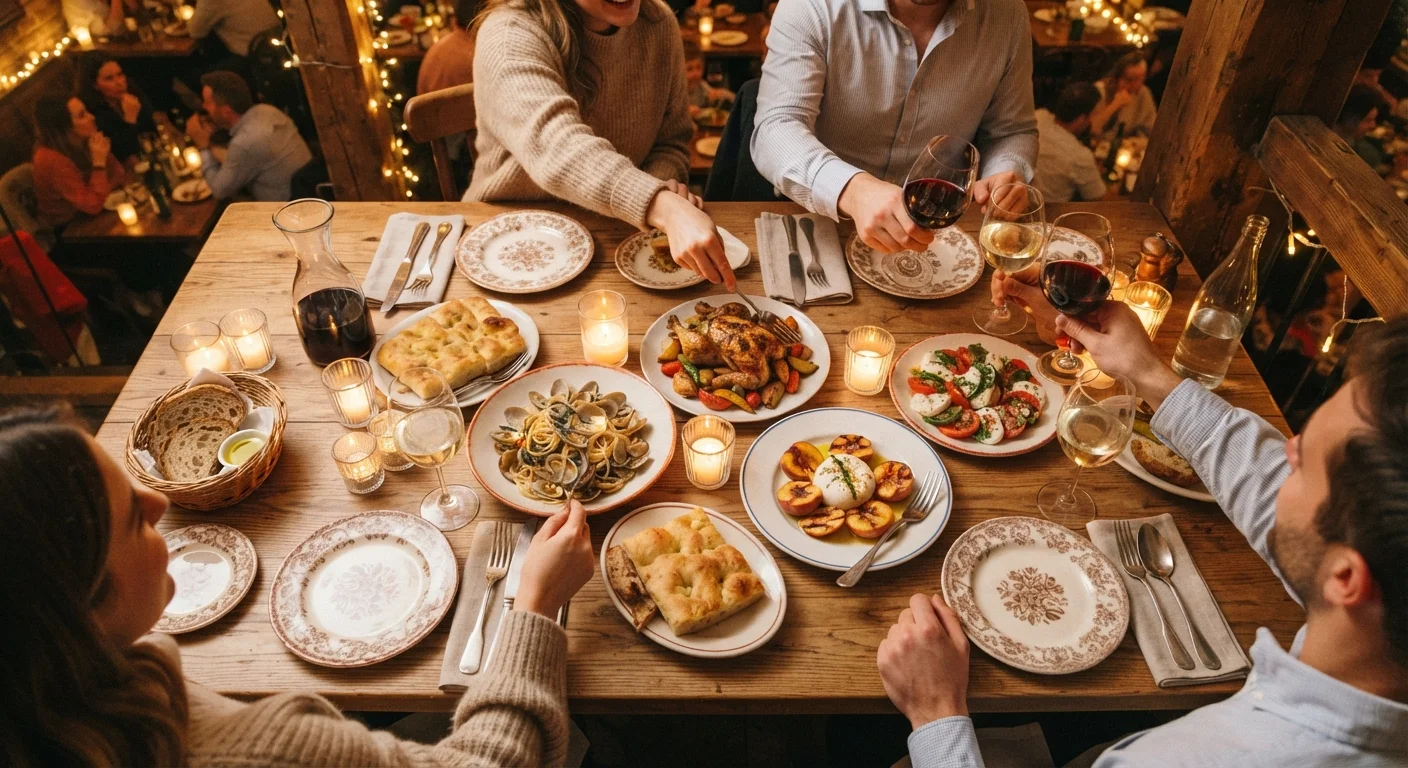
Dining out is one of America's most social rituals — a way of celebrating, connecting, and exploring. Whether you're at a neighborhood diner or a special-occasion restaurant, the fundamentals are the same: know what you're walking into, treat the people serving you with respect, and focus on the meal in front of you. That's the complete picture.
If you're thinking about how restaurant spending fits into your broader budget, our resource on credit and household spending offers useful context on managing discretionary expenses.
Regional Food Culture Varies Widely
What's considered a standard restaurant experience in New York City or Los Angeles may look quite different from what you'll find in rural Louisiana or the Southwest. If you're traveling, it's worth exploring local specialties rather than defaulting to familiar chains. Our guide to American regional cuisine is a useful starting point.