
Why Long-Term Habits Beat Short-Term Rules
Most of us have encountered an eating plan that seemed to work — until it didn't. Restrictive regimens often produce results early because they introduce structure, but that structure tends to collapse under the weight of real life. Fad diets follow a recognizable pattern: short-term results, long-term difficulty sticking with it.
What nutrition research tends to support instead is a collection of durable, flexible behaviors that hold up across different life circumstances — busy weeks, travel, stress, social situations. These aren't dramatic overhauls. They're the kind of small, consistent choices that gradually shape a genuinely healthier relationship with food.
This Is General Information, Not Medical Advice
The habits described here are based on widely supported nutritional principles and are intended as general education. They are not a substitute for guidance from a registered dietitian, physician, or other qualified healthcare provider. If you have a specific health condition, dietary restriction, or concern about your nutrition, please consult a qualified professional before making significant changes.
The Core Practices Worth Building
Rather than prescribing a specific diet, the habits below are grounded in principles that appear consistently across mainstream dietary guidance and nutritional research. For a deeper look at how these ideas connect, see the key principles behind balanced eating.
Build meals around vegetables, legumes, and whole grains as a foundation.
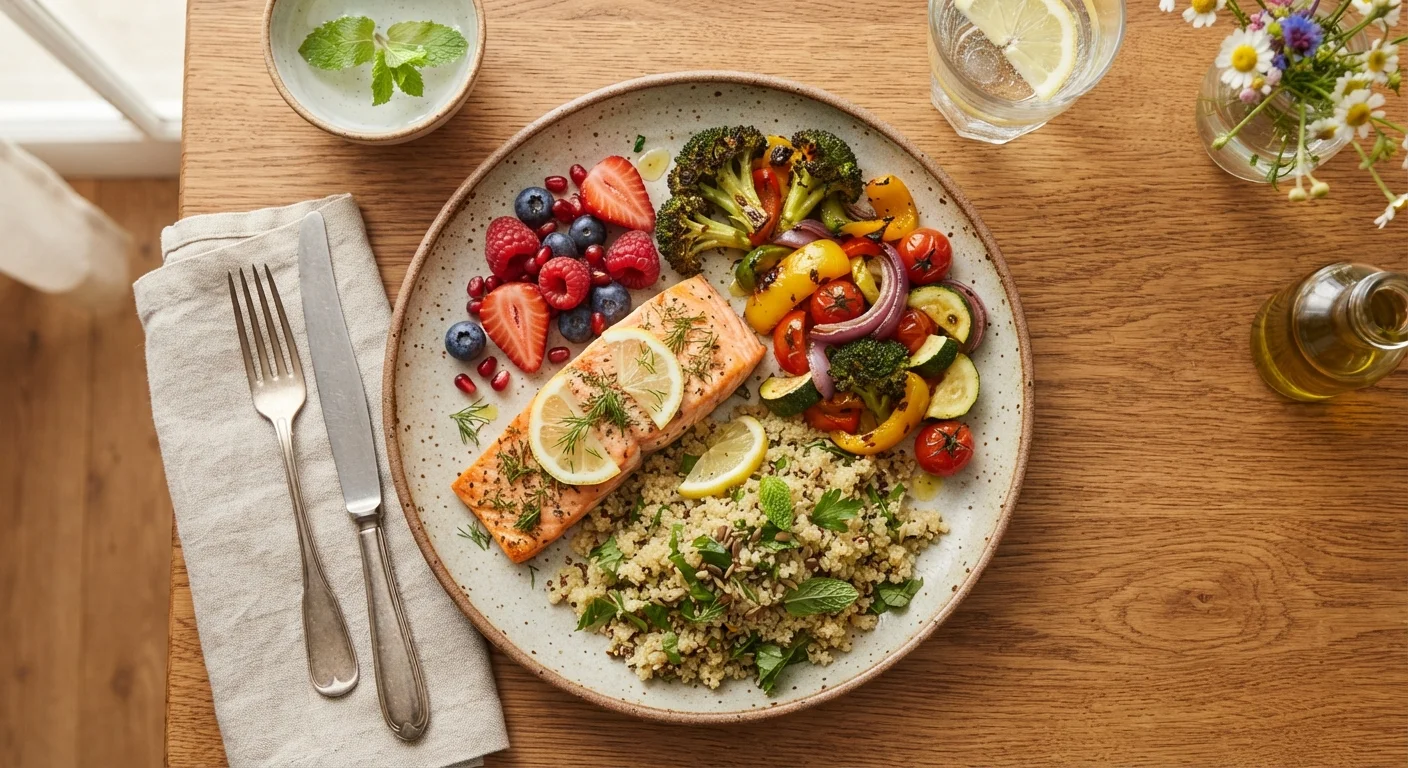
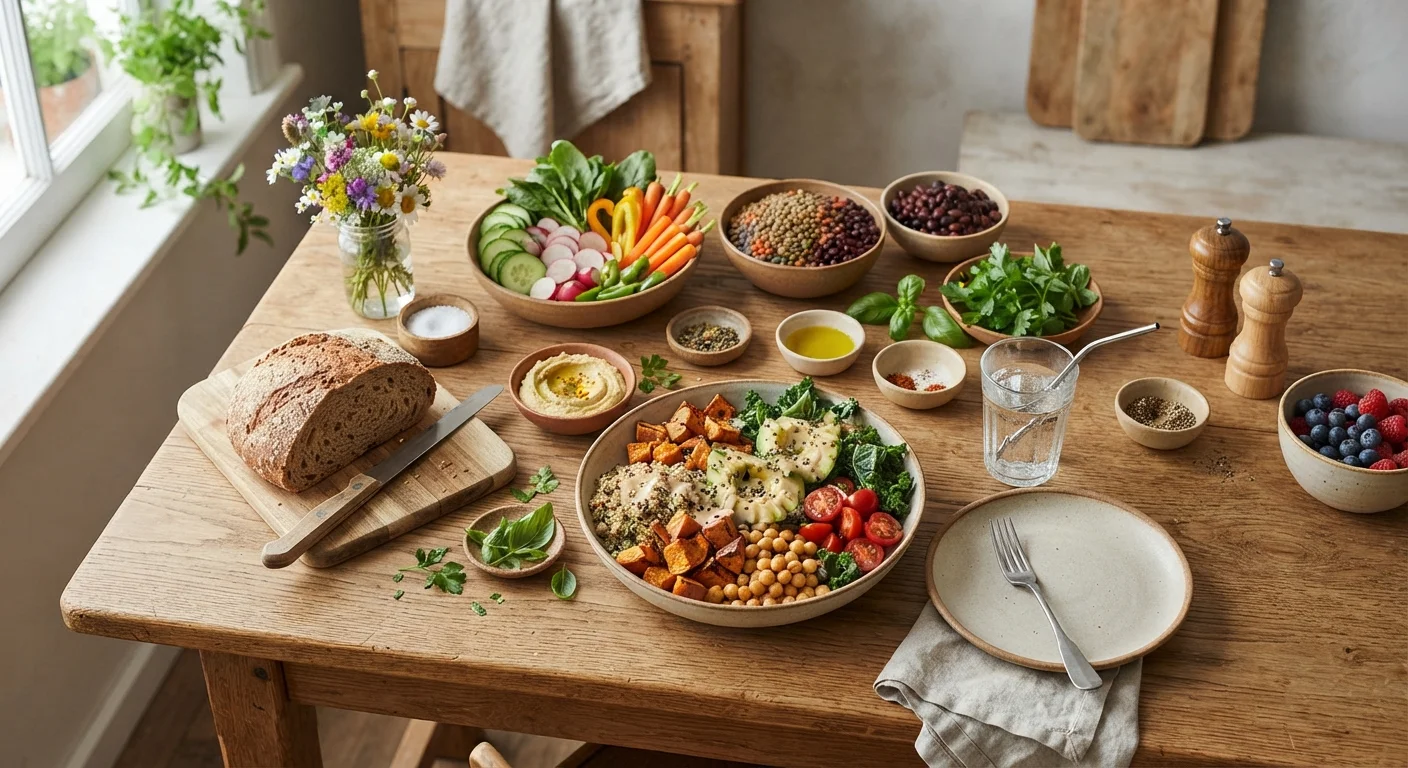
Dietary patterns emphasizing plant-based whole foods are consistently associated with better long-term health outcomes across major nutrition research. These foods deliver fiber, micronutrients, and sustained energy without the spikes and crashes of heavily processed alternatives.
Eat at fairly regular intervals to support steady energy and reduce impulsive choices.
Going too long without eating tends to amplify hunger signals, which can make it harder to make deliberate food choices. Predictable meal timing helps the body regulate appetite hormones more smoothly over the course of the day.
Prioritize water as your primary beverage throughout the day.
Mild dehydration can mask itself as hunger and contribute to fatigue and reduced focus. Replacing frequent sugary drinks with water is one of the more impactful single shifts many people can make without changing what they eat at all.
Plan and prep meals ahead to reduce friction on busy days.
Decision fatigue is real — when people are tired or pressed for time, convenience wins. Having vegetables already chopped, grains already cooked, or a simple meal plan for the week lowers the barrier between good intentions and actual follow-through.
Slow down and eat with minimal distractions when you can.
Eating while scrolling or watching TV makes it genuinely harder to notice satiety cues, which often leads to eating past the point of comfort. Even modest attention to the act of eating tends to support more appropriate portion sizes without counting or measuring.
Making It Practical: Quick Wins for Right Now
Abstract intentions rarely survive contact with Tuesday afternoon. The most effective way to build sustainable eating habits is to start with the smallest possible version of a better choice — something so low-friction that doing it feels easier than not. Here are a few places to begin:
Eating well doesn't exist in isolation, either. How you move and how you rest both interact with how your body processes and responds to food. If you're also working on physical activity, building fitness habits that hold through busy seasons covers approaches that complement what you do at the table.
The Bigger Picture
“The best diet is the one you can actually stick to. Long-term adherence almost always matters more than short-term perfection.”
— Walter Willett, Professor of Epidemiology and Nutrition, Harvard T.H. Chan School of Public Health
Sustainable eating habits are, fundamentally, a form of infrastructure — built gradually, adjusted over time, and resilient enough to survive the occasional pizza night without collapsing. If budget is a real constraint, there's practical guidance on getting solid nutritional value from affordable, everyday foods that requires no specialty items.
The goal isn't a perfect diet. It's a way of eating that you can actually maintain — one that supports your energy, your health, and your enjoyment of food over the long haul.
This article is for general informational and educational purposes only and is not a substitute for professional medical or nutritional advice. Consult a qualified healthcare provider before making significant changes to your diet, especially if you have an existing health condition.