
Why the Price Tag Misleads You
Most people shop by total price — they grab what looks affordable in the moment. But without factoring in serving size and nutritional content, you can't actually tell which foods are delivering value. A box of crackers might look like a deal at $2.50, but if it contains five servings of mostly refined starch and minimal protein or fiber, it's not doing much for your health or your hunger.
The more useful question is: what am I getting nutritionally, and what am I paying per serving to get it? That shift in thinking is the foundation of eating well on a limited budget — and it's more accessible than most people expect.
If you're new to thinking about nutrition at all, our introduction to nutrition basics is a good place to start before working through the steps below.
What you will need
What You'll Need Before You Shop
You don't need any special apps or tools — just a few habits and a bit of prep. Here's what makes the process easier:
Nutrition Facts label
Lets you compare protein, fiber, and micronutrient content across products on a per-serving basis.
Shelf unit price tags
Show cost per ounce or pound, making it easy to identify which size or format offers the best value.
A simple weekly meal plan
Reduces impulse purchases and food waste, stretching your grocery budget further.
Reusable containers or freezer bags
Enable batch cooking and freezing, so bulk staples don't go to waste.
With those in place, you're ready to start making food choices that balance both your wallet and your nutritional needs.
This Is General Nutrition Information
The guidance in this article is educational and intended for generally healthy adults. It is not a substitute for personalized medical or dietary advice. If you have specific health conditions, dietary restrictions, or concerns about your nutritional intake, please consult a registered dietitian or your healthcare provider.
Step-by-Step: Evaluating Nutrition vs. Price
Work through these steps the next time you're planning a shopping trip or evaluating your current routine. They're designed to be practical, not exhaustive — the goal is a workable framework, not a perfect system.
Shift from total price to cost per serving
The sticker price on a package tells you almost nothing useful on its own. A $4 bag of dried lentils contains roughly 13 servings; a $3 single-serve protein snack bar contains one. Learning to calculate cost per serving — divide the total price by the number of servings listed on the label — immediately reframes which foods are actually affordable.
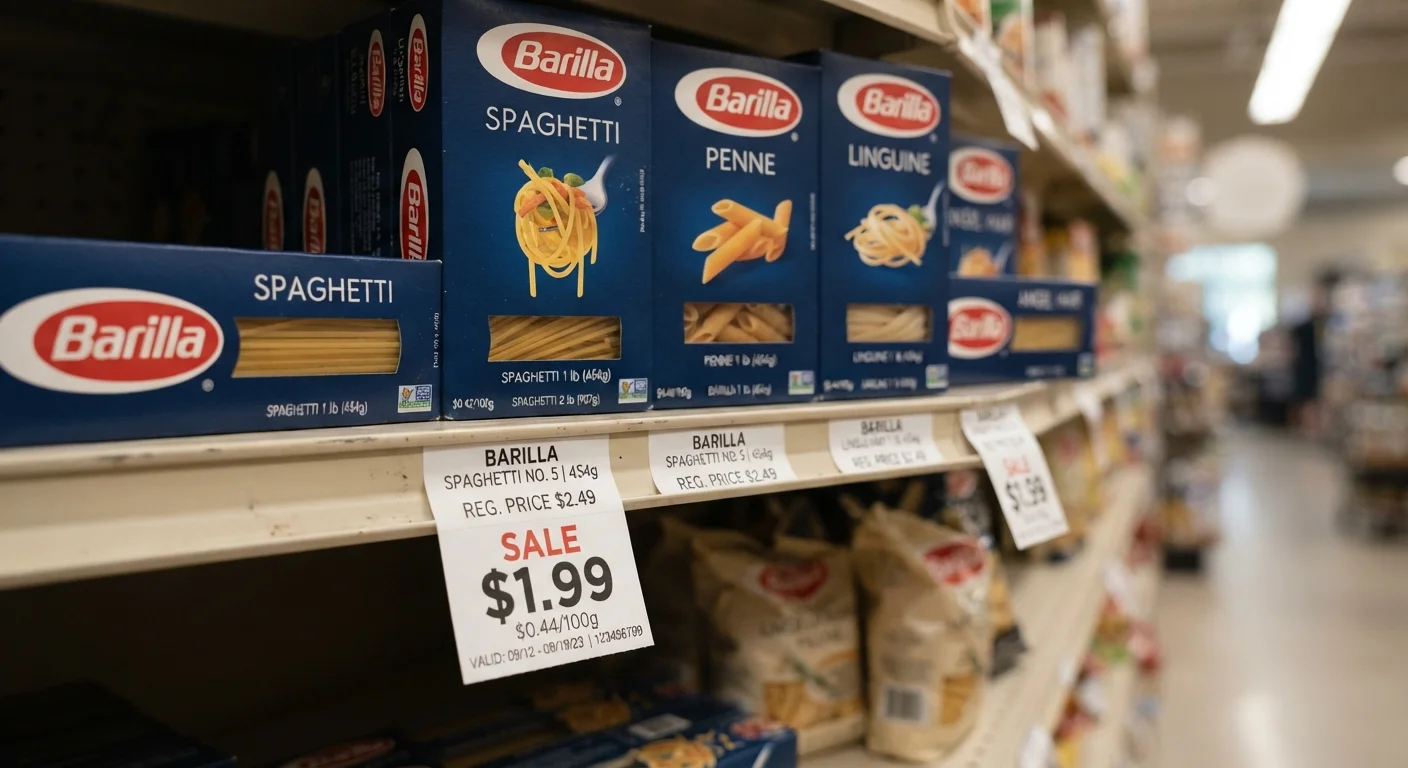
Pair this habit with reading the unit price on shelf tags to compare sizes and formats of the same food at a glance.
Identify your highest-value nutrition targets
Not all nutrients are equally hard to get on a budget. Focus your attention on three that tend to matter most for satiety and overall health: protein, dietary fiber, and key micronutrients like iron, calcium, and B vitamins.
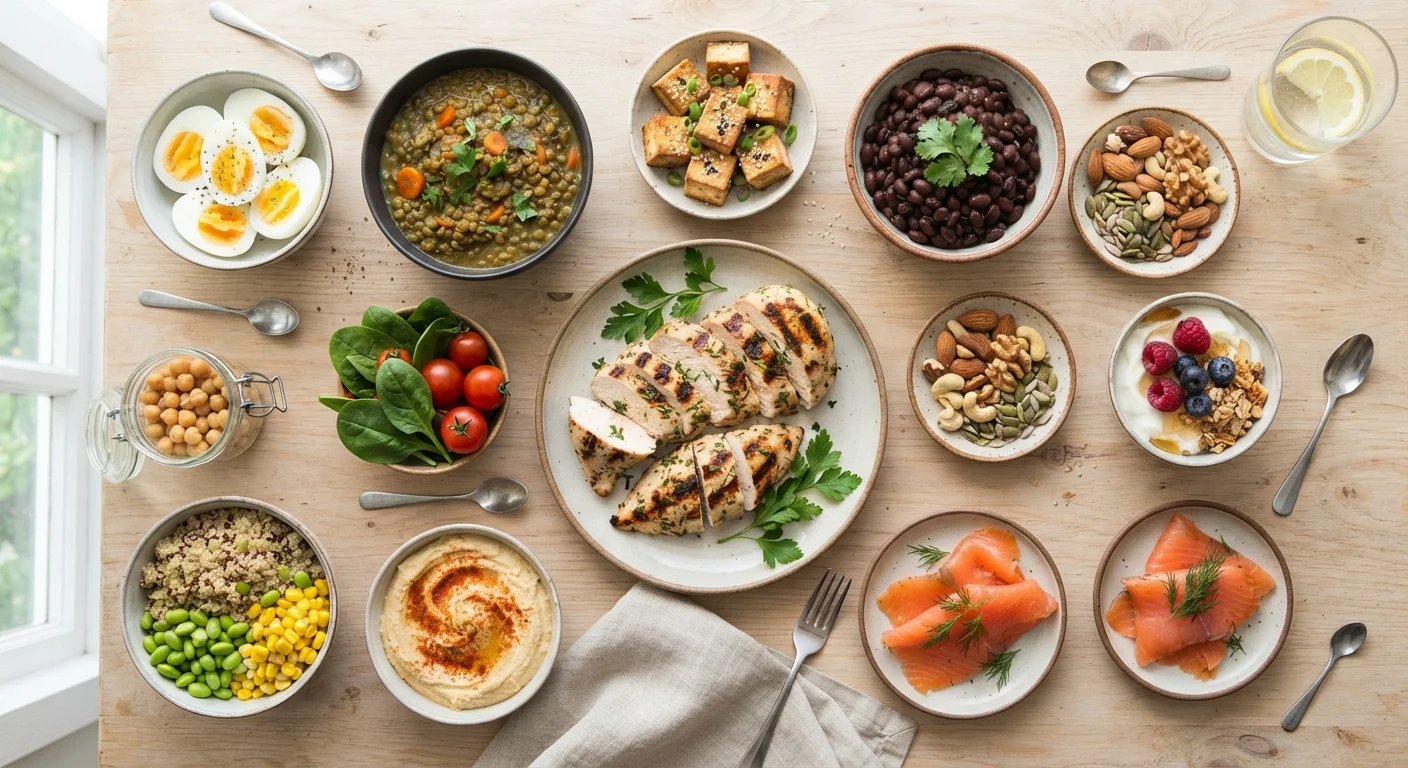
- Protein keeps you fuller longer and supports muscle maintenance. Eggs, canned tuna, dried beans, lentils, and plain Greek yogurt are among the most affordable sources. For a broader view of options, see our guide to protein sources across different eating styles.
- Fiber supports digestion and helps regulate blood sugar. Oats, canned or dried legumes, frozen vegetables, and whole-grain bread are reliable, inexpensive sources.
- Micronutrients are easiest to cover by keeping a variety of vegetables and fruits in rotation — even frozen or canned versions deliver well here.
Build your shopping list around proven budget staples
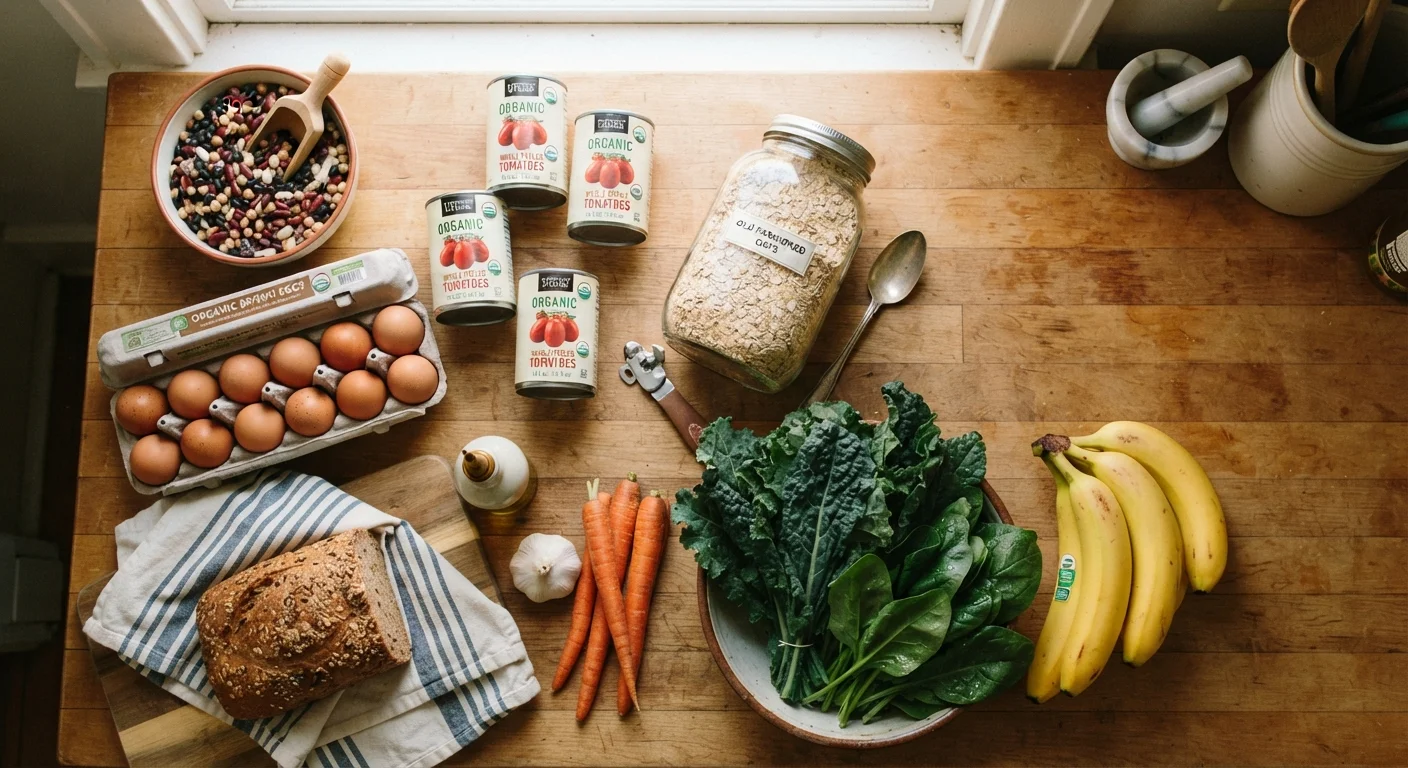
Certain foods have earned their place in budget-conscious kitchens because they're consistently affordable and nutritionally dense. Consider anchoring your weekly shopping around a core set:
- Eggs — complete protein, B vitamins, choline; very low cost per serving
- Dried or canned legumes (lentils, black beans, chickpeas) — protein, fiber, iron, folate
- Oats — soluble fiber, B vitamins, complex carbohydrates
- Frozen vegetables — broad micronutrient variety at stable low prices
- Canned fish (tuna, sardines) — omega-3 fatty acids, protein, vitamin D
- Bananas and seasonal fresh fruit — potassium, vitamin C, natural sugars for energy
- Brown rice or whole-grain pasta — sustained energy, fiber, B vitamins
Compare foods using a simple nutrition-to-cost ratio
Once you're thinking in servings, take it one step further: look at how much protein or fiber a food delivers per dollar spent. You don't need a spreadsheet — a quick mental check works fine.
For example, if dried lentils cost $0.30 per serving and provide 9 grams of protein and 8 grams of fiber, that's a very strong return. Compare that to a packaged grain bowl at $4.50 per serving with 7 grams of protein and 3 grams of fiber, and the value gap becomes obvious.
This mindset pairs naturally with building a balanced plate — because the same foods that score well on value also tend to fit well-established dietary guidance.
Reduce waste to stretch your budget further
Food that gets thrown out is money wasted — and nutrition lost. A little planning goes a long way. Even a rough weekly meal sketch (what you'll cook Monday through Friday) helps you buy only what you'll actually use.
Batch cooking grains and legumes at the start of the week keeps healthy, low-cost food ready without requiring nightly effort. Our honest breakdown of what meal prep actually delivers is worth a read before you commit to a full system.
Freezing bread, cooked beans, and portioned proteins before they spoil is one of the simplest ways to get more value from every dollar spent at the store.
Cheap Calories Aren't Always a Bargain
Ultra-processed foods — chips, sugary cereals, packaged pastries — can appear inexpensive per serving, but they tend to be low in fiber, protein, and key micronutrients. Filling up on them often leads to eating more overall, which erodes the apparent savings. Prioritize foods with genuine nutritional density, not just a low sticker price.
Frozen and Canned Count
Frozen vegetables and canned legumes are nutritionally comparable to their fresh counterparts and are often significantly cheaper. Frozen produce is typically picked and processed at peak ripeness, locking in vitamins. Canned beans and lentils have the added convenience of being pre-cooked — just rinse them and they're ready to go.
Keeping It Sustainable Over Time
Budget-conscious eating isn't a one-time optimization — it's an ongoing practice. The good news is that the same staples that top the value chart (legumes, eggs, oats, frozen vegetables) also happen to be among the most flexible foods in a kitchen. They work across dozens of meals and cuisines, so you're unlikely to burn out on them quickly.
If you want to build on this foundation, the principles behind sustainable healthy eating habits reinforce the same ideas: consistency, variety within staples, and avoiding the trap of expensive "health" foods that promise more than they deliver. And if you've ever been tempted by a trendy eating plan, it's worth understanding why fad diets tend to fall short — especially when they push pricey specialty products as essentials.
Understanding your protein needs more precisely can also help you shop smarter. Our overview of protein intake basics for everyday adults cuts through the noise and focuses on what the research actually supports.
This article is for general informational and educational purposes only. It is not a substitute for personalized dietary or medical advice. Consult a registered dietitian or healthcare provider for guidance specific to your health needs.