

Why Protein Source Actually Matters
Protein is one of the three macronutrients your body depends on — it builds and repairs tissue, supports immune function, and helps you feel full. But not all protein foods work the same way in your body, and the differences go beyond just grams per serving.
The key concept here is amino acids — the building blocks that make up protein. There are 20 in total, nine of which are considered "essential" because your body can't make them on its own. You have to get them through food. Some sources supply all nine; others don't. Understanding that distinction helps explain why the debate over protein source isn't just marketing noise.
If you're new to thinking about this, our nutrition basics guide is a solid starting point before diving deeper.
| Animal Proteins | Plant Proteins | Hybrid Approach | |
|---|---|---|---|
| Amino acid completeness | Complete (all 9 essential) | Often incomplete (soy is exception) | Complete through variety |
| Common examples | Chicken, eggs, fish, dairy | Lentils, tofu, beans, nuts | Mix of both categories |
| Typical cost | Moderate to high | Generally low | Flexible, budget-friendly |
| Added nutrients | B12, heme iron, zinc, omega-3s | Fiber, folate, magnesium | Broad range across sources |
| Potential gaps | Can be high in saturated fat | B12, heme iron, zinc | Depends on food choices |
| Planning required | Minimal | Moderate — variety is key | Low to moderate |
Animal-Based Proteins: Complete but Variable
Meat, poultry, fish, eggs, and dairy are all considered complete proteins — they contain all nine essential amino acids. That completeness makes them straightforward to use: eat a serving, check the protein box.
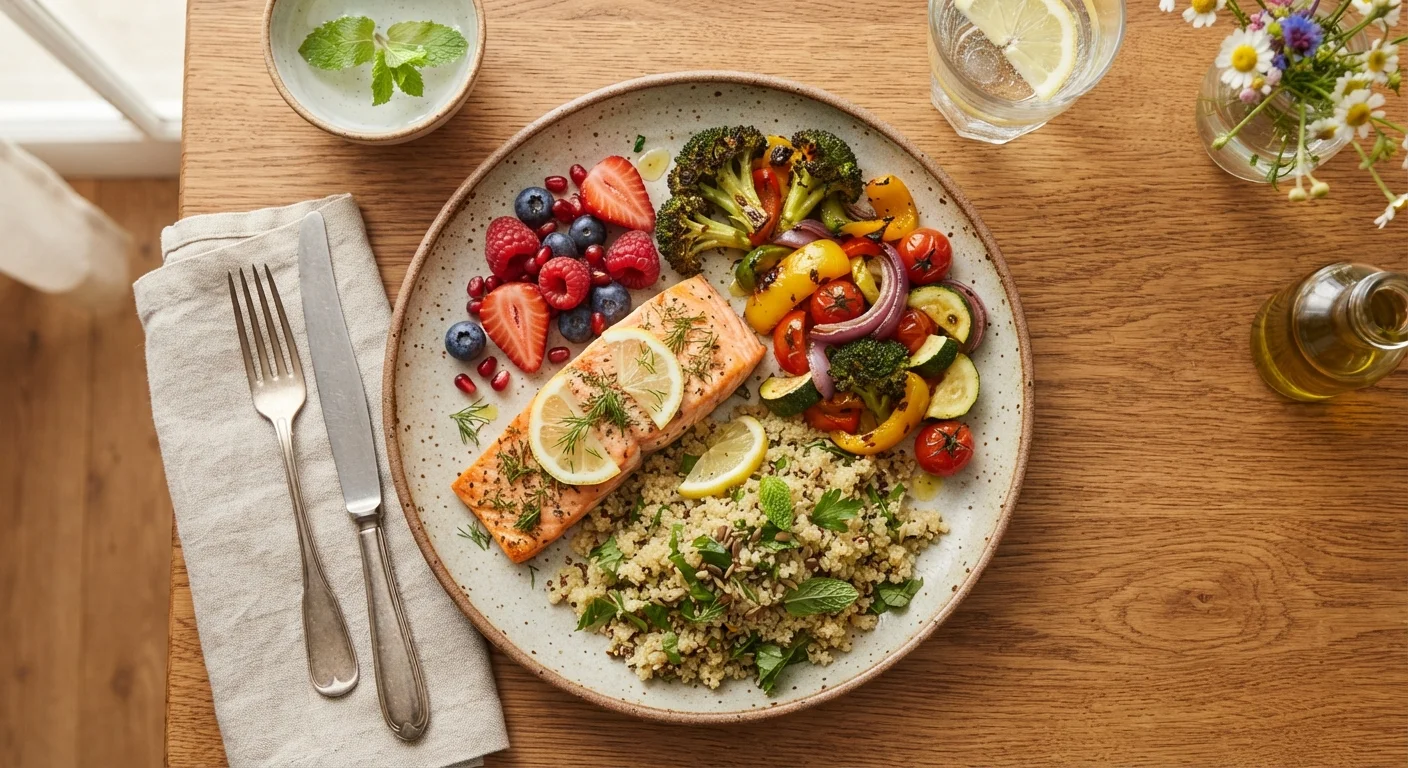
The differences within this category matter, though. Fatty fish like salmon delivers protein alongside omega-3 fatty acids. Eggs offer a highly bioavailable protein (meaning your body absorbs and uses it efficiently) at a relatively low cost. Lean meats and poultry are protein-dense with limited saturated fat. Dairy, especially Greek yogurt and cottage cheese, can be surprisingly high in protein per serving.
The trade-offs include cost (quality cuts of meat can get expensive), environmental footprint, and the fact that some high-protein animal foods also carry significant saturated fat. For a useful cost-versus-value lens, see eating well on a budget.
Eggs: A Quietly Efficient Protein Choice
Eggs score exceptionally high on measures of protein digestibility and bioavailability, making them one of the most efficient protein sources available. They're also one of the more affordable animal proteins pound for pound. Hard-boiling a batch at the start of the week is a practical way to keep a ready protein source on hand without much effort.
Plant-Based Proteins: Varied and Worth the Strategy
Beans, lentils, tofu, tempeh, edamame, nuts, seeds, and whole grains all contribute protein — but most are considered incomplete proteins, meaning they're low or missing in one or more essential amino acids. The common exception is soy (tofu, edamame, tempeh), which is a complete plant protein.
The old rule that you had to combine complementary proteins at every meal — think rice and beans — has been largely revised. Nutrition researchers now generally agree that eating a variety of plant proteins across the day is sufficient for most healthy adults. Your body maintains a pool of amino acids it can draw from throughout the day.
Plant proteins tend to come packaged with fiber, vitamins, and minerals that animal foods often lack. Lentils, for instance, bring iron and folate alongside protein. That said, some nutrients — like vitamin B12, heme iron, and zinc — are harder to get from plants alone, which is worth factoring in if you're going fully plant-based. Balanced plate principles can help you think through how to fill those gaps.
Hybrid Approaches: The Middle Ground Most People Actually Eat
Most Americans don't eat exclusively animal or exclusively plant proteins — they mix and match. This flexible approach, sometimes called a flexitarian or omnivore pattern, gives you access to the strengths of both categories.
Practically, this might look like building a few meals around lentils or beans each week while still including eggs at breakfast or fish at dinner. Or swapping in tofu a couple of nights a week. The hybrid approach tends to be easier on the grocery budget too, since plant proteins like dried beans and lentils are among the most affordable foods per gram of protein available.
It also sidesteps some of the nutrient gap concerns that come with strict plant-only eating, while reducing reliance on red and processed meats that some health organizations suggest moderating. For more on how minimally processed whole foods factor into this, see whole foods vs. processed foods.
~10%
Americans identifying as vegetarian
Gallup polling has consistently found roughly 1 in 10 Americans follow a vegetarian diet, with far more incorporating plant proteins flexibly.
~0.8g
Protein per kg of body weight daily (general adult guideline)
The Recommended Dietary Allowance for protein is approximately 0.8 grams per kilogram of body weight for sedentary adults, according to the National Academies of Medicine.
Putting It Together for Your Plate
There's no universally correct protein category — what matters is whether your overall diet is meeting your needs. A few practical checkpoints worth knowing:
- Variety helps. Rotating protein sources across the week naturally fills nutritional gaps.
- Processing matters. A whole chicken breast and a highly processed chicken nugget are very different foods nutritionally, even if protein grams look similar on a label.
- Context shapes needs. Athletes, older adults, pregnant individuals, and people managing chronic conditions may have different protein requirements — and those groups should work with a healthcare provider or registered dietitian rather than relying on general guidance.
For a closer look at how much protein most adults actually need, protein intake basics breaks it down without the supplement-industry noise.
This article is for general informational purposes only and is not a substitute for personalized nutrition or medical advice. Consult a registered dietitian or qualified healthcare professional before making significant changes to your diet.